
Understand the Basics
Learn the differences between epoxy resin, UV resin, coating resin and casting resin before buying supplies.
Read the beginner guide →Thoughtfully presented content from Smart Living Journal, designed to support clearer decisions and a better everyday lifestyle.
Learn how to create beautiful resin keychains, bookmarks, jewellery, coasters, home décor and personalised gifts with practical tutorials, material lists, safety guidance and beginner-friendly product recommendations.
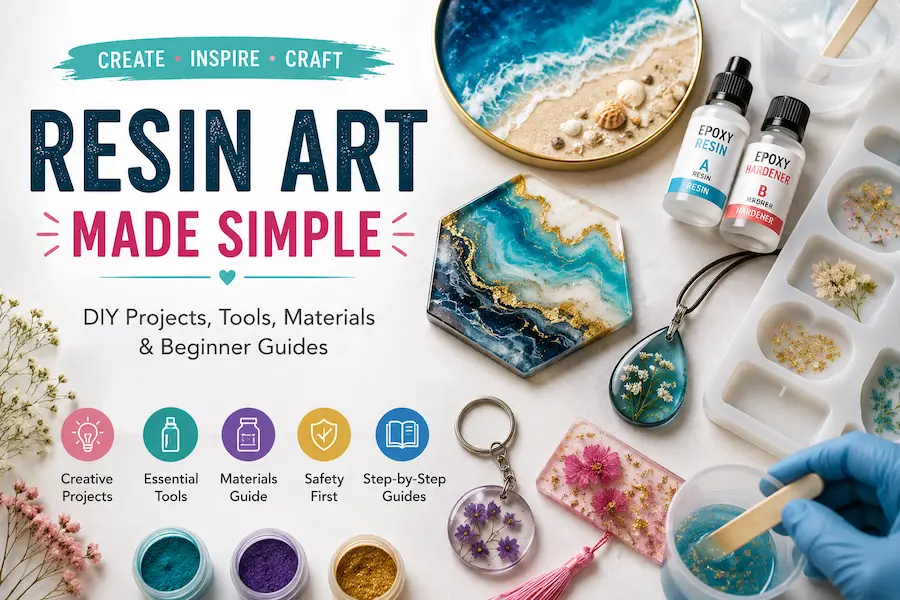
Resin Art can appear complicated at first, but it becomes much easier when you understand the material, prepare your workspace and begin with a manageable project.
Learn the differences between epoxy resin, UV resin, coating resin and casting resin before buying supplies.
Read the beginner guide →Gather suitable resin, moulds, measuring equipment, protective supplies, colours and basic finishing tools.
View the checklist →Begin with a keychain, bookmark, pendant or magnet before progressing to large trays, clocks and decorative pieces.
Choose your first project →The appropriate resin depends on the size, depth, finish and curing method required by your project.
Commonly used for keychains, jewellery, bookmarks, coasters, trays and decorative mould projects. It generally requires accurate mixing of resin and hardener.
Explore epoxy resin →Useful for small, thin projects and quick decorative work. It cures under a suitable UV lamp but is not appropriate for every mould depth or project type.
Explore UV resin →Casting formulas are designed for mould depth, while coating formulas are often intended for thinner surface applications. Always follow the exact product instructions.
Compare resin types →Select a project based on your current confidence, available moulds and the time you can dedicate to preparation and curing.
Create alphabet, name, zodiac, glitter or dried-flower keychains using small silicone moulds.
Make resin keychains →Combine pigments, dried flowers, metallic flakes and decorative tassels to make useful handmade gifts.
Make resin bookmarks →Design lightweight pendants with colour layers, miniature inclusions, foil or preserved botanicals.
Make resin pendants →Experiment with marble effects, ocean colours, geode patterns and metallic highlights.
Make resin coasters →Preserve properly dried flowers inside pendants, paperweights, keychains and decorative blocks.
Preserve dried flowers →Progress to a larger project using clock moulds, mechanisms, careful levelling and polished finishing.
Make a resin clock →You do not need every available craft tool on the first day. Begin with essential measuring, mixing, safety and moulding supplies, then expand your toolkit according to the projects you actually create.
Resin craft materials must be handled responsibly. Requirements can vary by formulation, so always read the product label, technical instructions and Safety Data Sheet.
Even careful creators occasionally experience bubbles, sticky surfaces, cloudy finishes, damaged edges or difficult demoulding. Use these guides to identify likely causes.
Learn how mixing technique, temperature, mould details and inclusions can affect trapped air.
Solve bubble problems →Review measuring accuracy, mixing technique, temperature and curing time when resin remains tacky.
Diagnose sticky resin →Moisture, sanding, incompatible additions and surface conditions can influence resin clarity.
Improve resin clarity →Learn basic sanding, drilling and polishing techniques for fully cured resin pieces.
Finish cured resin →Explore organised recommendations for beginner resin kits, moulds, measuring tools, colours, dried flowers, safety equipment, finishing tools and jewellery-making accessories.
Use these foundational guides to make better purchasing, preparation and project decisions.
Understand how resin art works, what to buy first and which beginner mistakes to avoid.
Read the guide →Learn why weight and volume ratios are not automatically interchangeable and why instructions matter.
Understand mixing ratios →Plan project quantities, reduce unnecessary waste and keep a simple record of successful pours.
Estimate resin quantity →Compare common resin colourants by appearance, movement, opacity and project suitability.
Compare colourants →Learn why flowers should be fully dried and how placement affects the finished composition.
Read the flower guide →Calculate material cost, packaging, labour, marketplace expenses and a reasonable profit margin.
Learn resin pricing →Yes. Begin with a small, shallow mould project and carefully follow the resin manufacturer’s measuring, mixing, safety and curing instructions.
A simple keychain, bookmark, small pendant or fridge magnet is usually more manageable than a large tray, clock or deep casting project.
No. Resin systems may use different ratios by weight or volume. Always use the ratio specified for the exact resin and hardener combination.
Possible causes include inaccurate measurement, incomplete mixing, unsuitable temperature, incorrect product combination or insufficient curing time.
Fresh flowers contain moisture and may discolour, decay or affect the project. Flowers are normally dried thoroughly before being included in resin.
Not necessarily. A beginner can start with basic hand-finishing materials. A rotary tool becomes more useful when drilling, refining or polishing projects regularly.
Carefully selected tools and supplies to help you create resin projects with more confidence.
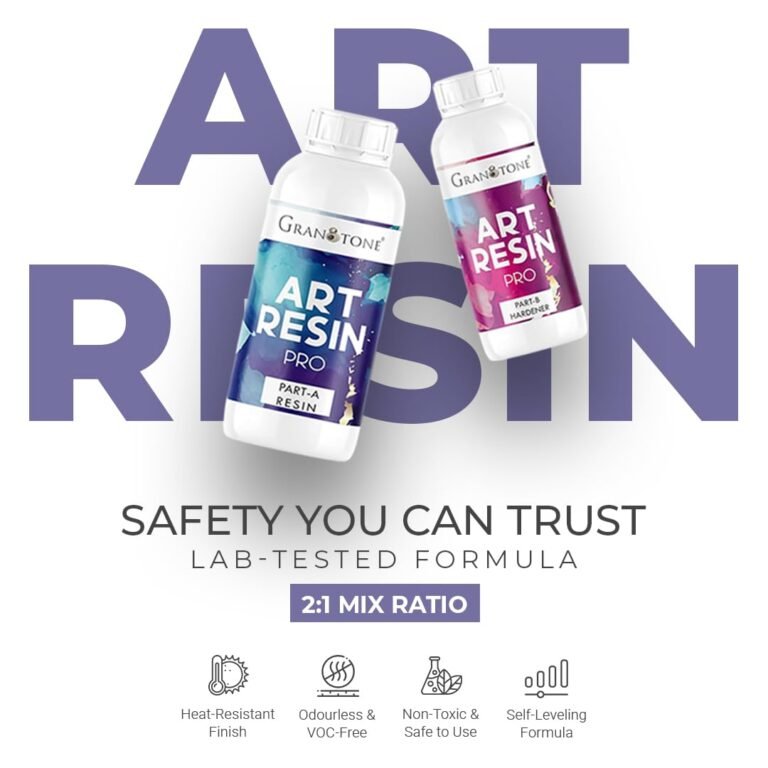
A beginner-friendly 300g epoxy resin and hardener kit with a simple 2:1 mixing ratio. Designed to produce clear, glossy and self-levelled finishes for keychains, jewellery, bookmarks, coasters and other small resin-art projects.
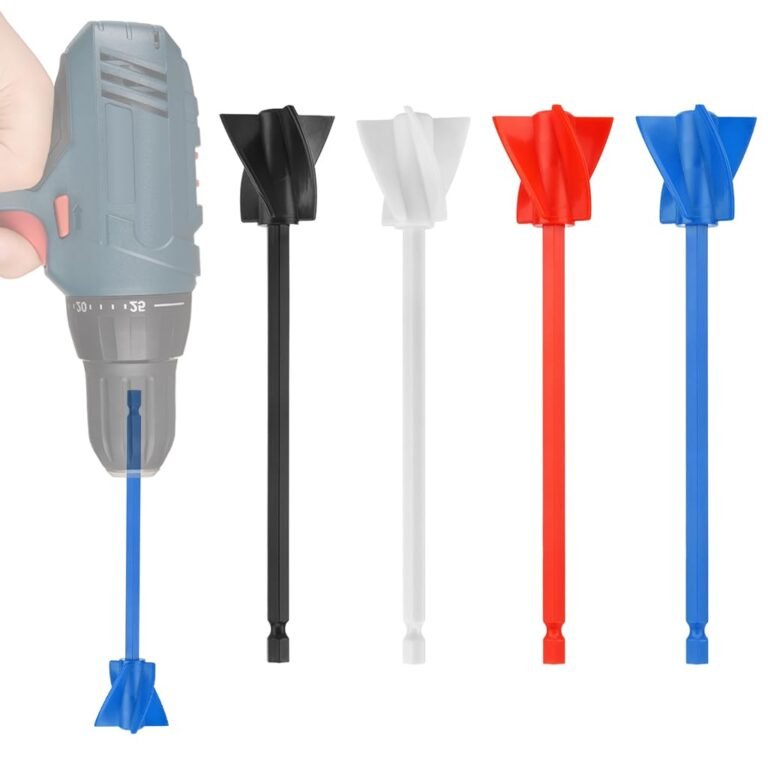
A four-piece helix mixer attachment set for blending epoxy resin, pigments, paint, ceramic glaze and silicone with a compatible variable-speed drill. A practical budget alternative to repetitive hand mixing.
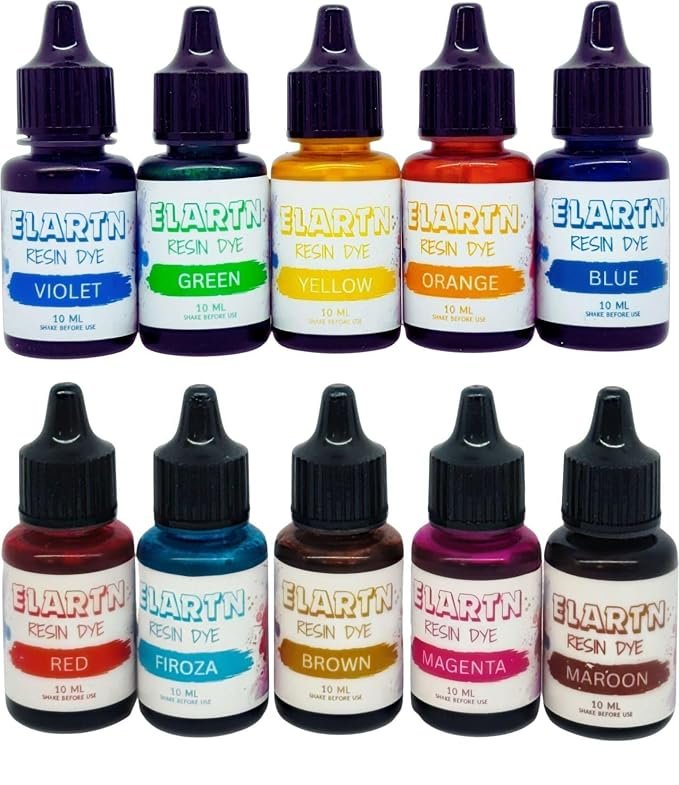
A set of 10 concentrated liquid colourants in convenient 10 ml dropper bottles for colouring epoxy resin, UV resin, jewellery, keychains, coasters and decorative mould projects.
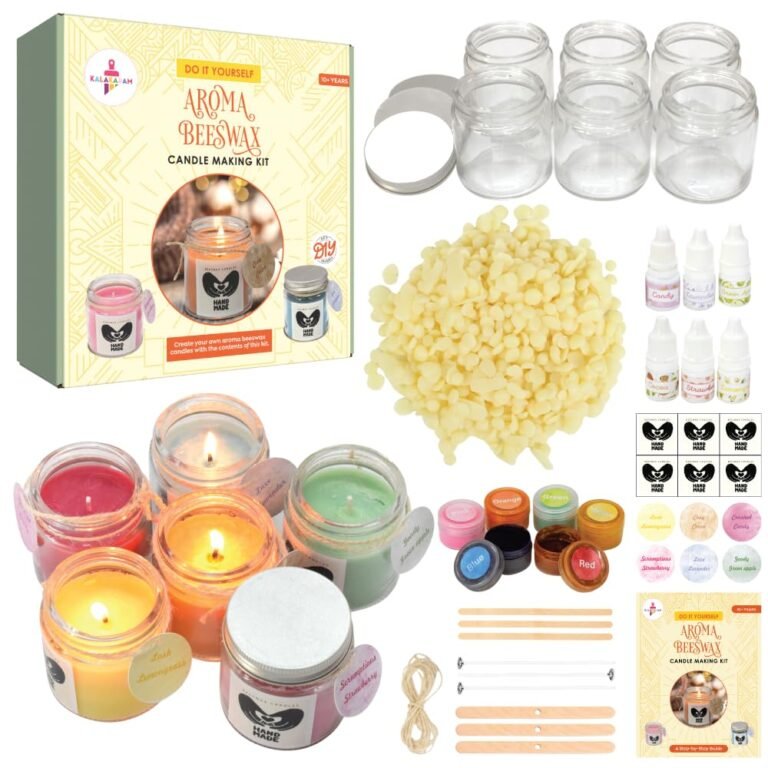
A complete beginner-friendly DIY beeswax candle-making kit with 500g of pure natural beeswax, six glass jars, wicks, fragrance oils, colours and essential crafting accessories. Designed for kids, teens and adults, it makes it easy to create clean-burning, scented handmade candles at home. Ideal for creative hobbies, screen-free family activities, festive déc
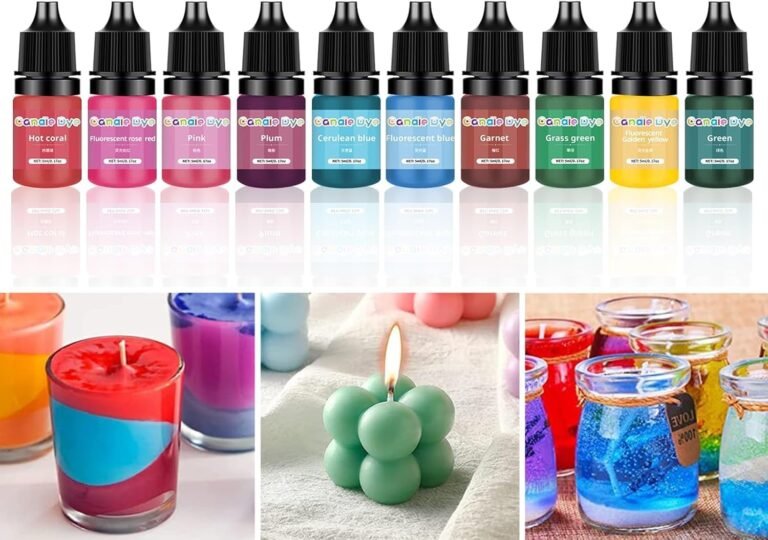
A versatile 24-color liquid candle dye set designed to add vibrant, customizable shades to handmade candles. The concentrated, easy-to-mix formula works well for creative candle-making projects, gifts, home décor and small-batch production, giving crafters plenty of freedom to blend unique colors with minimal mess or waste.
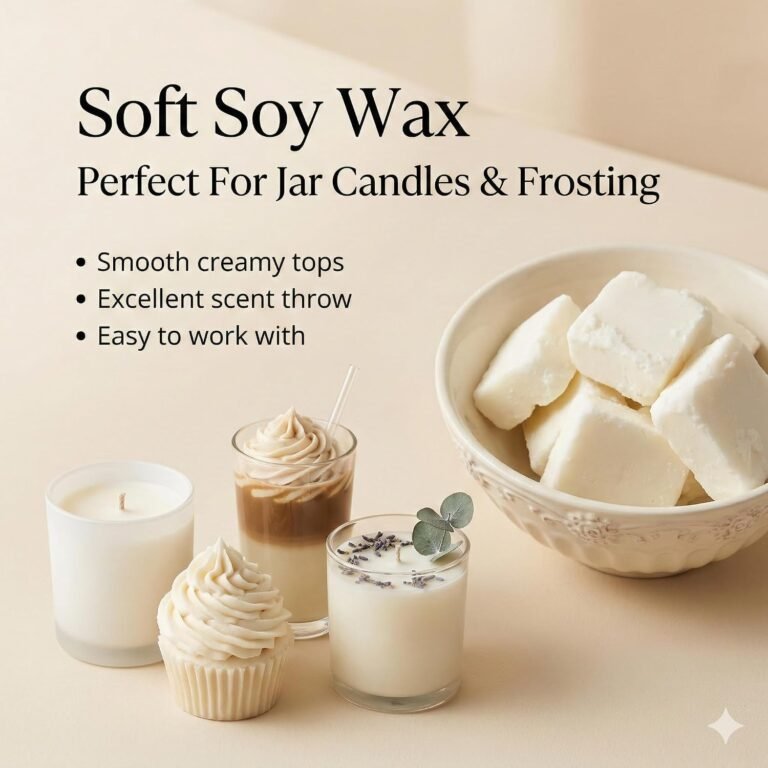
A beginner-friendly soy wax formulated especially for jar and container candles, offering smooth creamy tops, reliable setting and excellent fragrance retention. Its soft, easy-to-melt texture also works beautifully for whipped or frosting-style decorative candles, wax melts and other DIY candle projects, helping create clean, professional-looking results wi
As an Amazon Associate, SmartLivingJournal earns from qualifying purchases. Product prices and availability may change on Amazon.