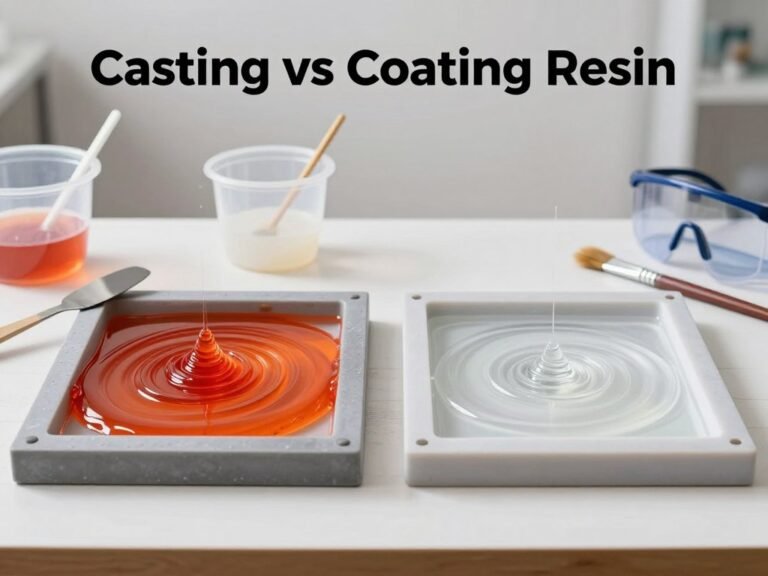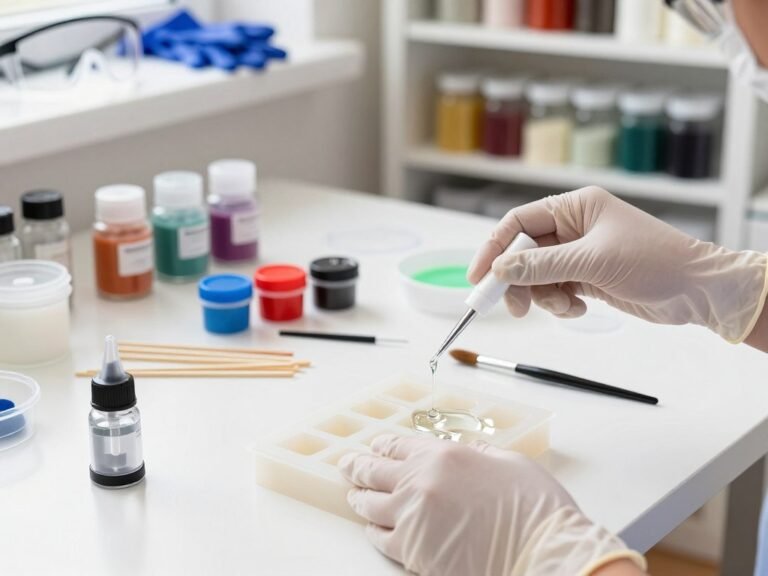
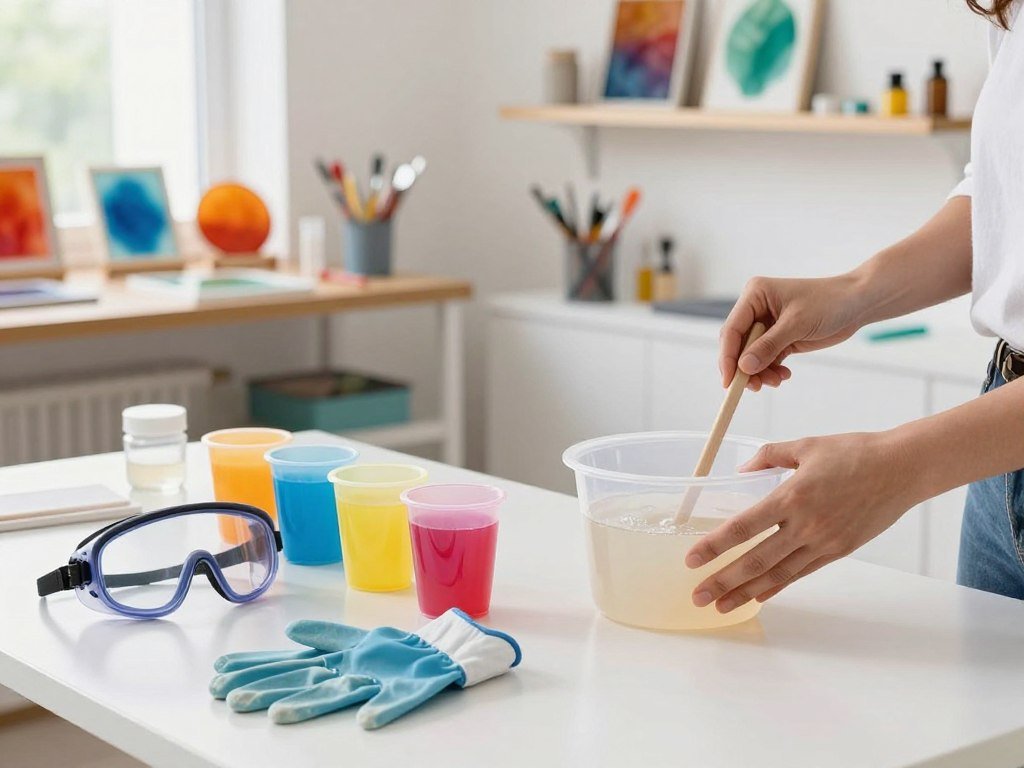
Did you know that over 90% of common household chemical accidents are entirely preventable with simple preparation? When you begin working with epoxy, understanding how to protect yourself is the most important step you can take.
This resin art beginner’s guide helps you navigate the process with total confidence. While these materials are chemicals that demand respect, they are perfectly manageable in a home studio environment.
By following a proper resin art safety guide, you ensure that your creative journey remains healthy and fun. You do not need to be a professional chemist to master these techniques. You simply need to follow established protocols to keep your workspace secure and your health protected.
Key Takeaways
- Always prioritize proper ventilation in your workspace.
- Wear appropriate personal protective equipment like gloves and respirators.
- Read all manufacturer labels before starting any project.
- Keep your work area clean to prevent accidental exposure.
- Store all chemical components in a cool, secure location.
Understanding the Chemistry of Resin
Resin art is a fascinating medium, but it requires a solid understanding of chemical properties to ensure safety. When you mix components, you are initiating a chemical reaction that transforms liquids into a solid state. Knowing how these materials behave helps you manage your workspace effectively.
The Difference Between Epoxy, UV, and Polyester Resins
Not all resins are created equal, and each type carries its own set of characteristics. Epoxy resin is the most popular choice for artists due to its durability and long working time. In contrast, UV resin cures almost instantly under specific light, while polyester resin is known for its strong odor and rapid hardening process.
| Resin Type | Curing Method | Primary Use | Safety Level |
|---|---|---|---|
| Epoxy | Chemical Hardener | Coating & Casting | Moderate |
| UV Resin | UV Light | Jewelry & Small Crafts | High Caution |
| Polyester | Catalyst | Fiberglass & Casting | Very High Caution |
Identifying Potential Health Hazards and Toxicity
Awareness of resin art toxicity is critical for every creator. Exposure to uncured chemicals can lead to significant health issues, including irritation of the eyes, nose, and throat. Some artists may even develop asthma or skin sensitivities after repeated contact with these substances.
By identifying the risks associated with resin art toxicity, you can take proactive steps to protect your well-being. Always prioritize proper ventilation and protective equipment to minimize your exposure. Staying informed about the specific chemicals in your products is the best way to keep your creative process safe and enjoyable.
Essential Protective Gear for Every Artist
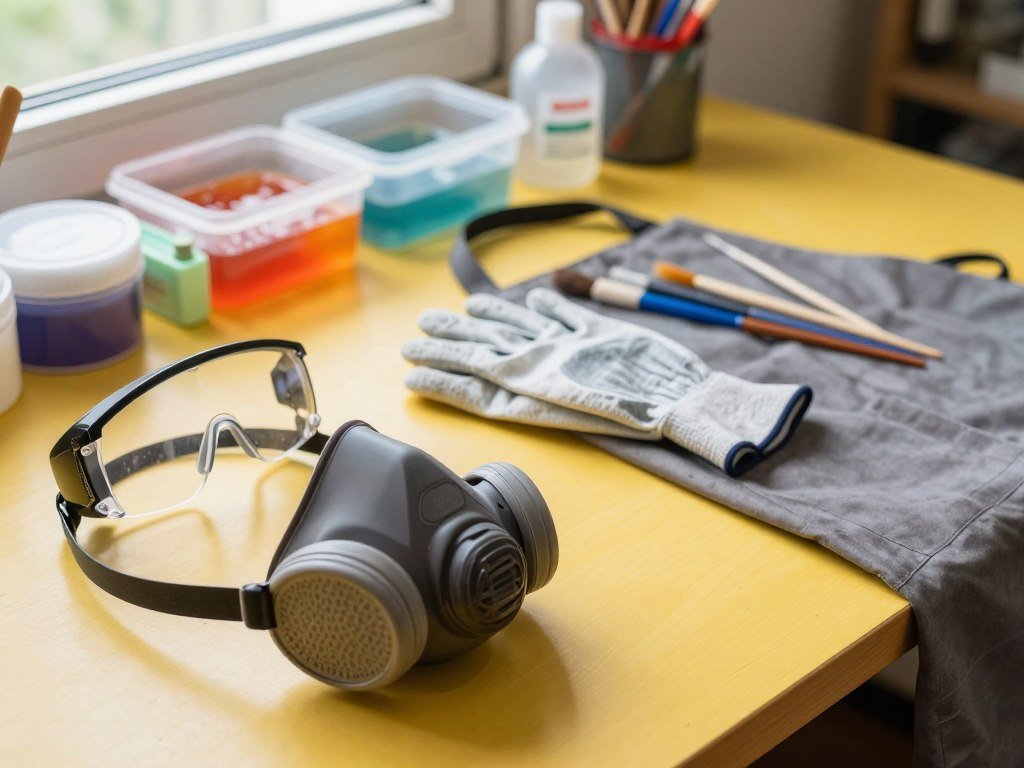
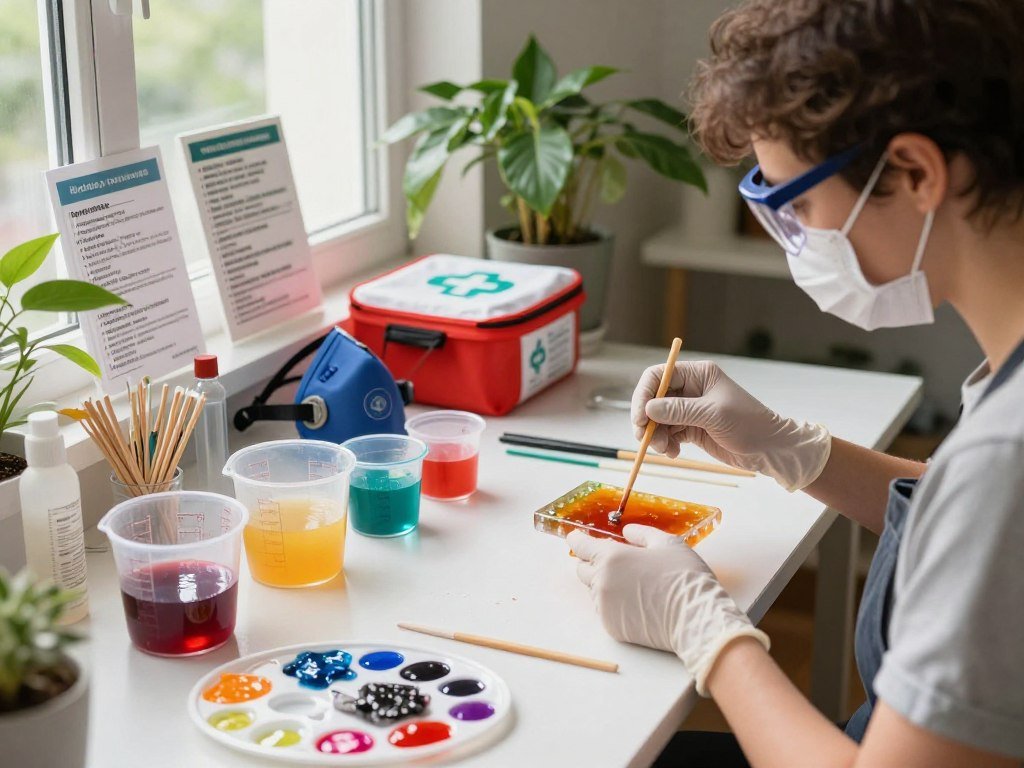
Investing in high-quality resin art protective gear is the smartest decision you can make as an artist. While the creative process is exciting, the chemicals involved require a serious approach to personal safety. By preparing your workspace with the right equipment, you ensure that your health remains a top priority throughout every project.
Selecting the Right Respirator for Organic Vapors
When working with epoxy or other resins, standard dust masks are simply not enough to protect your lungs. You must use a respirator specifically rated for organic vapors. Look for a mask that is NIOSH-approved to ensure it effectively filters out the harmful fumes released during the curing process.
Always check that your respirator fits snugly against your face to prevent air leaks. Replacing your cartridges regularly is also vital, as they lose their effectiveness over time. A well-maintained respirator is your first line of defense against inhaling potentially toxic vapors.
Choosing Chemical-Resistant Gloves
Your hands are the most exposed part of your body during the mixing and pouring stages. It is essential to use chemical-resistant nitrile gloves rather than standard latex or vinyl options. Nitrile provides a superior barrier against the harsh chemicals found in resin, preventing skin absorption.
Make sure to choose gloves that are thick enough to resist tearing while you work. If you notice any signs of damage or if the resin touches the surface of your glove, remove them immediately and wash your hands thoroughly. Keeping a fresh box of gloves nearby is a simple habit that significantly improves your safety.
Protecting Your Eyes and Skin
Accidental splashes can happen in the blink of an eye, making eye protection a non-negotiable part of your routine. Wear safety goggles that create a complete seal around your eyes to block any stray droplets. This simple step prevents painful irritation or more serious chemical injuries.
Beyond your eyes, you should also cover your skin to avoid direct contact. Wearing long sleeves, pants, and a protective apron will shield your body from accidental spills. By treating your resin art protective gear as an essential part of your toolkit, you can focus on your creativity with total peace of mind.
Setting Up a Safe Workspace
Transforming a corner of your home into a professional-grade resin studio requires careful planning. A well-organized area helps you focus on your creativity while keeping potential hazards under control. By establishing clear boundaries, you ensure that your hobby remains a joyful and safe experience for everyone in your household.
The Importance of Proper Resin Art Ventilation
Effective resin art ventilation is the most critical component of your studio setup. When resin cures, it can release volatile organic compounds that should not be inhaled in confined spaces. You must ensure a steady flow of fresh air to prevent these fumes from building up around your workspace.
If you are working in a room without windows, consider using a high-quality air purifier or an exhaust fan system. Always position your workstation near an open window to encourage cross-ventilation. Proper airflow keeps your lungs healthy and allows you to work for longer periods without feeling lightheaded or uncomfortable.
Creating a Dedicated Crafting Zone
Designating a specific area for your projects prevents cross-contamination with food preparation or living spaces. Ideally, choose a room with hard floors that are easy to clean if a spill occurs. Keeping your supplies in a separate zone helps you maintain a disciplined safety routine every time you start a new pour.
- Use a sturdy table that is level to ensure your resin cures evenly.
- Keep children and pets away from your crafting zone at all times.
- Store all chemicals in labeled, airtight containers within your dedicated area.
Managing Surface Protection and Spill Containment
Accidents happen, but you can minimize the impact with the right preparation. Always cover your work surface with a protective layer to catch drips and spills before they reach your furniture. Silicone mats are excellent choices because they are reusable and allow cured resin to peel off easily.
In addition to mats, keep a spill kit nearby to handle emergencies quickly. This kit should include paper towels, isopropyl alcohol for cleaning tools, and disposable wipes. By prioritizing surface protection, you protect your home and keep your workspace looking professional and clean.
The Comprehensive Resin Art Safety Guide
Building a foundation of safety is the most important step for any resin artist. Adopting a safety-first mindset transforms your creative process from a risky hobby into a professional practice. By following this comprehensive resin art safety guide, you ensure that your health remains the top priority while you explore your artistic potential.
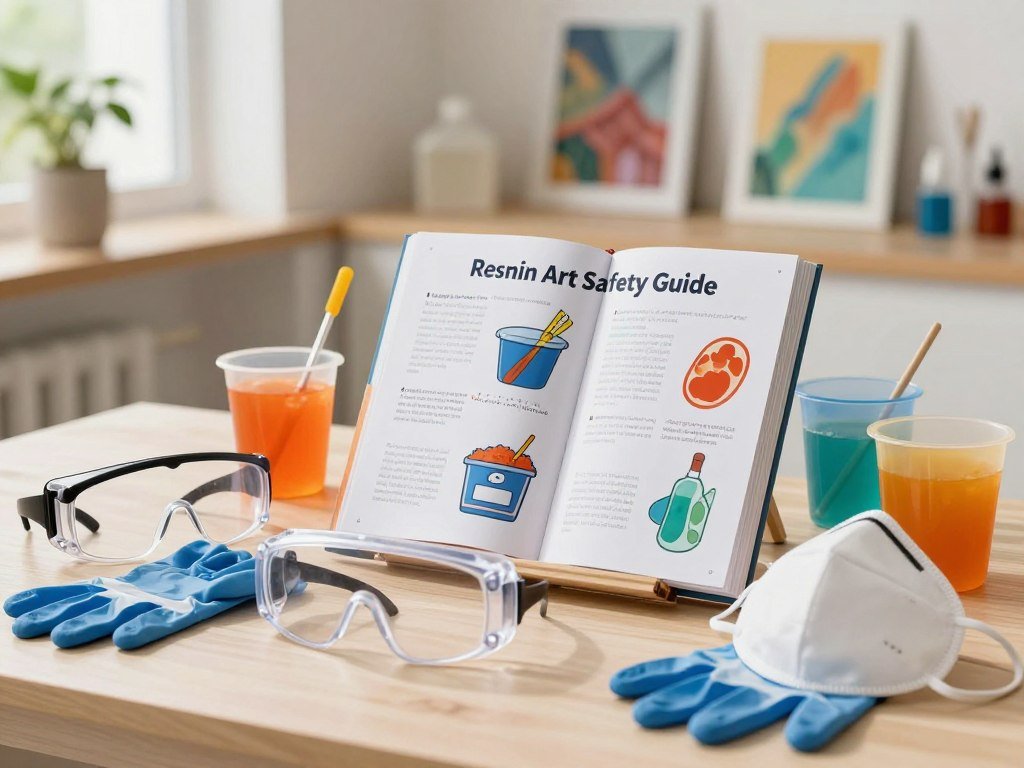
Establishing a Safety-First Mindset
A responsible artist understands that safety is not a one-time task but a continuous habit. It involves preparing your environment before you even open a bottle of resin. When you treat every project with caution, you naturally reduce the likelihood of accidents or long-term health issues.
Consistency is key to maintaining this mindset. Always double-check your workspace and gear before starting. This proactive approach helps you stay focused on your art without worrying about potential hazards.
Reading and Understanding Safety Data Sheets
Every resin product comes with a Safety Data Sheet (SDS), which is a vital document for your protection. These sheets provide detailed information about chemical ingredients, potential health risks, and emergency procedures. You should always read the SDS provided by the manufacturer before using a new product.
If you find the technical language confusing, focus on the sections labeled “Hazard Identification” and “First Aid Measures.” These areas clearly outline what to do if you experience skin contact or inhalation. Understanding these documents is a core component of any reliable resin art safety guide.
Storing Chemicals Safely in Your Home
Proper storage is essential to prevent accidental spills and chemical degradation. Keep your resin and hardener in a cool, dry place away from direct sunlight. Temperature control is critical, as extreme heat can alter the chemical stability of your materials.
Ensure all containers are tightly sealed and stored in a location that is inaccessible to children and pets. Using a dedicated, locked cabinet or a plastic bin with a secure lid provides an extra layer of protection. By organizing your supplies correctly, you create a safer home environment for everyone.
Handling Resin Safely During the Mixing Process
When you begin mixing your resin, you are entering the most critical phase for applying essential resin art safety measures. This stage is where most accidental exposures occur, so staying focused is vital for your long-term health. By following a few simple steps, you can ensure your creative process remains both fun and secure.
Measuring Ratios Accurately to Prevent Uncured Resin
Precision is the foundation of a safe workspace. If you fail to measure your resin and hardener correctly, the mixture may never fully cure. Uncured resin is significantly more hazardous than a fully hardened piece because it remains in a liquid, reactive state.
Always use a digital scale or graduated mixing cups to ensure your ratios are exact. Following the manufacturer’s instructions is a key part of your resin art safety measures. Never guess the amounts, as even a small imbalance can lead to sticky, toxic surfaces that are difficult to clean.
Mixing Techniques to Minimize Fumes
How you stir your resin directly impacts the amount of vapor released into your air. You should stir slowly and steadily to avoid creating unnecessary bubbles or heat. Rapid, aggressive mixing can cause the chemical reaction to accelerate too quickly, which releases more fumes into your workspace.
Keep your face away from the mixing container while you work. Using a gentle, folding motion helps keep the mixture stable and reduces the risk of airborne particles. Implementing these resin art safety measures ensures that you keep your breathing zone as clear as possible.
Avoiding Skin Contact During Application
Direct contact with liquid resin is a common cause of skin irritation and long-term sensitivity. You must wear chemical-resistant gloves at all times during the application process. Even a tiny drop on your skin can lead to an allergic reaction over time, so never handle resin with bare hands.
If you accidentally get resin on your skin, wipe it off immediately with a dry paper towel before washing the area with soap and water. Never use harsh solvents like acetone to clean your skin, as these can push the chemicals deeper into your pores. Consistent use of these resin art safety measures will protect your skin and keep your crafting sessions enjoyable.
Managing Resin Art Tips for Beginners
If you are just starting your creative journey, mastering the basics of safety is just as important as learning the art itself. Implementing effective resin art tips early on helps you develop a disciplined approach that protects your health while you refine your skills. By focusing on safety from the very beginning, you ensure that your crafting experience remains enjoyable and sustainable for years to come.
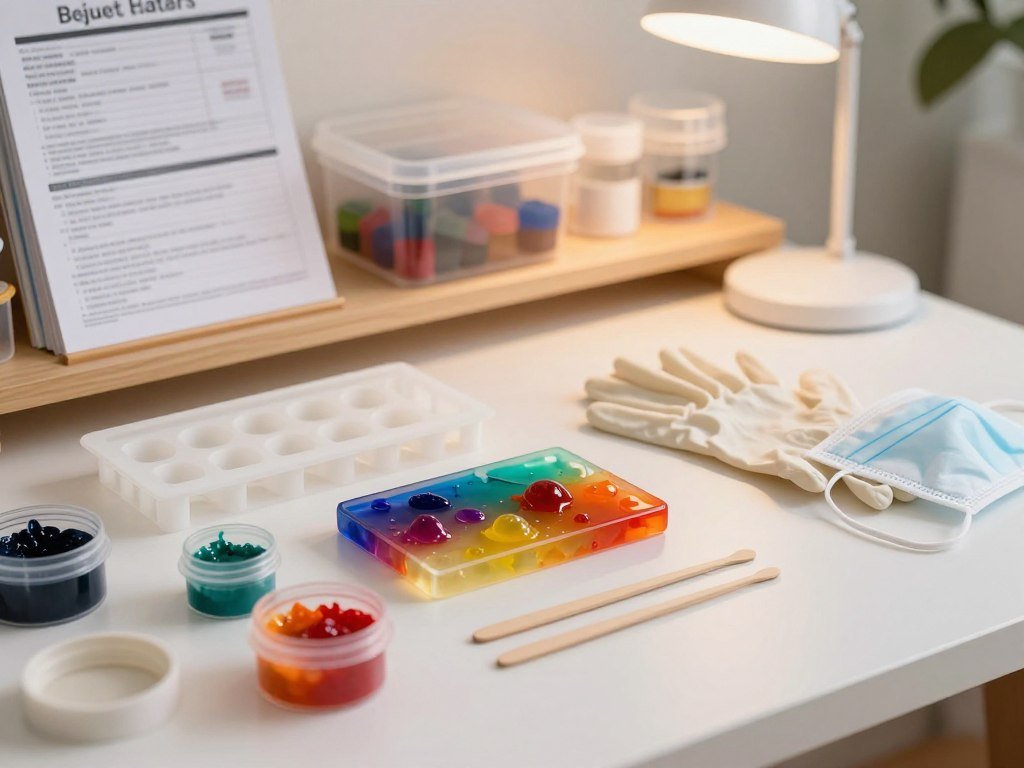
Starting Small to Build Safe Habits
When you first begin working with epoxy, it is tempting to dive into large-scale projects immediately. However, starting with small batches is one of the most practical resin art tips for maintaining control over your workspace. Smaller projects allow you to manage chemical exposure more effectively and give you the space to practice proper mixing techniques without feeling overwhelmed.
Focusing on smaller pours helps you become familiar with the curing process and the specific ventilation needs of your area. As you gain confidence, you can gradually increase the scale of your work while maintaining the rigorous safety standards you established early on. Consistency is the key to building habits that keep you safe.
Common Mistakes That Compromise Safety
Even experienced crafters sometimes overlook basic precautions, but beginners are particularly vulnerable to common errors. One frequent mistake is rushing the mixing process, which can lead to improper curing and unnecessary fume release. Always take your time to measure ratios accurately, as this is a fundamental part of our recommended resin art tips.
Another common oversight involves neglecting personal protective equipment because a project seems small or quick. Never skip wearing your gloves or respirator, even for minor touch-ups or small pours. Protecting your skin and lungs should be an automatic part of your workflow, regardless of the project size.
When to Seek Professional Guidance
There may be times when you feel uncertain about the chemical properties of a specific product or how to handle a unique situation. If you notice persistent skin irritation or respiratory discomfort, it is time to stop and consult a professional. Do not hesitate to reach out to the manufacturer or a safety expert if you have questions about your materials.
Seeking guidance is a sign of a responsible artist, not a lack of skill. Whether you are dealing with an accidental spill or trying to understand complex safety data sheets, professional advice can prevent long-term health issues. Prioritizing your well-being ensures that your creative passion remains a positive part of your life.
Respiratory Protection and Air Quality
Protecting your respiratory system is a non-negotiable part of your resin art journey. While the creative process is rewarding, the chemicals involved require high-quality resin art protective gear to ensure your long-term health. You must prioritize the air you breathe just as much as the final aesthetic of your project.
Why Standard Dust Masks Are Not Enough
Many beginners mistakenly assume that a simple paper dust mask will block out harmful fumes. Unfortunately, these masks are designed only to filter solid particles like sawdust or drywall dust. They offer zero protection against the volatile organic compounds (VOCs) released during the resin curing process.
To stay safe, you need a respirator equipped with organic vapor cartridges. These specialized filters are engineered to trap chemical gases before they reach your lungs. Relying on inadequate equipment can lead to respiratory irritation or more serious health issues over time.
Maintaining Your Respirator Equipment
Investing in proper resin art protective gear is only the first step; you must also maintain it correctly. A respirator is only effective if the seals are tight and the filters are fresh. If you notice a chemical smell while wearing your mask, it is time to replace your cartridges immediately.
- Store your respirator in a sealed plastic bag when not in use to prevent filter saturation.
- Wipe down the facepiece with mild soap and water after every session.
- Check the straps and valves regularly for signs of wear or cracking.
- Keep a log of your usage hours to know exactly when to swap out your filters.
Monitoring Air Quality in Small Spaces
Working in a small room makes air quality management even more critical. Even with the best resin art protective gear, you should never rely on a mask alone if your workspace lacks airflow. Proper ventilation is the first line of defense against accumulating fumes.
Consider using a portable air quality monitor to track VOC levels in your studio. If you notice the air feeling heavy or stagnant, open a window or use an exhaust fan to pull air out of the room. Your health is the most important tool in your studio, so always ensure your environment remains breathable and safe.
Skin Protection and Chemical Sensitivity
Following proper resin art health guidelines ensures that your creative passion does not lead to physical discomfort. While resin is a versatile medium, it contains chemicals that can irritate your skin if handled improperly. Prioritizing your physical well-being is the best way to enjoy your craft for years to come.
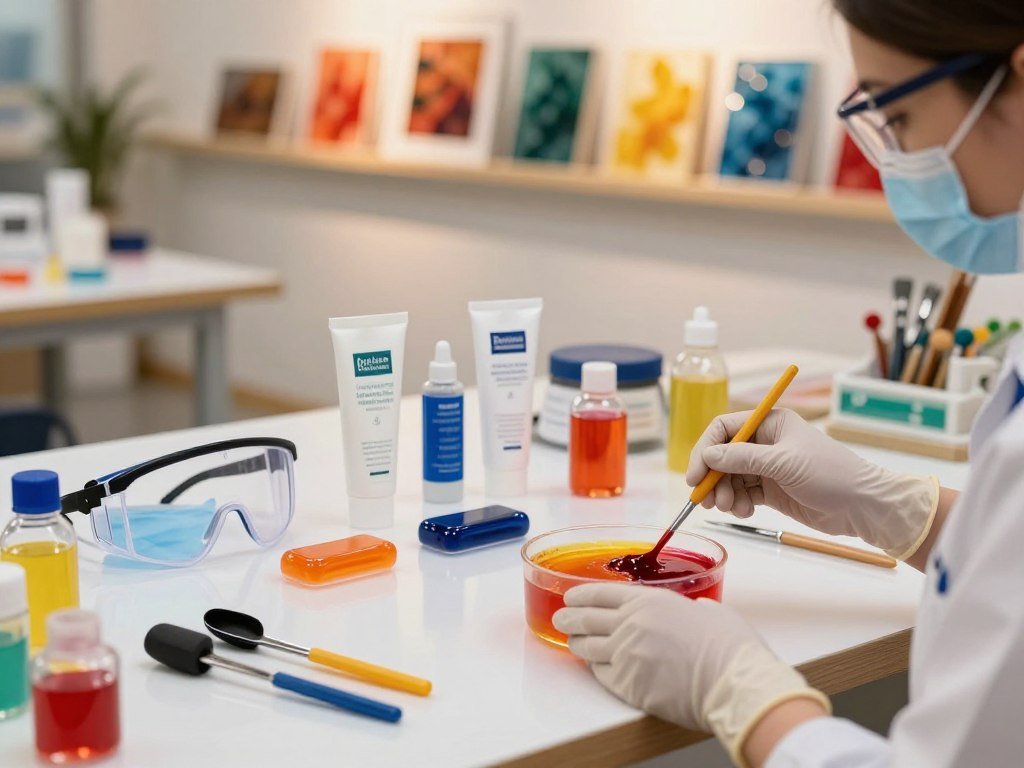
Recognizing Signs of Allergic Reactions
Your body often provides early warning signs when it reacts to chemical exposure. Common symptoms include redness, itching, or a burning sensation on the affected area. In some cases, you might notice small bumps or swelling that appear shortly after contact.
If you notice these symptoms, stop working immediately. It is important to monitor your skin closely, as allergic reactions can sometimes worsen over time. Ignoring these early signals may lead to more severe skin conditions later.
What to Do If Resin Touches Your Skin
If you accidentally get resin on your skin, stay calm and act quickly. Wash the area thoroughly with lukewarm water and mild soap for several minutes. Avoid using harsh solvents like alcohol or acetone, as these can strip your skin’s natural oils and actually help the chemicals penetrate deeper into your pores.
After washing, pat the area dry gently with a clean towel. If irritation persists, seek medical advice to ensure you are treating the area correctly. Following these resin art health guidelines helps you manage accidental exposure safely and effectively.
The Dangers of Long-Term Exposure
Repeated, unprotected contact with resin can lead to a condition known as sensitization. Once your body becomes sensitized, even tiny amounts of resin may trigger an immediate allergic reaction. This can effectively end your ability to work with these materials safely.
Chronic dermatitis is another risk associated with long-term exposure. By maintaining strict safety protocols, you protect your skin from becoming overly sensitive. Use the following table to understand how different protective measures compare in your studio.
| Protection Method | Effectiveness | Best Use Case |
|---|---|---|
| Nitrile Gloves | High | Daily mixing and pouring |
| Barrier Creams | Moderate | Secondary layer of defense |
| Long-Sleeved Aprons | High | Preventing accidental splashes |
| Immediate Washing | Essential | Post-contact emergency response |
Safe Disposal of Resin Waste
Responsible disposal of resin waste is essential for every artist. Implementing consistent resin art safety measures ensures that your creative process remains healthy and sustainable for both you and your environment.
Handling Uncured Resin Residue
Never throw liquid resin directly into the trash or pour it down the drain. Liquid resin is considered a chemical hazard and must be fully cured before it can be safely discarded.
The best practice is to allow any leftover resin in your mixing cups to harden completely. You can leave the cups in a well-ventilated area until the material becomes solid and inert. Once the resin is fully cured, it is generally safe to dispose of it with your regular household waste.
Disposing of Contaminated Paper Towels and Cups
Paper towels, stir sticks, and mixing cups that have come into contact with uncured resin require careful handling. These items should be treated as chemical waste until they are no longer tacky.
Place these contaminated materials on a non-stick surface or inside a dedicated container in your workspace. Allow them to cure fully before moving them to your trash bin. Proper containment prevents accidental skin contact and keeps your workspace free from sticky residue.
Environmental Considerations for Resin Disposal
Protecting our ecosystem is a core part of responsible resin art safety measures. Chemicals found in resin can be harmful to water systems and local wildlife if they enter the sewage or drainage network.
Always check your local municipal guidelines regarding the disposal of chemical products. Some areas have specific hazardous waste collection programs for craft materials. By staying informed and acting with care, you ensure that your beautiful projects do not leave a negative footprint on the environment.
Fire Safety and Chemical Storage
Fire safety is often overlooked by many creators, yet it remains a vital component of your overall workshop security. Implementing proper resin art precautions helps you manage the inherent risks associated with reactive chemical compounds. By staying informed, you can transform your studio into a secure environment where creativity thrives without unnecessary danger.
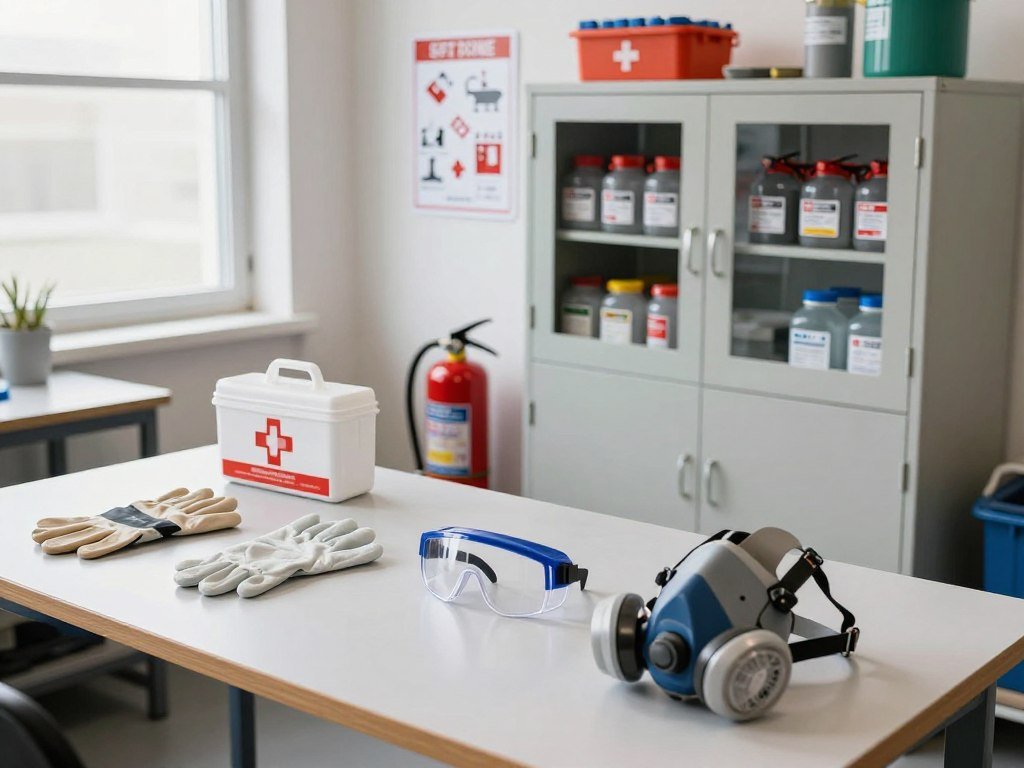
Preventing Exothermic Reactions
Epoxy resin undergoes a chemical process known as an exothermic reaction, which releases heat as it cures. If you mix too large a volume of resin at once, the heat can build up rapidly, potentially melting plastic containers or even causing smoke. Always mix only the amount you need for your current project to keep temperatures manageable.
To maintain safety, follow these guidelines:
- Never leave large batches of mixed resin unattended.
- Use silicone or metal mixing cups instead of thin plastic.
- Spread out excess resin in a thin layer if it begins to overheat.
Safe Storage Temperatures and Conditions
Chemical stability depends heavily on your storage environment. Most resins should be kept in a cool, dry place away from direct sunlight or extreme heat sources. Fluctuating temperatures can degrade the quality of your materials and compromise their chemical integrity over time.
Ensure your storage area meets these standards:
- Keep containers tightly sealed to prevent moisture contamination.
- Store chemicals on low shelves to minimize the risk of spills.
- Maintain a consistent room temperature, ideally between 65°F and 75°F.
Emergency Protocols for Spills and Fires
Even with the best resin art precautions, accidents can happen. Being prepared with a clear emergency plan is the best way to protect yourself and your home. If a spill occurs, use an absorbent material like cat litter or sand to contain the liquid before cleaning it up with proper protective gear.
In the event of a fire, never use water on a chemical fire, as this can spread the flames. Keep a Class B fire extinguisher nearby, which is specifically designed for flammable liquids. If a fire becomes unmanageable, evacuate the area immediately and contact emergency services to ensure your safety.
Working with UV Resin Safely
While UV resin cures in seconds, the process requires careful attention to light safety and air quality. Many artists appreciate the speed of this medium, but it is vital to remember that fast-curing chemicals still demand a cautious approach. Maintaining proper resin art ventilation is just as critical here as it is with traditional epoxy systems to ensure your workspace remains healthy.
Understanding UV Light Exposure Risks
UV lamps emit high-intensity light that can be harmful if you look directly at the source. Prolonged exposure to these rays may cause significant eye strain or even long-term damage to your vision. It is essential to treat these lamps with the same respect you would give to any industrial light source.
“Safety is not just a set of rules; it is a mindset that protects your creativity and your health for years to come.”
Safety Precautions for UV Lamps
To protect yourself, always use the protective shield provided with your curing lamp. If your lamp does not have a built-in cover, consider using a dedicated box to block stray light from reaching your eyes. You should also follow these basic guidelines:
- Never stare directly into the light while the lamp is active.
- Keep your hands away from the curing area to avoid accidental skin exposure.
- Use a timer to ensure you do not over-cure your pieces, which can release excess fumes.
Ventilation Requirements for UV Curing
Many beginners mistakenly believe that because UV resin cures quickly, it does not produce harmful vapors. In reality, the chemical reaction triggered by the light can release volatile organic compounds into the air. Consistent resin art ventilation is necessary to clear these fumes from your breathing zone immediately.
Ensure your workspace has a steady flow of fresh air, such as an open window or a dedicated exhaust fan. By prioritizing air quality, you create a sustainable environment where you can focus on your art without compromising your physical well-being.
Health Guidelines for Long-Term Resin Artists
Building a successful career in creative projects requires more than just artistic talent; it demands a firm commitment to your personal well-being. Adhering to professional resin art health guidelines is the secret to a lifelong, enjoyable crafting journey. By prioritizing your physical health today, you ensure that your passion remains a source of joy rather than a source of stress.
Scheduling Breaks to Reduce Exposure
One of the most effective ways to protect your body is by limiting the duration of your sessions. Continuous exposure to chemical vapors can lead to fatigue and respiratory irritation, even when using proper ventilation. We recommend stepping away from your workspace every 45 to 60 minutes to breathe fresh air.
Taking these breaks allows your body to recover and prevents the buildup of fumes in your immediate breathing zone. Think of these intervals as a necessary part of your creative process, not an interruption. Your lungs and nervous system will thank you for the extra recovery time.
Monitoring Your Health Over Time
Staying vigilant about your physical reactions is a core component of any safety plan. Keep a simple log of how you feel during and after your sessions to identify any patterns of sensitivity. If you notice persistent headaches, skin rashes, or throat irritation, it is time to re-evaluate your current safety protocols.
“True mastery in art is not just about the final piece, but about the health and longevity of the artist who creates it.”
Early detection of symptoms is vital for preventing long-term chemical sensitization. If you suspect that your health is being compromised, do not hesitate to consult with a medical professional. Following established resin art health guidelines means knowing when to pause and seek expert advice.
Creating a Sustainable Crafting Routine
A sustainable routine balances your creative output with rigorous safety habits. Consistency is key when you are working with reactive chemicals over many years. Use the following table to compare habits that support your long-term health against those that may pose risks.
| Habit Category | Sustainable Practice | Risky Behavior |
|---|---|---|
| Session Length | Short, timed intervals | Multi-hour marathons |
| Air Quality | Constant ventilation | Working in stagnant air |
| Personal Care | Daily health monitoring | Ignoring minor symptoms |
| Safety Gear | Regular equipment checks | Using worn-out filters |
By integrating these healthy habits into your daily workflow, you create a safer environment for your future projects. Remember that your health is the most valuable tool in your studio. Stay informed, stay protected, and continue to enjoy your craft for years to come.
Resin Art Precautions for Shared Living Spaces
When your creative studio is also your living room, you must prioritize the well-being of everyone under your roof. Implementing consistent resin art precautions is the best way to ensure that your hobby remains a positive experience for your entire household. By taking proactive steps, you can enjoy your craft without compromising the health of those you love.
Protecting Pets and Children from Fumes
Children and pets are naturally curious, which makes them particularly vulnerable to chemical exposure. You should always keep your workspace in a restricted area where little hands and paws cannot reach your materials. It is vital to remember that you should never eat or drink while handling resin, as accidental contamination can occur easily.
Ensure that your workspace is physically separated from common areas. If you are working in a multi-purpose room, consider using a portable partition or a dedicated cabinet to store your supplies securely. These resin art precautions help prevent accidental spills and keep curious family members at a safe distance from uncured chemicals.
Communicating Safety Rules to Household Members
Clear communication is the foundation of a safe shared environment. Take the time to explain to your family why certain areas are off-limits during your crafting sessions. Transparency helps everyone understand the importance of avoiding the workspace while you are mixing or pouring.
Consider posting a simple sign on the door or near your table to remind others that you are currently working with chemicals. When household members understand the risks, they are much more likely to respect your boundaries. This collaborative approach fosters a culture of safety that protects everyone in the home.
Cleaning Protocols After Crafting Sessions
A clean workspace is essential for maintaining a healthy living environment. After you finish your project, wipe down all surfaces with an appropriate solvent or cleaner to remove any invisible residue. Proper disposal of contaminated paper towels and mixing cups is just as important as the crafting process itself.
Never leave uncured resin or sticky tools out in the open where they might be touched by others. By following these resin art precautions, you ensure that your shared space remains safe and welcoming long after your creative session ends. Consistency in your cleaning routine is the key to long-term success.
Troubleshooting Common Safety Concerns
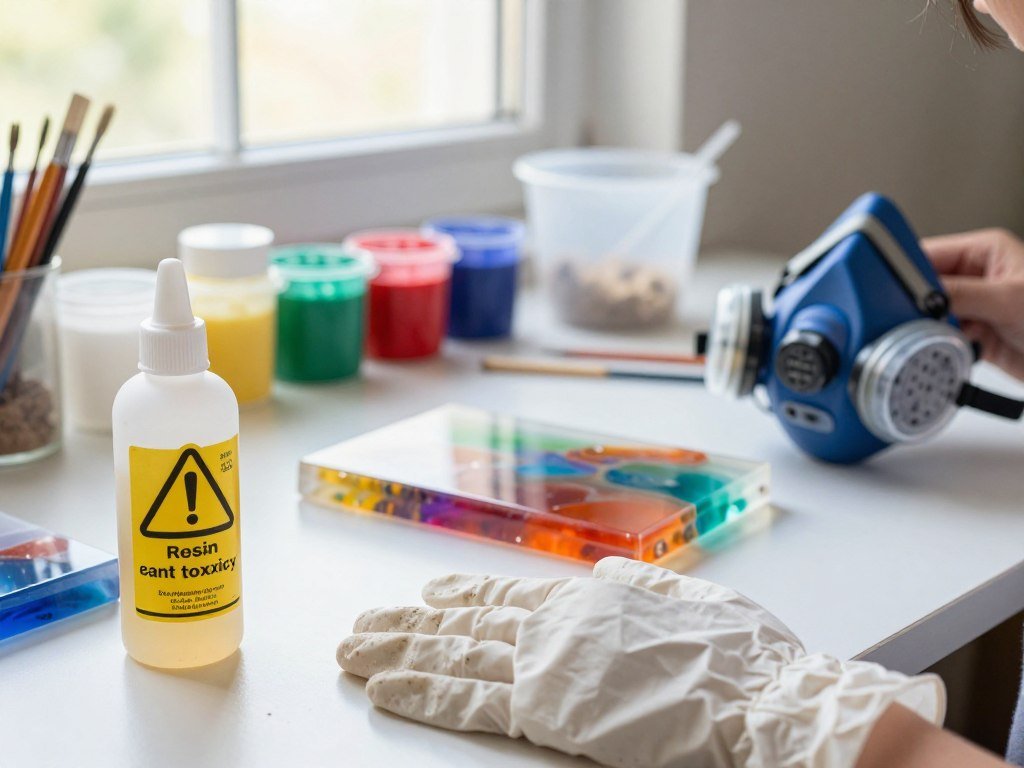
When you work with chemical mediums, knowing how to troubleshoot common safety concerns is essential. Even with the best preparation, unexpected issues can arise during your creative process. Applying practical resin art tips helps you maintain a secure environment while you focus on your projects.
Addressing Persistent Odors in the Workspace
If you notice lingering smells after your project has cured, your ventilation system may need an upgrade. Ensure that your exhaust fans are positioned to pull air away from your breathing zone. Proper airflow is the most effective way to dissipate chemical vapors quickly.
Consider using a high-quality air purifier equipped with an activated carbon filter. These filters are specifically designed to capture volatile organic compounds that standard dust filters miss. Keeping your workspace clean and sealing containers tightly will also prevent odors from accumulating over time.
Handling Accidental Ingestion or Eye Contact
Accidents involving direct contact with liquid resin require immediate action. If resin enters your eyes, flush them with clean, lukewarm water for at least fifteen minutes. Keep your eyelids open to ensure the water reaches all areas of the eye surface.
In the event of accidental ingestion, do not induce vomiting unless instructed by a professional. Contact your local poison control center immediately for specific guidance based on the product brand. Always keep the product label or Safety Data Sheet nearby so you can provide accurate information to emergency responders.
When to Consult a Medical Professional
Recognizing the early signs of resin art toxicity is vital for your long-term health. If you experience persistent headaches, dizziness, or skin rashes that do not improve, stop your work immediately. These symptoms may indicate that your current safety measures are insufficient for your specific sensitivity levels.
Seek medical attention if you experience difficulty breathing or if eye irritation persists after thorough rinsing. It is better to be cautious when dealing with chemical sensitivities. A doctor can provide a professional assessment and help you determine if you need to adjust your crafting habits.
| Emergency Type | Immediate Action | Follow-up Step |
|---|---|---|
| Eye Contact | Flush with water for 15 minutes | Seek medical evaluation |
| Skin Exposure | Wash with soap and water | Monitor for allergic reaction |
| Inhalation Issues | Move to fresh air | Consult a physician if symptoms persist |
| Ingestion | Call Poison Control | Follow professional medical advice |
Conclusion
Your artistic journey thrives when you prioritize a secure environment. Making safety a core part of your routine allows you to focus entirely on the joy of crafting beautiful pieces with brands like ArtResin or TotalBoat.
Consistent habits serve as the foundation for your long-term success. By integrating proper protective measures and disposal protocols into your daily workflow, you safeguard your health and your home.
Take pride in the care you put into your workspace. Every small step you take to manage fumes and handle materials responsibly builds a sustainable future for your hobby.
Share your experiences with fellow creators to foster a culture of wellness in the crafting community. Your commitment to these standards inspires others to pursue their passion without compromising their well-being.
Keep creating with confidence. Your dedication to safe practices ensures that your artistic expression remains a rewarding and healthy part of your life for years to come.
FAQ
Is resin art dangerous for beginners to do at home?
What is the most essential resin art protective gear I should buy?
Can I just open a window for resin art ventilation?
Why can’t I use a standard N95 dust mask when working with resin?
What are some quick resin art tips for managing skin sensitivity?
How should I dispose of leftover resin and contaminated tools?
Are there specific resin art precautions I should take if I have pets or children?
How do I avoid “flash curing” or dangerous exothermic reactions?

SmartLivingJournal
Prabir Dutta is a passionate digital creator, affiliate marketer, and wellness enthusiast who simplifies complex topics like AI tools, Vastu, pet care, and modern living. With a keen eye for SEO, tech trends, and everyday health solutions, he writes to empower readers with actionable, smart-living insights. When not curating content across his network of niche blogs, Prabir enjoys exploring new digital tools that make life easier and more efficient.
Keep exploring Smart Living Journal
Discover more practical ideas on wellness, home living, plants, pets, routines, and smarter everyday upgrades.