
Did you know that nearly 90% of adults reach for their smartphones within ten minutes of waking up? This constant connectivity creates an environment where deep work feels nearly impossible. It is time to stop blaming yourself for a lack of willpower.
The truth is that You Don’t Have a Focus Problem – You Have a Distraction System. Modern digital landscapes are engineered to fragment your attention, making it difficult to maintain concentration throughout the day.
By shifting your perspective, you can view productivity as a design challenge rather than a personal failing. Implementing effective focus strategies requires intentional adjustments to your daily habits and environment. When we redesign our surroundings, we reclaim the mental space needed to thrive in a busy world.
Key Takeaways
- Recognize that attention struggles are often caused by environmental design, not personal weakness.
- Shift your mindset to view productivity as a structural challenge.
- Understand how digital environments are built to fragment your concentration.
- Apply intentional habits to counteract the effects of a distracting world.
- Use specific techniques to regain control over your daily workflow.
The Psychology of Why You Feel Unfocused
If you struggle to stay on task, it is likely because your surroundings are designed to pull you away. Many people blame themselves for a lack of willpower, but the reality is that our modern digital landscape is built to fragment our concentration. To improve focus, we must first stop viewing our inability to concentrate as a personal character flaw.
Understanding the Myth of the Focus Deficit
There is a pervasive belief that we are suffering from a collective decline in cognitive ability. We often label this as a “focus deficit,” assuming that our brains have simply lost the capacity for deep work. However, this perspective ignores the external pressures that make effective attention management nearly impossible in a standard office or home setting.
The truth is that your brain is functioning exactly as it was designed to. It is constantly scanning the environment for new information, threats, and rewards. When you struggle to stay on task, you are not failing; you are simply reacting to a world that treats your attention as a commodity.
How Your Brain Responds to Constant Stimulation
Modern smartphones and social media platforms are not neutral tools. They are engineered by teams of experts to exploit the way our brains process dopamine. These algorithms are specifically designed to capture and hold your attention through a series of psychological triggers:
- Variable Rewards: Much like a slot machine, apps provide unpredictable feedback that keeps you checking for more.
- Infinite Scrolling: By removing natural stopping points, platforms ensure you stay engaged for longer periods.
- Push Notifications: These alerts act as artificial interruptions that force your brain to switch contexts repeatedly.
This constant cycle of stimulation makes it difficult to maintain the mental clarity required for complex tasks. When you understand that your devices are actively working against you, you can begin to build a better system for attention management. By recognizing these biological and technological pressures, you take the first essential step to improve focus and reclaim your cognitive space.
Identifying Your Personal Distraction System
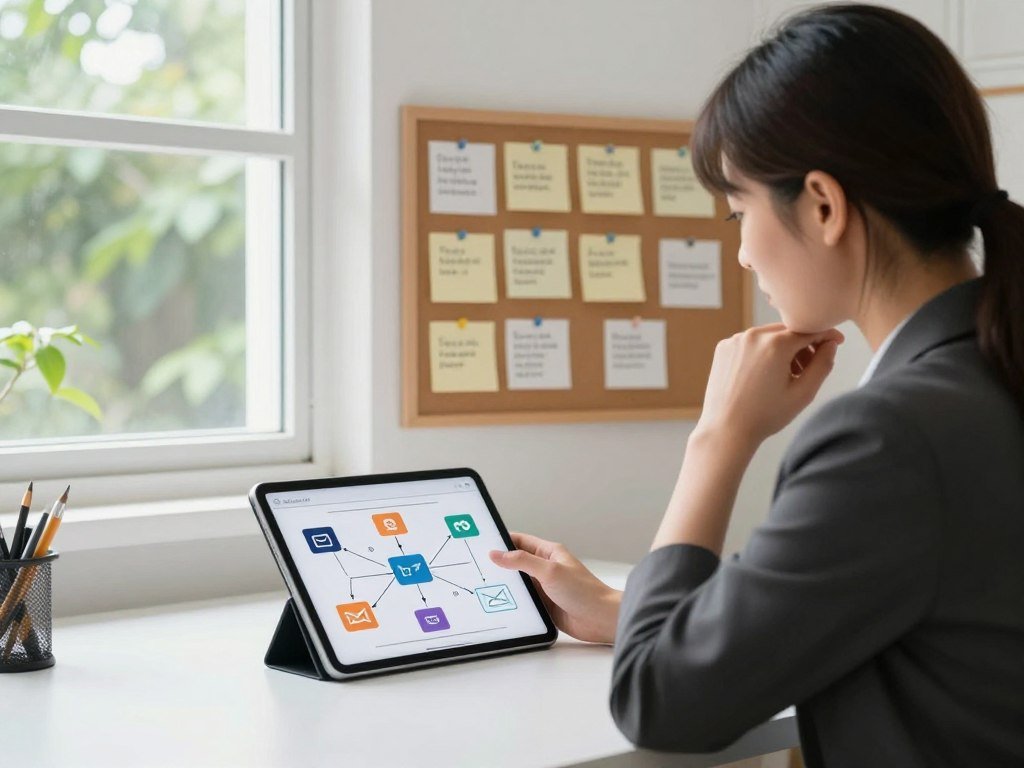
To regain control of your day, you must first understand the hidden architecture of your distractions. Many people view their lack of focus as a personal failing, but it is often just a predictable response to a poorly designed environment. By auditing your surroundings, you can finally eliminate distractions and reclaim your mental clarity.
Mapping Your Digital Environment
Your digital workspace is often the primary source of interruptions. Start by observing how many browser tabs you keep open or how often you check email notifications during a deep work session. These small, frequent interruptions create a fragmented state of mind that makes it nearly impossible to complete complex tasks.
- Identify the apps that send the most frequent, non-urgent alerts.
- Note the specific times of day when you feel the urge to check social media.
- Track how many times you switch between windows while working on a single project.
Recognizing Physical Triggers in Your Workspace
Your physical environment acts as a silent cue for your brain. If your desk is covered in unrelated paperwork or your smartphone is within arm’s reach, your brain will naturally gravitate toward those items. You must eliminate distractions by curating a space that only contains the tools necessary for your current objective.
Consider how your desk layout influences your behavior. A cluttered space often signals to your brain that multitasking is acceptable, which leads to lower quality work. By simplifying your physical surroundings, you create a clear path to deep, uninterrupted focus.
The Role of Emotional Avoidance in Distraction
Often, we reach for our phones not because we are bored, but because we are trying to escape a difficult emotion. When a task feels overwhelming or intimidating, our brains seek a quick hit of dopamine to overcome procrastination. Recognizing this pattern is the key to breaking the cycle.
| Task Type | Emotional Trigger | Common Distraction |
|---|---|---|
| Complex Project | Anxiety | Checking Email |
| Creative Writing | Fear of Failure | Social Media |
| Administrative Work | Boredom | News Sites |
When you feel the urge to switch tasks, pause and ask yourself what you are avoiding. By naming the emotion, you can effectively manage your response and overcome procrastination before it derails your progress. Understanding these internal triggers is just as important as managing your external environment.
Step One: Audit Your Digital Ecosystem
Before you can reclaim your time, you must first understand exactly where it is disappearing. Many of us feel overwhelmed by our devices, yet we lack a clear picture of our daily habits. Taking an honest look at your usage is the most effective way to reduce screen time and regain your focus.
Tracking Your Screen Time and App Usage
Start by checking the built-in analytics on your smartphone. Tools like Apple’s Screen Time or Android’s Digital Wellbeing provide a breakdown of exactly how many hours you spend on specific apps. Do not be surprised if the numbers are higher than you expected.
This data serves as your baseline. When you see the hard numbers, you can begin to practice digital minimalism by intentionally choosing which tools deserve your limited attention. Much like how locking up phones in schools has been shown to increase student engagement, removing constant access to your device can help you reconnect with your work.
Identifying High-Friction vs. Low-Friction Distractions
Not all apps are created equal. You should categorize your digital tools based on how much effort it takes to access them and how much value they provide. High-friction distractions are those that require extra steps to open, while low-friction apps are designed to keep you scrolling endlessly.
“The most dangerous distractions are the ones that feel like work but offer no real progress.”
By identifying which apps are low-friction, you can create barriers that make it harder to fall into mindless habits. This simple shift helps you reduce screen time without feeling like you are losing your connection to the world.
Categorizing Notifications by Urgency and Importance
Your notifications are often the biggest culprit behind a fragmented day. To manage them better, try sorting your alerts into three distinct categories:
- Urgent and Important: Direct messages from family or critical work alerts.
- Important but Not Urgent: Emails that require a thoughtful response later.
- Neither: Social media updates, news alerts, and promotional notifications.
Once you have categorized these, turn off all notifications that fall into the “neither” group. Embracing digital minimalism means you decide when to check your information, rather than letting your phone decide for you.
Step Two: Redesigning Your Physical Workspace
Your physical surroundings act as a silent command center for your brain’s focus levels. When your environment is chaotic, your mind struggles to find a rhythm. By focusing on workspace optimization, you can transform your desk into a place that naturally encourages deep concentration.

Removing Visual Clutter That Signals Multitasking
Visual noise is one of the biggest enemies of productivity. When your desk is covered in random papers, gadgets, and unrelated items, your brain constantly processes these objects as potential tasks. This creates a subconscious urge to switch between projects, which makes it difficult to eliminate distractions.
To fix this, try the following steps to clear your field of vision:
- Clear your desk surface of everything except the tools needed for your current task.
- Store cables and chargers out of sight to reduce visual friction.
- Keep only one project file or notebook open at a time.
Creating Dedicated Zones for Deep Work
Your brain thrives on environmental cues. If you use the same chair for gaming, eating, and working, your mind will struggle to switch into “deep work” mode. Establishing a specific zone for high-focus tasks helps your brain recognize that it is time to perform.
You do not need a massive office to create these zones. Even a small corner of a table can serve as a dedicated focus area. When you sit in that specific spot, your brain learns to associate the location with productivity rather than leisure.
The Importance of Ergonomics in Sustaining Attention
Physical discomfort is a major distraction that often goes unnoticed. If you are constantly shifting in your chair or straining your neck to see your monitor, your brain spends energy managing that discomfort instead of focusing on your work. Proper workspace optimization ensures that your body remains comfortable for longer periods.
Investing in a supportive chair or adjusting your screen height can help you eliminate distractions caused by physical fatigue. When your body feels supported, your mind is free to engage in complex tasks without the constant interruption of physical aches.
Step Three: Implementing Friction to Break Bad Habits
Building a focused life is often about making the wrong choices inconvenient and the right choices effortless. When you introduce intentional friction into your digital environment, you stop relying on sheer willpower to stay on task. This approach is a cornerstone of robust productivity systems that actually stand the test of time.
Using App Blockers to Create Intentional Barriers
Software tools like Freedom or Cold Turkey act as digital gatekeepers for your attention. By scheduling blocks on social media or news sites during your peak work hours, you remove the temptation to check updates impulsively. These tools help you consciously choose when to engage with the internet, allowing you to successfully build focus habits that last.
The Power of Physical Distance from Your Smartphone
Sometimes the most effective technology strategy is to remove technology entirely. Keeping your smartphone in another room while you work creates a physical barrier that prevents mindless checking. When your phone is out of sight, your brain is less likely to trigger the dopamine loop associated with constant notifications.
Modifying Browser Settings to Prevent Mindless Browsing
Your web browser is often the primary gateway to distraction. You can reduce this by removing distracting bookmarks from your toolbar or using extensions that replace your “new tab” page with a simple, neutral background. These small adjustments to your productivity systems make it significantly harder to fall into a cycle of aimless clicking. By curating your digital space, you make it much easier to build focus habits that support your long-term goals.
Step Four: Establishing a Ritual for Deep Work
Think of your daily start-up process as a psychological gateway to your most productive hours. Rituals act as a powerful bridge that helps you transition from a distracted state into a state of high-intensity work. By mastering these deep work techniques, you can ensure that your brain is ready to perform at its peak the moment you sit down.

Defining Your Start-Up Routine
A consistent routine removes the friction of deciding what to do first. When you follow the same sequence of actions every morning, you reduce decision fatigue and conserve mental energy for complex tasks. These focus strategies help you signal to your brain that the time for play or distraction has ended.
Your routine might include simple actions like clearing your desk, putting on noise-canceling headphones, or brewing a cup of coffee. The goal is to create a predictable pattern that your mind eventually associates with productivity.
Setting Clear Objectives Before You Begin
Before you dive into your work, you must define exactly what success looks like for the session. Without a clear target, it is easy to drift into low-value tasks that feel busy but lack impact. Applying effective deep work techniques requires you to identify one or two high-priority goals before you even open your laptop.
“The successful warrior is the average man, with laser-like focus.”
Write these objectives down on a physical notepad to keep them visible. This simple act of documentation creates a tangible commitment that keeps you anchored when your attention starts to wander.
The Role of Environmental Cues in Triggering Focus
Your physical surroundings play a massive role in how your brain processes information. By utilizing specific environmental cues, you can create a reliable trigger that signals it is time to execute your focus strategies. These cues act as silent commands that prepare your nervous system for deep concentration.
- Lighting: Use a dedicated desk lamp to illuminate your workspace while keeping the rest of the room dim.
- Sound: Play the same instrumental playlist or ambient noise track every time you start a deep work session.
- Scent: Use a specific essential oil or candle that you only use when you are working on high-priority projects.
Consistency is the key to making these cues effective. Over time, your brain will learn to enter a state of flow almost automatically once these environmental conditions are met.
Step Five: Managing Your Energy Instead of Your Time
True productivity is not about squeezing more hours into your day, but about aligning your work with your natural energy levels. When you manage energy effectively, you stop fighting against your own biology and start working in harmony with it. This shift is essential to overcome procrastination and maintain high performance throughout the week.
Identifying Your Peak Productivity Hours
Everyone has a unique internal clock that dictates when they feel most alert and creative. To find your rhythm, track your energy levels for three days. Note when you feel sharp and when you feel sluggish.
- Morning: Many people find their peak focus shortly after waking.
- Afternoon: A common dip often occurs after lunch.
- Evening: Some individuals experience a second wind later in the day.
Scheduling Demanding Tasks During High-Energy Windows
Once you identify your peak hours, protect them fiercely. Use these windows for your most complex projects that require deep concentration. By tackling difficult tasks when your brain is most capable, you naturally overcome procrastination because the work feels less like a struggle.
Keep your administrative tasks, such as answering emails or filing reports, for your low-energy periods. This strategy ensures that you manage energy where it matters most. You will find that your output increases significantly without adding extra hours to your schedule.
Recognizing When to Step Away and Recharge
Pushing through fatigue is a recipe for burnout and diminished quality of work. If you notice your focus slipping, it is a clear signal that your battery is low. Stepping away for a short break allows your brain to reset and recover.
Try these quick recharge methods to restore your focus:
- Take a short walk outside to get fresh air.
- Practice deep breathing for five minutes.
- Step away from all screens to reduce mental clutter.
Remember, rest is not a sign of weakness; it is a strategic necessity for sustained success. By honoring your need for recovery, you ensure that you remain sharp for your next high-energy window.
Step Six: You Don’t Have a Focus Problem – You Have a Distraction System
You don’t have a focus problem – you have a distraction system, and it is time to dismantle it. Many people mistakenly believe that their inability to concentrate is a personal failure. In reality, your environment is likely engineered to pull your attention in a dozen different directions at once.

Reframing Your Relationship with Productivity
To change your output, you must first change how you view your daily workflow. Instead of viewing productivity as a test of your character, start viewing it as a mechanical process. When you stop relying on internal motivation, you can begin building productivity systems that support your goals automatically.
“We are what we repeatedly do. Excellence, then, is not an act, but a habit.”
Moving from Reactive Mode to Proactive Design
Most of us spend our days in a reactive state, constantly responding to emails, pings, and urgent requests. This cycle keeps your brain in a state of high alert, which drains your mental energy. By shifting to a proactive design, you take control of your surroundings before the day begins.
Proactive design means setting boundaries that protect your time. You decide when to check messages rather than letting notifications dictate your schedule. This simple shift transforms your workspace into a sanctuary for deep, meaningful work.
Why Systems Outperform Willpower Every Time
Willpower is a finite resource that depletes as the day progresses. If you rely solely on your ability to “just focus,” you will eventually run out of steam. Productivity systems, however, do not get tired or distracted by the latest social media trend.
| Feature | Willpower-Based Approach | System-Based Approach |
|---|---|---|
| Reliability | Low (Fluctuates daily) | High (Consistent) |
| Mental Load | High (Requires constant effort) | Low (Automated) |
| Sustainability | Short-term | Long-term |
| Outcome | Burnout | Steady Progress |
When you rely on a system, you remove the need for constant decision-making. You simply follow the path you have already laid out for yourself. This is the secret to maintaining high performance without the constant exhaustion of fighting your own impulses.
Step Seven: Mastering the Art of Single-Tasking
True productivity is not about doing more things simultaneously; it is about doing one thing exceptionally well. While many professionals pride themselves on their ability to juggle projects, this habit often leads to burnout and diminished quality. By shifting your focus to one task at a time, you unlock significant single-tasking benefits that allow for deeper engagement and faster completion times.
The Hidden Cost of Context Switching
Every time you shift your attention from one task to another, your brain pays a heavy price. This phenomenon, known as context switching, forces your mind to reload information and reorient itself to a new set of rules. It is not a seamless transition; instead, it creates a cognitive gap that drains your mental energy.
Research suggests that frequent switching can lower your effective IQ by several points during the workday. You might feel busy, but you are actually losing time to the friction of starting and stopping. Minimizing these shifts is essential for maintaining high-level performance.
Techniques for Maintaining Flow State
To achieve a state of deep work, you must protect your focus from unnecessary interference. Implementing deep work techniques allows you to enter a “flow state” where your output becomes both faster and more creative. Start by setting a timer for a specific block of time dedicated to a single, high-priority objective.
During this period, silence all non-essential notifications and clear your physical desk of unrelated items. When you commit to a single task, you remove the mental clutter that prevents you from reaching your peak potential. This intentional approach transforms how you interact with your daily workload.
How to Handle Interruptions Gracefully
Interruptions are inevitable in any modern office or remote environment. The key is not to eliminate them entirely, but to manage them with a structured response. When a colleague or a new request pulls you away, acknowledge the interruption and quickly note where you left off.
By writing down your next step before you address the distraction, you make it easier to jump back into your flow state later. This simple habit reduces the anxiety of losing your place and keeps your momentum intact. Consistency in this practice will eventually make single-tasking your default mode of operation.
| Feature | Multitasking | Single-Tasking |
|---|---|---|
| Cognitive Load | High and Exhausting | Low and Sustainable |
| Output Quality | Prone to Errors | High Precision |
| Completion Speed | Slow due to Switching | Fast and Efficient |
| Stress Levels | Increased Anxiety | Calm and Focused |
Step Eight: Building Resilience Against Digital Noise
In an era defined by constant connectivity, protecting your mental bandwidth is no longer optional. The sheer volume of data we encounter daily can easily overwhelm our cognitive resources, leading to burnout and fragmented attention. By intentionally filtering what you consume, you can regain control over your mental space.

Curating Your Information Diet
Just as your physical health depends on the food you eat, your mental clarity depends on the information you consume. You should treat your attention as a limited resource that deserves protection from low-quality content. Start by auditing your subscriptions, newsletters, and social media feeds to ensure they provide genuine value.
- Unsubscribe from newsletters that no longer serve your professional or personal goals.
- Mute accounts that trigger unnecessary stress or distraction.
- Prioritize long-form content that encourages deep thinking over short, reactive snippets.
Setting Boundaries with Communication Tools
Communication tools are often the biggest culprits behind a fragmented workday. While these platforms are designed to keep us connected, they frequently act as constant interruptions that prevent deep work. Establishing firm boundaries is the most effective way to maintain your focus throughout the day.
Consider implementing “office hours” for your messaging apps or email. By checking these tools only at scheduled intervals, you shift from a reactive state to a proactive one. This simple change helps you reduce screen time while ensuring that you remain responsive without sacrificing your productivity.
Practicing Digital Minimalism in a Connected World
True digital minimalism is about more than just deleting apps; it is about aligning your digital habits with your core values. When you remove unnecessary digital clutter, you create room for meaningful activities that do not involve a screen. This practice is particularly effective at lowering the anxiety often caused by constant social comparison.
Removing your phone from your immediate environment can significantly lower your stress levels. When you are not tethered to a device, you become more present in your physical surroundings. Embracing this lifestyle allows you to reduce screen time naturally, fostering a healthier relationship with the technology that defines our modern world.
Step Nine: Leveraging Accountability and Social Support
Social accountability transforms your solitary work habits into a shared commitment to excellence. When you work in total isolation, it becomes far too easy to succumb to the lure of digital noise. By utilizing accountability partners, you create a social contract that keeps your professional goals firmly in sight.
Finding a Focus Partner or Accountability Group
You do not have to navigate the path to productivity alone. A dedicated partner acts as a mirror, reflecting your progress and highlighting areas where you might be slipping. Whether you join a local mastermind or an online community, the goal is to find someone who values intentional work as much as you do.
- Look for peers who share similar professional ambitions.
- Schedule brief weekly check-ins to review your progress.
- Be honest about your struggles to build genuine trust.
Using Public Commitments to Stay on Track
There is a unique psychological power in declaring your intentions to others. When you announce your goals publicly, you move from internal motivation to external responsibility. This shift helps you prioritize single-tasking benefits, as you are now accountable to someone else for the quality of your output.
Sharing your daily objectives on a team channel or with a mentor forces you to be realistic. It prevents the common trap of over-committing to tasks that do not actually move the needle. Consistency becomes much easier when you know someone is waiting for your update.
The Benefits of Shared Deep Work Sessions
Shared deep work sessions, often called “body doubling,” are highly effective for maintaining focus. Even if you are working on different projects, the mere presence of another person creates a subtle pressure to remain on task. This environment naturally reinforces the single-tasking benefits you have worked so hard to cultivate.
These sessions provide a structured container for your most demanding work. You can use platforms like Focusmate or simply hop on a video call with a colleague to signal that it is time to work. By leaning on accountability partners, you ensure that your focus remains sharp and your distractions stay at bay.
Step Ten: Reviewing and Refining Your System
If you want to sustain your focus, you must treat your workflow like a dynamic experiment. A system is only as good as its ability to adapt to your changing needs and performance data. By staying flexible, you ensure that your habits remain effective in the long run.
Conducting Weekly Productivity Reviews
Set aside time each Friday to look back at your week. Ask yourself which tasks felt effortless and where you encountered the most friction. Consistent reflection is the secret to long-term success.

Adjusting Your Environment Based on Performance
Your surroundings should support your goals, not hinder them. If you notice specific triggers causing distraction, use workspace optimization to remove those barriers. Small changes to your desk or digital layout can lead to massive gains in output.
Celebrating Small Wins in Focus Consistency
Do not wait for a major project to finish before you acknowledge your progress. Celebrating small wins is essential to improve focus and keep your motivation high. When you recognize your own consistency, you build the mental momentum needed to stay on track.
Remember that your ability to improve focus is a skill that grows with practice. Keep refining your approach, and you will find that your system becomes a natural part of your daily life.
Common Pitfalls to Avoid During Your Transition
Even the best-laid plans for productivity can encounter unexpected obstacles during the initial transition phase. While you work to build focus habits, it is natural to face moments of doubt or friction. Recognizing these common traps early allows you to stay on course without losing your momentum.
Falling Back into Old Multitasking Habits
The brain often craves the false sense of accomplishment that comes with juggling multiple tasks. You might feel that checking emails while writing a report saves time, but this context switching actually drains your cognitive resources. Stay vigilant against the urge to open extra tabs or respond to non-urgent pings during your deep work sessions.
Over-Engineering Your Productivity System
Many people fall into the trap of spending more time organizing their tools than actually performing the work. If your system requires constant maintenance, it has become a distraction in itself. Keep your workflow simple and focus on the results rather than the complexity of your tracking methods.
Ignoring the Need for Rest and Recovery
True productivity is not about working longer hours, but about how you manage energy throughout the day. Skipping breaks leads to burnout and makes it harder to maintain your new routines. You must prioritize downtime to ensure your brain remains sharp and ready for high-impact tasks.
| Transition Habit | Impact on Progress | Recommended Action |
|---|---|---|
| Multitasking | High cognitive load | Practice single-tasking |
| Over-planning | Analysis paralysis | Focus on execution |
| Skipping breaks | Mental fatigue | Schedule recovery time |
| Rigid systems | System abandonment | Keep processes simple |
By staying aware of these pitfalls, you can effectively manage energy and ensure your new routines stick. Remember that consistency beats intensity every time. Continue to refine your approach as you build focus habits that support your long-term goals.
Conclusion
You now possess the tools to transform your daily habits into a structured path toward deep work. Mastering your attention management requires a shift from reactive browsing to intentional design. Your goals deserve your full energy rather than competing with the constant ping of a smartphone.
Unstructured phone access forces your most important projects to compete for second place in your brain. By limiting digital noise, you protect your ability to think clearly and produce high-quality results. Systems will always outperform willpower when you face the inevitable pull of modern technology.
Consider reaching out to accountability partners to sustain your progress over the long term. Sharing your journey with others creates a layer of support that keeps you aligned with your objectives. Small, consistent changes in your environment lead to massive improvements in your output.
Start your journey today by auditing one digital habit that drains your focus. You have the power to design a life where your attention belongs to you. Take control of your environment and watch your productivity reach new heights.
FAQ
Why does it feel nearly impossible to stay focused on a single task lately?
How can I begin to reduce screen time without feeling isolated?
What is an “information diet” and how does it help with focus?
Why is “single-tasking” better than multitasking for my productivity?
Can I really improve my focus just by changing my physical environment?
Why do systems outperform willpower when it comes to long-term success?

SmartLivingJournal
Prabir Dutta is a passionate digital creator, affiliate marketer, and wellness enthusiast who simplifies complex topics like AI tools, Vastu, pet care, and modern living. With a keen eye for SEO, tech trends, and everyday health solutions, he writes to empower readers with actionable, smart-living insights. When not curating content across his network of niche blogs, Prabir enjoys exploring new digital tools that make life easier and more efficient.
Keep exploring Smart Living Journal
Discover more practical ideas on wellness, home living, plants, pets, routines, and smarter everyday upgrades.