
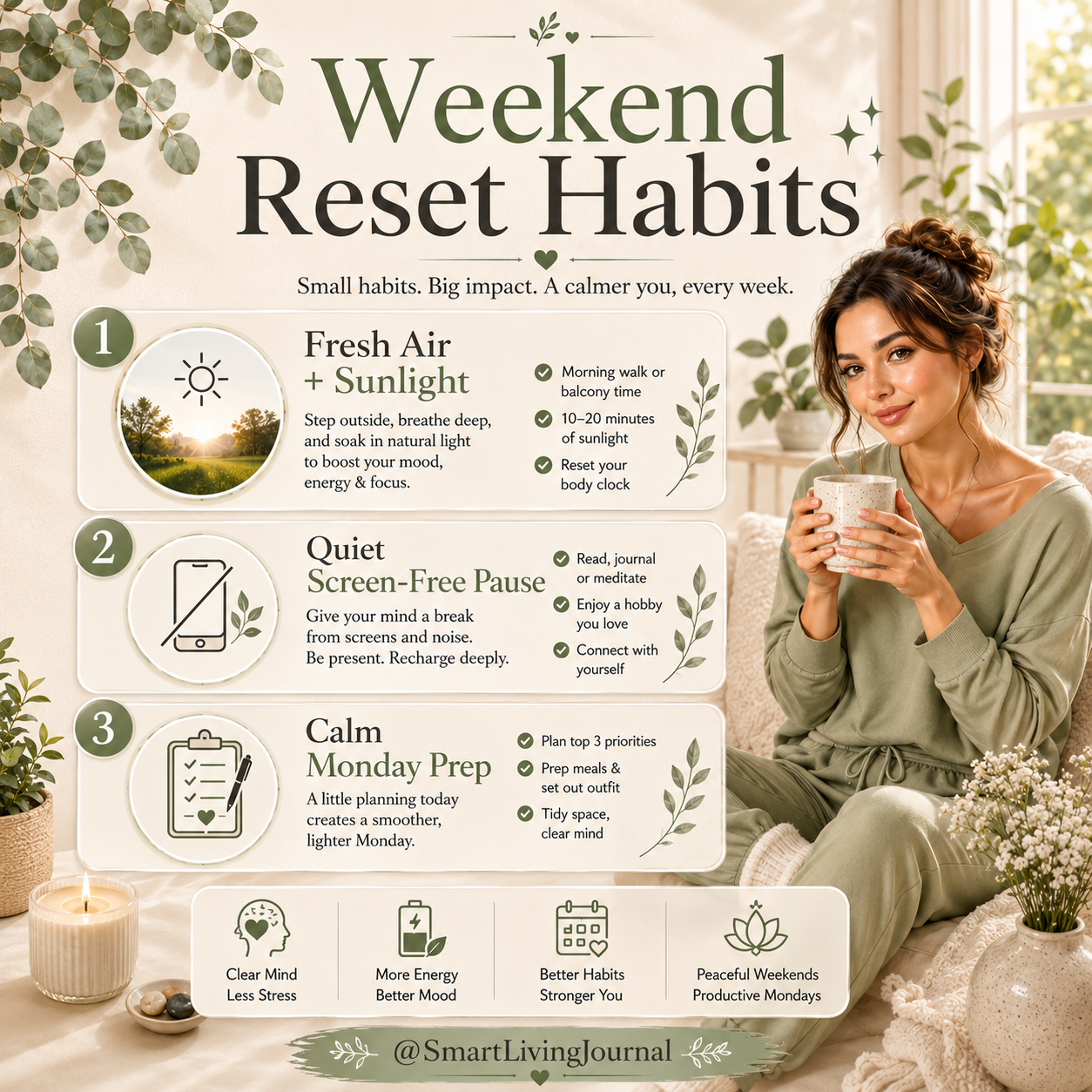
Did you know that nearly 70% of American professionals report feeling completely drained by Friday evening? This exhaustion often stems from neglecting our mental well-being during the work week. You do not need a luxury spa day to reclaim your vitality.
Instead, integrating brief, intentional actions can transform your downtime into a truly restorative experience. By focusing on a weekend reset: 3 micro self-care habits, you can effectively prevent burnout without feeling overwhelmed by complex wellness routines. These small shifts allow you to recharge your batteries and improve your overall quality of life with minimal effort.
Key Takeaways
- Small, intentional actions significantly reduce professional burnout.
- You can improve your energy levels without complex wellness routines.
- Consistency in minor activities leads to better long-term mental health.
- Focusing on simple rituals helps reclaim your personal time effectively.
- Quality of life improves when you prioritize restorative downtime.
The Importance of a Weekend Reset
If you feel exhausted by Sunday night, you are likely missing out on the restorative power of a proper weekend reset. Many of us treat our time off as a catch-up period for chores, but this approach often leaves us feeling drained before the new week begins. Prioritizing your mental health is not an indulgence; it is a fundamental requirement for sustained productivity.
Recent studies show that 62% of adults report skipping self-care at least three days a week. This trend is often driven by a lack of time or an underlying sense of guilt. When we ignore our need for rest, we inadvertently invite burnout into our daily lives.
Why Small Habits Lead to Big Changes
You do not need an entire day of luxury to see a difference in your well-being. Small, consistent actions often yield more significant results than sporadic, intense efforts. By integrating micro-habits into your routine, you create a sustainable rhythm that supports your long-term mental health goals.
These tiny adjustments act as anchors during a busy weekend. They allow you to reclaim your time without feeling overwhelmed by a massive to-do list. When you commit to these small wins, you build the momentum necessary to maintain your self-care practice even when life gets hectic.
Understanding the Science of Micro-Self-Care
The science behind these habits is rooted in how our brains process stress and recovery. Constant high-pressure environments can impair cognitive function, leading to decision fatigue and emotional exhaustion. Engaging in brief, intentional pauses helps reset your nervous system and improves your focus.
By choosing to prioritize your mental health through micro-habits, you are actively preventing the accumulation of stress. This scientific approach ensures that your time off is truly restorative. It transforms the weekend from a simple break into a powerful tool for personal growth.
Weekend Reset: 3 Micro Self-Care Habits
A truly restorative break is built on the foundation of consistent, bite-sized practices. By focusing on the Self-Care Triad—which includes restoring your energy, moving your body, and connecting with your surroundings—you can reclaim your peace of mind. Implementing these weekend self-care strategies allows you to transition from a hectic work week into a state of genuine relaxation.
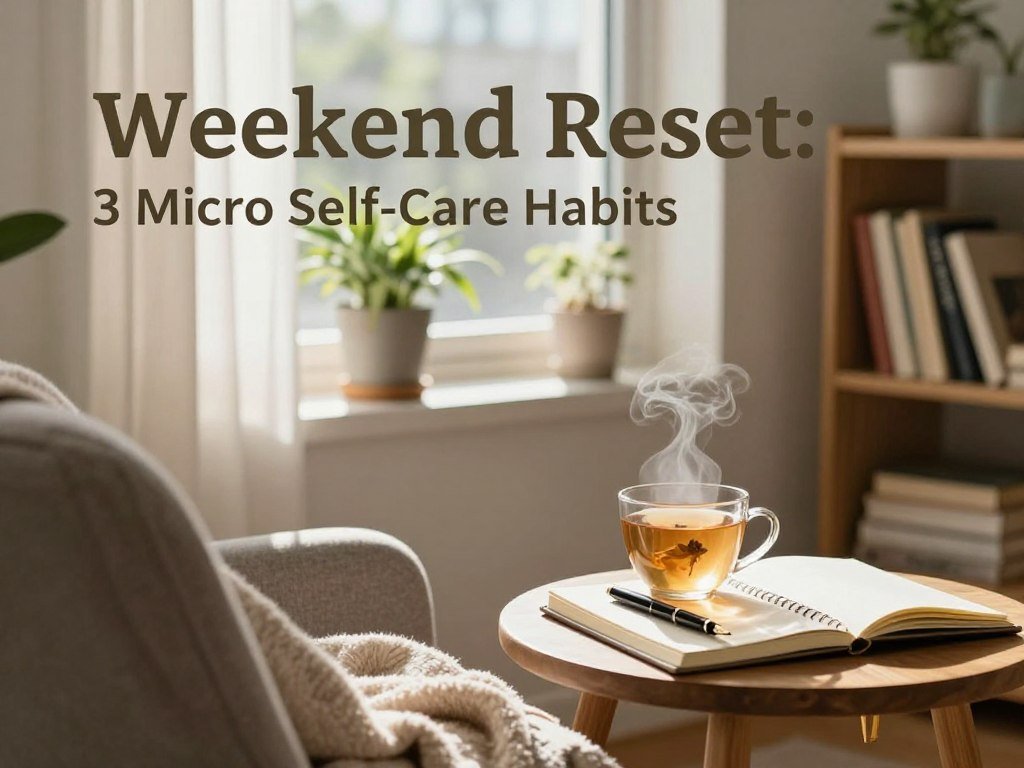
The Power of Intentional Decompression
Scientific research highlights that dedicating just 5 to 10 minutes of focused attention to your well-being can lower cortisol levels by up to 25%. This intentional decompression acts as a vital buffer against the stress accumulated during the week. When you consciously choose to slow down, you signal to your nervous system that it is finally time to recover.
These simple self-care tips are designed to be accessible, regardless of how busy your calendar looks. By prioritizing these brief moments, you create a sustainable rhythm that prevents burnout. You will find that even a short period of stillness can significantly improve your mood and mental clarity.
How Micro-Habits Fit Into a Busy Schedule
Integrating wellness into a packed weekend does not require a complete lifestyle overhaul. Instead, these micro-habits are meant to be woven into the gaps of your existing routine. Whether you are preparing a meal or enjoying a morning coffee, you can find small windows to restore and recharge.
Consistency is far more important than duration when it comes to your health. By committing to these small actions, you build a resilient mindset that carries you through the following week. Embracing these habits ensures that your time off remains both manageable and deeply restorative.
Micro-Habit One: The Five-Minute Mindful Morning
Imagine starting your day without the immediate rush of digital notifications. By dedicating just five minutes to yourself, you create a calm foundation for the entire weekend. This simple shift allows you to move away from reactive habits and toward intentional living.
Techniques for Grounding Your Senses
Grounding is one of the most effective mindfulness practices to center your thoughts. You can start by sitting quietly and identifying three things you can hear, two things you can touch, and one thing you can smell. This sensory focus pulls your brain out of future worries and anchors it firmly in the present moment.
These relaxation techniques do not require special equipment or a quiet studio. You can practice them while sitting on your bed or sipping a warm cup of coffee. The goal is to acknowledge your surroundings without judgment, allowing your nervous system to settle before the day gains momentum.
“The morning is the most important time of the day, because how you spend your morning can often tell you what kind of day you are going to have.”
Creating a Tech-Free Zone Upon Waking
Many of us reach for our phones before we even leave the bed. However, the blue light emitted by these devices suppresses the natural release of melatonin, which is essential for your body’s internal clock. By avoiding screens for the first few minutes, you protect your focus and prevent early-morning mental fatigue.
Establishing a tech-free zone helps you maintain a peaceful state of mind. Consider keeping your phone in another room or using an analog alarm clock to avoid the temptation of checking emails. This small boundary is a powerful way to prioritize your mental health over external demands.
| Habit Type | Primary Benefit | Time Required |
|---|---|---|
| Sensory Grounding | Mental Clarity | 2 Minutes |
| Deep Breathing | Stress Reduction | 2 Minutes |
| Tech-Free Start | Circadian Balance | 1 Minute |
Micro-Habit Two: The Midday Movement Break
Finding time for a quick movement break can significantly lower your stress relief goals during your time off. Many people view the weekend as a time to sit still, but active recovery is often more effective. By integrating short bursts of activity, you can maintain your energy levels throughout the day.
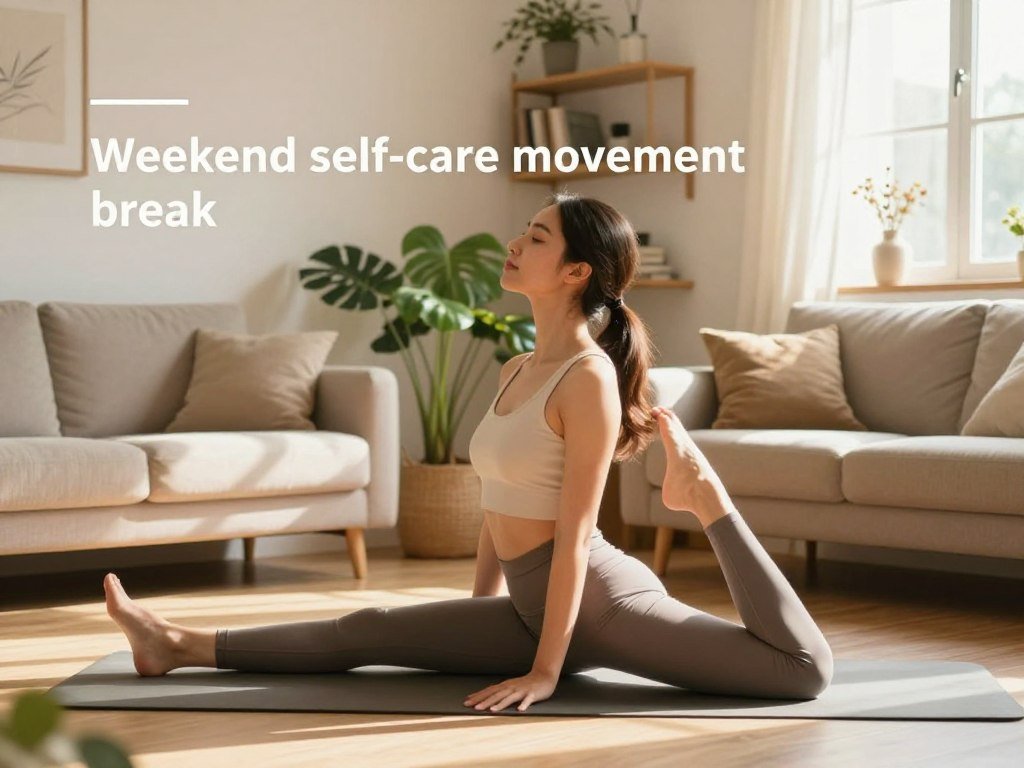
Gentle Stretching for Stress Relief
You do not need a gym membership to reap the physical benefits of movement. Simple, gentle stretching for just sixty seconds can make a world of difference. Research shows that these micro-breaks improve your emotional regulation by 15%.
Focus on areas where you hold tension, such as your neck, shoulders, and lower back. Taking deep breaths while you stretch helps signal to your nervous system that it is time to relax. This simple weekend self-care practice helps you reset your mind and body quickly.
Incorporating Nature into Your Weekend Routine
Stepping outside is one of the most effective ways to clear your head. Even a short walk around your neighborhood or a local park can provide a much-needed change of scenery. Fresh air and natural light work together to boost your mood and reduce mental fatigue.
Consider these simple ways to add movement to your weekend:
- Take a ten-minute walk without your phone to stay present.
- Practice light yoga poses in your backyard or on a balcony.
- Do a quick set of bodyweight movements while listening to your favorite music.
- Spend time gardening or tending to outdoor plants to combine movement with nature.
By making these small adjustments, you turn your weekend into a true restorative experience. Movement is not just about fitness; it is a vital tool for maintaining your overall well-being. Start small, stay consistent, and enjoy the benefits of a more active approach to your downtime.
Micro-Habit Three: The Evening Brain Dump
The evening brain dump is a simple yet transformative habit for your weekend routine. By offloading your thoughts onto paper, you create the mental space needed to truly unwind. This practice acts as a powerful reset button for your busy mind.
Journaling for Mental Clarity
Journaling is one of the most effective self-care tips for maintaining emotional balance. Research shows that journaling for just five minutes each morning—or evening—listing three things you are grateful for can reduce stress by 20% over four weeks. This consistent habit helps you process the day’s events and gain a fresh perspective.
“Writing is medicine. It is an appropriate approach to emotional healing and mental clarity.”
Preparing Your Mind for a Restful Sleep
To ensure a deep, restorative sleep, you must signal to your brain that the day is officially over. Incorporating specific relaxation techniques into your nightly routine can make a world of difference. Consider these simple steps to calm your nervous system:
- Write down your “to-do” list for tomorrow to stop late-night worrying.
- Practice deep breathing exercises for three minutes before turning off the lights.
- Keep your bedroom as a tech-free zone to improve sleep quality.
These self-care tips are designed to help you transition from a state of doing to a state of being. By clearing your mental clutter, you invite peace into your evening. Embracing these relaxation techniques ensures you wake up feeling organized and ready for the week ahead.
Overcoming Barriers to Consistent Self-Care
Breaking through the barriers to your personal wellness requires a shift in perspective. Many people struggle to maintain self-care because they view it as an indulgence rather than a necessity. When you treat your well-being like a mandatory doctor’s appointment, you prioritize your health over temporary guilt.

Managing Expectations and Perfectionism
Perfectionism is often the biggest enemy of progress. You might feel that if you cannot complete a full hour of meditation or a perfect workout, it is not worth doing at all. This all-or-nothing mindset creates unnecessary tension and prevents you from enjoying small wins.
To combat this, focus on consistency rather than intensity. Remember that even five minutes of stress relief can significantly impact your mood. Consider these strategies to keep your expectations realistic:
- Focus on small, achievable goals instead of grand gestures.
- Accept that some days will be less productive than others.
- Replace self-criticism with self-compassion when plans change.
Dealing with Weekend Social Pressures
Weekends are often filled with social obligations that can drain your energy. You may feel pressured to say yes to every invitation, even when you desperately need downtime. Protecting your time is a vital part of your self-care journey.
Learning to set boundaries is a powerful tool for maintaining your mental health. You do not need to justify your need for rest to others. By communicating your limits clearly, you create space for genuine stress relief without the weight of social anxiety.
“Boundaries are the distance at which I can love you and me simultaneously.”
Ultimately, prioritizing your needs allows you to show up as a better version of yourself for the people you care about. Stay firm in your commitment to your well-being, and do not let external expectations dictate your internal peace.
Building a Sustainable Wellness Routine
Building a routine that actually lasts means moving away from rigid rules and toward flexible living. True wellness routine success is not about perfection, but about consistency over time. When you prioritize ease, you make it much easier to keep your healthy habits alive during busy weeks.
Tracking Your Progress Without Stress
Many people feel overwhelmed when they try to measure their growth. Instead of using complex spreadsheets, try keeping a simple log of how you feel after your weekend self-care sessions. This low-pressure approach helps you notice patterns without the weight of judgment.
You might use a basic calendar to mark off days when you practiced your micro-habits. Remember that the goal is to celebrate small wins rather than hitting a perfect score every single time. Keeping things simple ensures that your tracking remains a helpful tool rather than a chore.
Adjusting Habits to Fit Your Lifestyle
Life is unpredictable, and your healthy habits should be able to bend with it. If a specific activity no longer serves your needs, feel free to swap it for something that brings you more joy or relief. Customizing your wellness routine is the best way to ensure it stays a permanent part of your life.
Listen to your body and mind when deciding how to spend your time. If you are feeling drained, a gentle stretch might be better than a high-energy activity. By staying flexible, you protect your self-care practice from becoming another source of stress.
| Approach | Focus | Outcome |
|---|---|---|
| Rigid | Strict adherence | High burnout risk |
| Flexible | Personal needs | Long-term success |
| Balanced | Consistent effort | Sustainable self-care |
Ultimately, your wellness routine is a personal journey that evolves as you do. Embrace the process of refining your healthy habits to match your current season of life. When you stay kind to yourself, you build a foundation that supports your well-being for years to come.
The Role of Mindfulness Practices in Long-Term Health
Your weekend habits serve as the foundation for your overall mental health and emotional stability. By choosing to slow down, you provide your nervous system with the necessary space to recover from the stresses of the work week. This intentional approach to rest is not just a luxury; it is a vital component of a sustainable lifestyle.

Connecting Physical Relaxation to Mental Well-being
Physical relaxation acts as a direct signal to your brain that it is safe to let go of tension. When you engage in mindfulness practices, you lower your cortisol levels and allow your body to enter a state of repair. This physiological shift is essential for processing complex emotions effectively.
It is important to remember that sleep deprivation can make it significantly harder to process your emotions. Without adequate rest, you become much more susceptible to feelings of anxiety and depression. Prioritizing physical stillness ensures that your mind remains resilient and capable of handling life’s daily pressures.
Cultivating a Positive Mindset for the Week Ahead
A positive mindset is not about ignoring challenges, but rather about approaching them with a sense of calm and clarity. By dedicating time on the weekend to reflect and reset, you build the emotional resilience needed to navigate the upcoming week. This proactive habit helps you maintain your mental health even when your schedule becomes demanding.
Consider using your weekend to visualize your goals and set intentions for the days to come. When you start your week from a place of groundedness, you are less likely to feel overwhelmed by sudden changes. Consistent mindfulness practices turn the weekend into a powerful tool for long-term personal growth and sustained happiness.
Conclusion
Prioritizing your well-being through micro-habits serves as a powerful way to reclaim your time and energy. You hold the power to transform your downtime into a period of genuine restoration.
Consistency remains the secret ingredient for success. By applying these healthy habits, you build a sustainable wellness routine that supports your physical and mental health throughout the week.
Small steps toward self-care lead to significant, lasting changes in your life. Start by picking one simple practice from this guide to try this coming Saturday.
Share your progress with friends or family to stay motivated. Your journey toward a balanced life begins with the choices you make today. Embrace the process and enjoy the renewed sense of clarity that follows.
FAQ
How can a weekend reset: 3 micro self-care habits actually improve my mental health?
Why is it important to include a tech-free zone in my weekend self-care routine?
Can just five minutes of movement really provide significant stress relief?
What are the best self-care tips for someone with a very busy weekend schedule?
How does an evening brain dump help me achieve better sleep?
How do I handle social pressure while trying to maintain my weekend reset?

SmartLivingJournal
Prabir Dutta is a passionate digital creator, affiliate marketer, and wellness enthusiast who simplifies complex topics like AI tools, Vastu, pet care, and modern living. With a keen eye for SEO, tech trends, and everyday health solutions, he writes to empower readers with actionable, smart-living insights. When not curating content across his network of niche blogs, Prabir enjoys exploring new digital tools that make life easier and more efficient.
Keep exploring Smart Living Journal
Discover more practical ideas on wellness, home living, plants, pets, routines, and smarter everyday upgrades.