
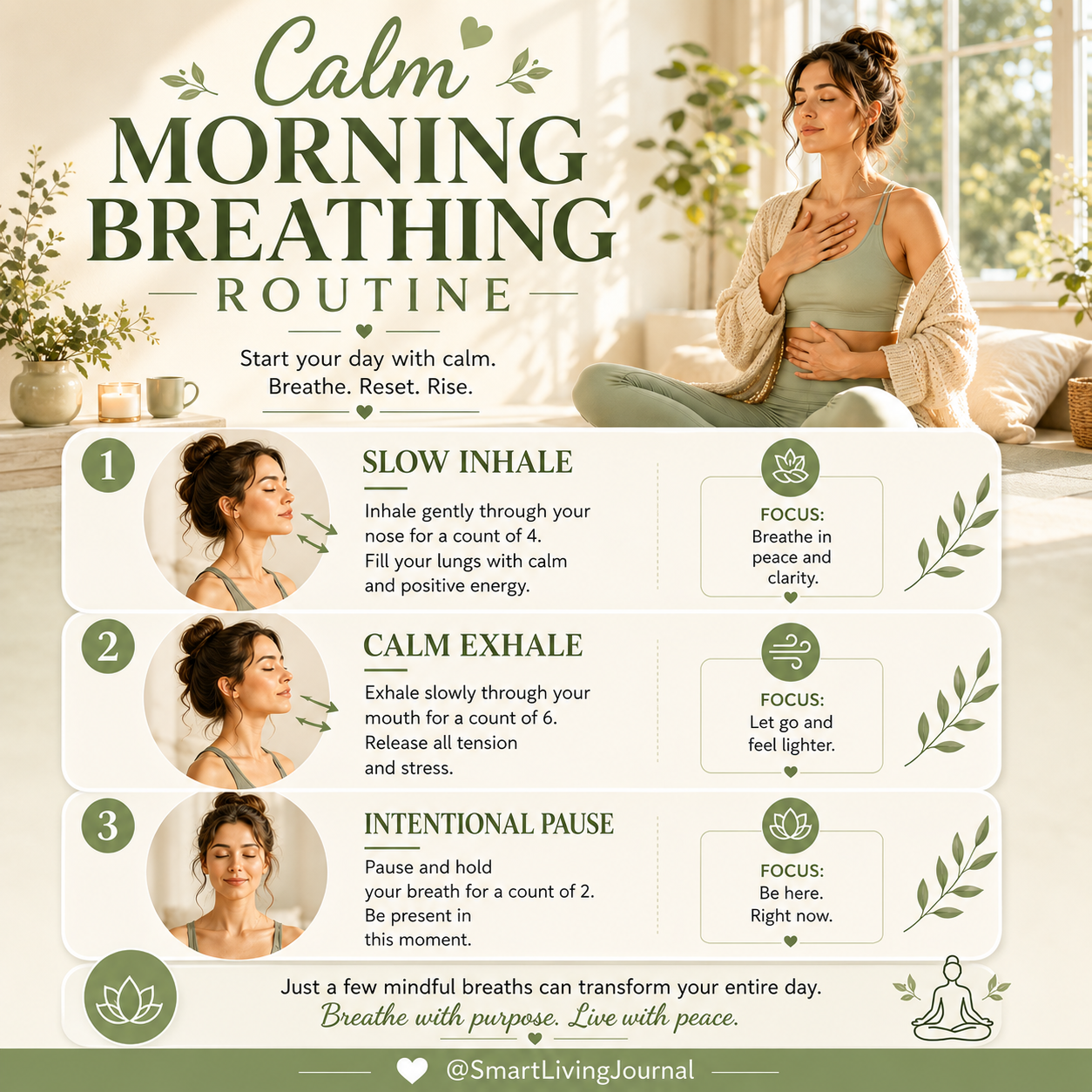
Did you know that the average person takes over 20,000 inhalations every single day without even noticing? Most of us rush through our early hours, letting stress dictate our mood before we even leave the house.
By dedicating just a few moments to intentional air intake, you can transform your outlook. Implementing 3 mindful breaths for calm mornings serves as a powerful anchor to ground your nervous system. This simple practice helps you cultivate a peaceful morning routine that sets a positive tone for everything that follows.
Consistency is the secret to long-term mental well-being. When you prioritize these quiet seconds, you build a foundation of resilience that lasts all day long.
Key Takeaways
- Intentional air intake reduces early stress levels effectively.
- Small habits create lasting improvements in daily mental health.
- Focusing on your rhythm helps ground your nervous system.
- A structured start improves your overall productivity and mood.
- Simple techniques are often the most sustainable wellness tools.
The Science Behind Morning Mindfulness
Science offers a compelling look at how simple breathing patterns influence our internal chemistry. When you engage in mindful breathing exercises, you are not just relaxing; you are actively signaling your brain to shift gears. This process helps transition your body from a high-alert state to a calm, focused baseline.
How Breathwork Affects the Nervous System
Your autonomic nervous system controls involuntary functions like heart rate and digestion. By practicing controlled breathing, you stimulate the vagus nerve, which acts as a brake for your stress response. This simple shift can lower your heart rate and reduce the physical symptoms of anxiety before you even leave your home.
“Mindfulness is the aware, balanced acceptance of the present experience. It isn’t more complicated than that.”
Research indicates that these techniques are highly effective for emotional regulation. By choosing to breathe deeply, you move away from the “fight or flight” mode that often dominates our busy mornings. This physiological reset creates a foundation of stability that lasts throughout the day.
| State | Heart Rate | Mental Clarity | Stress Level |
|---|---|---|---|
| Reactive | Elevated | Low | High |
| Mindful | Stable | High | Low |
| Balanced | Optimal | Clear | Minimal |
The Connection Between Morning Routine and Daily Productivity
A consistent mindful meditation practice does more than just calm your nerves. It trains your brain to maintain focus, which directly improves your decision-making capabilities. When you start your day with intention, you are better equipped to handle professional challenges with a clear head.
Integrating these habits into your morning routine fosters long-term cognitive benefits. You will likely notice that your ability to concentrate on complex tasks increases significantly. Ultimately, mindful meditation serves as a powerful tool for anyone looking to enhance their daily performance and overall mental well-being.
Preparing Your Space for a Peaceful Morning Routine
A dedicated space acts as a silent anchor for your morning calm routine. When you step into a specific area designed for stillness, your brain quickly learns that it is time to shift gears from sleep to wakefulness.
You do not need an entire room to make this happen. Even a small corner or a comfortable chair can serve as your personal sanctuary.
Creating a Dedicated Meditation Corner
Start by choosing a spot that feels quiet and free from household traffic. You might consider placing a soft cushion or a yoga mat there to signal that this is a place for intentional movement and breath.
Begin your practice with just 2 to 5 minutes daily in this space. As these exercises become more comfortable, you can gradually increase the duration to suit your needs.

Consistency is the secret to success. By returning to the same spot every day, you build a powerful habit that supports a peaceful morning routine.
The Role of Environment in Mental Clarity
Your surroundings directly influence your internal state. A cluttered room often leads to a cluttered mind, while a clean, intentional space fosters focus and calm.
“The environment is the invisible hand that shapes human behavior.”
To maximize your mental clarity, consider how different sensory elements impact your mood. The following table outlines how to optimize your space for better results.
| Element | Impact on Focus | Actionable Tip |
|---|---|---|
| Lighting | Regulates circadian rhythm | Use natural morning light |
| Sound | Reduces external noise | Try soft ambient soundscapes |
| Scent | Triggers relaxation | Use calming essential oils |
| Comfort | Prevents physical distraction | Choose a supportive seat |
Curating your surroundings helps you stay committed to your peaceful morning routine. When your environment is ready, your mind finds it much easier to settle into the present moment.
The First Breath: Grounding Yourself in the Present
Grounding yourself in the present moment begins with the very first breath you take upon waking. By choosing to pause before rushing into your daily tasks, you engage in a simple form of mindful meditation that sets a positive tone for the hours ahead. This initial act of awareness helps you transition smoothly from sleep to wakefulness without unnecessary tension.
Technique for Centering Your Thoughts
To effectively center your thoughts, you can utilize specific deep breathing techniques that require focus and physical engagement. Pursed-lip breathing is an excellent method to slow your pace and bring your attention inward.
- Inhale slowly through your nose for a count of two.
- Pucker your lips as if you are about to whistle.
- Exhale gently through your pursed lips for a count of four, applying deliberate effort to the release.
This rhythmic pattern forces you to concentrate on the physical sensation of air moving through your body. It effectively quiets the mental chatter that often starts the moment you open your eyes.
Why Grounding Matters Before Checking Your Phone
Many people make the mistake of reaching for their smartphone immediately upon waking. This habit exposes your brain to a flood of notifications, emails, and news that can trigger an instant stress response. By prioritizing a moment of mindful meditation first, you create a protective barrier against these digital stressors.
Grounding allows you to establish your own internal state before external demands dictate your mood. When you start your day with intention, you remain in control of your focus rather than reacting to the needs of others. This small shift in your morning routine can lead to a more balanced and productive day.
The Second Breath: Energizing Your Body and Mind
The second breath acts as a natural spark to ignite your energy levels for the day. After establishing a sense of presence, this phase of your routine helps you transition into a calm start to the day with renewed vigor.

Technique for Increasing Oxygen Flow
To truly energize your system, you must master diaphragmatic breathing, often called belly breathing. This method allows you to engage your diaphragm fully, which optimizes your lung capacity and improves oxygen circulation throughout your body.
Follow these simple steps to enhance your mindfulness practice:
- Place one hand on your chest and the other on your abdomen.
- Inhale deeply through your nose, ensuring your belly expands while your chest remains relatively still.
- Exhale slowly through pursed lips, feeling your abdomen gently contract as you release the air.
Combating Morning Grogginess Naturally
Many people reach for a second cup of coffee to shake off sleepiness, but deep breathing offers a healthier alternative. By increasing the oxygen supply to your brain, you can naturally boost your alertness and mental clarity.
This simple shift in your breathing pattern helps you feel refreshed without the jitters associated with excessive caffeine. Integrating this into your routine ensures a calm start to the day, providing the mental stamina needed to tackle your upcoming tasks with confidence.
The Third Breath: Setting Intentions for the Day Ahead
The third breath is where you transform your quiet morning state into purposeful action. After grounding your body and boosting your energy, this final step allows you to define exactly how you want to show up in the world. By using relaxation exercises, you clear the mental clutter that often clouds your judgment early in the day.
Technique for Visualizing Success
To begin, inhale deeply while imagining your most important goal for the day. As you exhale, visualize yourself completing that task with ease and confidence. This mental rehearsal primes your brain to recognize opportunities that align with your objectives.
Focus on the feeling of accomplishment rather than just the outcome. When you pair this visualization with steady, rhythmic breathing, you create a powerful anchor for your focus. This practice helps you stay proactive instead of reactive when faced with unexpected demands.
Aligning Your Breath with Your Daily Goals
A 2023 study reported that equal breathing for five minutes daily led to significant improvements in mood, anxiety, and negative emotions. By incorporating these relaxation exercises into your morning, you stabilize your nervous system before the workday begins. This balance is essential for maintaining high levels of cognitive performance.
Try to match the length of your inhale to the length of your exhale. As you breathe, silently state your primary intention for the day, such as “I am patient” or “I am focused.” This simple act of conscious alignment ensures that your internal state supports your external ambitions throughout the day.
Mastering 3 Mindful Breaths for Calm Mornings
You can transform your early hours by incorporating 3 mindful breaths for calm mornings into your daily schedule. This practice does not require a significant time commitment, as even a few moments of focused attention can shift your entire perspective. By learning to control your rhythm, you create a foundation of peace that carries you through the busiest tasks.
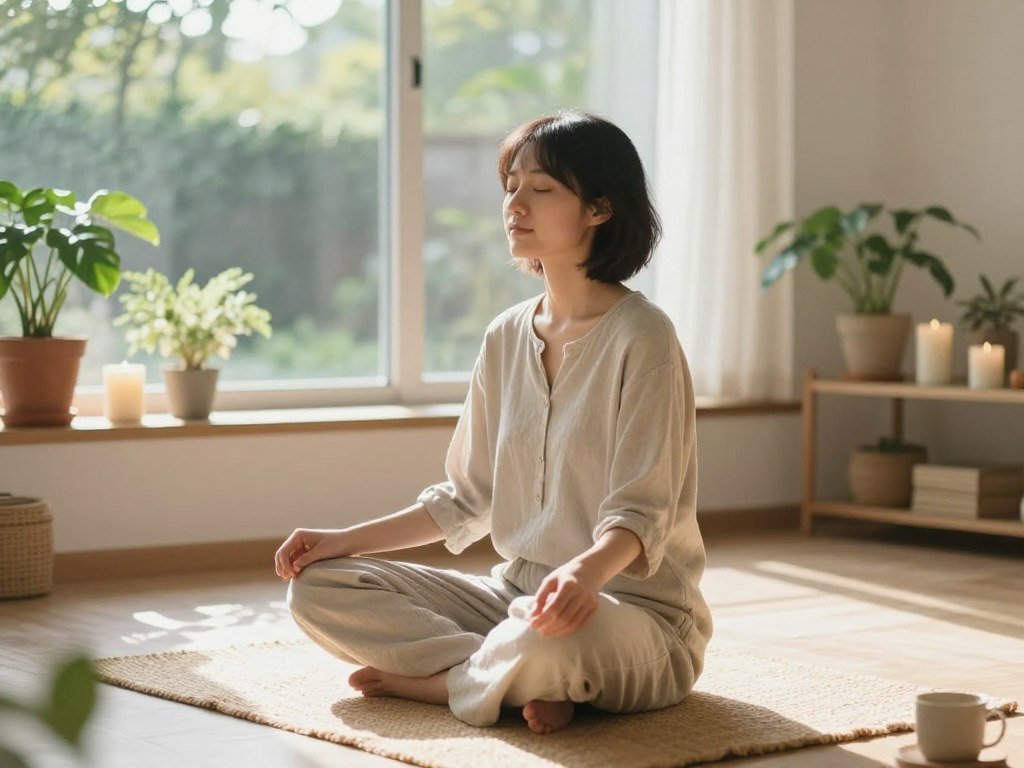
Step-by-Step Guide to the Full Sequence
To begin, find a comfortable seat where you can maintain an upright posture. Start with the first breath, which focuses on grounding your awareness in the present moment. This initial step helps you disconnect from the urge to check your phone or worry about upcoming deadlines.
Next, move to the second breath to energize your body and mind. Inhale deeply to increase oxygen flow, which naturally combats morning grogginess and sharpens your focus. Finally, conclude with the third breath by setting a clear, positive intention for the day ahead.
| Breath Type | Primary Goal | Physical Benefit |
|---|---|---|
| Grounding | Mental Presence | Reduced Anxiety |
| Energizing | Increased Alertness | Higher Oxygen Flow |
| Intention | Goal Alignment | Improved Clarity |
Tips for Consistency and Habit Formation
Consistency is the secret to making 3 mindful breaths for calm mornings a permanent part of your life. Try habit stacking by performing your breathing sequence immediately after a routine task, such as brushing your teeth or brewing your coffee. This anchors the new behavior to an existing habit, making it much easier to remember.
Keep your environment simple and free from distractions to ensure you stay focused. If you find yourself struggling to stay on track, consider using a gentle alarm or a visual reminder in your bedroom. By prioritizing these few minutes, you ensure that your day begins with purpose and lasting calm.
Common Challenges in Morning Breathing Exercises
It is perfectly normal to face a few bumps in the road when you begin your morning practice. Even the most experienced practitioners encounter days where their focus feels scattered or their schedule feels too demanding. Mindful breathing exercises are a skill, and like any other, they require patience and grace as you learn to navigate these common hurdles.
Overcoming a Wandering Mind
If you find your thoughts drifting toward your to-do list or yesterday’s stress, do not be hard on yourself. The goal is not to stop your thoughts entirely, but to gently notice when your mind has wandered. Once you recognize the distraction, simply bring your attention back to the rhythm of your breath.
Try labeling your thoughts as “thinking” and letting them pass like clouds in the sky. This simple shift helps you maintain a sense of calm during your mindful breathing exercises without feeling frustrated by a busy brain. Consistency is far more important than achieving a state of perfect silence.
Dealing with Time Constraints
Many people worry that they need a long, uninterrupted block of time to see results. In reality, even three to five minutes of intentional focus can significantly shift your mood and energy levels. You can easily integrate these practices into a busy morning by shortening the duration while keeping the quality of your focus high.
However, please pay close attention to your physical sensations during these sessions. If you notice persistent, shallow, or rapid breathing that does not resolve with relaxation, it may be a sign of an underlying health condition. In such cases, it is always wise to consult a medical professional to ensure your well-being. By staying aware of your body, you can safely enjoy the long-term benefits of your mindful breathing exercises every single day.
Integrating Mindfulness into Your Busy Schedule
Life often moves at a frantic pace, but your morning calm routine does not have to suffer. Even when your calendar is packed, you can find small windows of time to center yourself. Flexibility is the key to maintaining a consistent practice that supports your mental well-being.
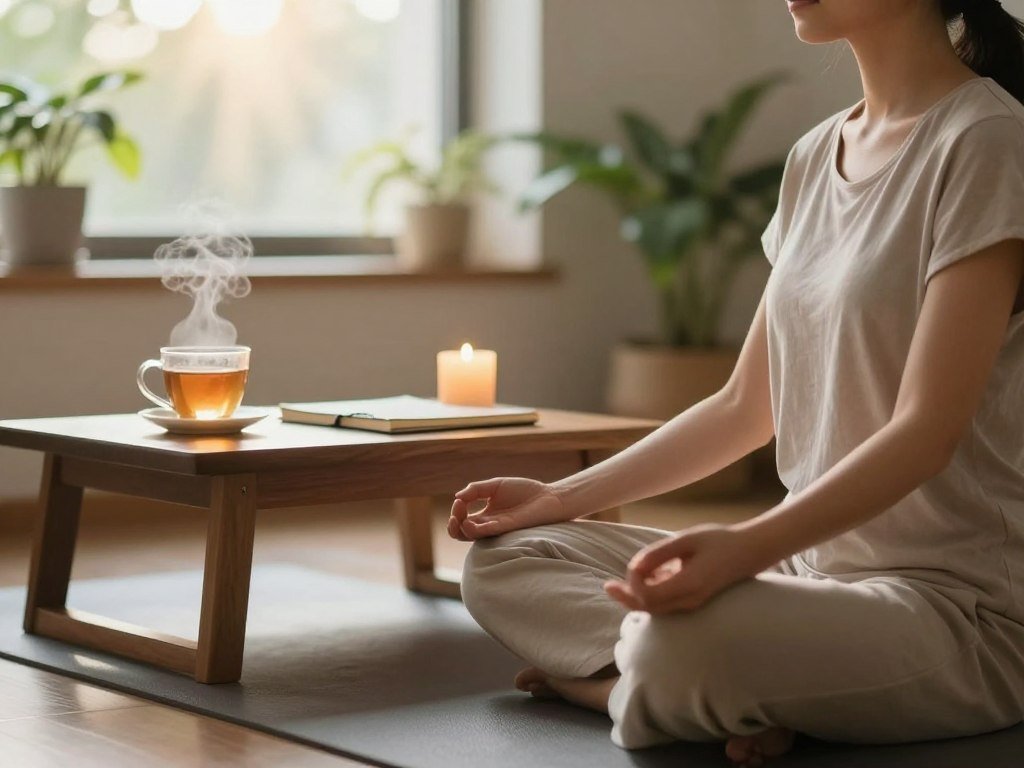
Shortening the Practice for High-Pressure Days
When you face a high-pressure morning, you do not need a long session to feel the benefits. You can condense your three mindful breaths into a thirty-second exercise. Simply focus on deep, intentional inhales and exhales while standing in your kitchen or sitting in your car.
This rapid approach helps you reset your nervous system without adding stress to your schedule. By prioritizing quality over quantity, you ensure that your morning calm routine remains a reliable anchor. Remember that even a single conscious breath can shift your perspective during a chaotic start.
Combining Breathwork with Other Morning Habits
Habit stacking is a powerful way to weave mindfulness into your existing day. You can practice your breathing while waiting for your coffee to brew or while brushing your teeth. These small moments become natural triggers for your brain to enter a state of focus.
By linking your breathwork to daily tasks, you remove the need to find extra time. This seamless integration makes it much easier to stay consistent over the long term. Below is a comparison of how you can adapt your practice to fit any schedule.
| Practice Type | Time Required | Best Environment | Primary Benefit |
|---|---|---|---|
| Full Session | 5-10 Minutes | Quiet Meditation Corner | Deep Mental Clarity |
| Micro-Session | 30-60 Seconds | Kitchen or Commute | Rapid Stress Relief |
| Habit Stack | During Routine Tasks | Anywhere | Consistent Habit Building |
Ultimately, the goal of a morning calm routine is to serve your needs, not to become another chore. Whether you have five minutes or thirty seconds, your commitment to mindfulness will pay off. Stay flexible, stay present, and enjoy the peace you create for yourself.
The Long-Term Benefits of a Consistent Practice
Establishing a daily rhythm of breathwork offers profound rewards for your mental well-being. By dedicating time each morning, you create a calm start to the day that ripples through your entire schedule. This consistency builds a foundation for lasting health and inner peace.
Emotional Regulation and Stress Reduction
When you practice regularly, your body learns to manage stress with greater ease. Research shows that resonant breathing at a rate of 5 full breaths per minute significantly boosts heart rate variability (HRV). Higher HRV is a clear sign of resilience, indicating that your nervous system can recover quickly from daily pressures.
Utilizing deep breathing techniques helps you stay grounded even when life feels chaotic. Over time, this practice lowers your baseline stress levels, making you less reactive to minor frustrations. You will find that your emotional responses become more balanced and thoughtful.
Improving Focus and Cognitive Performance
A consistent routine does more than just soothe your nerves; it sharpens your mind. By training your brain to focus on the breath, you enhance your ability to concentrate on complex tasks throughout the afternoon. This mental clarity is a direct result of the calm start to the day you cultivate each morning.
Integrating these deep breathing techniques into your life acts as a reset button for your cognitive functions. You will likely notice improved memory, better decision-making, and a sustained sense of alertness. The following table outlines how these long-term habits compare to sporadic practice.
| Benefit Category | Sporadic Practice | Consistent Practice |
|---|---|---|
| Stress Resilience | Temporary relief | High HRV and calm |
| Mental Focus | Short-term clarity | Sharpened cognitive flow |
| Emotional State | Reactive | Balanced and stable |
| Daily Energy | Fluctuating | Steady and sustained |
Recommended Tools to Enhance Your Mindfulness Practice
Integrating external tools into your morning routine can transform a simple habit into a profound experience. While the core of your mindfulness practice relies on your own awareness, technology and sensory aids can provide the structure needed to stay consistent. These resources act as gentle guides, helping you navigate your thoughts when your mind feels particularly busy.
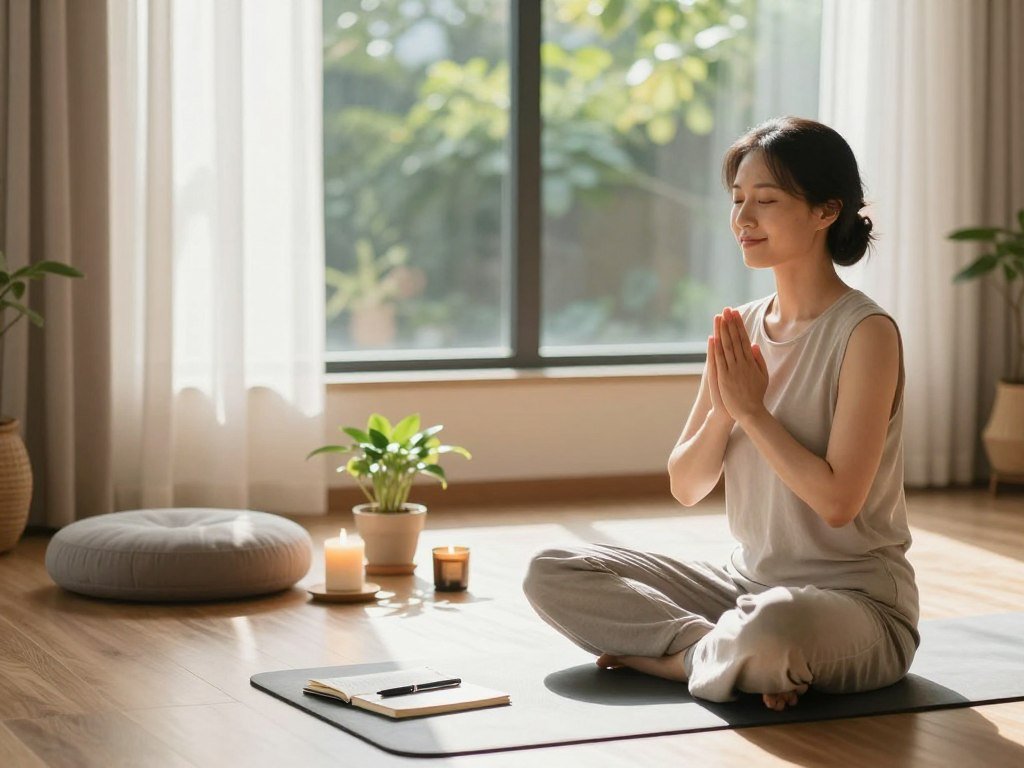
Using Guided Meditation Apps
Guided meditation apps offer a structured path for those who prefer a bit of direction during their morning sessions. Platforms like Headspace, Calm, or Insight Timer provide curated sequences that cater to all experience levels. By following a teacher’s voice, you can easily anchor your attention and deepen your mindfulness practice without feeling lost.
These apps often include progress tracking, which can be a great motivator for beginners. Knowing that you have completed a streak of sessions encourages you to show up for yourself every single day. Consistency is the key to long-term mental clarity and emotional balance.
The Benefits of Using Essential Oils or Soundscapes
Creating a sensory-rich environment can make your morning routine feel more luxurious and intentional. Using essential oils like lavender or eucalyptus can signal to your brain that it is time to shift into a state of calm. This simple act helps you physically transition from sleep to a focused, alert state.
Similarly, incorporating ambient soundscapes or nature recordings can mask distracting household noises. Whether you prefer the sound of gentle rain or soft instrumental music, these audio cues help you maintain your mindfulness practice in any setting. Investing in your environment is a powerful way to ensure your morning remains a peaceful sanctuary.
Conclusion
Your daily journey begins the moment you open your eyes. Choosing to dedicate a few minutes to your mental well-being sets a powerful tone for everything that follows. These simple relaxation exercises act as a bridge between deep sleep and the demands of a busy schedule.
Consistency remains the secret to lasting change. You might start with just one minute of focused breathing while sitting on your bed. Over time, this small habit builds a foundation of inner peace that supports you through high-pressure meetings or unexpected challenges.
Apps like Calm or Headspace can provide extra guidance if you feel stuck. You deserve a start to your day that feels grounded and clear. Embrace these relaxation exercises as a gift to your future self. Your commitment to this practice will yield rewards in your focus, mood, and overall energy levels.
Take a deep breath and step into your day with confidence. You possess the tools to create a calm morning regardless of your surroundings. Start your journey toward a more balanced life right now.
FAQ
How long does it take to complete the 3 mindful breaths for calm mornings?
What are the best mindful breathing exercises for beginners?
Can a peaceful morning routine actually improve my professional performance?
Why is it important to practice relaxation exercises before checking my phone?
Do I need a dedicated room for my morning calm routine?
What should I do if my mind wanders during mindful breathing exercises?
Are there any apps that can help me maintain a consistent mindfulness practice?
How do deep breathing techniques physically affect the body?
Can I still benefit from these exercises if I only have 30 seconds?

SmartLivingJournal
Prabir Dutta is a passionate digital creator, affiliate marketer, and wellness enthusiast who simplifies complex topics like AI tools, Vastu, pet care, and modern living. With a keen eye for SEO, tech trends, and everyday health solutions, he writes to empower readers with actionable, smart-living insights. When not curating content across his network of niche blogs, Prabir enjoys exploring new digital tools that make life easier and more efficient.
Keep exploring Smart Living Journal
Discover more practical ideas on wellness, home living, plants, pets, routines, and smarter everyday upgrades.