Did you know that nearly 80% of office workers report a significant drop in productivity exactly between 2:00 PM and 4:00 PM? This daily energy dip is not just in your head; it is a biological reality tied to your circadian rhythm and natural body temperature cycles.
When your internal clock hits this low point, your brain struggles to maintain the same level of alertness you enjoyed during the morning hours. Environmental factors like office lighting and sedentary habits often make this exhaustion feel much worse than it needs to be.
You do not have to surrender your productivity to the clock. By learning how to beat afternoon slumps fast: 3 focus fixes, you can reclaim your mental clarity and finish your workday feeling energized. These evidence-based strategies help you manage your workflow effectively, ensuring you stay sharp until the final hour.
Key Takeaways
- The 3 PM energy dip is a natural biological event linked to your circadian rhythm.
- Environmental factors like poor lighting can worsen your daily fatigue.
- Small, actionable changes to your routine can significantly boost your concentration.
- Managing your workflow helps sustain mental clarity throughout the entire day.
- Evidence-based techniques provide a reliable way to overcome midday exhaustion.
Understanding the Biology of the Midday Energy Dip
Understanding the internal clock that governs your energy levels is the first step toward reclaiming your afternoon. Many professionals search for tips to beat afternoon slumps, yet they often overlook the natural biological processes occurring within their own bodies.
The Circadian Rhythm and Your Afternoon
Your body operates on a 24-hour internal cycle known as the circadian rhythm. This biological clock regulates your sleep-wake patterns and naturally triggers a dip in alertness between 1 pm and 3 pm.
During this window, your core body temperature drops slightly, signaling to your brain that it is time for rest. While this is a normal part of human physiology, it often clashes with the demands of a standard workday.
Why Blood Sugar Fluctuations Sabotage Your Workflow
Beyond your internal clock, your dietary choices play a massive role in overcoming midday slump symptoms. When you consume a heavy, carbohydrate-rich lunch, your body experiences a rapid spike in blood glucose followed by a sharp decline.
This sudden drop, often called a sugar crash, leaves you feeling lethargic and unable to focus on complex tasks. Maintaining stable energy requires a strategic approach to what you eat during your break.
| Habit Type | Common Action | Energy Impact |
|---|---|---|
| Dietary | Heavy, carb-loaded lunch | Significant crash |
| Biological | Ignoring natural rhythm | Increased fatigue |
| Nutritional | Balanced protein/fiber | Stable focus |
| Behavioral | Strategic movement | Heightened alertness |
Beat Afternoon Slumps Fast: 3 Focus Fixes
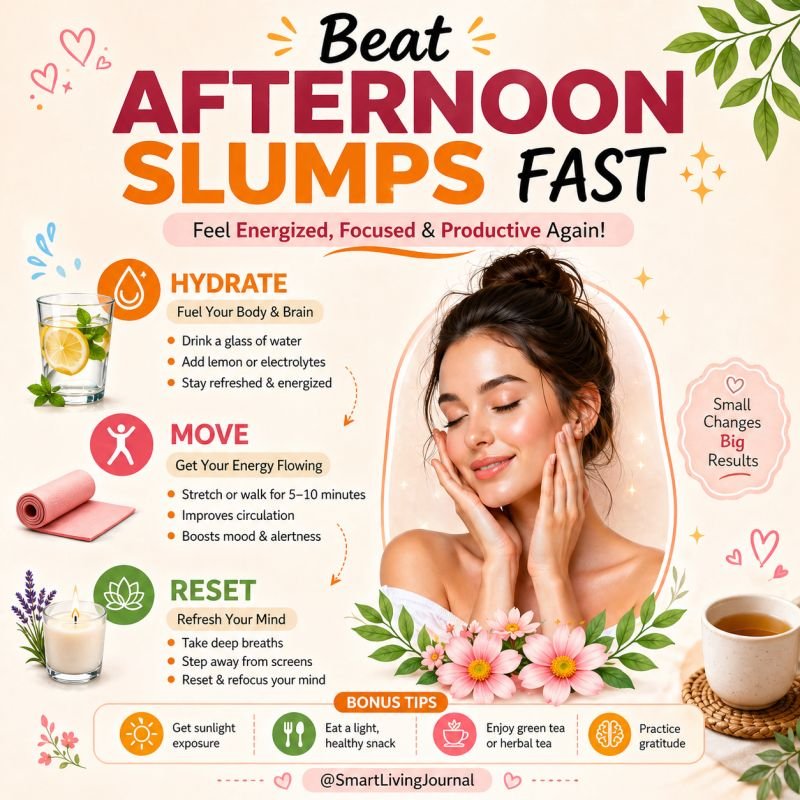
When the clock strikes two, do you find your energy levels plummeting? Many professionals hit a wall during this time, but you can beat afternoon slumps fast: 3 focus fixes that help you regain your momentum. These simple strategies are designed to help you stay sharp without needing another cup of coffee.

The Power of Strategic Movement Breaks
Physical stagnation is a primary driver of mental fatigue. When you sit for hours, your circulation slows down, which makes it harder to stay alert. Getting your blood flowing is one of the most effective ways to wake up your brain.
Try these simple movement habits to keep your body active:
- Take a brisk five-minute walk around your office or home.
- Perform light desk stretches to release tension in your neck and shoulders.
- Follow the 20-20-20 rule: every 20 minutes, look at something 20 feet away for 20 seconds to reduce eye strain.
Optimizing Your Hydration and Nutrient Intake
Dehydration often masquerades as exhaustion. When your cells lack proper hydration, your cognitive performance suffers significantly. To increase focus and energy, keep a large water bottle at your desk and sip consistently throughout the afternoon.
Beyond water, your snack choices matter. Opt for snacks that provide steady fuel rather than a quick sugar spike. Choosing nuts, berries, or Greek yogurt can help you sustain your mental clarity and avoid the dreaded post-lunch crash.
Implementing Micro-Restorative Techniques
Sometimes, your brain just needs a brief reset to function at its best. These quick fixes for afternoon fatigue do not require much time but offer massive benefits for your productivity. By stepping away from your screen for just a few minutes, you allow your mind to recover from intense focus.
Consider these micro-restorative habits to increase focus and energy during your day:
- Practice deep, rhythmic breathing for two minutes to lower stress.
- Close your eyes and practice mindfulness to clear mental clutter.
- Listen to a short, upbeat song to shift your mood and perspective.
These quick fixes for afternoon fatigue are easy to integrate into any schedule. By prioritizing these small changes, you can transform your workday and maintain high performance until the very end.
The Role of Environment in Sustaining Afternoon Focus
Creating the right surroundings is a powerful strategy for overcoming midday slump. Your physical workspace acts as a silent partner in your daily productivity, signaling to your brain when it is time to focus or rest. By making intentional adjustments to your immediate area, you can cultivate a setting that naturally supports high performance.
Adjusting Lighting to Regulate Alertness
Lighting is one of the most effective tools for managing your internal clock. Exposure to bright, natural sunlight helps suppress melatonin, the hormone that makes you feel sleepy. If your office lacks windows, consider using a light therapy lamp to mimic daylight and keep your mind sharp.
Managing Noise Levels for Deep Work
Distractions are the enemy of sustained concentration during the later hours of the day. When your environment is too loud, your brain works harder to filter out irrelevant information, which leads to faster mental exhaustion. You can protect your focus by using these simple methods:
- Use noise-canceling headphones to create a personal sanctuary.
- Play ambient sounds or white noise to mask unpredictable office chatter.
- Establish “quiet hours” with your team to ensure blocks of uninterrupted time.
The Impact of Ergonomics on Physical Fatigue
Physical discomfort is a major contributor to feeling drained before the workday ends. When your chair or desk setup forces you into a poor posture, your body spends unnecessary energy just trying to stay upright. Investing in proper ergonomics is one of the most reliable ways to prevent afternoon fatigue.
Ensure your monitor is at eye level to reduce neck strain and keep your feet flat on the floor. Small adjustments to your chair height or keyboard placement can significantly reduce the physical tension that often mimics mental tiredness. By prioritizing your comfort, you allow your brain to dedicate its full capacity to your most important tasks.
Nutritional Strategies to Combat Afternoon Tiredness
What you eat during the day directly dictates your ability to stay sharp until five o’clock. Many people rely on quick sugar fixes, but these often lead to a rapid crash that ruins productivity. By focusing on smart nutritional choices, you can effectively manage your focus and avoid the mid-afternoon slump.

Choosing Snacks That Stabilize Energy Levels
The secret to combatting afternoon tiredness lies in balancing your blood sugar. Instead of reaching for processed sweets, opt for snacks that combine fiber and protein. These nutrients slow down digestion, providing a steady stream of fuel to your brain.
Consider keeping a stash of almonds, Greek yogurt, or apple slices with peanut butter at your desk. These afternoon energy boosters keep you feeling full and alert without the jittery side effects of high-sugar alternatives.
The Dangers of Excessive Caffeine Consumption
While a cup of coffee might feel like a lifesaver, relying on it too heavily can backfire. Excessive caffeine often leads to increased anxiety and a significant energy drop once the effects wear off. It is better to seek out more sustainable sources of stimulation.
Green tea is an excellent alternative for those looking to maintain focus. It provides a natural caffeine boost along with plant compounds called catechins that offer an antioxidant effect. This combination helps you stay calm and collected while working through your tasks.
Hydration Hacks for Sustained Mental Clarity
Even mild dehydration can cause brain fog and fatigue, making it difficult to concentrate. Many people mistake thirst for hunger, leading to unnecessary snacking when a simple glass of water is what the body actually needs. Staying hydrated is one of the simplest ways to maintain mental clarity.
Try keeping a large reusable water bottle on your desk to track your intake throughout the day. If plain water feels boring, add a slice of lemon or cucumber for a refreshing twist. Proper hydration ensures your brain functions at its peak, helping you stay productive until the end of your shift.
| Snack Category | Primary Benefit | Impact on Energy |
|---|---|---|
| Nuts and Seeds | Healthy Fats | Sustained Release |
| Greek Yogurt | High Protein | Blood Sugar Stability |
| Fresh Berries | Antioxidants | Mental Sharpness |
| Sugary Pastries | Simple Carbs | Rapid Crash |
Psychological Shifts to Boost Productivity in the Afternoon
When the clock strikes two, your brain often needs a psychological reset rather than just more coffee. Managing your mindset is just as important as managing your physical energy when it comes to boosting productivity in the afternoon. By adjusting your mental approach, you can navigate the midday lull with much greater ease.
Reframing Your To-Do List for Low-Energy Windows
Not all tasks require the same level of cognitive intensity. You should identify your most demanding projects and schedule them for your peak morning hours. During your low-energy windows, shift your focus toward administrative work, filing, or organizing your digital workspace.
If you find yourself struggling to stay awake, consider taking a quick 15-minute nap before 3 pm. This short break acts as a powerful reset button for your brain. It helps clear the mental fog and improves your focus for the remainder of the day.
Using Positive Visualization to Re-engage
Sometimes, the biggest barrier to getting things done is a lack of motivation. Positive visualization allows you to mentally rehearse the successful completion of your tasks. By picturing the relief and satisfaction of finishing a project, you can trigger a renewed sense of purpose.
Take a moment to close your eyes and imagine yourself working through your list with clarity. This simple technique helps you re-engage with your goals when your natural energy begins to wane. It is a highly effective way to keep your momentum moving forward.
The Benefits of Task Batching for Tired Brains
Decision fatigue is a real challenge that often hits during the later hours of the workday. By grouping similar tasks together, you reduce the mental load required to switch between different types of work. This strategy is essential for boosting productivity in the afternoon when your brain feels tired.
Batching allows you to enter a flow state more easily, even when your energy is not at its peak. Instead of jumping between emails, calls, and creative writing, dedicate specific blocks to one category. You will find that your output remains consistent, even as the day winds down.
Physical Exercises to Energize Your Afternoon Routine
Physical activity serves as one of the most effective quick fixes for afternoon fatigue. When you feel your focus slipping, you do not necessarily need a long break to reset your system. Simple, intentional movements can significantly improve your circulation and mental clarity.

Desk-Friendly Stretches to Improve Circulation
You can perform several effective stretches right at your workstation to combat stiffness. Start by gently rolling your shoulders backward and forward to release tension held in your upper back. Stretching your neck and wrists also helps prevent the physical fatigue that often accompanies long hours of typing.
Another helpful trick involves the physical act of chewing gum. This simple habit increases your heart rate and improves blood flow to the brain, which can increase your overall alertness during a slump.
The Benefits of Short Walking Meetings
If your schedule allows, try taking your next phone call while walking. Moving your body while you talk is one of the best afternoon energy boosters available to office workers. This change of scenery helps clear your mind and keeps your blood pumping steadily.
Even a five-minute walk around the office or outside can make a massive difference. You will likely find that your creative problem-solving skills improve when you are not confined to a chair. It is a simple way to stay productive without feeling drained.
Breathing Exercises to Increase Oxygen Flow
Deep breathing is a powerful tool to help you energize your afternoon routine. When we are tired, our breathing often becomes shallow, which limits the oxygen reaching our brain. Try the “box breathing” technique by inhaling for four seconds, holding for four, and exhaling for four.
This practice calms your nervous system while simultaneously providing a natural mental lift. By focusing on your breath, you effectively signal to your body that it is time to wake up and re-engage with your tasks. These small, consistent efforts will help you maintain high performance throughout the entire day.
Common Mistakes That Worsen Midday Fatigue
Small, overlooked mistakes are often the primary culprits behind your midday energy crashes. While you may be searching for tips to beat afternoon slumps, the most effective strategy often involves identifying what you are doing wrong. By adjusting these subtle habits, you can reclaim your focus and maintain steady energy throughout the day.
Skipping Lunch or Eating Heavy Meals
Many people believe that skipping a meal saves time, but this habit frequently backfires. When you skip breakfast or lunch, your body enters a state of deprivation that often leads to overeating later in the day. This cycle causes a significant blood sugar spike, followed by a sharp crash that leaves you feeling exhausted.
Choosing a heavy, carb-loaded meal can be just as detrimental to your productivity. These meals require immense energy for digestion, which pulls resources away from your brain. Opting for balanced, nutrient-dense portions is one of the most effective ways to prevent afternoon fatigue.
Over-Reliance on Digital Stimulation
In our hyper-connected world, we often turn to digital devices to fill every spare moment. Constantly checking emails, social media, or news feeds provides a false sense of engagement. In reality, this constant influx of information creates mental clutter that drains your cognitive reserves.
This habit prevents your brain from entering a state of rest. Instead of recharging, your mind remains in a state of high alert, which contributes to burnout. Reducing your screen time during short breaks is essential for combatting afternoon tiredness.
Ignoring the Need for Cognitive Disengagement
Many professionals feel guilty when they step away from their desks, yet this is a critical error. Your brain is not designed to maintain peak focus for eight hours straight without a break. Failing to allow for true cognitive disengagement leads to a decline in both creativity and problem-solving abilities.
True rest means stepping away from work-related thoughts entirely. Whether you take a short walk or practice deep breathing, these moments of silence are vital for long-term success. By honoring your need for downtime, you ensure that your mind stays sharp and ready for the challenges of the afternoon.
Building a Sustainable Afternoon Workflow
A truly sustainable workflow is built on the foundation of self-awareness and consistent daily habits. By observing your own biological patterns, you can increase focus and energy throughout the entire day. This long-term commitment allows you to move beyond temporary solutions and create a lasting impact on your professional output.

Creating a Consistent Daily Schedule
The most effective way to maintain high performance is to prioritize your biological needs before the workday even begins. Aiming for seven to nine hours of sleep each night is the essential foundation for staying sharp. When you are well-rested, your brain is better equipped to handle complex tasks without hitting a wall.
To maintain this consistency, consider these core pillars for your daily schedule:
- Set a fixed wake-up time to regulate your internal clock.
- Schedule your most demanding tasks during your natural peak hours.
- Protect your sleep window by limiting screen time before bed.
Tracking Your Energy Patterns Over Time
You cannot manage what you do not measure. Keeping a simple log of your energy levels can be a game-changer for boosting productivity in the afternoon. Spend one week noting when you feel most alert and when you start to experience a dip in motivation.
Look for recurring themes in your data. You might notice that your focus drops consistently after a heavy lunch or during specific mid-afternoon meetings. Identifying these triggers is the first step toward reclaiming your time and mental clarity.
Adjusting Habits Based on Personal Feedback
Once you have gathered enough data, it is time to refine your approach. Use your observations to energize your afternoon routine by making small, intentional changes. If you find that a specific task drains your energy, try moving it to a morning slot or breaking it into smaller, more manageable pieces.
Remember that your workflow should be a living document that evolves with you. Flexibility is key to long-term success. By continuously testing new strategies and keeping what works, you will build a professional life that feels both productive and sustainable.
Conclusion
You hold the power to transform your workday by aligning your habits with your body’s natural rhythms. Overcoming the afternoon slump becomes a simple process when you combine biological awareness with intentional daily choices.
Prioritizing hydration, movement, and smart nutrition keeps your focus sharp until the clock hits five. Small, consistent adjustments to your routine yield the best results for your long-term productivity and personal well-being.
Start by tracking your energy patterns this week to see what works best for your unique workflow. Share your favorite focus hack with a colleague or friend to help them stay energized throughout the day. Your commitment to these changes creates a sustainable path toward peak performance and a more balanced professional life.
What is the most effective way to beat afternoon slumps fast: 3 focus fixes?
What are some quick tips to beat afternoon slumps without more coffee?
How can I increase focus and energy during a long workday?
What are the best quick fixes for afternoon fatigue?
Are there specific ways to prevent afternoon fatigue before it starts?
What are some effective afternoon energy boosters?
How does overcoming a midday slump improve long-term productivity?
What should I do to energize my afternoon routine at a desk job?
What are some of the best ways to combat afternoon tiredness in a high-stress environment?
Can boosting productivity in the afternoon be as simple as changing my lighting?

SmartLivingJournal
Prabir Dutta is a passionate digital creator, affiliate marketer, and wellness enthusiast who simplifies complex topics like AI tools, Vastu, pet care, and modern living. With a keen eye for SEO, tech trends, and everyday health solutions, he writes to empower readers with actionable, smart-living insights. When not curating content across his network of niche blogs, Prabir enjoys exploring new digital tools that make life easier and more efficient.
Keep exploring Smart Living Journal
Discover more practical ideas on wellness, home living, plants, pets, routines, and smarter everyday upgrades.