Did you know that adding greenery to your home can lower your stress levels by nearly 15% in just a few minutes? Many homeowners dream of a lush, vibrant living space but worry that their demanding schedules will lead to withered leaves and disappointment.
You do not need to be a professional botanist to enjoy a thriving indoor garden. By utilizing a simple 3-step quick plant care for busy people, you can easily balance your aesthetic goals with the reality of a packed calendar.
This indoor plant care guide is designed to help you cultivate a beautiful environment without the usual stress. We will show you how to maintain your botanical collection with minimal effort, ensuring your home remains a peaceful sanctuary.
Key Takeaways
- Greenery significantly reduces daily stress and improves air quality.
- You can maintain a healthy garden even with a demanding professional schedule.
- Simplified routines prevent the common pitfalls of over-watering or neglect.
- Choosing the right species is the first step toward effortless maintenance.
- Consistency matters more than the amount of time spent on maintenance.
Understanding the Philosophy of Low-Maintenance Gardening
Embracing a low-maintenance plant care mindset is the secret to keeping plants alive while living a busy life. Many people assume that a lush indoor garden requires hours of daily labor, but this is simply not true. By shifting your perspective, you can transform your home into a green sanctuary without adding stress to your schedule.
Why Busy Schedules Do Not Mean You Cannot Have Plants
You do not need to sacrifice your free time to enjoy the benefits of nature. Strategic plant selection is the foundation of a successful, easy-care garden. When you choose species that align with your lifestyle, you move away from constant intervention and toward a more sustainable routine.
Effective plant care tips focus on working with nature rather than against it. By choosing resilient varieties, you create a system that thrives even when you are occupied with work or family commitments. This approach ensures that your plants remain healthy and vibrant with minimal oversight.
The Science of Minimalist Plant Care
Minimalist gardening relies on understanding how plants interact with their environment. For instance, using ground cover plants like hostas acts as a living mulch to suppress weeds and retain soil moisture naturally. This biological strategy reduces the need for manual weeding and frequent watering.
The following table highlights the key differences between traditional high-effort gardening and a minimalist, low-maintenance approach:
| Feature | High-Maintenance | Low-Maintenance |
|---|---|---|
| Plant Selection | Fragile, exotic species | Resilient, native varieties |
| Watering Needs | Daily, precise schedule | Occasional, as needed |
| Soil Management | Frequent chemical feeding | Natural mulch and compost |
| Time Investment | Several hours per week | Minimal, strategic checks |
By adopting these principles, you can enjoy a thriving collection that supports your lifestyle. Low-maintenance plant care is a smart choice that allows you to focus on the joy of gardening rather than the chores.
Step One: Selecting the Right Plants for Your Lifestyle
Your journey toward a thriving home garden begins with choosing plants that fit your busy lifestyle. Many people find plant care for beginners intimidating, but the secret lies in selecting species that naturally thrive with minimal intervention. By matching your plant choices to your home environment, you set yourself up for long-term success.
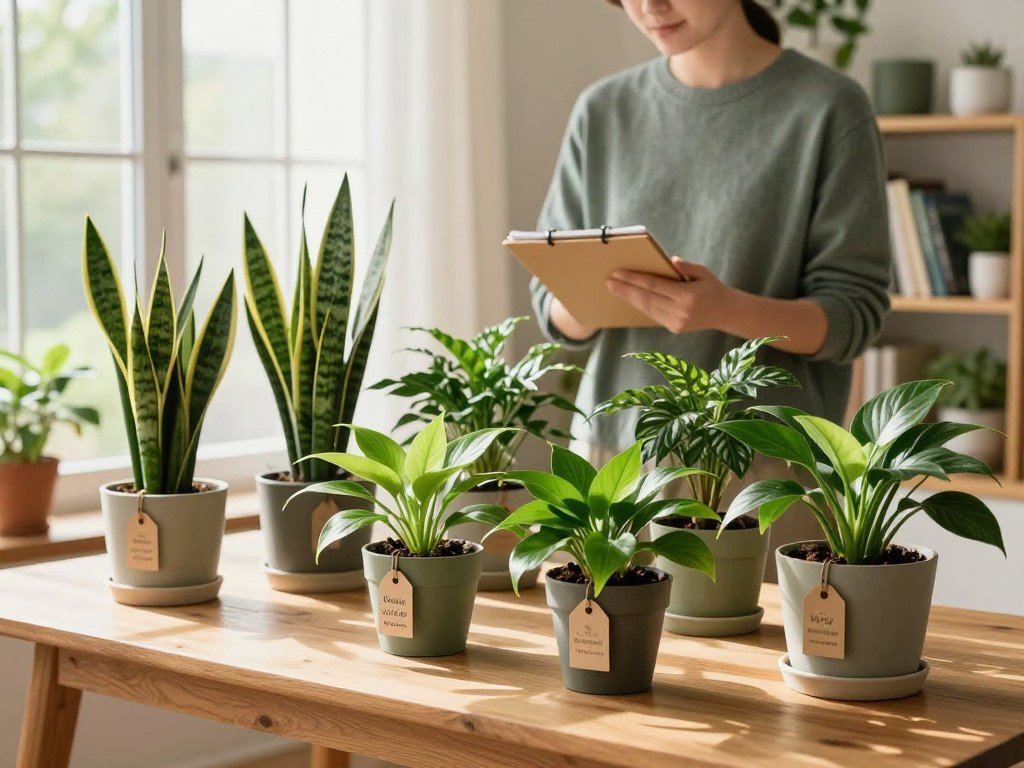
Identifying Resilient Varieties for Low-Light Environments
Not every corner of your home receives bright, direct sunlight, and that is perfectly fine. You can still enjoy vibrant greenery by choosing plants that are naturally adapted to dimmer conditions. These varieties are ideal for apartments or offices where natural light is limited.
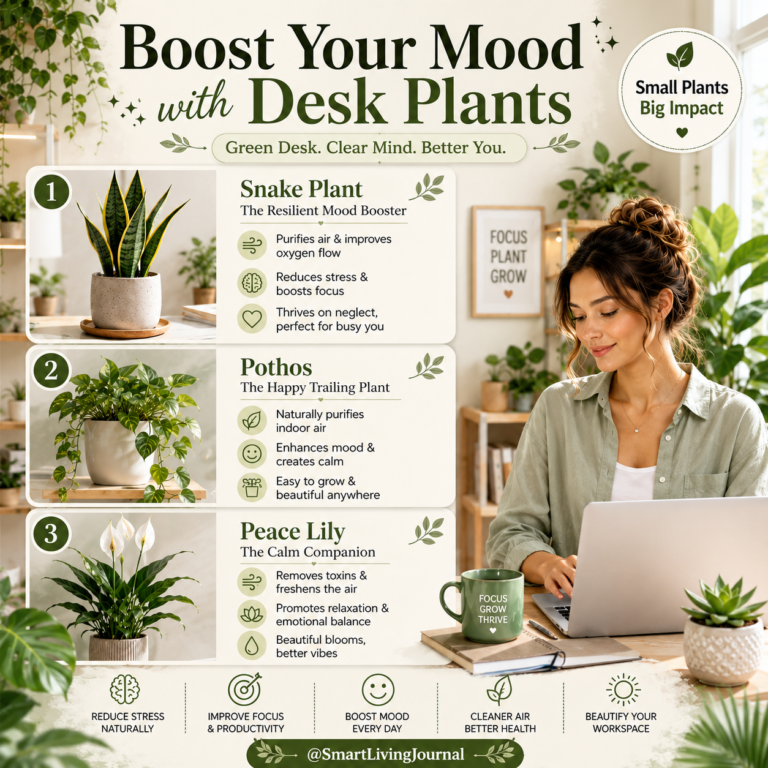
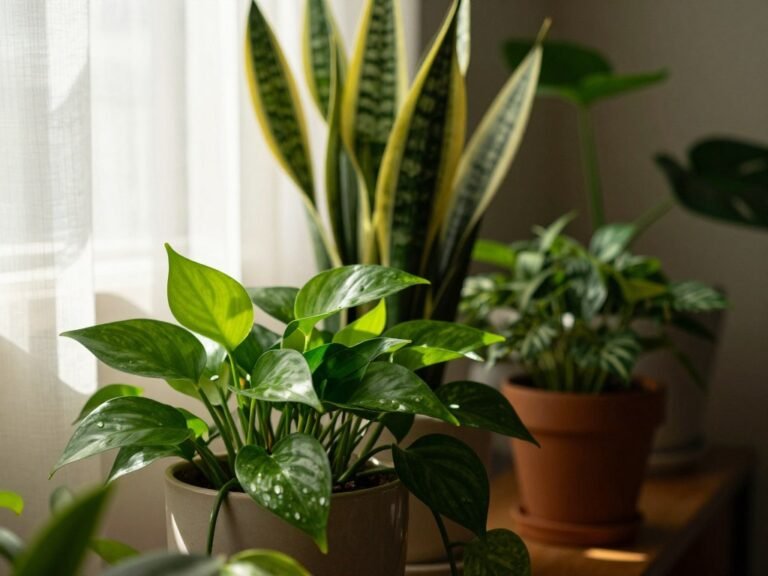
The Snake Plant stands out as a top choice for those who want beauty without the fuss. It is incredibly hardy and can survive in almost any lighting situation. Similarly, the ZZ plant is a fantastic option that tolerates low light while requiring very little attention from you.
Choosing Drought-Tolerant Species That Forgive Neglect
Life gets busy, and sometimes you might forget to water your plants for a week or two. This is why incorporating drought-tolerant species is a core strategy for effective plant care for beginners. These plants store water in their leaves or roots, allowing them to stay healthy even when you are away.
Consider adding these forgiving plants to your collection:
- Pothos: Known for its trailing vines, it thrives even if you miss a watering session.
- Succulents: These plants prefer dry soil and only need water when the potting mix is completely parched.
- Cast Iron Plant: True to its name, it is nearly indestructible and handles irregular care with ease.
By focusing on these resilient options, you ensure that your indoor garden remains a source of joy rather than a chore. Selecting the right plants is the most impactful decision you will make for your home greenery.
Step Two: Establishing a Streamlined Watering Routine
Establishing a consistent routine is the foundation of an easy plant care routine. Many people overwater their plants simply because they follow a rigid calendar instead of checking the soil. By shifting your focus to the actual needs of your greenery, you save time and prevent common issues like root rot.
The Finger Test Method for Moisture Detection
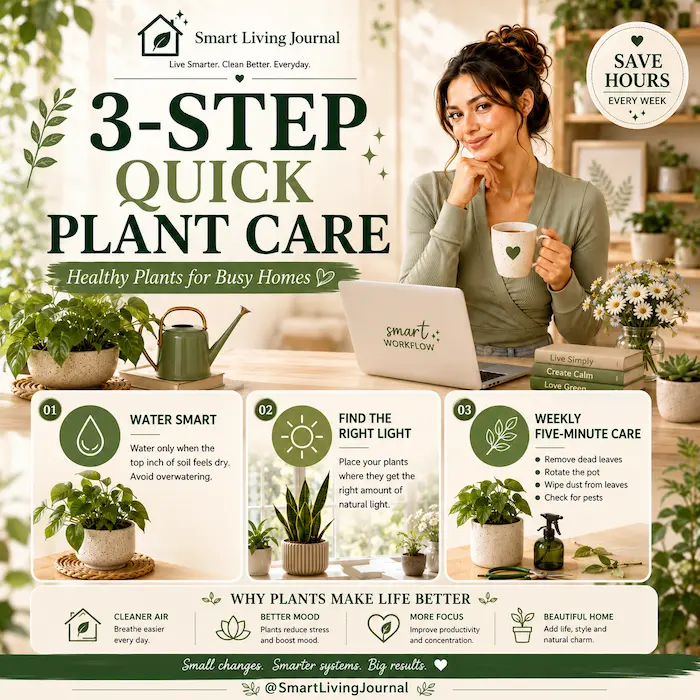
The most reliable way to check if your plant needs water is the finger test. Simply insert your index finger about two inches into the potting soil. If the soil feels dry to the touch, it is time to water your plant.
If you feel moisture, wait a few more days before checking again. This simple habit ensures you never provide too much water, which is vital for species like the ZZ plant that prefer their soil to dry out completely between waterings. This method is a cornerstone of an easy plant care routine that keeps your plants healthy without constant monitoring.
“The secret to a happy houseplant is not a strict schedule, but a keen observation of the soil’s moisture levels.”
Utilizing Self-Watering Globes and Wick Systems
For those with busy schedules, automation can be a game-changer. Self-watering globes and wick systems provide a steady, slow release of moisture directly to the root zone. These tools are perfect for maintaining an easy plant care routine while you are away or simply too busy to manage individual pots.
Consider the following comparison to see which method fits your lifestyle best:
| Method | Best For | Maintenance Level |
|---|---|---|
| Finger Test | Beginners | Low |
| Self-Watering Globes | Travelers | Very Low |
| Wick Systems | Large Collections | Minimal |
By integrating these tools, you ensure your plants receive the hydration they need without requiring your constant attention. This approach allows you to enjoy the beauty of your indoor garden while maintaining an easy plant care routine that fits perfectly into your modern lifestyle.
Step Three: Optimizing Light and Environment for Growth
Environmental design is the hidden key to mastering quick plant maintenance in any home. By setting up your space correctly, you allow your greenery to thrive with minimal human input. This approach saves you time while ensuring your plants remain healthy throughout the year.
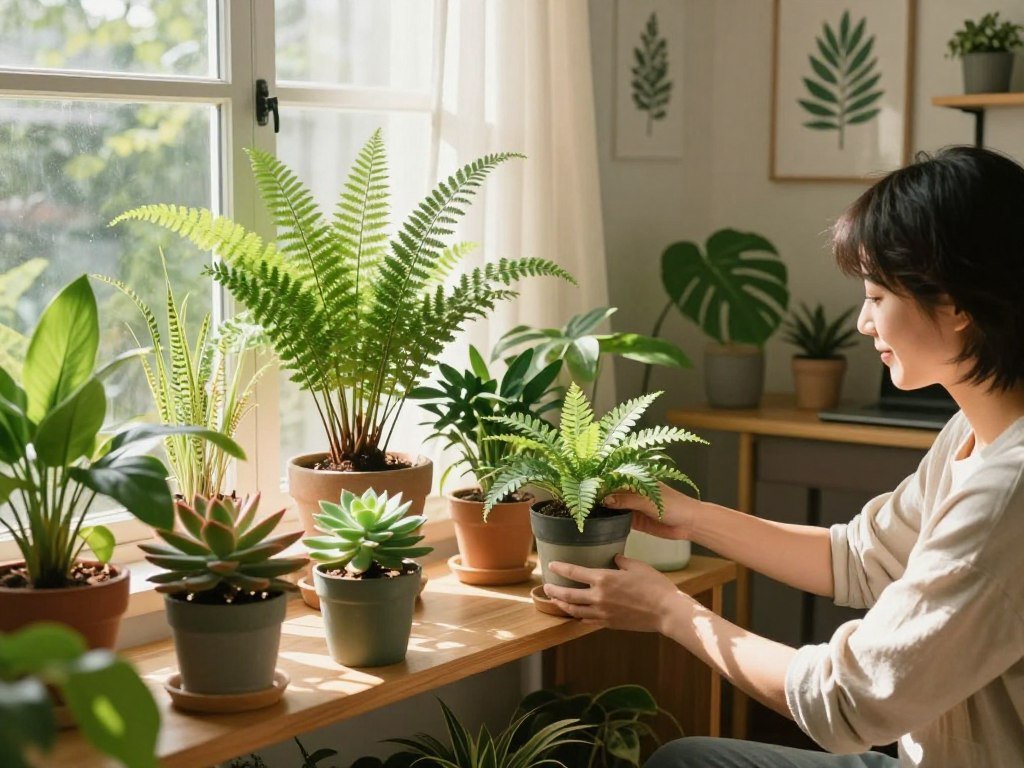
Positioning Plants for Maximum Natural Light Efficiency
Proper placement is essential for reducing the need for constant relocation. Most plants, such as the resilient Aloe Vera, can adapt to bright or medium light conditions if placed in a stable spot. You should identify areas in your home that receive consistent light to avoid moving pots around.
When you choose the right location from the start, you eliminate the stress of chasing the sun. This strategy is a cornerstone of quick plant maintenance for busy individuals. Consider these tips for better light management:
- Place sun-loving species near south-facing windows.
- Use sheer curtains to filter harsh afternoon rays.
- Rotate pots occasionally to ensure even growth without daily adjustments.
Managing Humidity Levels Without Daily Misting
Many indoor plants struggle with dry air, but you do not need to spend your mornings misting leaves. Instead, you can create a natural microclimate by grouping your plants together. This simple technique allows them to share moisture and maintain a stable environment.
Grouping plants is a highly effective method for quick plant maintenance that works in the background. When plants are clustered, they create a small ecosystem that naturally increases local humidity. This reduces the risk of leaf browning and keeps your indoor garden looking lush with almost zero effort.
Essential Tools That Save Time on Plant Maintenance
Maintaining a beautiful home garden does not have to be a full-time job if you have the right equipment. By selecting gear that works with you rather than against you, you can cut your maintenance time in half. These practical plant care tips focus on efficiency and long-term plant health.
Choosing the Right Watering Cans and Sprayers
The secret to a quick routine lies in the precision of your tools. An ergonomic watering can with a long, narrow spout allows you to reach deep into dense foliage without spilling water on your furniture. This design ensures that water reaches the soil directly, which prevents common issues like leaf rot.
For plants that require extra humidity, a high-quality pressure sprayer is a game-changer. These devices provide a fine, consistent mist that covers leaves evenly in seconds. Investing in these tools is one of the most effective plant care tips for busy owners who want to avoid messy spills and wasted time.
The Benefits of Using High-Quality Potting Mixes
Many people overlook the soil, but it is the foundation of your plant’s success. High-quality potting mixes are formulated to provide optimal drainage and essential nutrients right from the start. When you use a premium blend, you reduce the need for frequent fertilization and constant soil monitoring.
Good soil structure prevents compaction, which allows roots to breathe and absorb water more efficiently. This means you spend less time troubleshooting wilting plants and more time enjoying your greenery. Consider the following comparison to see how your choice of tools and soil impacts your daily workflow:
| Tool/Material | Primary Benefit | Time Saved | Maintenance Level |
|---|---|---|---|
| Ergonomic Spout | Precision Watering | High | Low |
| Pressure Sprayer | Rapid Humidity | Medium | Low |
| Premium Potting Mix | Nutrient Retention | High | Very Low |
By upgrading your basic supplies, you create a sustainable environment for your indoor jungle. These simple plant care tips ensure that your garden remains vibrant even when your schedule is packed. Quality tools are truly an investment in your peace of mind.
The 3-Step Quick Plant Care for Busy People Methodology
Transforming plant care from a chore into a seamless habit is the key to long-term success. By adopting a 3-step quick plant care for busy people, you can ensure your greenery thrives without demanding your entire weekend. This methodology focuses on efficiency, allowing you to enjoy the beauty of nature while managing a demanding professional or personal life.
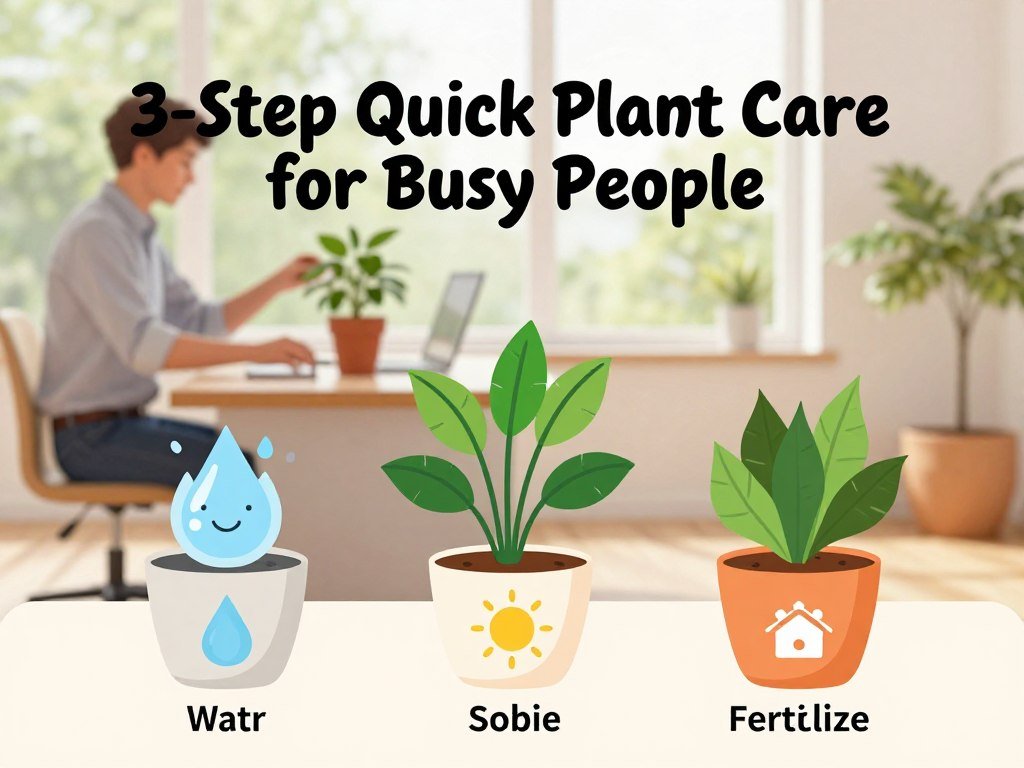
Integrating Plant Care Into Your Weekly Workflow
The secret to a successful easy plant care routine lies in how you anchor these tasks to existing habits. Instead of treating plant maintenance as a separate event, try pairing it with activities you already perform, such as brewing your morning coffee or tidying up on Sunday evenings. This integration prevents the feeling of overwhelm and keeps your plants consistently hydrated and healthy.
Consistency is far more important than intensity when it comes to your plant care schedule. By dedicating just ten minutes once a week to check moisture levels and prune dead leaves, you prevent small issues from becoming major problems. This proactive approach saves you significant time in the long run.
Creating a Sustainable Habit Loop for Plant Health
To build a lasting habit, you must create a clear trigger, a simple action, and a rewarding outcome. Your trigger could be a specific day of the week, while the action involves a quick inspection of your pots. The reward is the visual satisfaction of a vibrant, thriving indoor garden that enhances your living space.
The following table outlines a balanced approach to managing your plants throughout the week, ensuring that no task is ever too heavy to handle.
| Day of Week | Primary Task | Time Commitment |
|---|---|---|
| Monday | Quick Moisture Check | 5 Minutes |
| Wednesday | Light/Position Adjustment | 3 Minutes |
| Sunday | Deep Watering/Cleaning | 15 Minutes |
By following this structured plant care schedule, you remove the guesswork from your gardening journey. Remember that your plants are resilient, and a simple, consistent routine is often better than sporadic, intense attention. Stay flexible, observe your plants, and enjoy the peace that a well-maintained indoor garden brings to your home.
Common Mistakes Busy Plant Owners Make
Maintaining a thriving indoor garden requires more than just good intentions; it demands awareness of common pitfalls. Even the most dedicated enthusiasts can accidentally create environments that stress their greenery. By mastering essential plant care for beginners, you can avoid these frequent traps and keep your collection healthy.
The Dangers of Overwatering and How to Avoid It
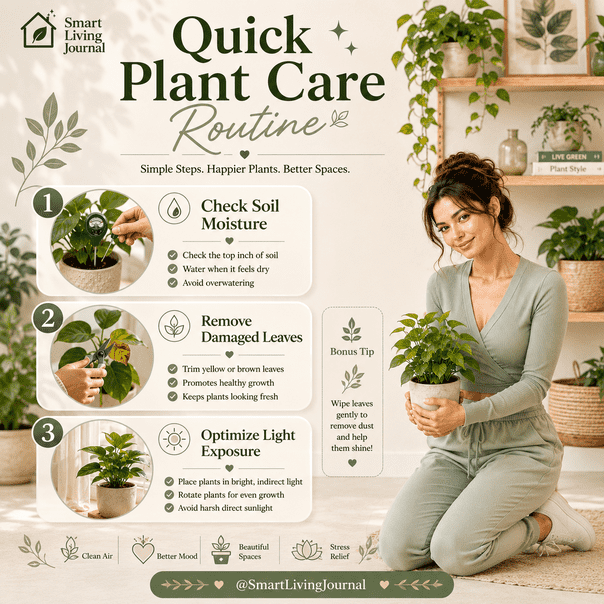
Overwatering remains the leading cause of plant decline in busy households. Many people water on a strict schedule rather than checking the actual needs of the soil. This leads to root rot, a condition where roots suffocate and decay due to constant moisture.
To prevent this, always check the soil moisture before adding more water. If the top inch of soil feels damp, wait a few more days. Proper drainage is also vital; ensure your pots have holes at the bottom to allow excess water to escape freely.
Recognizing Signs of Nutrient Deficiency Early
Plants often communicate their needs through subtle changes in their appearance. Learning to read these signals is one of the most valuable houseplant care tips you can acquire. Catching these issues early prevents long-term damage to your foliage.
Keep an eye out for these common indicators that your plant may be struggling with a lack of nutrients:
- Yellowing leaves: Often a sign of nitrogen deficiency or poor soil quality.
- Stunted growth: Indicates the plant has outgrown its current pot or lacks essential minerals.
- Pale leaf color: Frequently suggests a need for a balanced liquid fertilizer.
- Brown, crispy edges: Can signal mineral buildup or inconsistent watering habits.
If you notice these symptoms, consider refreshing your potting mix or applying a gentle, organic fertilizer. Consistent observation allows you to intervene before a minor issue becomes a major problem. With these simple habits, your indoor garden will continue to flourish with minimal stress.
Seasonal Adjustments for Your Indoor Garden
Seasons change, and your plant care schedule should evolve right along with them. While your home environment might feel stable, plants are highly sensitive to shifts in natural light and temperature. Making small, intentional tweaks to your routine ensures your greenery stays vibrant throughout the entire year.
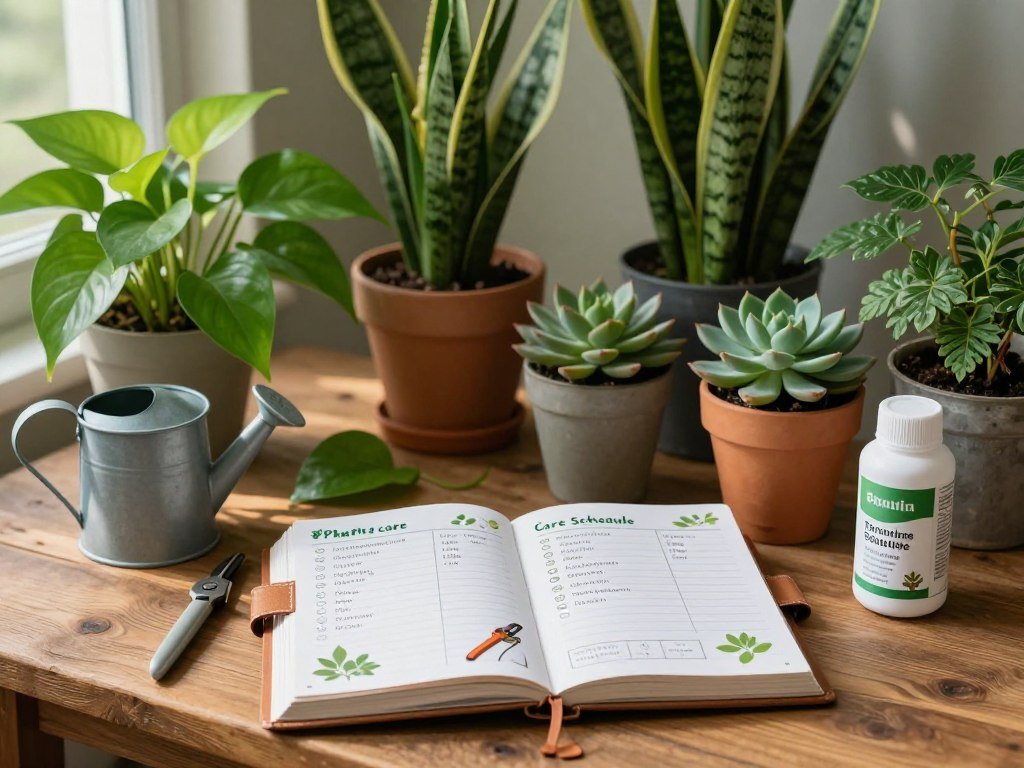
Adapting Care During Winter Dormancy
During the colder months, most houseplants enter a period of dormancy. Growth slows down significantly as light levels drop and temperatures cool. You should reduce your watering frequency during this time to prevent root rot, as the soil stays damp for much longer.
It is also wise to pause fertilization until the days grow longer again. Your plant care schedule should prioritize observation over action during winter. If the top inch of soil feels dry, that is usually the only signal your plant needs for a drink.
Managing Increased Growth Rates in Summer
When spring and summer arrive, your plants wake up and begin their active growth phase. You will notice new leaves appearing more frequently, which means your plants are hungrier and thirstier. This is the perfect time to increase your watering frequency and provide a balanced liquid fertilizer.
Be mindful that intense summer sun can sometimes scorch delicate foliage. You may need to move your pots slightly away from windows or use sheer curtains to filter the light. Maintaining a consistent plant care schedule during these busy months helps your indoor garden thrive.
| Season | Watering Needs | Growth Activity | Fertilizer Use |
|---|---|---|---|
| Winter | Low | Dormant | None |
| Spring | Moderate | Increasing | Light |
| Summer | High | Peak | Regular |
| Autumn | Moderate | Slowing | Reduced |
Pest Prevention and Quick Remediation
Protecting your greenery from tiny invaders is a vital part of maintaining a thriving home oasis. Even with the best houseplant care tips, unwanted guests can occasionally appear on your leaves. Staying observant allows you to catch issues early before they impact your entire collection.
Identifying Common Houseplant Pests Quickly
The first step in quick plant maintenance is knowing exactly what to look for during your weekly check. Spider mites often leave behind fine, silky webbing on the undersides of leaves. If you notice tiny yellow spots or a dusty appearance, these pests are likely present.
Fungus gnats are another frequent nuisance, especially if your soil stays damp for too long. You will often see these small, dark flies hovering near the surface of the potting mix. Catching these signs early prevents them from spreading to your other healthy plants.
Natural Solutions for Rapid Pest Control
You do not need harsh chemicals to keep your indoor garden safe and thriving. Many effective remedies use simple, non-toxic ingredients found in most kitchens. For example, a gentle mixture of mild dish soap and water can eliminate many soft-bodied insects on contact.
Neem oil is another highly effective tool for managing persistent infestations naturally. It acts as a repellent and disrupts the life cycle of common pests. While outdoor plants like Russian Sage naturally deter deer and rabbits, indoor varieties rely on your consistent care to stay protected.
| Pest Type | Primary Sign | Quick Remedy |
|---|---|---|
| Spider Mites | Fine webbing | Neem oil spray |
| Fungus Gnats | Flying insects | Yellow sticky traps |
| Mealybugs | White cottony mass | Alcohol-soaked swab |
| Aphids | Sticky residue | Soapy water wash |
By integrating these houseplant care tips into your routine, you ensure your plants remain vibrant. Remember that a healthy plant is naturally more resistant to stress and infestation. Consistent, quick plant maintenance is the ultimate key to a pest-free home.
The Role of Potting and Repotting in Long-Term Care
Proper soil management serves as the foundation for a thriving indoor garden. When you understand the relationship between root health and container size, you significantly reduce the labor required for daily maintenance. This indoor plant care guide highlights how strategic repotting prevents long-term stress and keeps your greenery resilient.
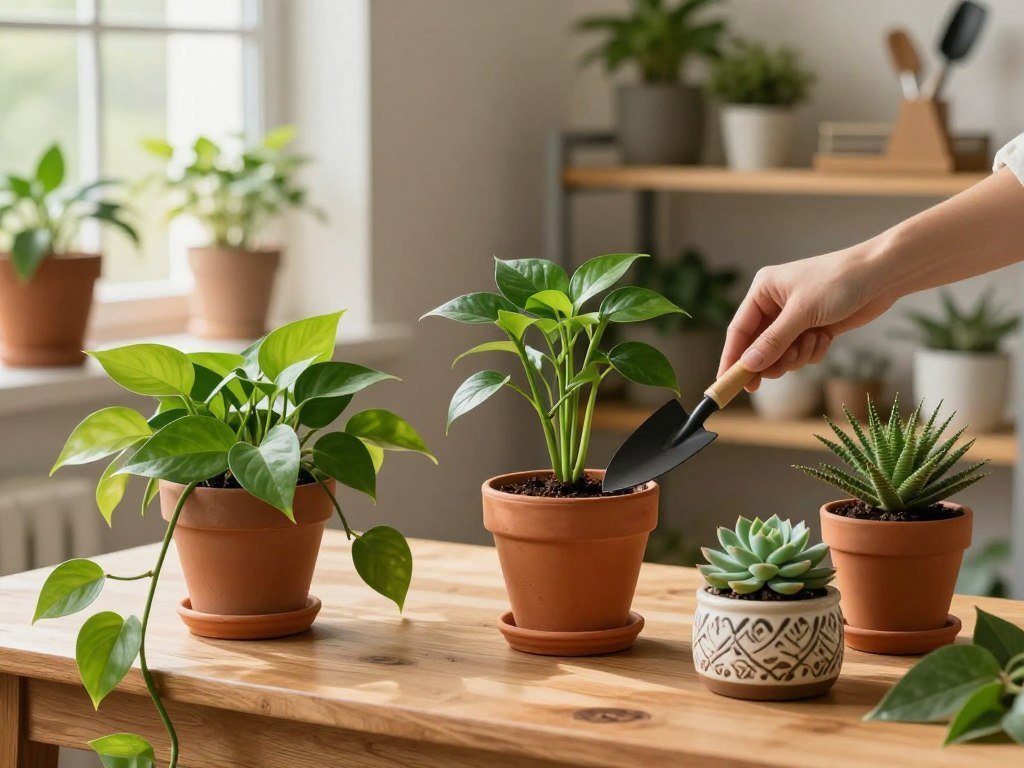
“A plant is only as healthy as the environment surrounding its roots; give them room to breathe, and they will reward you with vibrant growth.”
When to Repot to Reduce Maintenance Needs
Many owners assume they must repot on a strict annual schedule, but this often creates unnecessary work. Instead, look for physical cues that indicate your plant has outgrown its current home. If roots are circling the bottom of the pot or pushing the plant upward, it is time for an upgrade.
Repotting at the right moment prevents the soil from becoming compacted and nutrient-depleted. When soil loses its structure, it holds water unevenly, which forces you to spend more time monitoring moisture levels. By refreshing the medium, you ensure the plant can absorb water efficiently, saving you time in the long run.
Selecting Pots That Support Plant Longevity
Choosing the right vessel is just as important as the soil you use. A pot must provide adequate drainage to prevent root rot, which is the most common cause of plant failure. Always prioritize containers with drainage holes to allow excess water to escape freely.
The material of the pot also influences how often you need to water your plants. Porous materials like terracotta allow for better airflow, while plastic or glazed ceramic pots retain moisture for longer periods. Use the following table to help you decide which material best fits your specific plant needs.
| Pot Material | Moisture Retention | Best For |
|---|---|---|
| Terracotta | Low | Succulents and Cacti |
| Glazed Ceramic | High | Tropical Foliage |
| Plastic | High | Moisture-loving Ferns |
| Fiberglass | Medium | Large Floor Plants |
Selecting the correct size is equally vital for long-term success. Avoid moving a small plant into a massive pot, as the excess soil will hold too much water and lead to root decay. A good rule of thumb is to increase the diameter by only one or two inches during each transition.
Advanced Tips for Scaling Your Indoor Jungle
Scaling your plant collection is an exciting journey that requires a shift toward smarter, more efficient management. As your indoor garden grows, the traditional one-by-one care method becomes less practical. By adopting low-maintenance plant care strategies, you can enjoy a lush, vibrant space without feeling overwhelmed by daily tasks.
Grouping Plants to Create Microclimates
One of the most effective ways to manage a larger collection is by grouping plants together. When you cluster plants, they naturally create a microclimate that helps retain moisture in the air. This simple arrangement reduces the need for frequent misting or individual humidity adjustments.
Plants release water vapor through their leaves, a process known as transpiration. By placing them in close proximity, you trap this moisture, creating a self-sustaining environment. This is a cornerstone of low-maintenance plant care that keeps your foliage looking healthy and hydrated.
“A well-curated indoor jungle is not just a collection of pots; it is a living, breathing ecosystem that thrives on the harmony of its inhabitants.”
Automating Care for Larger Collections
As your collection expands, manual watering can become a significant time sink. Investing in automation tools allows you to scale your hobby while keeping your schedule free. From drip irrigation kits to smart sensors, technology can handle the heavy lifting for you.
These tools ensure that your plants receive consistent hydration, which is vital for long-term growth. Implementing these systems is a hallmark of low-maintenance plant care for the modern enthusiast. Consider the following comparison to see how automation changes your routine:
| Feature | Manual Care | Automated Care |
|---|---|---|
| Time Investment | High (Daily) | Low (Weekly) |
| Consistency | Variable | High |
| Risk of Error | High (Overwatering) | Minimal |
| Scalability | Limited | High |
By integrating these advanced techniques, you can maintain a thriving indoor jungle with ease. Embracing low-maintenance plant care ensures that your passion for greenery remains a source of joy rather than a chore. Start small, automate where possible, and watch your collection flourish.
Conclusion
Building a vibrant indoor garden remains a reachable goal for busy people who value smart planning. You can transform your living space into a lush retreat by focusing on efficient habits and selecting the right plant varieties.
Your journey toward a thriving home oasis relies on consistent observation and simple care routines. Small adjustments to your weekly schedule yield significant results for your plants. You gain the peace of mind that comes with a healthy, growing environment.
Brands like Espoma Organic or Miracle-Gro offer reliable supplies that simplify your maintenance tasks. These products support your efforts to keep greenery healthy without requiring hours of labor. Your dedication to these practices ensures long-term success for every leaf and stem.
Take a moment to assess your current space and pick one new plant to start your collection. Share your progress with fellow plant enthusiasts to stay motivated and inspired. Your commitment to this rewarding hobby brings lasting beauty and fresh air into your daily life.
FAQ
What exactly is the 3-step quick plant care for busy people methodology?
Which plants are best for an easy plant care routine if I have low light?
How do I know when to water without a complicated plant care schedule?
Can I really maintain a healthy garden with just a few houseplant care tips?
How can I handle pests without spending hours on treatment?
What is the best way to avoid overwatering, the most common mistake for beginners?
Does seasonal change require a total overhaul of my indoor plant care guide?
When is the best time to repot my plants to ensure they stay low-maintenance?

SmartLivingJournal
Prabir Dutta is a passionate digital creator, affiliate marketer, and wellness enthusiast who simplifies complex topics like AI tools, Vastu, pet care, and modern living. With a keen eye for SEO, tech trends, and everyday health solutions, he writes to empower readers with actionable, smart-living insights. When not curating content across his network of niche blogs, Prabir enjoys exploring new digital tools that make life easier and more efficient.
Keep exploring Smart Living Journal
Discover more practical ideas on wellness, home living, plants, pets, routines, and smarter everyday upgrades.