
Did you know that indoor spaces often contain five times more pollutants than the outdoors? Common household items like carpets and furniture release invisible chemicals into your home. This buildup can lead to headaches or a lack of focus during your workday.
Finding simple ways to refresh your environment is vital for your health. Many people now use natural air purifiers to solve this common problem. These living filters offer a low-cost way to scrub the breeze without needing any power.
Adding living decor to your bedroom can also help you sleep better at night. These plants remove toxins while you rest and transform a stale room into a fresh sanctuary. You will notice a major boost in your mood and energy with just a few leafy friends.
Key Takeaways
- Natural purifiers effectively reduce common indoor toxins and chemicals.
- Keeping botanical companions can boost your mood and daily productivity.
- Certain species increase humidity for better respiratory health and skin.
- NASA research confirms the power of biological filtration in tight spaces.
- Most indoor varieties require very little maintenance to thrive and grow.
- They provide an eco-friendly alternative to expensive electric filtration devices.
Introduction to Air Purifying Plants
Breathing clean air is essential for our well-being, and that’s where air purifying house plants come into play. As we spend more time indoors, the quality of the air we breathe becomes increasingly important.
According to Teleflora, “breathing in fresh air is another important aspect in healthy living, as fresh air helps remove pollution from a home or office, offering those who breathe in a chance to expose their lungs to pure, filtered air.” This emphasizes the need for effective indoor air purification methods.
What Are Air Purifying Plants?
Air purifying plants are plants that have the natural ability to remove pollutants and toxins from the air. These plants are not just aesthetically pleasing; they play a crucial role in improving indoor air quality.
- They absorb carbon dioxide and release oxygen through photosynthesis.
- They remove harmful pollutants such as formaldehyde, benzene, and trichloroethylene from the air.
- Some plants are more effective than others at purifying the air.
Why They Matter for Indoor Air Quality
Indoor air quality is often compromised by pollutants from furniture, paint, and other household items. Indoor air purifying plants help mitigate this issue by naturally cleansing the air.
The benefits of having these plants include:
- Improved health due to reduced exposure to air pollutants.
- Enhanced well-being and productivity.
- A more pleasant indoor environment.
Benefits of Air Purifying Plants
The advantages of air purifying plants extend beyond just improving air quality; they also contribute to a healthier living space. These plants are not only beneficial for their air-purifying qualities but also for the overall ambiance they create in a home.
According to Bayer Advanced, plants have been found to help people breathe easier due to the increase in oxygen levels they provide, as well as helping to keep necessary moisture in the home. This makes them an excellent addition to any indoor space.
Improved Air Quality
One of the most significant benefits of air purifying plants is their ability to improve indoor air quality. They absorb pollutants and toxins, such as volatile organic compounds (VOCs), and release clean oxygen, making the air healthier to breathe.
- Remove VOCs and other pollutants
- Increase oxygen levels
- Help maintain humidity levels
Enhanced Mood and Well-being
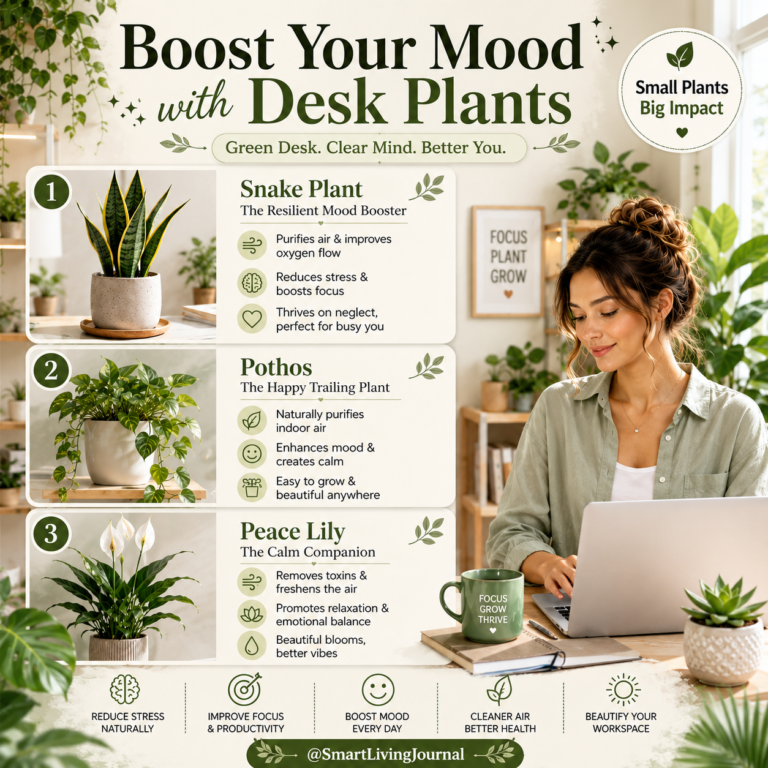
Being around plants has been shown to have a positive impact on mental health and well-being. The presence of air purifying plants can enhance mood, reduce stress, and even boost productivity.
Some ways plants contribute to well-being include:
- Reducing stress and anxiety
- Improving mood and cognitive function
- Promoting a sense of calm and relaxation
Aesthetic Appeal in Your Home
Air purifying plants are not just beneficial for health; they also add an aesthetic touch to your home. With a variety of shapes, sizes, and colors available, you can choose plants that fit your interior decor and personal style.
By incorporating these plants into your home decor, you can create a more welcoming and refreshing environment. Whether you prefer the sleek look of a Snake Plant or the lush foliage of a Boston Fern, there’s an air purifying plant to suit every taste.
Popular Air Purifying Plants
Among the many air purifying plants available, some are particularly popular for their air cleaning abilities. These plants not only purify the air but also add a touch of greenery to your home. Here, we’ll explore some of the most popular air purifying plants that are known for their effectiveness and ease of care.
Spider Plant
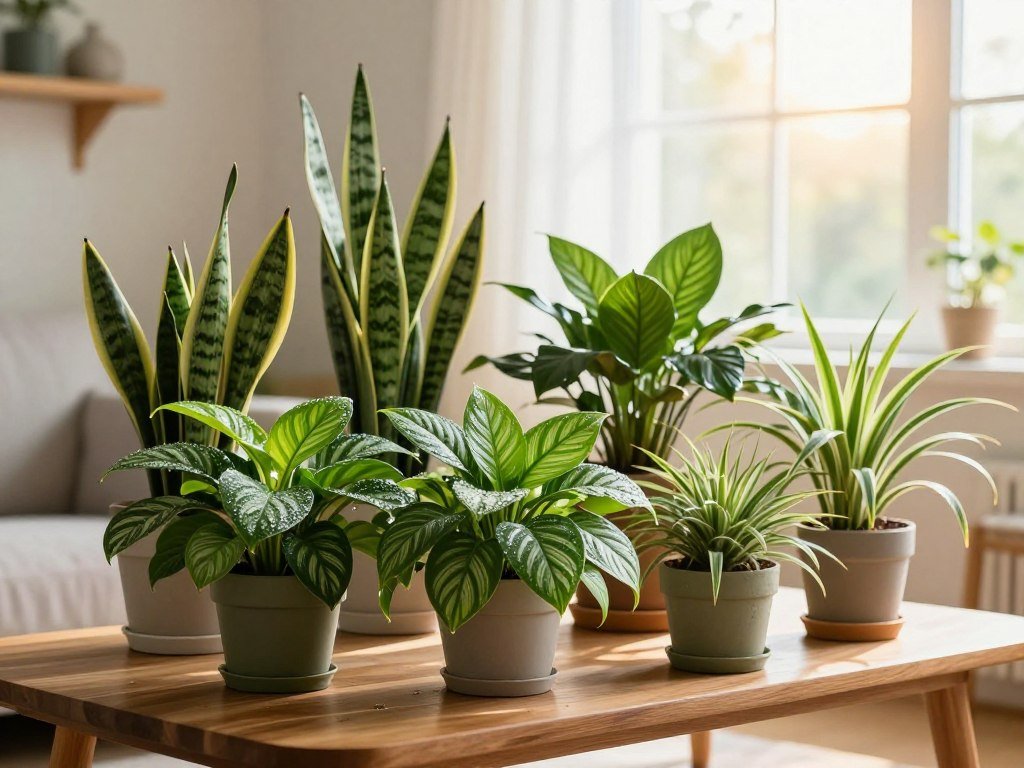
The Spider Plant is a favorite among indoor gardeners due to its hardiness and low maintenance requirements. It’s known to thrive in a variety of lighting conditions and is effective at removing air pollutants.Teleflora notes that Spider Plants are great for cleaning the air and are hearty, not requiring a lot of sunlight to thrive.
Snake Plant
The Snake Plant, also known as Mother-in-Law’s Tongue, is another popular choice for indoor spaces. It’s renowned for its ability to purify the air and can survive with minimal light and watering. This makes it an ideal choice for busy individuals or those new to plant care.
Peace Lily
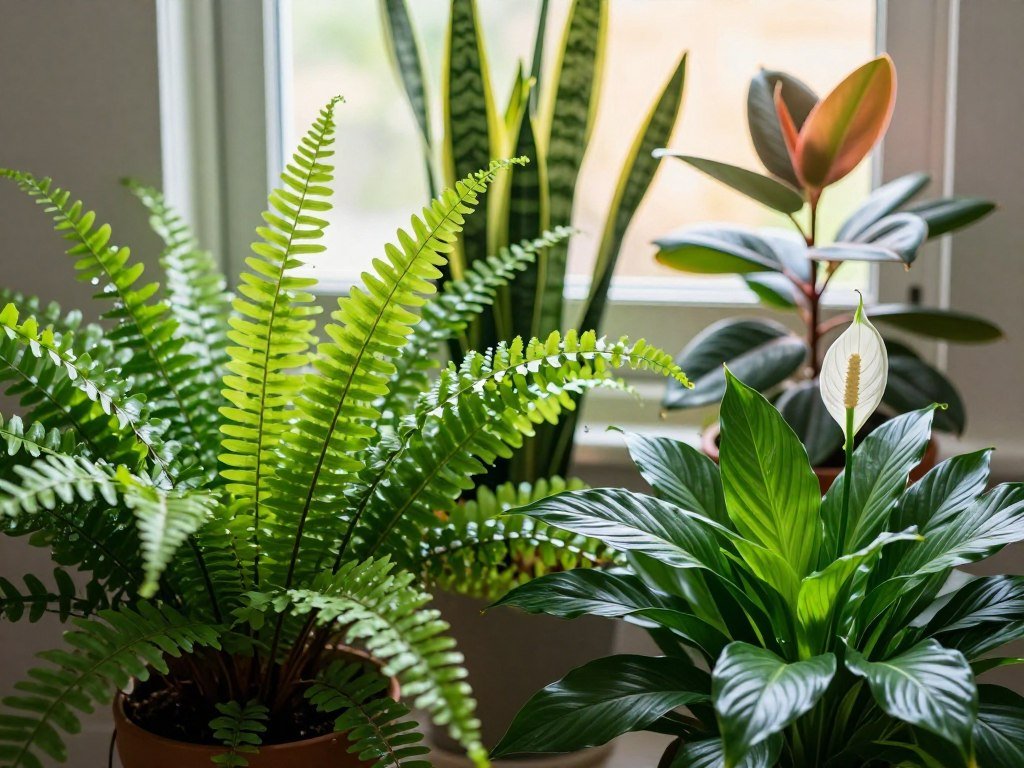
The Peace Lily is not only a beautiful addition to any room, but it’s also a powerful air purifier. It’s known to remove harmful toxins from the air, improving indoor air quality. The Peace Lily prefers well-drained soil and moderate light, making it a versatile option for different home environments.
Boston Fern
The Boston Fern is a lush, green plant that’s effective at purifying the air. It prefers bright, indirect light and consistent moisture. With proper care, the Boston Fern can be a stunning addition to your home, enhancing both air quality and aesthetic appeal.
| Plant | Lighting Requirements | Maintenance Needs |
|---|---|---|
| Spider Plant | Variety of lighting conditions | Low |
| Snake Plant | Minimal light | Low |
| Peace Lily | Moderate light | Moderate |
| Boston Fern | Bright, indirect light | High |
By considering these factors, you can choose the best air purifying plant for your space and enjoy the benefits of cleaner, healthier air.
How Air Purifying Plants Work
The process by which air purifying plants cleanse the air is rooted in science, specifically in the process of photosynthesis. This natural process not only beautifies our surroundings but also plays a critical role in maintaining indoor air quality.
As Dr. Bill Wolverton, a renowned expert in indoor air quality, once said, “Plants are not just decorative elements; they are living, breathing organisms that can significantly improve the air quality in our homes and offices.” This underscores the importance of understanding the mechanisms behind their air-purifying capabilities.
The Science Behind Plant Purification
Air purifying plants work by absorbing pollutants and toxins through their leaves and roots. The absorbed pollutants are then broken down and used by the plant for growth, or they are released into the atmosphere as harmless compounds. This process is facilitated by the plant’s natural defense mechanisms and the microorganisms living in the soil.
The Role of Photosynthesis
Photosynthesis is the cornerstone of how air purifying plants function. During photosynthesis, plants absorb carbon dioxide and release oxygen, contributing to a healthier indoor atmosphere. Moreover, this process enhances the plant’s ability to remove other pollutants, such as volatile organic compounds (VOCs) and particulate matter, from the air.
As highlighted by a study published in the Journal of Environmental Horticulture, certain plants are particularly effective at removing indoor air pollutants. By leveraging this natural process, individuals can create a healthier indoor environment.
“The use of plants to purify the air is a simple yet effective strategy for improving indoor air quality.”
Choosing the Right Air Purifying Plants for Your Space
To maximize the benefits of air purifying house plants, it’s essential to pick the right ones for your environment. With numerous options available, understanding the key factors that influence their effectiveness and suitability is crucial.
Factors to Consider
When selecting top air purifying plants, several factors come into play. These include the plant’s ability to purify the air, its maintenance requirements, and how well it fits into your available space.
Light Requirements
Different plants have varying light requirements. Some top air purifying plants thrive in bright, direct light, while others can survive in low-light conditions. Assessing the light available in your space will help you choose plants that will flourish.
- Low-light plants: Chinese Evergreen, Pothos
- Medium-light plants: Snake Plant, Spider Plant
- High-light plants: Boston Fern, Peace Lily
Size and Growth Habit
The size and growth habit of a plant are also important considerations. Some air purifying house plants can grow quite large, while others remain compact. Choosing a plant that fits your space and can be easily maintained is vital.
By considering these factors, you can select the most effective air purifying plants for your home, enhancing both air quality and aesthetic appeal.
Care Tips for Air Purifying Plants
To keep your air purifying plants thriving, it’s essential to understand their basic care requirements. Proper care not only ensures their longevity but also maximizes their air-purifying benefits.
Watering Basics
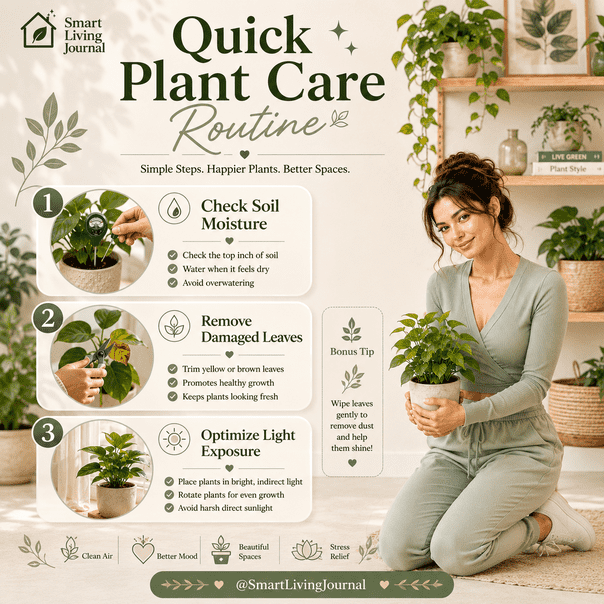
Watering is one of the most critical aspects of caring for air purifying plants. Overwatering can be detrimental, leading to root rot, while underwatering can cause stress to the plant. The key is to find a balance. Check the soil moisture by inserting your finger into the soil up to the first knuckle; if the soil feels dry, it’s time to water.
Different plants have different watering needs. For example, Snake Plants are more forgiving if you forget to water them from time to time, making them ideal for busy individuals or those new to plant care.
Soil and Fertilization Needs
The right soil can significantly impact the health of your air purifying plants. A well-draining potting mix is essential to prevent waterlogged soil. Fertilization is also crucial as it provides necessary nutrients for plant growth. Use a balanced, water-soluble fertilizer during the growing season (spring and summer).
| Plant Type | Fertilization Frequency | Soil Preference |
|---|---|---|
| Spider Plant | Monthly | Well-draining potting mix |
| Peace Lily | Every 6 weeks | Mix with organic matter |
| Boston Fern | Every 4 weeks | Acidic, well-draining mix |
Common Pests and How to Manage Them
Despite their benefits, air purifying plants can sometimes attract pests like spider mites, mealybugs, and scale. Regular inspection is key to early detection. If you notice any pests, isolate the plant to prevent infestation and treat it with insecticidal soap or neem oil.
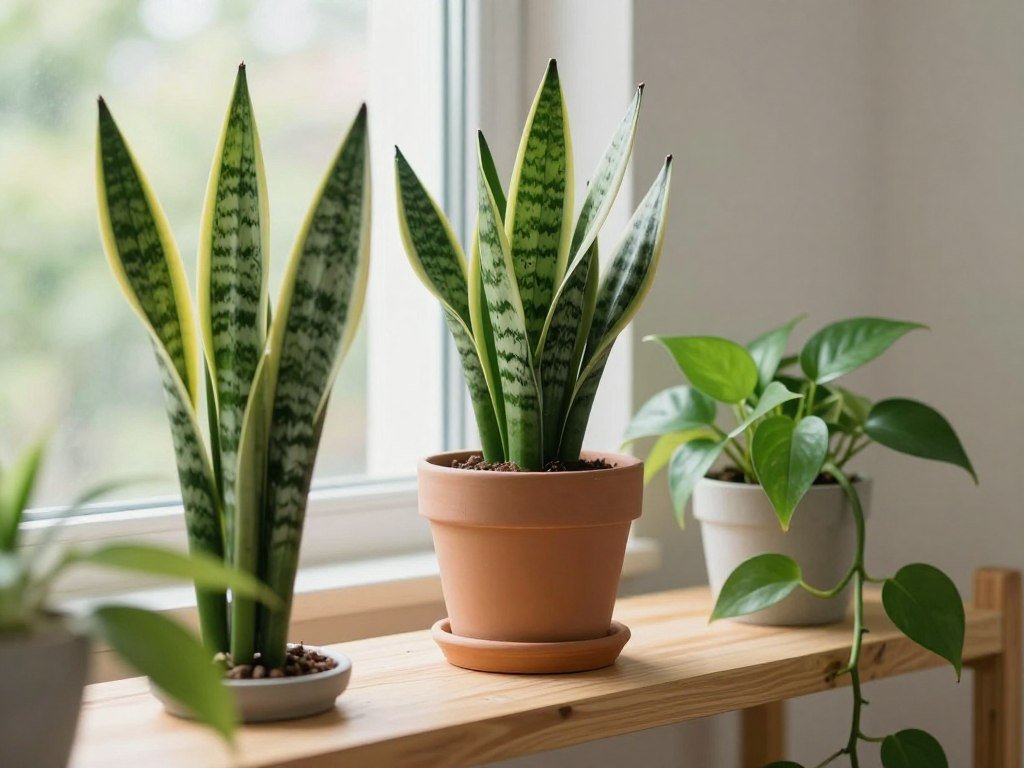
By following these care tips, you can enjoy the benefits of low maintenance air purifying plants while keeping them healthy and thriving. Remember, a little care goes a long way in maintaining good indoor air quality and a pleasant living environment.
DIY Air Purifying Plant Arrangements
By combining the right air cleaning plants, you can create a stunning display that enhances both the aesthetic appeal and air quality of your home. Air purifying plants are not just beneficial for indoor air quality; they also add a decorative touch to any room.
To create an attractive display, consider the visual appeal of the plants you choose. Varying the textures, colors, and shapes of the plants can add depth and interest to your arrangement. For example, pairing the delicate fronds of a fern with the robust leaves of a snake plant can create a visually appealing contrast.
Creating Attractive Plant Displays
When designing your DIY air purifying plant arrangement, think about the overall aesthetic you want to achieve. You can group plants by their light requirements or choose a variety of plants with different growth habits to create a dynamic display.
Tips for Creating an Attractive Display:
- Choose plants with varying textures and colors.
- Consider the mature size of each plant to ensure they have enough space.
- Use decorative pots that complement your home decor.
Best Plant Combinations for Air Quality
Some of the best air filtering house plants to combine include spider plants, peace lilies, and snake plants. These plants are known for their air-purifying abilities and can thrive in a variety of lighting conditions.
| Plant Combination | Air Quality Benefits | Lighting Requirements |
|---|---|---|
| Spider Plant + Peace Lily | Removes toxins like formaldehyde and benzene | Low to medium light |
| Snake Plant + Boston Fern | Effective against formaldehyde, xylene, and toluene | Low to bright indirect light |
| Peace Lily + Dracaena | Removes ammonia, benzene, and trichloroethylene | Medium to low light |
By selecting the right combinations of air purifying plants and arranging them thoughtfully, you can create a beautiful and healthy indoor space.
Indoor vs. Outdoor Air Purifying Plants
Both indoor and outdoor settings have their unique advantages when it comes to air purifying plants. While indoor plants are great for purifying the air inside your home, outdoor plants play a crucial role in maintaining the overall air quality around your living space.
Which Plants Thrive Indoors?
Some air purifying plants are better suited for indoor environments due to their ability to thrive in low-light conditions and tolerate indoor temperatures. Spider plants and snake plants are excellent examples of indoor air purifying plants that are not only effective but also low-maintenance.
“Indoor plants are not just decorative; they are also vital for improving indoor air quality,” says a renowned horticulturist. They help remove pollutants and toxins from the air, creating a healthier living environment.
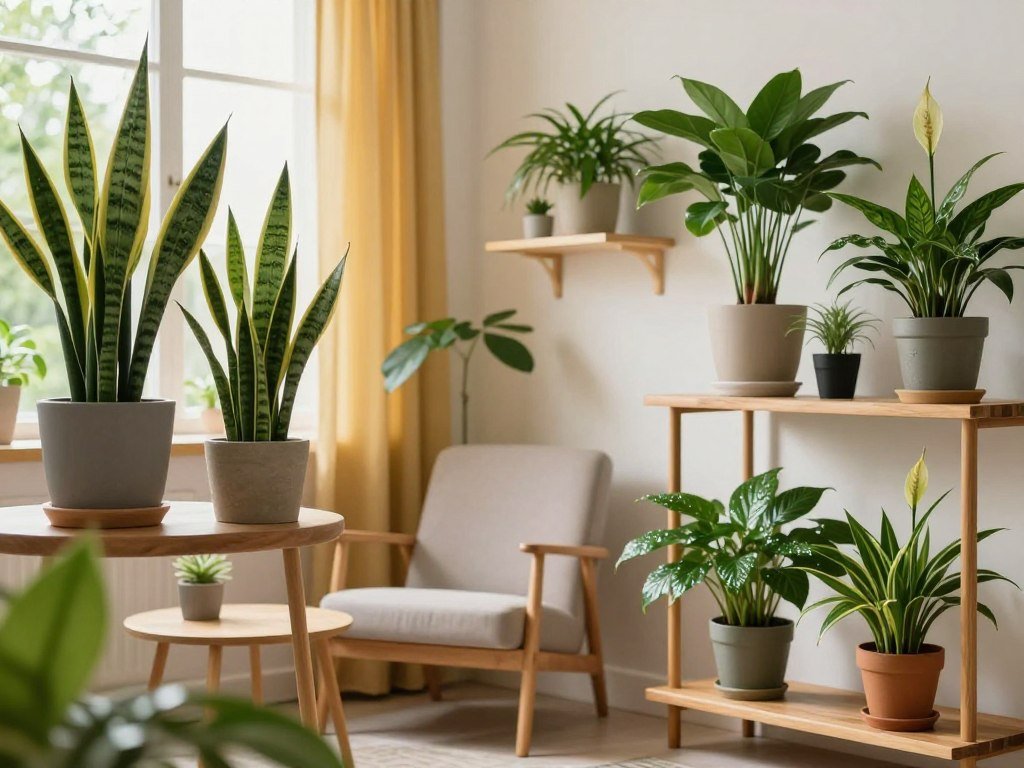
Benefits of Outdoor Air Purifying Plants
Outdoor air purifying plants, on the other hand, offer numerous benefits, including the ability to purify larger volumes of air and contribute to a healthier outdoor environment. Plants like Boston ferns and peace lilies can be placed outdoors in shaded areas to maximize their air-purifying potential.
- Outdoor plants help reduce outdoor pollutants that can seep into your home.
- They contribute to a healthier environment for outdoor activities.
- Outdoor air purifying plants can also enhance the aesthetic appeal of your garden or yard.
As noted by environmental experts, “Outdoor plants are essential for maintaining ecological balance and improving air quality on a larger scale.”
Air Purifying Plants for Allergy Sufferers
If you’re among the millions who suffer from allergies, you might be surprised at how air purifying plants can help alleviate your symptoms. Allergy sufferers often face challenges in maintaining good indoor air quality, but certain plants can make a significant difference.
Air purifying plants are known to remove allergens and irritants from the air, creating a healthier indoor environment. By incorporating the right plants into your home, you can reduce your exposure to common allergens.
Recommendations for Low-Allergen Options
When selecting air purifying plants for allergy sufferers, it’s essential to choose varieties that are low in allergenic potential. Some plants are more suitable than others because they produce fewer allergenic particles.
- Spider Plant: Known for its ease of care and low allergen production, the spider plant is an excellent choice.
- Bamboo Palm: This plant is not only effective at purifying the air but also tends to produce fewer allergens.
- Peace Lily: While it’s known to be effective in air purification, it’s worth noting that some people might be sensitive to its pollen.
How Plants Can Help Reduce Allergens
Air purifying plants contribute to a healthier indoor environment by removing pollutants and allergens from the air. Through photosynthesis, these plants absorb carbon dioxide and release oxygen, improving air quality.
Moreover, plants like the English Ivy and Dracaena are known to reduce airborne particles and allergens, making them beneficial for individuals with allergies.
By understanding how air purifying plants work and selecting the right varieties, allergy sufferers can create a more comfortable and healthier living space.
Toxic Plants to Avoid in Your Home
While air purifying house plants can greatly improve indoor air quality, it’s crucial to be aware of the plants that can be toxic to humans and pets. Many common household plants can be hazardous if ingested or if their sap comes into contact with skin.
Common Household Plants That Are Toxic
Some popular air purifying house plants can be toxic, so it’s essential to know which ones to avoid, especially if you have pets or young children. For example, Dieffenbachia and Philodendron are known to be toxic due to their insoluble calcium oxalate crystals, which can cause oral and gastrointestinal irritation.
Other plants like Oleander and Lily are highly toxic and should be kept out of reach of children and pets. Oleander contains toxic compounds that can be fatal if ingested, while Lily plants are particularly hazardous to cats.
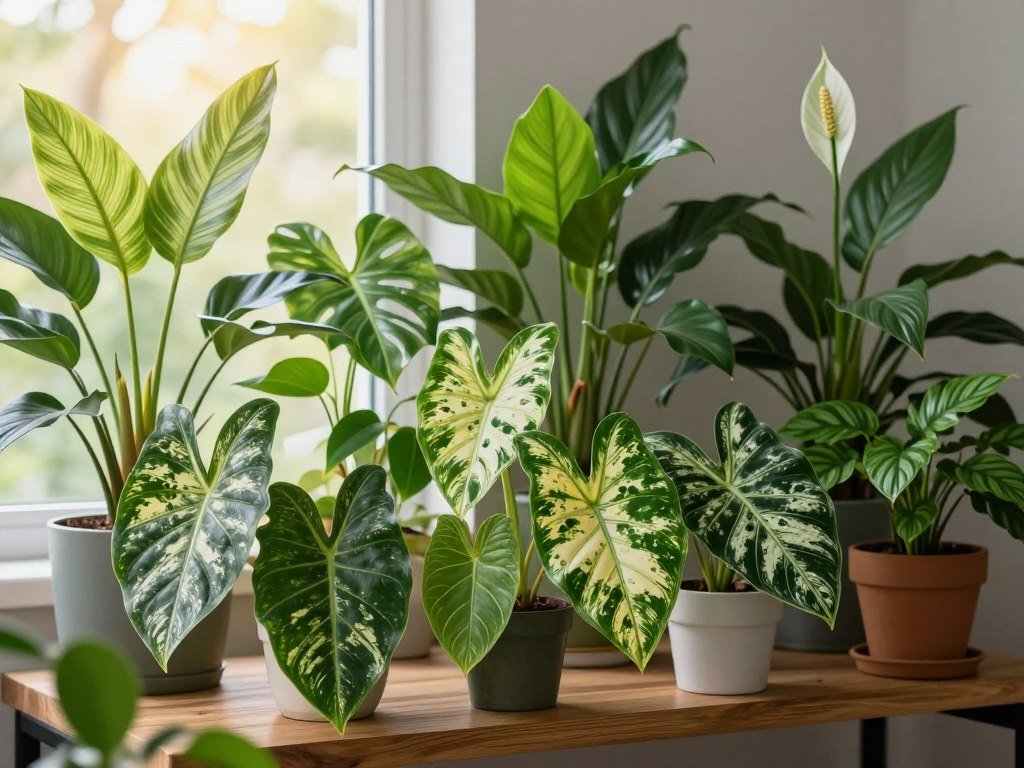
Safe Practices for Plant Care
To enjoy the benefits of air purifying house plants while minimizing risks, follow safe plant care practices. First, research any new plant before bringing it home to ensure it’s non-toxic to humans and pets.
Keep plants out of reach of children and pets, and consider using plant stands or hanging baskets to elevate them. Wear gloves when handling plants that might cause skin irritation, and wash your hands afterward.
- Research plants before bringing them home.
- Keep toxic plants out of reach.
- Use protective gear when handling potentially irritating plants.
By being aware of the potential risks and taking steps to mitigate them, you can enjoy the benefits of air purifying house plants in your home.
Air Purifying Plants in Different Climates
The climate you live in can greatly affect the types of air purifying plants that will thrive in your environment. Understanding the specific needs of plants in different climates is crucial for maximizing their air purifying benefits.
Air purifying plants are not a one-size-fits-all solution; their effectiveness can be significantly influenced by the local climate. Natural air purifiers work best when they are well-suited to their environment.
Best Plants for Humid Environments
In humid climates, certain air purifying plants excel due to their ability to thrive in moist conditions. These include:
- Peace Lilies, known for their elegant white blooms and robust air purifying capabilities.
- Boston Ferns, which not only purify the air but also add a lush, green texture to indoor spaces.
- English Ivy, a versatile and highly effective air purifier that can grow in a variety of conditions.
Options for Dry Climates
In dry climates, plants that are adapted to arid conditions are more likely to succeed. Some of the top air purifying plants for dry environments include:
- Snake Plants, renowned for their drought tolerance and low maintenance requirements.
- Spider Plants, which are not only great air purifiers but also easy to care for in dry conditions.
- Aloe Vera, a popular choice for its air purifying properties and ability to thrive in dry environments.
By choosing the right air purifying plants for your climate, you can enhance indoor air quality and create a healthier living space.
Conclusion: Making the Most of Your Greenery
By now, it’s clear that Air Purifying Plants are a simple yet effective way to improve indoor air quality and enhance overall well-being. To reap the benefits, Teleflora suggests having one large plant for every 129 square feet in your home.
Establishing a Care Routine
To keep your air cleaning plants thriving, establish a consistent care routine. This includes proper watering, fertilization, and pruning. By doing so, you’ll not only enjoy the aesthetic appeal of your plants but also maximize their air purifying qualities.
Embracing a Healthier Home
Incorporating Air Purifying Plants into your home decor is a step towards creating a healthier living space. With the right plants and proper care, you can enjoy improved air quality, enhanced mood, and a more beautiful home. Start your journey to a greener, healthier home today.
FAQ
What are the best air purifying plants for a bedroom?
Are indoor air purifying plants difficult to maintain?
How many air filtering house plants do I need per room?
Can air cleaning plants really remove smoke and odors?
Which air purifying house plants are safe for cats and dogs?
Do natural air purifiers help with mold?

SmartLivingJournal
Prabir Dutta is a passionate digital creator, affiliate marketer, and wellness enthusiast who simplifies complex topics like AI tools, Vastu, pet care, and modern living. With a keen eye for SEO, tech trends, and everyday health solutions, he writes to empower readers with actionable, smart-living insights. When not curating content across his network of niche blogs, Prabir enjoys exploring new digital tools that make life easier and more efficient.
Keep exploring Smart Living Journal
Discover more practical ideas on wellness, home living, plants, pets, routines, and smarter everyday upgrades.