

Did you know that nearly one-third of American adults report feeling exhausted most days, despite logging the recommended hours in bed? It is a startling reality that many of us accept as a normal part of modern life. However, waking up feeling drained is a clear signal that your body is struggling to reach restorative rest.
Understanding why you’re always tired (even after sleeping) is the first step toward reclaiming your energy. This persistent fatigue often stems from hidden lifestyle habits or underlying medical conditions that disrupt your internal clock. Ignoring these signs can lead to long-term health complications that impact your daily performance.
Identifying the root cause is essential for your well-being. By making small, intentional changes, you can improve your vitality and restore your quality of life. This guide provides the actionable steps needed to help you wake up feeling refreshed and ready to tackle the day ahead.
Key Takeaways
- Chronic exhaustion is not a normal state and often indicates an underlying health issue.
- Lifestyle factors like screen time and diet significantly impact your rest quality.
- Medical conditions such as sleep apnea may require professional diagnosis and treatment.
- Consistency in your evening routine helps regulate your natural circadian rhythm.
- Small, sustainable changes lead to lasting improvements in your daily energy levels.
The Science of Sleep Architecture and Why You’re Always Tired (Even After Sleeping)
If you find yourself wondering why you’re always tired (even after sleeping), the answer often lies in the hidden stages of your nightly rest. Sleep is not merely a passive state of being; it is a highly active process of physical and mental restoration. Your body follows a specific internal blueprint that must be completed to ensure you wake up feeling refreshed.
Understanding Sleep Cycles
Throughout the night, your brain moves through several distinct stages in cycles that typically last about 90 minutes. These cycles consist of Non-Rapid Eye Movement (NREM) sleep and Rapid Eye Movement (REM) sleep. During the deeper stages of NREM, your body focuses on physical repair, tissue growth, and immune system support.
As the night progresses, the proportion of REM sleep increases. This stage is crucial for memory consolidation and emotional regulation. If your sleep is interrupted before these cycles can complete, you miss out on these vital restorative functions.
The Difference Between Sleep Quantity and Quality
Many people mistakenly believe that hitting a specific number of hours is the only goal for a good night’s rest. However, sleep quality is just as important as the total time spent in bed. You might spend eight hours in bed, but if your sleep is fragmented by frequent awakenings, you are essentially suffering from sleep deprivation.
Fragmented sleep prevents you from reaching the deep, restorative stages necessary for true recovery. When your sleep architecture is disrupted, your brain cannot effectively clear out toxins or process the day’s information. This is why you can feel exhausted even after a full night of rest, as your body never truly enters the deep, healing phases it requires to function at its best.
Common Medical Conditions That Disrupt Restful Sleep
Underlying medical conditions often act as silent thieves, stealing the restorative sleep your body desperately needs. Even if you spend eight hours in bed, these physical barriers can prevent you from achieving the deep, restful sleep required for true recovery. Persistent tiredness is frequently a signal that your body is struggling against an internal obstacle.

Sleep Apnea and Breathing Obstructions
Obstructive Sleep Apnea (OSA) is one of the most common culprits behind chronic tiredness. This condition occurs when your throat muscles relax too much during sleep, causing your airway to collapse or become blocked. These brief pauses in breathing force your brain to wake up just enough to restart the process, often without you ever realizing it.
Because these micro-arousals happen hundreds of times per night, your sleep cycle is constantly fragmented. You never reach the deep, restorative stages of sleep necessary for physical and mental repair. If you snore loudly or wake up gasping for air, it is essential to consult a healthcare professional for a formal evaluation.
Restless Legs Syndrome and Periodic Limb Movement
Restless Legs Syndrome (RLS) creates an uncomfortable sensation in the legs, often described as a crawling or tingling feeling. This urge to move your limbs usually intensifies in the evening, making it difficult to fall asleep. When left untreated, this condition can lead to significant sleep deprivation.
Similarly, Periodic Limb Movement Disorder (PLMD) involves repetitive, involuntary jerking of the legs or arms during the night. These movements can disrupt your restful sleep cycle, leaving you feeling drained the next morning. Identifying these patterns is a vital step toward reclaiming your energy levels.
| Condition | Primary Symptom | Impact on Sleep |
|---|---|---|
| Sleep Apnea | Breathing pauses | Fragmented sleep cycles |
| RLS | Urge to move legs | Difficulty falling asleep |
| PLMD | Involuntary jerking | Frequent night awakenings |
The Impact of Chronic Stress and Mental Health on Fatigue
Chronic stress often acts as a silent thief, stealing the restorative sleep your body desperately needs. When your mind remains preoccupied with daily pressures, your physical fatigue often intensifies, creating a cycle that is difficult to break. Recognizing this connection is the first step toward reclaiming your vitality.
How Anxiety Keeps the Brain Alert
Anxiety functions like a high-speed engine that refuses to turn off, even when you are lying in bed. This state of hyper-arousal keeps your nervous system on high alert, preventing the brain from transitioning into the deep, restorative stages of sleep. Consequently, you may wake up feeling as though you never truly rested.
When your brain stays in “fight or flight” mode, it produces stress hormones like cortisol that disrupt your natural sleep architecture. This persistent state of alertness is a primary driver of daytime fatigue. Learning to calm the mind through mindfulness or breathing exercises can help lower these hormone levels and improve your sleep quality.
Depression and the Physical Manifestation of Exhaustion
Depression is frequently misunderstood as merely a mood disorder, but it often manifests as profound physical exhaustion. Many individuals find that even simple daily tasks feel like climbing a mountain when they are struggling with their mental health. This type of fatigue is not just about being tired; it is a heavy, pervasive feeling that impacts your ability to function.
The brain and body are deeply interconnected, and emotional distress often translates into physical symptoms. If you notice that your fatigue persists despite adequate rest, it may be time to consider how your emotional well-being is influencing your physical state. Seeking professional support can provide the tools necessary to manage these symptoms effectively.
By addressing the root causes of your stress and anxiety, you can begin to alleviate the fatigue that holds you back. Small, consistent changes in how you process your emotions will eventually lead to better energy levels. Remember, your mental health is just as important as your physical health when it comes to feeling your best.
Nutritional Deficiencies and Their Role in Energy Levels
Even if you sleep for eight hours, nutritional gaps can leave you feeling completely drained. Your body relies on a steady supply of vitamins and minerals to function at its best. When these levels drop, you may experience persistent fatigue that no amount of rest can fix.
Think of your body as a high-performance engine that requires specific fuel to run smoothly. If you are missing key nutrients, your internal systems struggle to produce the energy you need for daily tasks. Identifying these gaps is a vital step in reclaiming your vitality.
Iron Deficiency and Anemia
Iron is essential for creating hemoglobin, the protein in red blood cells that carries oxygen throughout your body. When your iron levels are low, your tissues do not receive enough oxygen, which leads to significant physical exhaustion. This condition, known as anemia, is a common culprit behind unexplained fatigue.
If you feel winded after light activity or notice that you are constantly pale, you might be dealing with an iron deficiency. It is important to consult a healthcare provider for a blood panel to check your ferritin levels. Proper supplementation or dietary changes can often restore your energy levels quite quickly.

Vitamin D and B12 Shortfalls
Vitamins D and B12 act as critical catalysts for your metabolism and nervous system health. A deficiency in B12 can lead to nerve issues and a feeling of heavy, lingering fatigue that impacts your cognitive focus. Similarly, low Vitamin D levels are frequently linked to muscle weakness and mood changes.
Many people in the United States do not get enough of these nutrients through their diet alone. You should watch for these common warning signs of potential deficiencies:
- Persistent brain fog or difficulty concentrating.
- Unexplained muscle aches or weakness.
- A general sense of lethargy throughout the day.
- Frequent mood swings or irritability.
Working with a doctor to test your specific nutrient levels is the safest way to address these issues. Relying on guesswork can be ineffective, so professional guidance ensures you take the right steps to resolve your fatigue. By balancing your internal chemistry, you provide your body with the foundation it needs for long-term energy.
The Role of Hydration and Diet in Daily Vitality
If you struggle with a persistent lack of energy, your hydration and diet might be the primary culprits. Many people focus on sleep duration while ignoring the fuel they provide their bodies during waking hours. Making small, consistent changes to your daily intake can significantly support your natural energy production.
How Dehydration Mimics Fatigue
Even mild dehydration can leave you feeling sluggish and mentally foggy. When your body lacks sufficient water, blood volume decreases, which forces your heart to work harder to pump oxygen to your brain and muscles. This physiological stress often manifests as a persistent lack of energy that feels identical to sleep deprivation.
Staying hydrated is not just about drinking water when you are thirsty. By the time you feel parched, your body is already signaling a deficit. Aim to sip water consistently throughout the day to maintain optimal cellular function and keep your focus sharp.
The Blood Sugar Rollercoaster and Energy Crashes
Processed foods high in refined sugars often trigger a rapid spike in glucose followed by a sharp drop. This cycle, known as the blood sugar rollercoaster, is a common cause of the mid-afternoon slump. When your blood sugar crashes, your body experiences a sudden lack of energy that makes it difficult to stay productive.
“Let food be thy medicine and medicine be thy food.”
Stabilizing your intake with complex carbohydrates, healthy fats, and lean proteins helps maintain steady glucose levels. This approach prevents the dramatic highs and lows that drain your vitality. Consider the following comparison to help you make better dietary choices:
| Food Category | Energy Impact | Recommended Choice |
|---|---|---|
| Refined Grains | Rapid Crash | Whole Grains |
| Sugary Snacks | Short-term Spike | Fresh Fruit |
| Processed Meats | Heavy Digestion | Lean Proteins |
| Caffeinated Soda | Dehydration | Herbal Tea |
By choosing nutrient-dense foods, you provide your body with the sustained fuel it needs to thrive. Small shifts in your habits will lead to more stable energy levels and improved overall well-being.
Optimizing Your Sleep Environment for Maximum Recovery
Transforming your sleeping space into a recovery zone is one of the most effective ways to boost your energy. Your bedroom should act as a sanctuary that signals to your brain that it is time to power down. By removing environmental stressors, you can significantly improve your overall sleep quality and wake up feeling truly restored.
Temperature Control and Bedding Quality
The temperature of your room is a major factor in how well you rest throughout the night. Most experts suggest keeping your bedroom between 60 and 67 degrees Fahrenheit for the best results. Cooler air helps your body drop its core temperature, which is a natural trigger for deep, restorative sleep.
Your choice of bedding also plays a vital role in your comfort. Investing in a mattress that provides proper spinal alignment can prevent aches that disrupt your slumber. High-quality pillows and breathable sheets made from natural fibers like cotton or bamboo help regulate heat, ensuring you stay comfortable until morning.

Managing Light and Noise Pollution
Light is the most powerful external cue for your internal clock. Even small amounts of light from street lamps or electronic devices can interfere with your sleep quality by suppressing melatonin. Using blackout curtains or a comfortable eye mask can create the total darkness your body needs to enter deep sleep cycles.
Noise pollution can be just as disruptive, especially if you live in a busy urban area. Sudden sounds often pull you out of deep rest, leaving you feeling groggy the next day. Using a white noise machine or a simple fan can help mask these intrusive sounds, creating a consistent auditory environment that promotes better sleep quality.
How Modern Technology and Blue Light Affect Sleep Patterns
The convenience of modern technology comes with a hidden cost to our natural sleep cycles. While our devices keep us connected, they often interfere with the biological signals that tell our bodies it is time to rest. Understanding this connection is vital for anyone looking to improve their sleep patterns and overall health.
The Suppression of Melatonin Production
Most electronic devices emit high-energy visible light, commonly known as blue light. When your eyes absorb this light late at night, your brain mistakenly perceives it as daylight. This process effectively halts the production of melatonin, the hormone responsible for signaling to your body that it is time to sleep.
Without sufficient melatonin, your internal clock remains stuck in an alert state. This physiological disruption makes it significantly harder to drift off, often leading to chronic insomnia. By keeping your brain in a state of high stimulation, you are essentially fighting against your own biology.
“The light from our screens is a powerful signal to the brain that it is daytime, which is the exact opposite of what we need when trying to wind down for the night.”
Establishing a Digital Sunset Routine
To reclaim your rest, you should consider implementing a “digital sunset.” This involves turning off all screens at least one hour before you plan to go to bed. By creating this buffer, you allow your brain to naturally transition into a state of relaxation.
Replacing screen time with calming activities can drastically improve your sleep patterns. Reading a physical book, practicing light stretching, or listening to soft music are excellent alternatives. These habits help reduce the risk of insomnia by lowering your overall mental stimulation before you hit the pillow.
| Light Source | Blue Light Intensity | Impact on Sleep |
|---|---|---|
| Smartphone Screen | High | Significant Delay |
| E-Reader (Warm Mode) | Low | Minimal Disruption |
| Incandescent Lamp | Very Low | None |
| Television | Moderate | Moderate Delay |
Circadian Rhythms and the Importance of Consistency
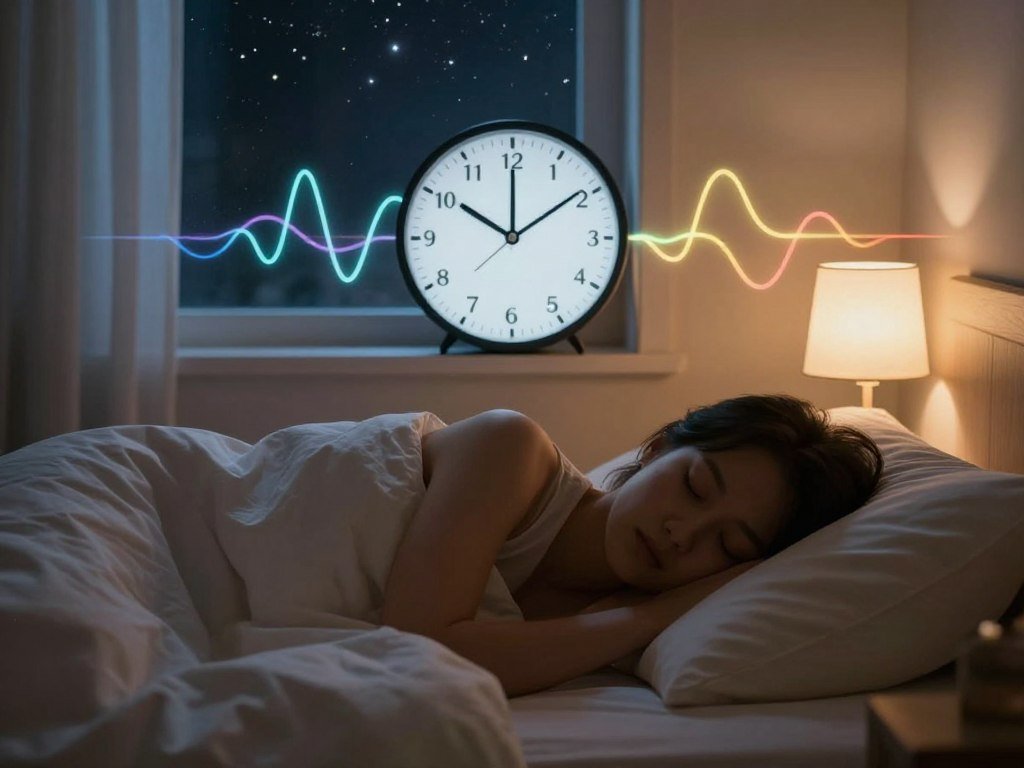
Your internal clock acts like a conductor for your body’s daily energy symphony. When this rhythm is steady, your hormones and brain functions work in perfect harmony to keep you alert during the day. However, frequent changes to your routine can confuse your system and negatively impact your sleep patterns.
Aligning Your Schedule with Natural Light
The most effective way to anchor your internal clock is through consistent exposure to natural light. Sunlight acts as a powerful signal to your brain that it is time to be awake and alert. By stepping outside shortly after waking, you help reset your biological clock for the day ahead.
Try to keep your bedroom environment dark at night to signal that it is time for rest. This contrast between bright mornings and dark evenings is essential for maintaining healthy sleep patterns. Consistency in these daily habits allows your body to predict when it should release sleep-inducing hormones like melatonin.
The Dangers of Social Jetlag on Weekends
Many people fall into the trap of “social jetlag,” which occurs when you shift your sleep schedule significantly on the weekends. Staying up late and sleeping in on Saturday and Sunday creates a mismatch between your internal clock and your social life. This inconsistency often leaves you feeling groggy and unmotivated when Monday morning arrives.
To avoid this cycle, consider these simple strategies for maintaining stability:
- Wake up at the same time every day, even on your days off.
- Limit your weekend sleep-in time to no more than one hour.
- Keep your evening wind-down routine consistent throughout the entire week.
By keeping your sleep patterns stable, you provide your body with the predictability it craves. This simple adjustment often leads to higher energy levels and a more refreshed feeling throughout the work week. Consistency is truly the foundation of restorative rest.
Physical Activity and Its Paradoxical Effect on Energy
It sounds like a contradiction, but staying active is one of the most effective ways to combat persistent exhaustion. While it is tempting to stay still when you feel a lack of energy, movement often acts as a natural fuel for your body. By engaging in regular physical activity, you can significantly improve your long-term vitality and mental clarity.
Why Sedentary Lifestyles Lead to Higher Fatigue
When you remain sedentary for long periods, your body begins to conserve energy by slowing down your metabolic processes. This state of inactivity often leads to a persistent lack of energy because your cardiovascular system is not being challenged to circulate oxygen efficiently. Over time, this makes even simple daily tasks feel like a heavy burden.
Breaking this cycle requires consistent, low-impact movement to wake up your muscles and improve blood flow. You do not need to run a marathon to see results; even short, brisk walks can help reset your internal battery. Consistent movement is the key to preventing the sluggishness that comes from sitting for too many hours.
Timing Your Workouts for Better Sleep
While exercise is vital, the timing of your physical activity plays a major role in how well you rest at night. Working out too close to bedtime can leave your body in a state of high arousal, making it difficult to drift off. To avoid this, try to finish your most intense sessions at least three hours before you plan to sleep.
If you struggle with a lack of energy during the day, morning or early afternoon workouts are often the best choice. These sessions help regulate your circadian rhythm and provide a natural boost that lasts throughout the day. By aligning your movement with your body’s natural clock, you ensure that exercise supports your sleep rather than disrupting it.
Substances That Sabotage Your Sleep Quality
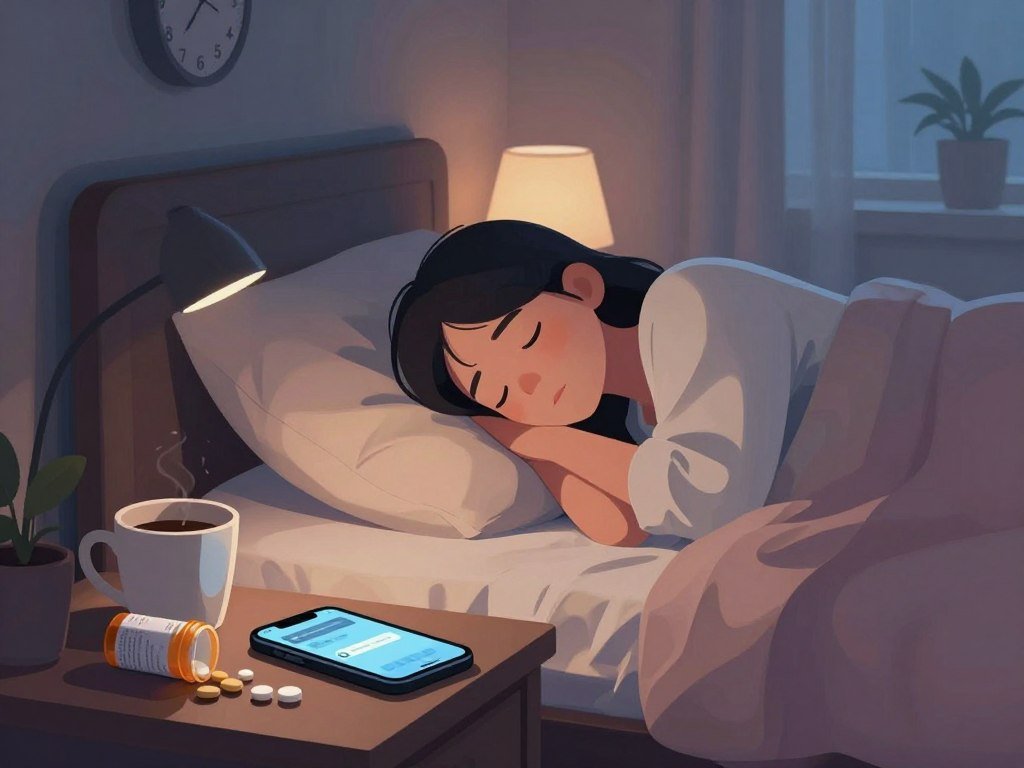
It is easy to overlook how common substances can quietly dismantle your ability to achieve deep, restorative sleep. Many people unknowingly consume items throughout the day that linger in their systems long after they head to bed. By identifying these triggers, you can take control of your sleep quality and finally wake up feeling refreshed.
The Hidden Effects of Caffeine Timing
Caffeine is a powerful stimulant that blocks adenosine, the chemical in your brain that signals it is time to rest. While a morning cup of coffee helps you start your day, the half-life of caffeine means it stays in your bloodstream for many hours. Consuming caffeine in the afternoon can prevent you from reaching the deep stages of sleep required for physical recovery.
If you struggle to fall asleep, try setting a strict “caffeine curfew” around noon or early afternoon. If you are a heavy coffee drinker, do not quit cold turkey, as this often leads to unpleasant withdrawal headaches. Instead, gradually reduce your intake over several days to allow your body to adjust comfortably.
Alcohol as a Sleep Disruptor
Many people believe that a nightcap helps them fall asleep faster, but this is a common misconception. While alcohol acts as a sedative initially, it significantly degrades your sleep quality by fragmenting your sleep cycles throughout the night. It often suppresses REM sleep, which is essential for emotional regulation and cognitive function.
As your body metabolizes alcohol, it can cause you to wake up frequently or experience restless tossing and turning. To improve your rest, try limiting alcohol consumption to earlier in the evening or avoiding it entirely on nights when you need high-quality recovery. Making these small adjustments can lead to a noticeable improvement in how you feel each morning.
When to Seek Professional Medical Advice
Persistent tiredness can be a signal from your body that something more complex is happening beneath the surface. While many people manage low energy through lifestyle adjustments, there are moments when professional guidance becomes essential. Recognizing the boundary between temporary exhaustion and a medical concern is a vital step toward reclaiming your vitality.
“The art of medicine consists of amusing the patient while nature cures the disease.”
Recognizing Red Flags for Chronic Fatigue Syndrome
Chronic Fatigue Syndrome, or CFS, is characterized by extreme fatigue that does not improve with rest. If you experience symptoms that last for more than six months and significantly limit your daily activities, it is time to speak with a healthcare provider. You should pay close attention to post-exertional malaise, where even minor physical or mental effort leads to a severe crash.
Other warning signs include unrefreshing sleep, persistent muscle pain, and cognitive difficulties often described as “brain fog.” If your fatigue is accompanied by unexplained headaches or tender lymph nodes, do not ignore these signals. A doctor can help differentiate between common burnout and conditions that require specific clinical management.
Preparing for a Sleep Study Consultation
When you decide to visit a specialist, preparation is key to getting an accurate diagnosis. Start by keeping a detailed sleep diary for at least two weeks before your appointment. Note exactly when you go to bed, how long it takes to fall asleep, and how many times you wake up during the night.
Be ready to discuss your medical history, including any medications or supplements you currently take. Professional medical advice is most effective when you provide clear data about your daily habits and the severity of your tiredness. By arriving prepared, you ensure that your doctor has the necessary information to determine if a formal sleep study is the right path for your recovery.
Diagnostic Tools and Medical Interventions
Uncovering the root cause of persistent exhaustion often requires a deeper look into your internal biology. When lifestyle adjustments do not yield the results you expect, professional medical diagnostics can provide the clarity you need to move forward.
These interventions are designed to move beyond guesswork. By utilizing objective data, doctors can pinpoint specific physiological barriers that prevent you from achieving restorative rest.
Blood Panels and Hormone Testing
Your blood acts as a map of your internal health. Comprehensive blood panels are essential for identifying hidden issues like anemia, thyroid dysfunction, or chronic inflammation that might be draining your energy reserves.
Hormone testing is equally vital, especially when looking at cortisol levels or sex hormone imbalances. These markers often dictate your body’s ability to regulate energy throughout the day. By analyzing these levels, your physician can create a targeted plan to restore your natural balance.

Cognitive Behavioral Therapy for Insomnia
When physical causes are ruled out, the focus often shifts to behavioral patterns. Cognitive Behavioral Therapy for Insomnia, or CBT-I, is widely considered the gold standard for treating chronic sleep issues without relying on medication.
This structured program helps you identify and replace thoughts and behaviors that cause or worsen insomnia. It is highly effective because it addresses the root psychological triggers of your sleep struggles.
Key benefits of choosing this path include:
- Long-term results: You learn skills that last a lifetime.
- Drug-free approach: It avoids the side effects of sleep aids.
- Personalized care: Therapists tailor the program to your specific sleep habits.
If you find that your insomnia persists despite your best efforts, seeking a specialist trained in CBT-I can be a life-changing decision. This evidence-based approach empowers you to take control of your nights and reclaim your days.
Building Sustainable Habits for Long-Term Energy
You can transform your daily energy levels by adopting a few simple, sustainable habits. While occasional fatigue is common, chronic sleep deprivation often stems from a lack of consistent lifestyle structure. By implementing small, actionable health tips, you can reclaim your vitality and prevent future exhaustion.
Creating a Pre-Sleep Wind-Down Ritual
Your body needs a clear signal that the day is ending. A structured wind-down ritual helps lower your heart rate and prepares your mind for deep, restorative rest. These health tips focus on calming the nervous system before you hit the pillow.
- Dim the lights in your home one hour before bed to boost natural melatonin.
- Engage in light stretching or gentle yoga to release physical tension.
- Practice deep breathing or meditation to quiet racing thoughts.
Tracking Your Progress with Sleep Journals
Keeping a sleep journal is a powerful way to identify hidden patterns that contribute to sleep deprivation. By recording your daily activities, you can pinpoint specific triggers that disrupt your rest. This data-driven approach allows you to make informed adjustments to your routine.
Consider tracking your caffeine intake, meal times, and stress levels alongside your sleep quality. Over time, you will see clear trends that help you optimize your recovery. Use the following table to evaluate your current evening habits and identify areas for improvement.
| Habit Category | Ineffective Practice | Sustainable Alternative |
|---|---|---|
| Digital Usage | Scrolling social media | Reading a physical book |
| Environment | Bright overhead lights | Warm, dim bedside lamps |
| Mental State | Planning tomorrow’s tasks | Writing a “to-do” list early |
| Physical Prep | Late-night heavy snacks | Herbal tea or light reading |
Conclusion
Occasional fatigue is a normal part of life, but persistent exhaustion serves as a vital signal from your body. It indicates that your internal systems require attention and care. Implementing these health tips helps you identify the root causes of your sluggishness.
You possess the power to transform your energy levels by making small, intentional adjustments. Prioritizing your well-being often starts with simple changes to your daily routine. These health tips provide a roadmap for those seeking a more vibrant lifestyle.
You know your body better than anyone else. Trust your instincts when you feel that something is not right. Seeking guidance from a medical professional at a clinic like Mayo Clinic or Cleveland Clinic is a sign of strength when self-care is not enough.
Commit to these health tips to build a foundation for lasting wellness. A refreshed, alert, and fully energized version of yourself is within reach. Start your journey toward better rest today.
FAQ
Why am I experiencing extreme tiredness even though I slept for eight hours?
Can sleep deprivation occur if I’m getting enough hours of rest?
What are some effective health tips to combat daily fatigue?
Is my lack of energy a sign of clinical insomnia?
How does dehydration contribute to persistent tiredness?
Why do I feel a sudden lack of energy in the middle of the afternoon?

SmartLivingJournal
Prabir Dutta is a passionate digital creator, affiliate marketer, and wellness enthusiast who simplifies complex topics like AI tools, Vastu, pet care, and modern living. With a keen eye for SEO, tech trends, and everyday health solutions, he writes to empower readers with actionable, smart-living insights. When not curating content across his network of niche blogs, Prabir enjoys exploring new digital tools that make life easier and more efficient.
Keep exploring Smart Living Journal
Discover more practical ideas on wellness, home living, plants, pets, routines, and smarter everyday upgrades.