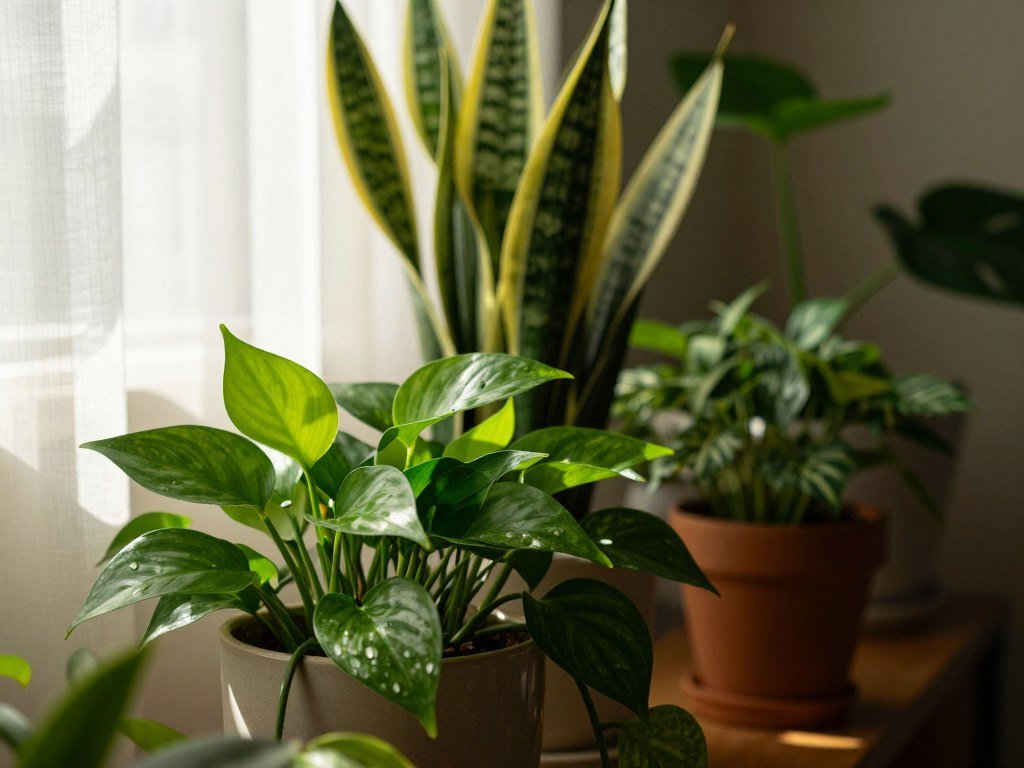
Standard window glass blocks nearly 75 percent of the sun’s energy. This creates a much darker interior in most American homes than we often realize. If you reside in a cozy apartment or work in a windowless office, keeping foliage alive feels like a difficult hurdle.
Many dwellers across the United States want to add a living touch to their home decor. Modern apartments often lack massive windows, which presents unique challenges for any gardener. While standard environments offer less natural brightness, choosing specific low light indoor plants can solve this problem. These hardy varieties thrive where others might fail.
Bringing nature inside shouldn’t be a struggle for your green thumb. By selecting the right Low Light Plants, you can transform any dim corner into a vibrant sanctuary. This guide helps you navigate the best options for your specific space. Let’s explore how to keep your greenery healthy and happy in the shadows.
Key Takeaways
- Window glass significantly reduces available solar energy for foliage.
- Specific species are naturally adapted to thrive in dim conditions.
- Indoor greenery effectively boosts mood and enhances aesthetics.
- Hardy varieties represent the best choice for windowless offices.
- Proper selection ensures success for modern urban gardeners.
- Shadowy corners can easily become lush and vibrant spaces.
What Are Low Light Plants?
Understanding low light plants is key to unlocking the potential of any indoor space, regardless of its lighting conditions. These plants have adapted to thrive in environments with limited sunlight, making them perfect for rooms that don’t receive much natural light.
Definition and Characteristics
Low light plants are defined as those that can survive and even flourish in conditions with minimal sunlight, typically less than 250 foot-candles. This characteristic makes them ideal for indoor spaces such as basements, offices, or rooms with limited window space. These plants have evolved unique physiological adaptations to survive in low light, such as larger leaves to capture more light or slower growth rates to conserve energy.
Benefits of Low Light Plants
The benefits of low light plants extend beyond their ability to thrive in low-light conditions. They are also known to improve indoor air quality by removing pollutants and toxins from the air, contributing to a healthier indoor environment. Moreover, they add aesthetic value to a room, providing a touch of nature and enhancing the overall ambiance.
To summarize, low light plants are not just a practical solution for indoor gardening in spaces with limited natural light; they also offer numerous benefits that can enhance the quality and beauty of indoor spaces.
Best Low Light Plants for Beginners
If you’re just starting out with indoor plants, you’ll want to choose varieties that thrive in low-light conditions. These plants are not only beautiful but also easy to care for, making them perfect for those new to indoor gardening.
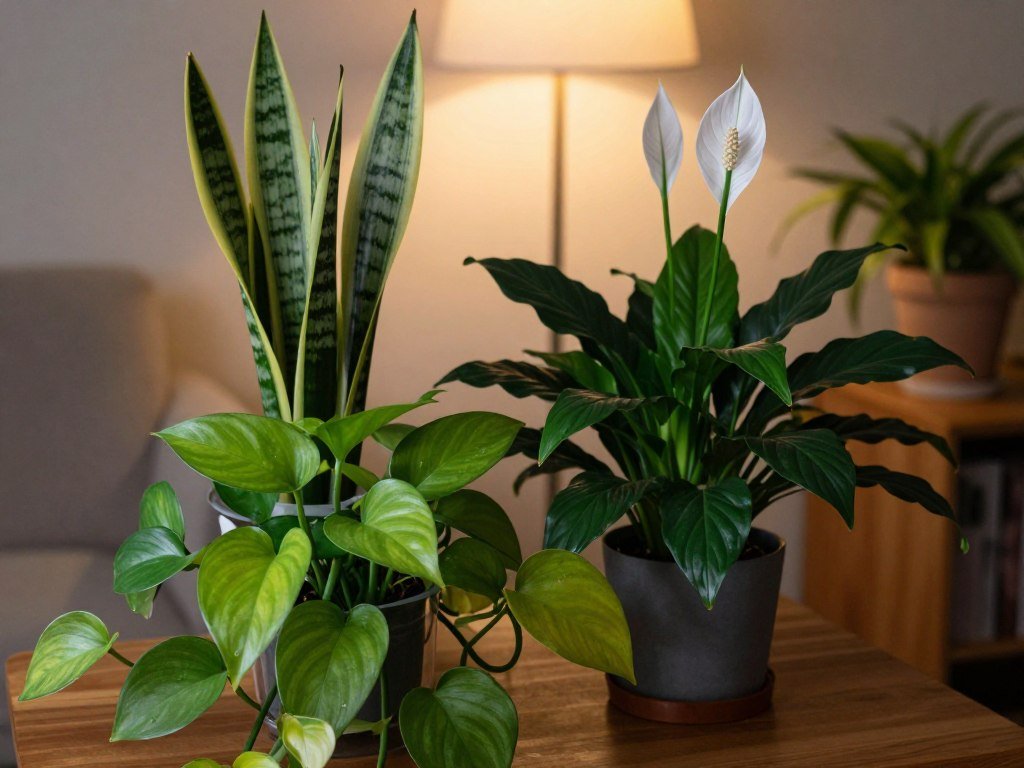
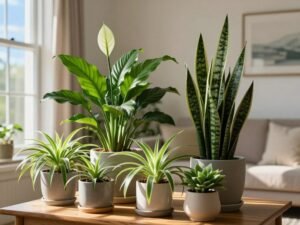
Snake Plant
The Snake Plant is a popular choice for beginners due to its ability to tolerate low light and infrequent watering. It’s a low-maintenance plant that can survive with minimal care, making it ideal for busy individuals.
This plant is also known for its air-purifying properties, removing toxins from the air and improving indoor air quality.
Pothos
Pothos is another low-light plant that’s perfect for beginners. It’s a versatile plant that can be trained to climb or left to trail, making it a great addition to any room.
Pothos is also easy to care for, requiring only occasional watering and fertilization. It’s a great choice for those who want a low-fuss plant that still adds a touch of greenery to their space.
ZZ Plant
The ZZ Plant is a low-light succulent plant that’s known for its ability to survive in extreme conditions. It can tolerate low light, infrequent watering, and neglect, making it a great choice for beginners.
This plant is also a great air purifier, removing toxins from the air and improving indoor air quality. It’s a hardy and low-maintenance plant that’s perfect for those new to indoor gardening.
How to Choose the Right Low Light Plant
The journey to finding the perfect low light plant begins with understanding your space’s unique conditions. Choosing the right low light indoor plants or low light houseplants can be a bit challenging, but by considering a few key factors, you can make an informed decision.
Assessing Your Space
Before selecting a low light plant, it’s essential to assess the lighting conditions in your home. Observe the areas where you plan to place the plant, noting the intensity and duration of the light it receives. Some plants can tolerate extremely low light, while others require slightly brighter conditions.
As plant expert Jane Smith once said, “Understanding the light requirements of your plants is crucial for their survival and thriving.”
“The right plant in the right place can make all the difference in maintaining its health and enhancing its beauty.”
Personal Preferences
Your personal preferences play a significant role in choosing the right low light plant. Consider factors such as maintenance requirements, plant size, and aesthetic appeal. If you tend to forget to water your plants, a forgiving variety like the Snake Plant or ZZ Plant might be an excellent choice.
- Consider the mature size of the plant and whether it will fit in the designated space.
- Think about the style and decor of your home and choose a plant that complements it.
- Reflect on your ability to provide the necessary care, including watering and fertilization.
By taking these factors into account, you can select a low light plant that not only thrives in your environment but also brings you joy and satisfaction.
Care Tips for Low Light Plants
To keep your low light plants thriving, it’s essential to understand their specific care requirements. Low light plants are generally more forgiving than plants that require direct sunlight, but they still need proper care to flourish.
Proper care involves understanding the unique needs of your plants, including watering and fertilization. By mastering these basics, you can enjoy healthy, thriving plants that bring life to any room.
Watering Requirements
One of the most common mistakes when caring for low light plants is overwatering. These plants typically require less water than those in brighter conditions, as they undergo slower growth. Check the soil moisture by sticking your finger into the soil up to the first knuckle; if the soil feels dry, it’s time to water.
- Water your plants when the top inch of soil feels dry.
- Avoid getting water on the leaves to prevent fungal diseases.
- Use room temperature water to prevent shocking the roots.
As a general rule, low light plants prefer to dry out slightly between waterings. This helps prevent root rot, a common issue with overwatered plants.
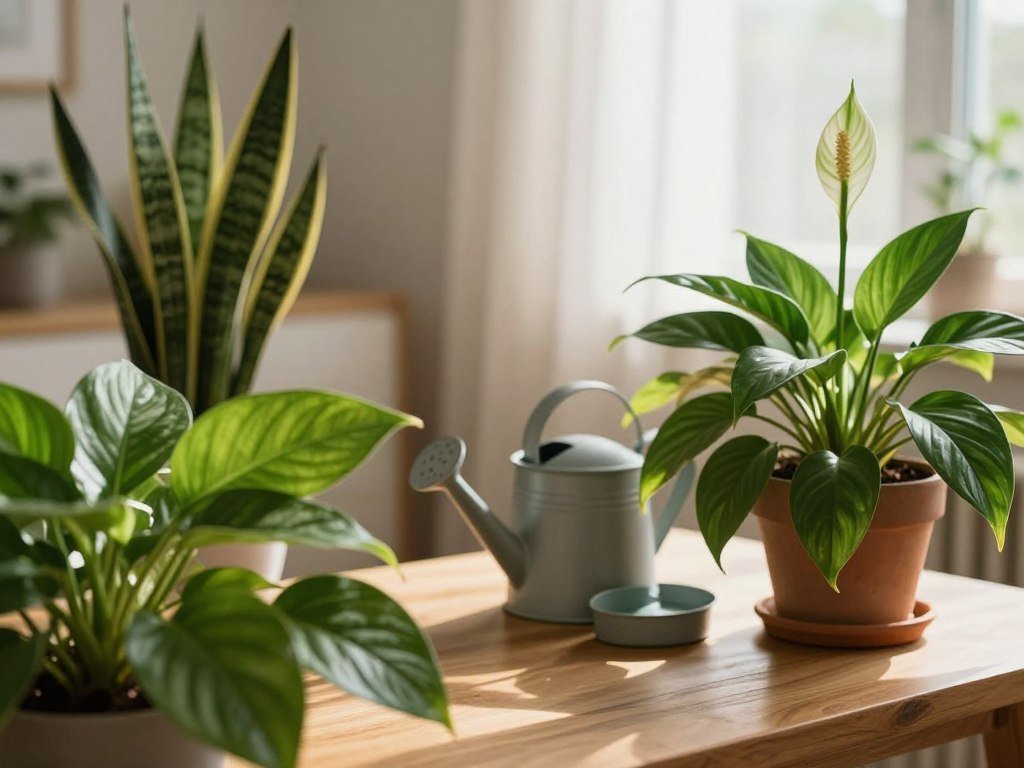
Fertilization Dos and Don’ts
Fertilizing your low light plants is crucial for their health and growth. However, these plants require less fertilizer than those in brighter conditions. A balanced, water-soluble fertilizer is a good choice, but be sure to dilute it to half the recommended strength to avoid burning the roots.
Here are some fertilization dos and don’ts to keep in mind:
- Do fertilize your plants during the growing season (spring and summer).
- Don’t fertilize during the dormant season (fall and winter), as this can cause unnecessary stress.
- Do use a balanced fertilizer to provide essential nutrients.
- Don’t overfertilize, as this can damage the roots and cause more harm than good.
By following these care tips, you can enjoy thriving low light plants that enhance the beauty of your home. Remember, the key to successful plant care is understanding and meeting the specific needs of your plants.
“The right care for your low light plants can make all the difference in their health and longevity.”
Popular Low Light Plants
When it comes to brightening up a room with minimal natural light, certain plants stand out for their beauty and resilience. Among the best low light plants, some species have gained popularity due to their unique features and low-maintenance requirements.
Peace Lily
The Peace Lily is a favorite among those who enjoy low light flowering plants. It’s known for its elegant white blooms and ability to purify the air. This plant is relatively easy to care for, requiring minimal watering and fertilization.
Spider Plant
The Spider Plant is another popular choice for low-light areas. It’s praised for its ease of propagation and maintenance. Spider Plants are great air purifiers and can be grown in a variety of conditions, making them versatile for different spaces.
Cast Iron Plant
The Cast Iron Plant is renowned for its hardiness and ability to thrive in low-light conditions. It’s a low-maintenance plant that can tolerate neglect, making it perfect for busy individuals or those new to plant care.
Here’s a comparison of these popular low-light plants:
| Plant | Lighting Requirements | Watering Needs | Maintenance Level |
|---|---|---|---|
| Peace Lily | Low to Medium | Moderate | Low |
| Spider Plant | Low to Bright | Moderate | Low |
| Cast Iron Plant | Low | Low | Very Low |
These plants not only add beauty to indoor spaces but also contribute to a healthier environment by purifying the air. Whether you’re a seasoned plant enthusiast or a beginner, incorporating these best low light plants into your decor can enhance your home’s ambiance and well-being.
Creative Ways to Display Low Light Plants
With a little creativity, low-light plants can become a stunning feature in any home or office. Displaying them in innovative ways not only enhances their beauty but also adds a touch of greenery to indoor spaces.
One of the simplest ways to showcase low-light plants is by using shelves and stands. These provide an excellent opportunity to create a visually appealing display. For instance, a tiered shelving unit can be used to stack multiple plants, creating a lush, green display that’s perfect for corners or against walls.
Shelves and Stands
Shelves and stands come in a variety of styles and materials, from modern glass and metal to rustic wood. Choosing the right one depends on your interior decor and personal preferences. For example, a minimalist office might benefit from sleek, modern stands, while a cozy living room could be enhanced with wooden shelves.
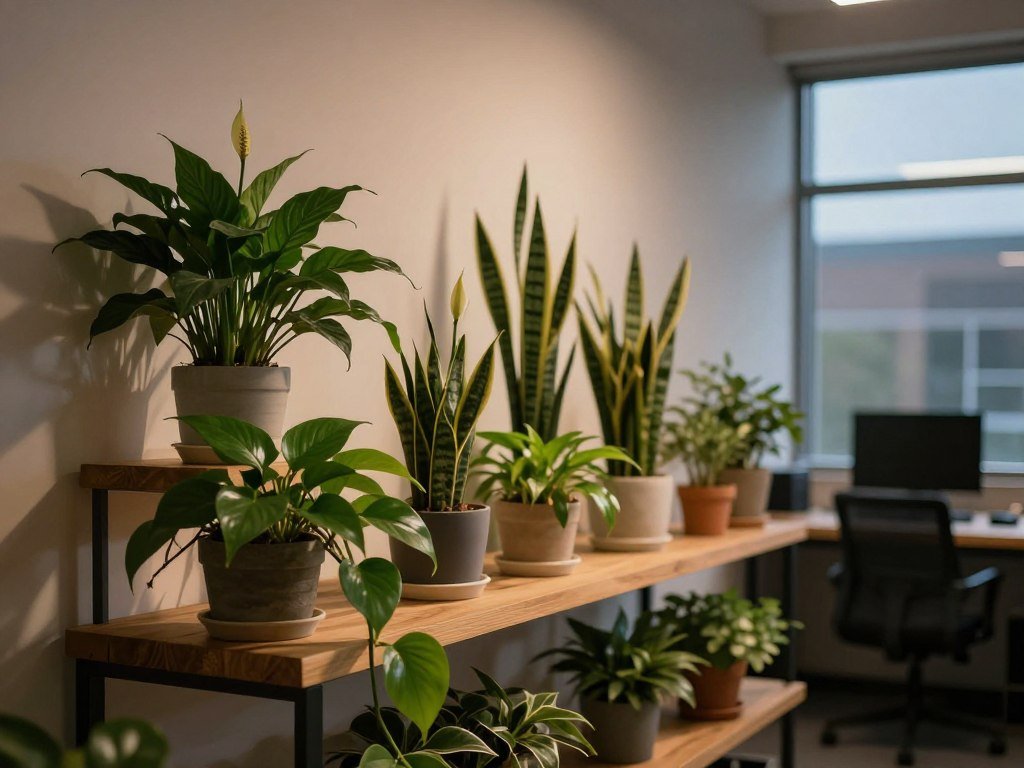
When selecting shelves and stands, consider the size and growth habits of your plants. Some plants, like the Snake Plant, can grow quite tall and may require sturdy stands to prevent them from toppling over.
Hanging Planters
Another creative way to display low-light plants is by using hanging planters. These are perfect for adding a touch of greenery to ceilings or walls, making the most of vertical space. Hanging planters can be made from a variety of materials, including macramé, woven fibers, or modern plastic designs.
Hanging planters are particularly suited for plants with trailing habits, such as Pothos or Spider Plants. These plants cascade down, creating a beautiful, lush display that adds movement and texture to a room.
By incorporating shelves, stands, and hanging planters into your decor, you can enjoy the beauty of low-light plants like low light tropical plants in creative and visually appealing ways.
Common Issues with Low Light Plants
Despite their hardiness, low-light plants are not immune to problems like yellowing leaves and diseases. These issues can often be traced back to improper care or environmental factors.
Yellowing Leaves
Yellowing leaves on low-light plants can be caused by several factors, including overwatering, underwatering, or exposure to too much direct sunlight. To address this issue, it’s essential to identify the root cause.
For instance, if the soil is consistently waterlogged, it may be a sign of overwatering. On the other hand, if the soil is dry for an extended period, the plant may need more frequent watering. Adjusting your watering schedule accordingly can help resolve the issue.
Pests and Diseases
Low-light plants can be susceptible to pests like spider mites, mealybugs, and scale. Regularly inspecting your plants and maintaining good air circulation can help prevent infestations.
If you notice any pests, treat the plant with insecticidal soap or neem oil. For diseases, ensure that you remove any infected leaves and adjust your watering habits to prevent fungal growth.
| Issue | Cause | Solution |
|---|---|---|
| Yellowing Leaves | Overwatering, Underwatering, Direct Sunlight | Adjust Watering Schedule, Improve Drainage |
| Pests | Poor Air Circulation, Infestation | Improve Air Circulation, Use Insecticidal Soap |
| Diseases | Overwatering, Poor Sanitation | Remove Infected Leaves, Adjust Watering Habits |
Propagating Low Light Plants
Low-light plants can be easily propagated using a few straightforward methods, making it easy to expand your indoor garden. Propagating these plants not only allows you to share them with friends and family but also gives you the opportunity to grow new plants and keep your existing ones healthy.
“Propagating plants is a great way to breathe new life into your indoor space,” says a renowned horticulturist. This process can be both rewarding and a fun hobby.
Stem Cuttings
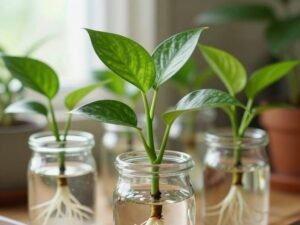
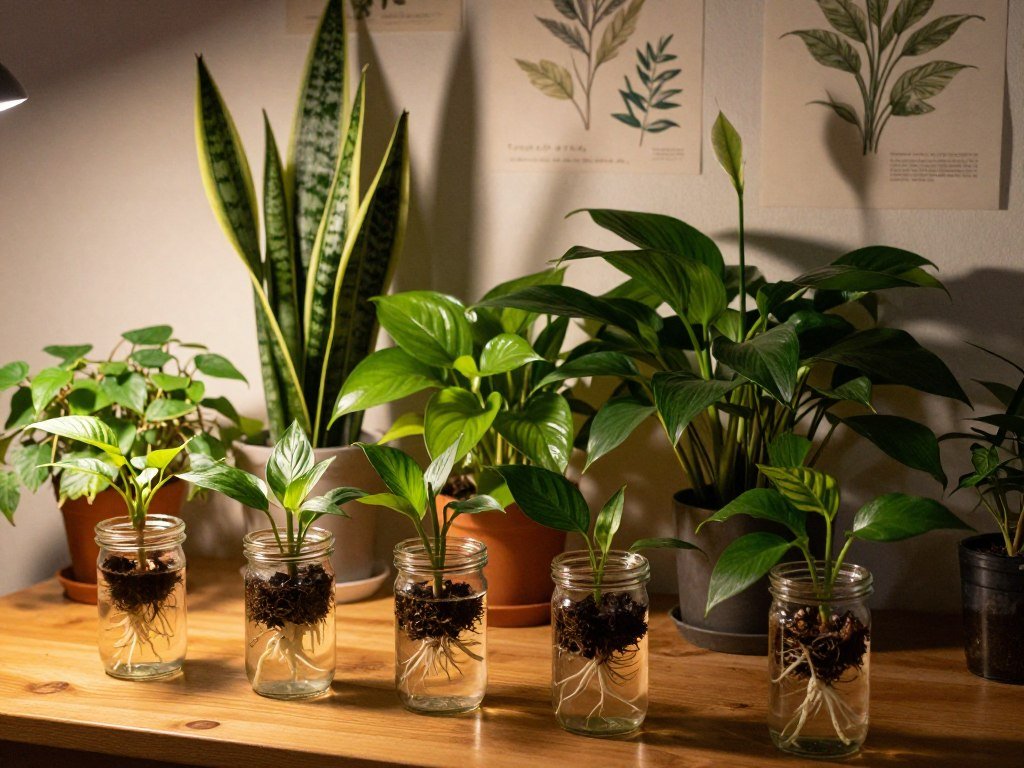
One of the most common methods for propagating low-light plants is through stem cuttings. This involves cutting a section of the stem from the mother plant, typically just above a node, and then rooting it in either water or soil.
- Choose a healthy stem with at least two nodes.
- Cut the stem just below a node using a clean, sharp tool.
- Remove lower leaves, leaving only a few at the top.
- Place the cutting in water or moist soil, and keep it in a bright, indirect light location.
Some plants, like Pothos and Philodendron, root easily in water, while others may prefer soil. Be patient, as rooting can take anywhere from a few weeks to a couple of months.
Division Method
The division method involves separating a mature plant into smaller sections, each with its own roots and growth nodes. This method is particularly effective for plants like Snake Plants and Peace Lilies.
To divide a plant:
- Carefully remove the plant from its pot.
- Gently separate the roots, making sure each section has a good amount of root system and foliage.
- Repot the separated sections in well-draining soil, and water thoroughly.
By propagating your low-light plants, you’re not only expanding your plant collection but also ensuring the continued health and vitality of your favorite plants.
The Role of Low Light Plants in Home Decor
The versatility of low light tolerant plants makes them an ideal choice for various interior designs. Low light indoor plants can significantly enhance the aesthetic appeal of a room by adding a touch of nature.
These plants are not just visually appealing; they also play a crucial role in creating a welcoming atmosphere. By incorporating low light plants into your home decor, you can add warmth and texture to your living spaces.
Adding Warmth and Texture
Low light plants come in a variety of shapes, sizes, and textures, making them perfect for adding depth and visual interest to any room. Their presence can make a space feel more inviting and cozy.
For instance, the large leaves of a Peace Lily or the delicate strands of a Spider Plant can add a unique texture to your decor. By choosing plants with different textures, you can create a visually appealing display that complements your interior design.
Complementing Different Interior Styles
Whether you have a modern, traditional, or minimalist interior design, low light plants can complement your style. They can be used to add a pop of color or to bring in a natural element that enhances the overall aesthetic.
Here’s a comparison of how different low light plants can complement various interior styles:
| Interior Style | Recommended Low Light Plants | Why They Complement |
|---|---|---|
| Modern | Snake Plant, ZZ Plant | Sleek, low-maintenance, and modern look |
| Traditional | Peace Lily, Cast Iron Plant | Classic, elegant, and timeless appeal |
| Minimalist | Pothos, Spider Plant | Simple, yet adds a touch of greenery |
By choosing the right low light plants, you can enhance your home decor and create a welcoming atmosphere that reflects your personal style.
Final Thoughts on Low Light Plants
Incorporating Low Light Plants into your indoor space can have a significant impact on both the aesthetic and health aspects of your home. These plants not only beautify your surroundings but also contribute to a healthier environment by purifying the air.
Improving Well-being
Low Light Plants play a crucial role in enhancing well-being. They promote a connection to nature, which is essential for both mental and physical health. By having these plants indoors, you can create a calming atmosphere that reduces stress and boosts mood.
Bringing Nature Indoors
Embracing nature indoors with Low Light Plants and even low light flowering plants can transform your living space. It adds a touch of natural beauty and serenity, making your home feel more welcoming and cozy. As you explore the world of Low Light Plants, you’ll discover the numerous benefits they bring to your indoor environment.
FAQ
What are the best low light plants for improving indoor air quality?
Which low light houseplants are most suitable for beginners?
Are there any low light flowering plants that bloom in dim conditions?
Can you recommend any low light succulent plants?
What are the most durable low light office plants for windowless spaces?
How can I tell if my low light tropical plants are getting too much water?
Are low light tolerant plants completely fine without any natural light?
What is the best way to fertilize low light houseplants?
How do I fix yellowing leaves on my low light plants?
Can I propagate my low light plants at home?
🌐 Explore the Smart Digital Network
A connected ecosystem of innovative platforms — empowering your journey through Smart Living, AI Automation, Wellness, Reviews, and Digital Learning. Discover more from our network below 👇




Part of the Smart Digital Network © 2025 — Explore, Learn & Grow Smarter 💡

Prabir Dutta
Prabir Dutta is a passionate digital creator, affiliate marketer, and wellness enthusiast who simplifies complex topics like AI tools, Vastu, pet care, and modern living. With a keen eye for SEO, tech trends, and everyday health solutions, he writes to empower readers with actionable, smart-living insights. When not curating content across his network of niche blogs, Prabir enjoys exploring new digital tools that make life easier and more efficient.