




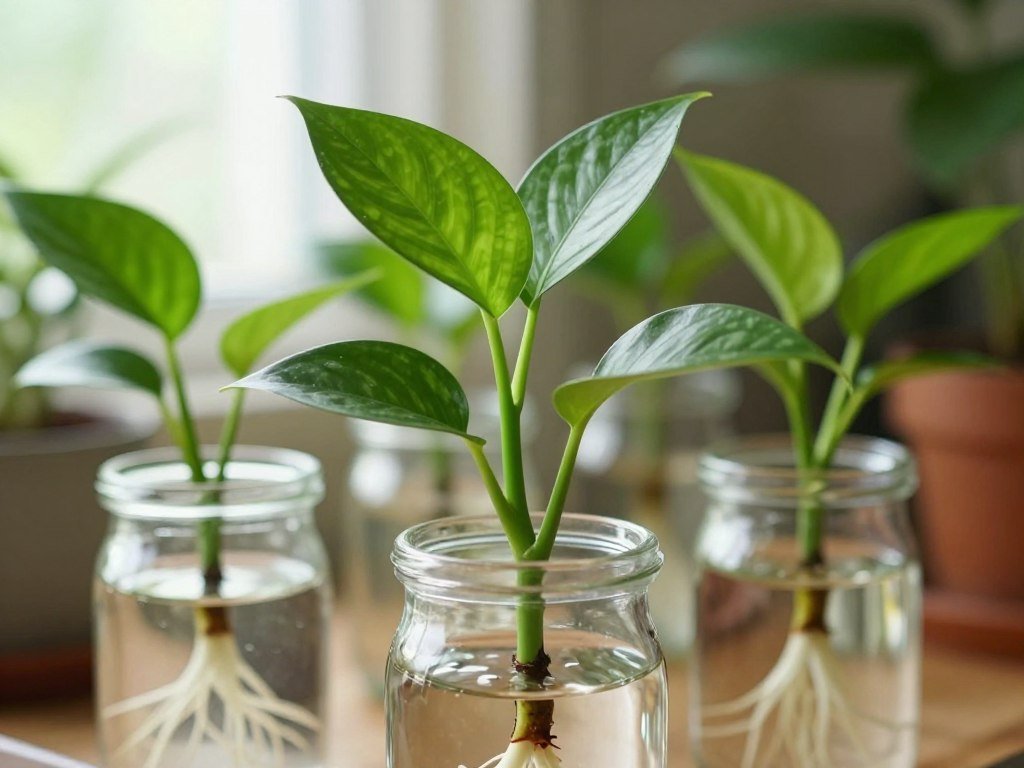
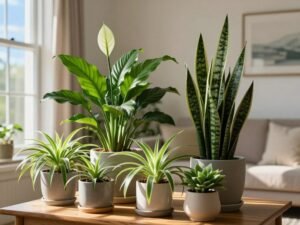
Did you know that some common indoor greenery can technically live forever? By using asexual propagation, you can turn a single leaf into a lifetime of new growth. This process allows gardeners to create identical clones of their favorite species without spending money at the nursery.
Getting started with Plant Propagation is much easier than most people think. It involves taking parts of an existing specimen—like a stem or root—to grow a completely new organism. Whether you use seeds or vegetative cuttings, the results are deeply rewarding.
Exploring these techniques opens up a world of possibilities for your home garden. You can share rare varieties with friends or fill your living room with lush leaves. It is truly magical to watch a tiny cutting develop its very own roots for the first time.
Key Takeaways
- Understand how to grow new greenery from existing samples.
- Identify the differences between sexual and vegetative growth.
- Save money by creating your own clones at home.
- Learn why specific cuttings are better for certain species.
- Discover how to share your favorite garden finds with others.
- Master the basics of rooting stems and leaves successfully.
Understanding Plant Propagation
As gardeners, we’ve all been there – wanting more plants but not wanting to break the bank. Plant propagation offers a solution to this dilemma, allowing you to expand your plant collection without the hefty price tag.
Propagation is not just about getting more plants; it’s an art that connects you with nature and enhances your gardening experience. By understanding the basics of plant propagation, you can share plants with friends and family, or simply enjoy the satisfaction of growing something new.
What Is Plant Propagation?
Plant propagation is the process of creating new plants from existing ones. This can be achieved through various methods, including seed propagation, cutting propagation, and plant cloning. Each method has its unique advantages and is suited to different types of plants.
For instance, seed propagation involves growing new plants from seeds, which can be a cost-effective way to produce a large number of plants. On the other hand, cutting propagation involves taking cuttings from a parent plant and nurturing them to grow into new plants. This method is particularly popular for plants that are difficult to grow from seeds.
Why Is It Important?
Plant propagation is important for several reasons. Firstly, it allows gardeners to expand their plant collection without having to purchase new plants. This is not only cost-effective but also ensures that the new plants are healthy and robust, just like the parent plant.
- It enables the sharing of plants among gardening communities.
- It helps in preserving rare and endangered plant species.
- It allows for the reproduction of plants that are difficult to obtain through other means.
Moreover, understanding plant propagation can enhance your gardening skills and provide a deeper connection with nature. As one gardening expert puts it, “Propagation is a journey that every gardener should embark on; it’s a way to share the joy of gardening with others.”
“The ability to propagate plants is a powerful tool in the gardener’s toolkit, allowing for the creation of new life and the sharing of that life with others.”
Types of Plant Propagation
Understanding the various types of plant propagation is crucial for gardening success. Plant propagation is not a one-size-fits-all process; it involves several techniques, each suited to different plant types and growth habits.
Sexual Propagation
Sexual propagation involves the use of seeds to produce new plants. This method allows for genetic diversity, which can result in new varieties with desirable traits. However, it can be unpredictable, and the offspring may not retain the characteristics of the parent plant.
Advantages of sexual propagation include the potential for increased genetic diversity and the ability to produce large quantities of plants. However, it requires careful seed selection and can be time-consuming.
Asexual Propagation
Asexual propagation, on the other hand, involves producing new plants without seeds. Techniques include division propagation, grafting, and tissue culture. This method ensures that the new plants are genetically identical to the parent plant, maintaining desirable traits.
Asexual propagation methods like division propagation and grafting are popular for plants that are difficult to propagate sexually or when consistency is key. Tissue culture is a more advanced technique used for large-scale production.
Comparison of Methods
The choice between sexual and asexual propagation depends on the plant species, desired traits, and the gardener’s experience. Here’s a comparison of the two main types:
| Propagation Method | Characteristics | Suitability |
|---|---|---|
| Sexual Propagation | Uses seeds, genetic diversity, unpredictable outcomes | Plants that benefit from genetic diversity, large-scale production |
| Asexual Propagation | No seeds, genetically identical, consistent results | Plants with desirable traits, difficult to propagate sexually |
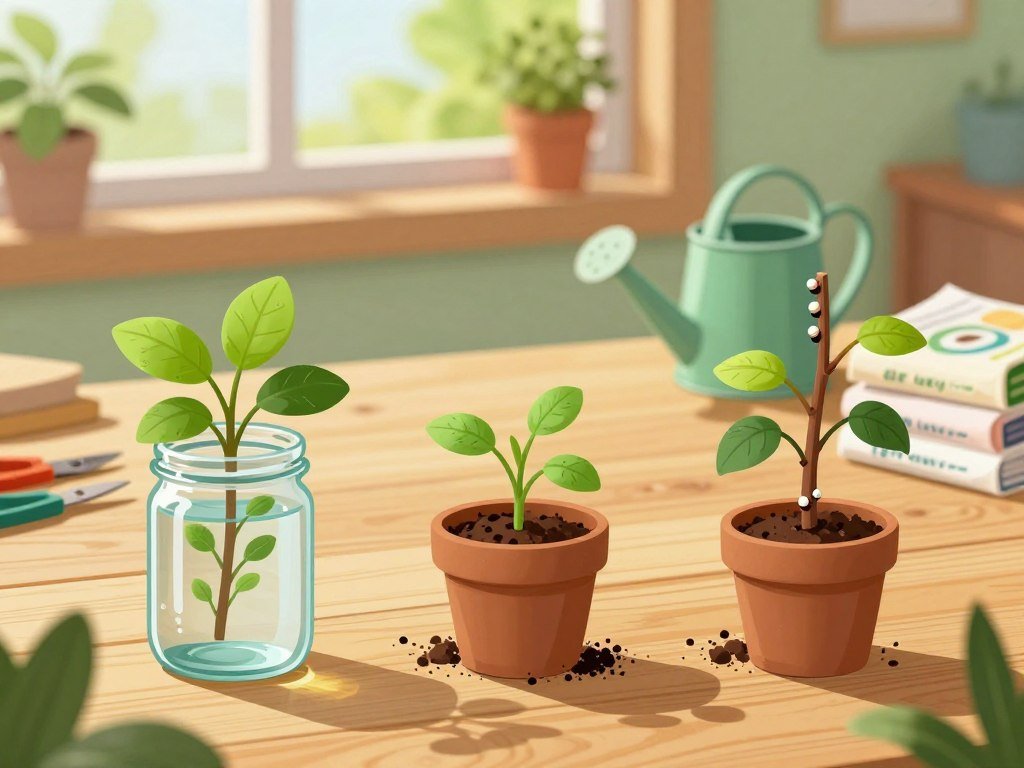
By understanding the different types of plant propagation, gardeners can choose the most appropriate method for their needs, ensuring successful plant multiplication and healthy growth.
Tools and Materials Needed
The journey to successful plant propagation begins with gathering the right equipment and supplies. Before propagating, always use sterilized tools and containers in a clean space for the greatest chance of success. This foundational step ensures that your plants have the best environment to grow.
Essential Tools for Beginners
For those new to plant propagation, having the right tools is crucial. Essential tools include a sharp, sterile knife or pruning shears for making clean cuts, a pot or container with drainage holes to prevent waterlogged soil, and a clear plastic bag or cloche to maintain humidity.
- Sharp, sterile knife or pruning shears
- Pot or container with drainage holes
- Clear plastic bag or cloche
- Watering can or spray bottle
- Soil or propagation medium
Recommended Plant Propagation Supplies
In addition to the essential tools, several supplies can enhance your plant propagation efforts. These include rooting hormone to encourage root development, a propagation tray to organize multiple cuttings, and labels to keep track of different plant varieties.
| Supply | Purpose | Benefits |
|---|---|---|
| Rooting Hormone | Encourages root growth | Increases chances of successful propagation |
| Propagation Tray | Organizes multiple cuttings | Simplifies care and monitoring |
| Labels | Identifies plant varieties | Helps in tracking progress and planning |
By equipping yourself with these tools and supplies, you’ll be well-prepared to start your plant propagation techniques journey and explore various propagation methods.
Preparing for Plant Propagation
The journey to successful plant propagation begins with thorough preparation. This involves understanding the basics of plant propagation and preparing the necessary tools and environment.
Choosing the Right Plants
Choosing the right plants for propagation is crucial. Not all plants are suitable for beginners, and some may require more care than others. For asexual propagation, such as cutting propagation, selecting healthy parent plants is vital. Healthy plants have a better chance of producing healthy offspring.
When selecting plants, look for those that are free from pests and diseases. Plants with vigorous growth are generally good candidates for propagation.
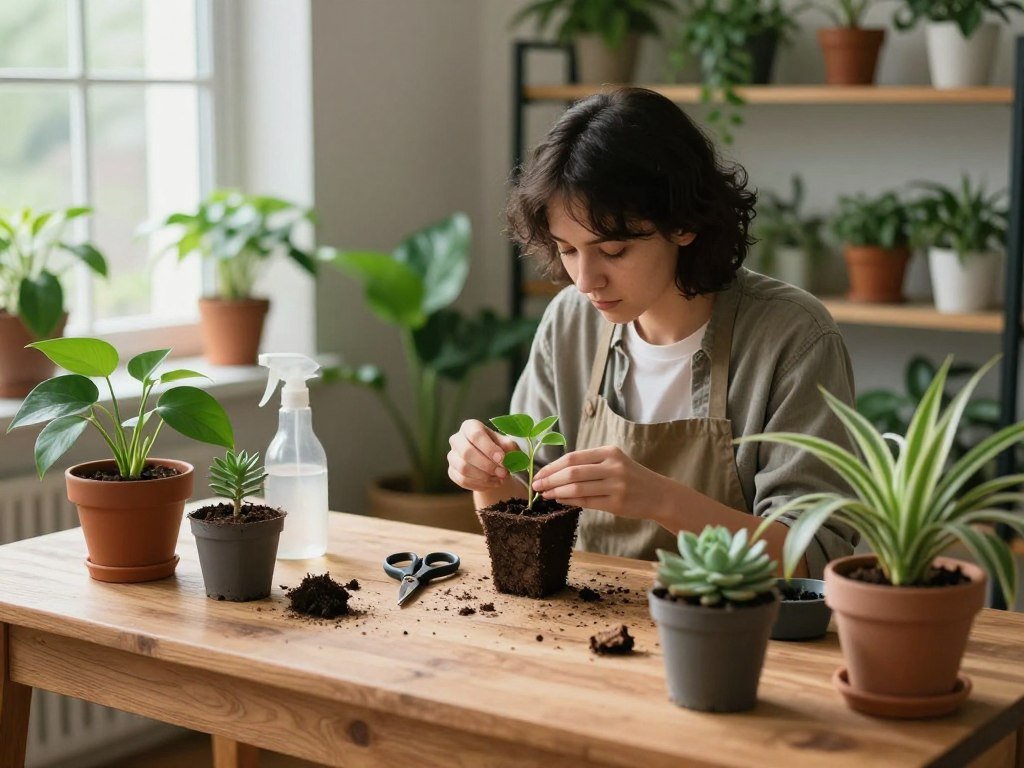
Timing for Propagation Success
The timing of plant propagation can significantly affect its success. For many houseplants, the best time for propagation is in early spring, from March through April, although propagation can be done throughout the year depending on the plant species and environmental conditions.
Understanding the specific needs of your plants, including the optimal time for propagation, can greatly enhance your chances of success. Some plants may propagate better during their active growth phase.
Step-by-Step Guide to Leaf Cuttings
One of the most accessible methods of plant propagation is through leaf cuttings, which can be used for a variety of species. Begonias and African violets are commonly propagated using this method, which involves taking a leaf blade and sometimes the petiole or leaf stalk.
Selecting Healthy Leaves
To increase the chances of successful propagation, it’s crucial to select healthy leaves. Look for leaves that are vibrant in color and free from any signs of disease or pests. A healthy leaf will have a robust petiole and a firm, yet not too hard, blade.
Proper Cutting Techniques
The technique used for cutting the leaf can significantly impact the success of the plant cloning process. For plants like Begonias, you can cut the leaf into sections, ensuring each section has a vein. For others, like African violets, it’s often more effective to leave the leaf whole or cut it in a way that includes a part of the petiole.
Potting and Care
Once you have prepared your leaf cuttings, it’s time to pot them. Use a well-draining potting mix to prevent waterlogged soil, which can lead to root rot. Keep the soil consistently moist but not soaked. Provide your cuttings with bright, indirect light and maintain a warm temperature to encourage rooting.
Propagating with Stem Cuttings
Using stem cuttings to propagate plants is a technique that has been embraced by gardeners for its reliability and ease of use. This method allows for the reproduction of plants with characteristics identical to the parent plant, making it a favorite among gardeners who wish to replicate a particularly successful or beautiful specimen.
Identifying Suitable Stems
The first step in propagating with stem cuttings is to identify and select healthy stems. Tip cuttings are taken by selecting a healthy, 3 to 5-inch shoot with four to six leaves. It’s essential to use sharp pruners or snips to cut directly below a leaf node or where the leaf is attached to the stem. As noted by gardening expert, “The cut should be made just above a node, as this is where root growth is most likely to occur.”
“The art of propagation is not just about reproducing plants; it’s about sharing life and nurturing new beginnings.”
When selecting stems, look for sections with plenty of leaf nodes, as these areas have a higher concentration of meristematic tissue, which is crucial for root development.
Rooting Hormones: Do You Need Them?
Rooting hormones are substances that stimulate root growth on cuttings. While not always necessary, they can significantly increase the chances of successful propagation, especially for plants that are difficult to root. Indole-3-butyric acid (IBA) is a common rooting hormone used by gardeners. To use, simply dip the cut end of the stem into the hormone powder or liquid before planting.
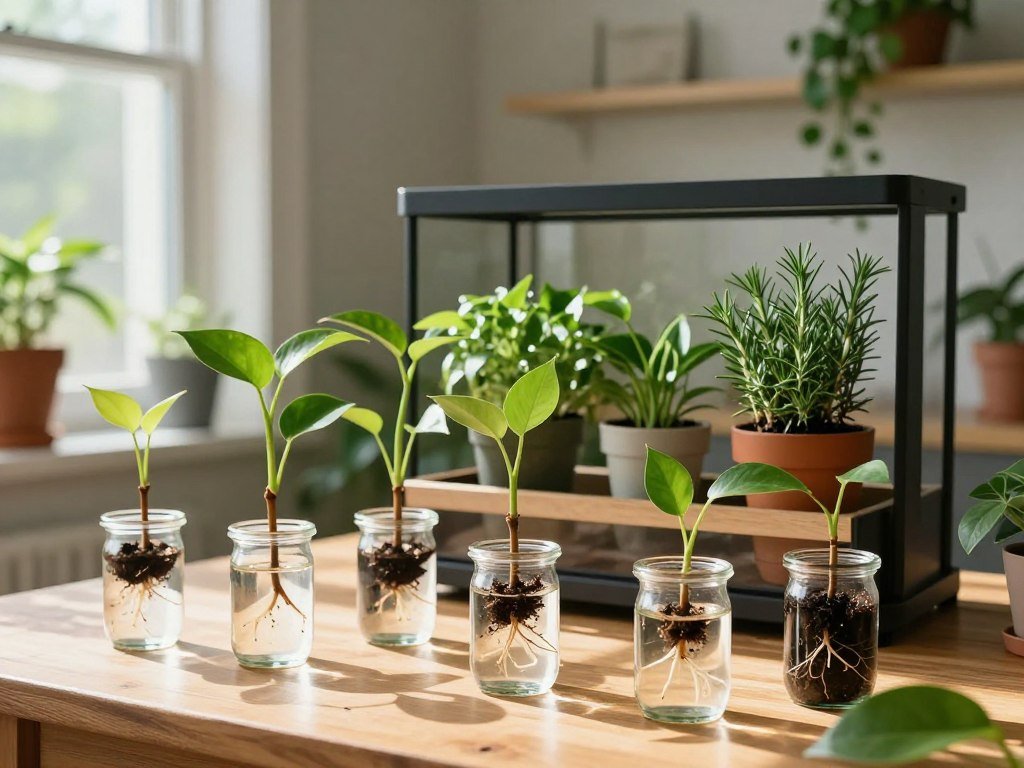
The decision to use rooting hormones depends on the type of plant being propagated. For many species, especially those known to be challenging to root, rooting hormones can be a valuable tool.
Care After Planting
After planting stem cuttings, it’s crucial to provide the right conditions for rooting. Keep the soil consistently moist but not waterlogged, as this can lead to rot. Most cuttings benefit from being placed in a bright, indirectly lit area until roots develop. Maintaining humidity around the cutting by covering it with a clear plastic bag can also enhance rooting success.
Regular monitoring is key. Check for signs of rooting, such as new growth or resistance when gently tugging on the cutting. With proper care, many plants can be successfully propagated using stem cuttings, expanding your garden with minimal expense.
Understanding Division Propagation
One of the simplest ways to propagate plants is through division, a method that involves separating naturally occurring offsets or shoots from the parent plant. This technique is particularly effective for plants that grow in clumps or produce offsets, making it an ideal method for gardeners looking to expand their plant collection without the complexity of seed germination or the uncertainty of rooting cuttings.
When to Divide Plants
The timing of division is crucial for the success of this propagation method. Generally, the best time to divide plants is during their dormant season or just before they enter a new growth phase. For most perennials, this means dividing in early spring or fall. Dividing during these periods minimizes stress on the plant and allows the new divisions to establish themselves before facing extreme weather conditions.
Spring division gives plants the entire growing season to establish a robust root system, while fall division allows them to settle into the soil before the heat of summer. However, the specific timing can vary depending on the plant species and your local climate.
Techniques for Effective Division
To divide plants effectively, start by carefully digging around the plant to avoid damaging its roots. Once the plant is out of the ground, gently separate the roots or offsets, making sure each division has at least one growing shoot and a portion of the root system. For plants with tough or thick roots, a sharp, clean knife or garden fork may be necessary to separate the divisions.
After dividing, replant the separated sections promptly, making sure the soil is well-prepared and moist. Water thoroughly and provide the appropriate care for the newly divided plants, including adequate light, water, and nutrients. With proper care, these divisions should quickly grow into healthy, thriving plants.
Using Water to Propagate Plants
Water propagation offers a fascinating way to observe root development in plants. Many plants will also develop roots in a container of water, changed out with fresh water every 3 to 5 days. This method is not only simple but also provides a clear visual indication of when roots have developed.
Overview of Water Propagation
Water propagation is a method that involves growing plants in water until they develop roots. It’s a technique that has gained popularity due to its simplicity and the minimal equipment required. This method is particularly useful for plants that are prone to root rot when propagated in soil, as it allows for better control over moisture levels.
To propagate plants in water, one needs a clean container filled with fresh water and the cutting or division of the plant. The water should be changed regularly to prevent bacterial growth.
Best Plants for Water Propagation
Not all plants are equally suited for water propagation. Some of the best candidates include Pothos, Philodendron, and English Ivy. These plants are known for their ability to root easily in water and thrive with minimal care.
| Plant | Ease of Rooting | Care Requirements |
|---|---|---|
| Pothos | Easy | Low |
| Philodendron | Easy | Moderate |
| English Ivy | Moderate | Low |
How to Transition to Soil
Once roots have developed, the next step is to transition the plant to soil. This process requires care to avoid shocking the roots. It’s essential to acclimate the plant to soil gradually by initially planting it in a well-draining potting mix and keeping the soil consistently moist.
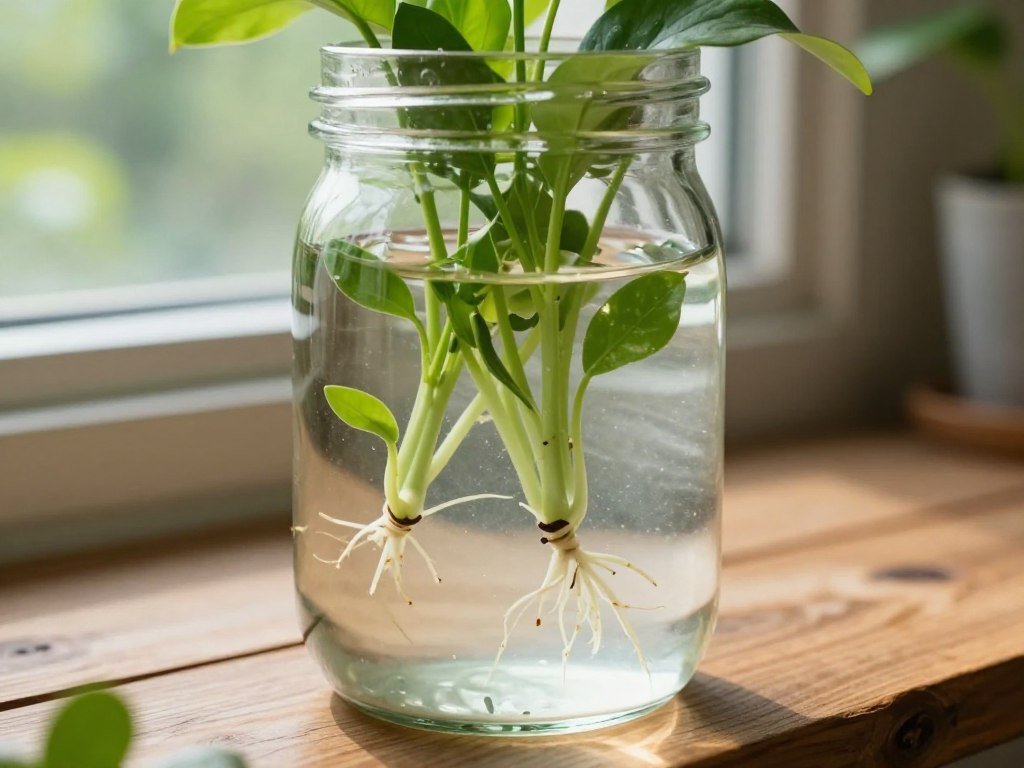
The transition should be done gently, ensuring not to damage the roots. After transitioning, the plant should be monitored closely for signs of stress or disease.
Tips for Success
Achieving success in plant propagation requires a combination of knowledge, patience, and practice. Whether you’re a seasoned gardener or just starting out, understanding the intricacies of plant propagation can significantly improve your results.
To propagate plants effectively, it’s crucial to be aware of the common pitfalls that can hinder your progress. By avoiding these mistakes and adopting best practices, you can enhance the health and viability of your propagated plants.
Common Mistakes to Avoid
One of the most common mistakes in plant propagation is overwatering, which can lead to root rot and poor root development. It’s also important to avoid using unsterilized tools, as this can spread diseases to your cuttings.
- Using unhealthy or weak parent plants for propagation.
- Ignoring the specific needs of different plant species.
- Not providing the right environmental conditions for rooting.
Another critical aspect is the timing of propagation. Some plants are more receptive to propagation during specific times of the year. For instance, spring is often considered an ideal time for many species due to the active growth period.
Best Practices for Healthy Growth
To promote healthy growth in your propagated plants, it’s essential to provide them with the right conditions. This includes using a well-draining potting mix and ensuring adequate light and temperature conditions.
| Propagation Method | Key Factors for Success | Example Plants |
|---|---|---|
| Stem Cuttings | Rooting hormone, adequate moisture | Roses, Lavender |
| Leaf Cuttings | High humidity, indirect light | African Violets, Begonias |
| Grafting | Precise technique, compatible scion and rootstock | Roses, Fruit Trees |
| Tissue Culture | Sterile conditions, controlled environment | Orchids, Carnations |
Advanced techniques like grafting and tissue culture offer powerful methods for propagating plants that are challenging to root through conventional means. Grafting allows for the combination of a robust root system with a desirable stem or leaf structure, while tissue culture involves growing plants from small tissue samples in a controlled environment.
By understanding and applying these tips, you can significantly improve your success rate with plant propagation. Remember, practice makes perfect, and being patient with your plants is key to developing your skills.
Troubleshooting Common Problems
Successful plant propagation requires not just knowledge of the techniques, but also the ability to troubleshoot common problems. Even when using effective propagation methods like asexual propagation, issues can arise that affect the health and viability of the new plants.
Before diving into specific issues, it’s crucial to start with healthy plant material. Ensuring that the plants you are propagating are free of pests and diseases is fundamental. This foundational step can prevent many of the common problems encountered during propagation.
Pests and Diseases in Propagation
Pests and diseases can quickly spread during the propagation process, especially in moist environments conducive to rooting. Regular monitoring is essential to catch any issues early. Some common pests include aphids, spider mites, and mealybugs. Fungal diseases can also be a significant problem, often encouraged by overwatering or poor air circulation.
To manage these issues, maintain a clean propagation area, and inspect your plants regularly. If you identify a problem, isolate the affected plants to prevent the spread. Treatment options vary depending on the pest or disease but can include organic pesticides, fungicides, and adjusting the environment to reduce humidity and improve air circulation.
Poor Rooting? Here’s What to Do
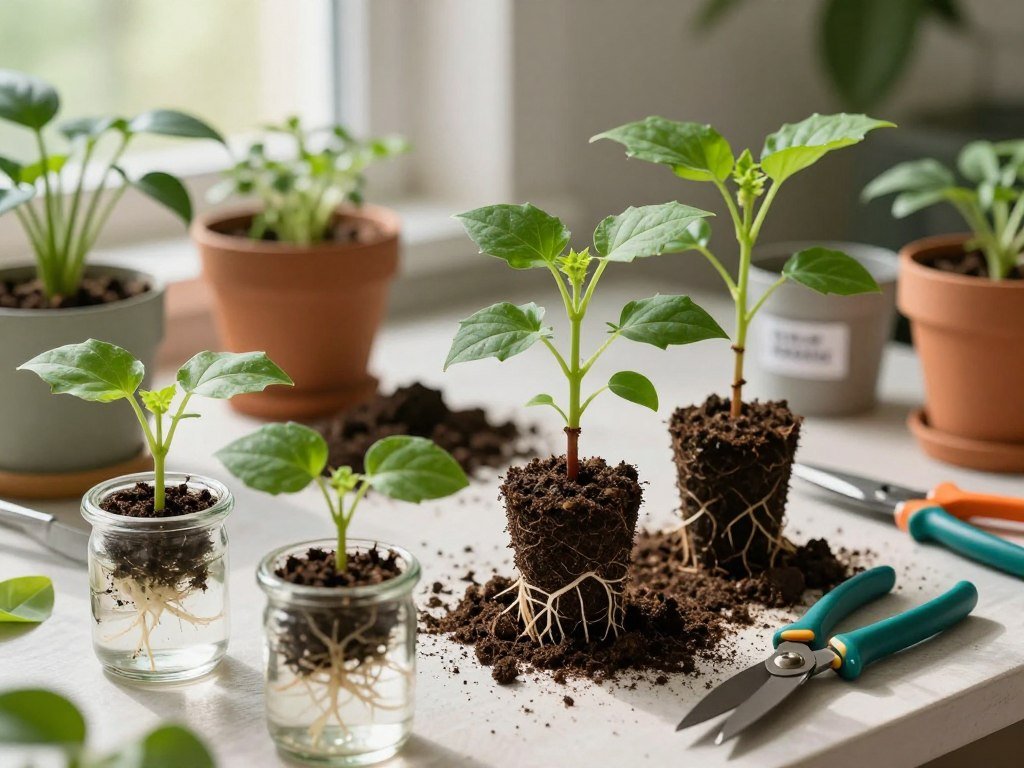
Poor rooting is another common issue in plant propagation. Several factors can contribute to this problem, including the physiological condition of the cutting, the rooting medium, and environmental conditions.
To improve rooting success, ensure that your cuttings are taken from healthy, vigorous plants. The rooting medium should be well-draining and maintained at an appropriate moisture level. Environmental factors such as temperature, humidity, and light exposure also play critical roles. Using rooting hormones can enhance the chances of successful rooting for some species.
Final Thoughts on Plant Propagation
As you master the art of plant propagation, you’ll discover the joy of multiplying your favorite plants and sharing them with others. Whether you’re using cutting propagation, plant cloning, or other methods, the key to success lies in understanding the needs of your plants and providing them with the right conditions to thrive.
Embracing the Journey
Experimenting with new plants, growing media, and propagation techniques is all part of the journey. As you gain experience, you’ll find what works best for you and your plants. Don’t be afraid to try new approaches and learn from your successes and setbacks.
Nurturing Your New Plants
To keep your newly propagated plants healthy, ensure they receive adequate light, water, and nutrients. Monitor their progress, and be prepared to adjust their care as needed. With patience and dedication, your plants will flourish, and you’ll enjoy the rewards of your plant propagation efforts.
FAQ
What is the main difference between seed propagation and asexual propagation?
What are the most common propagation methods for indoor gardeners?
Is it necessary to use rooting hormones for all cuttings?
What is grafting and how does it differ from other methods?
What is tissue culture in plant propagation?
Can I propagate any plant in water?
Why are my cuttings rotting before they grow roots?
When is the best time of year to start plant propagation?
🌐 Explore the Smart Digital Network
A connected ecosystem of innovative platforms — empowering your journey through Smart Living, AI Automation, Wellness, Reviews, and Digital Learning. Discover more from our network below 👇




Part of the Smart Digital Network © 2025 — Explore, Learn & Grow Smarter 💡

Prabir Dutta
Prabir Dutta is a passionate digital creator, affiliate marketer, and wellness enthusiast who simplifies complex topics like AI tools, Vastu, pet care, and modern living. With a keen eye for SEO, tech trends, and everyday health solutions, he writes to empower readers with actionable, smart-living insights. When not curating content across his network of niche blogs, Prabir enjoys exploring new digital tools that make life easier and more efficient.




 SuperFreeTools

 SmartAIEarn

 SmartWellnessBeauty


 TrendsOfReview