

In today’s fast-paced world, maintaining optimal health and wellness can be a challenge. Holistic healing approaches offer a comprehensive method to achieving balance and harmony in our lives.
Holistic medicine considers the whole person – body, mind, spirit, and emotions – in the quest for optimal health. This approach encourages individuals to take an active role in their wellness journey, exploring alternative medicine and complementary therapies to traditional treatments.
By embracing natural remedies and holistic practices, individuals can foster a deeper connection with their bodies and promote overall well-being.
Key Takeaways
- Holistic healing considers the whole person – body, mind, spirit, and emotions.
- Natural remedies offer a complementary approach to traditional health practices.
- Alternative medicine can be used in conjunction with conventional treatments.
- A holistic approach encourages active participation in one’s wellness journey.
- Embracing natural remedies can promote overall well-being.
The Ancient Wisdom of Holistic Healing
The concept of holistic healing, which considers the whole person – body, mind, and spirit – in the quest for wellness, has its roots in ancient traditions. Holistic medicine has been practiced for centuries, with various cultures developing their unique approaches to health and wellness.
Historical Roots of Plant-Based Medicine
Plant-based medicine has been a cornerstone of holistic healing across many ancient cultures. Traditional Chinese Medicine (TCM) and Ayurveda, for example, have long histories of using herbs and botanicals to promote health. These ancient practices have contributed significantly to our understanding of the medicinal properties of plants. Echinacea, ginseng, and turmeric are just a few examples of plants that have been used for centuries and are still used today for their health benefits.
The Resurgence of Natural Approaches in Modern Wellness
In recent years, there has been a noticeable resurgence of interest in natural approaches to health and wellness. This shift is driven by a growing awareness of the limitations of conventional medicine and a desire for more holistic, preventative approaches to health. As a result, natural remedies and holistic practices are becoming increasingly integrated into modern healthcare. This integration not only enhances patient care but also promotes a more balanced approach to wellness.
Understanding Natural Remedies and Their Effectiveness
With the resurgence of interest in natural health, it’s essential to explore the science behind these remedies. Natural remedies, including herbal supplements and traditional practices like acupuncture, have been used for centuries to promote wellness and treat various health conditions.
How Natural Remedies Work in the Body
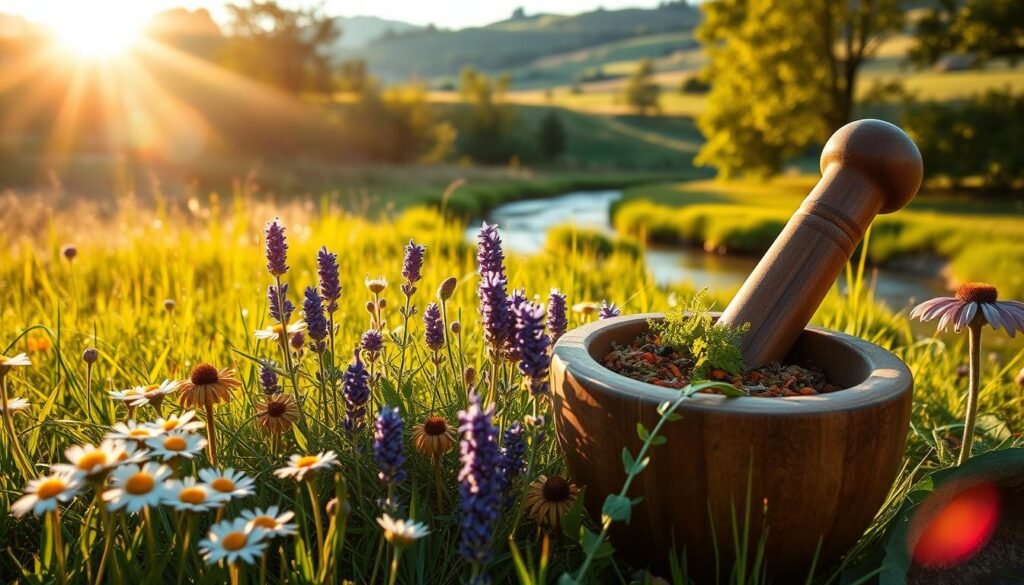
Natural remedies often work by interacting with the body’s biological processes. For instance, certain herbs contain compounds that can influence enzyme activity, hormone regulation, or even gene expression. Turmeric, with its active ingredient curcumin, is a prime example, as it has potent anti-inflammatory properties that can affect multiple pathways in the body.
Scientific Research Supporting Traditional Practices
Recent years have seen a surge in scientific research validating traditional natural remedies. Studies have shown that many of these remedies can be effective in preventing or treating various health conditions. For example, a systematic review of clinical trials on Echinacea found that it can reduce the incidence of common cold by boosting the immune system.
| Remedy | Traditional Use | Scientific Finding |
|---|---|---|
| Turmeric | Anti-inflammatory | Curcumin reduces inflammation markers |
| Echinacea | Immune support | Reduces incidence of common cold |
| Ginger | Nausea relief | Effective in reducing nausea in pregnancy |
By understanding how natural remedies work and the scientific evidence supporting their use, individuals can make more informed decisions about their health. As research continues to uncover the mechanisms and benefits of these remedies, their role in modern healthcare is likely to expand.
Powerful Herbal Remedies for Common Ailments
The world of herbal remedies is vast and diverse, offering effective treatments for a range of common health complaints. These natural solutions have been used for centuries to promote wellness and alleviate various health issues.
Boosting Immune Function with herbal remedies is a popular approach to maintaining overall health. Two of the most effective herbs for immune support are echinacea and elderberry.
Echinacea, Elderberry and Immune Support
Echinacea is known for its ability to stimulate the immune system, helping the body fight off infections more effectively. Elderberry, on the other hand, is rich in antioxidants and has been shown to have antiviral properties, making it a valuable tool in preventing and treating colds and flu.
Chamomile, Valerian and Sleep Enhancement
For those struggling with sleep issues, herbs like chamomile and valerian root can be incredibly beneficial. Chamomile is known for its calming effects, while valerian root has been used for centuries as a natural sleep aid, promoting relaxation and improving sleep quality.
Turmeric, Ginger and Inflammation Management
Turmeric and ginger are two powerful herbs that have been used for centuries to manage inflammation. Turmeric contains curcumin, a compound with potent anti-inflammatory properties, while ginger has been shown to reduce pain and inflammation in the body, making them both valuable for those dealing with inflammatory conditions.
By incorporating these herbal remedies into your daily routine, you can take a proactive approach to managing common health issues and promoting overall wellness.
Essential Oils: Concentrated Plant Medicine
Concentrated plant extracts, known as essential oils, have been utilized for their healing properties. These potent oils are derived from various parts of plants, including leaves, roots, and flowers, through a process of distillation or cold pressing. Essential oils have been a cornerstone in natural wellness practices, offering a range of therapeutic benefits from relaxation and stress relief to pain management and improved cognitive function.

Top 10 Therapeutic Essential Oils and Their Uses
Some of the most popular and versatile essential oils include:
- Lavender Oil: Known for its calming effects and promoting a good night’s sleep.
- Tea Tree Oil: Renowned for its antimicrobial properties, ideal for skin issues.
- Eucalyptus Oil: Used for decongestant purposes and relieving respiratory issues.
- Peppermint Oil: Invigorating and refreshing, often used for digestive issues.
- Frankincense Oil: Anti-inflammatory properties, used for pain relief and skin care.
- Geranium Oil: Balances hormones and is used in skincare for its regenerative properties.
- Rosemary Oil: Improves cognitive function and is used for hair growth.
- Thyme Oil: Antimicrobial and antifungal, used for respiratory issues.
- Clary Sage Oil: Calming and soothing, used for menstrual cramps and stress relief.
- Ylang-Ylang Oil: Promotes feelings of love and well-being, used for stress and anxiety.
| Essential Oil | Primary Use | Benefits |
|---|---|---|
| Lavender | Promotes sleep | Calming, reduces anxiety |
| Tea Tree | Skin issues | Antimicrobial, antifungal |
| Eucalyptus | Respiratory relief | Decongestant, anti-inflammatory |
Safe Application Methods and Dilution Guidelines
While essential oils are highly beneficial, they must be used with caution. Always dilute essential oils with a carrier oil before applying to the skin, as they can be very potent. A general dilution guideline is 1-3% essential oil to carrier oil for most adults. It’s also crucial to perform a patch test before using a new essential oil to check for any adverse reactions.
For safe application, consider the following methods:
- Topical application: Dilute with a carrier oil for massage or spot treatment.
- Aromatherapy: Use in a diffuser to enjoy the benefits of the oil’s aroma.
- Inhalation: Directly inhale from the bottle or add to a handkerchief.
By understanding the therapeutic benefits and safe application methods of essential oils, individuals can harness their potential to enhance overall wellness and health.
Food as Medicine: Nutritional Natural Remedies
Embracing the concept of food as medicine can revolutionize our approach to health and wellness. By understanding how certain foods impact our bodies, we can make informed choices to support our overall health.
Healing Foods for Digestive Health
Certain foods are particularly beneficial for digestive health. Probiotic-rich foods like yogurt and kefir can help maintain a healthy gut microbiome. Additionally, fiber-rich foods such as whole grains, fruits, and vegetables can aid in digestion and prevent constipation.
Anti-inflammatory Eating Patterns
An anti-inflammatory diet can help reduce chronic inflammation, which is associated with various health conditions. Foods rich in omega-3 fatty acids, such as salmon and walnuts, have potent anti-inflammatory effects. Incorporating antioxidant-rich foods like berries and leafy greens can also help combat inflammation.
Superfoods and Their Therapeutic Benefits
Superfoods are nutrient-dense foods that offer significant health benefits. Turmeric, with its active compound curcumin, has powerful anti-inflammatory and antioxidant properties. Blueberries are rich in antioxidants and have been shown to support cognitive health and reduce the risk of certain diseases.
By incorporating these nutritional natural remedies into our diets, we can take a proactive approach to our health and well-being. Whether it’s supporting digestive health, reducing inflammation, or harnessing the benefits of superfoods, food truly can be our best medicine.
Traditional Medicine Systems and Their Natural Approaches
Traditional medicine systems have been a cornerstone of healthcare for centuries, offering natural approaches to wellness. These systems, rooted in ancient practices and cultural traditions, continue to play a vital role in global health.
The diversity of traditional medicine is vast, with various cultures developing unique approaches to health and wellness. Let’s explore some of the most prominent traditional medicine systems.
Ayurvedic Remedies for Balance and Wellness
Ayurveda, an ancient Indian system of medicine, focuses on balancing the body, mind, and spirit. Ayurvedic remedies often involve herbal preparations, dietary changes, and lifestyle adjustments. For example, turmeric is commonly used for its anti-inflammatory properties, while ashwagandha is valued for its adaptogenic effects.
Chinese Medicine Herbs and Practices
Chinese medicine, with its roots dating back thousands of years, emphasizes the importance of qi (life force) and its flow within the body. Chinese herbs like ginseng and licorice root are frequently used to restore balance and promote health. Practices such as acupuncture and tai chi are also integral to this holistic system.
Native American Healing Traditions
Native American healing traditions encompass a wide range of practices that vary among different tribes. These traditions often involve the use of sacred plants, such as sage and sweetgrass, for purification and healing ceremonies. The emphasis is on restoring harmony between the individual and nature.
As we can see, traditional medicine systems offer a rich tapestry of natural approaches to health and wellness. The following table summarizes some key aspects of these systems:
| Traditional Medicine System | Key Practices | Common Remedies |
|---|---|---|
| Ayurveda | Herbal preparations, dietary changes, yoga | Turmeric, ashwagandha, neem |
| Chinese Medicine | Acupuncture, herbal medicine, tai chi | Ginseng, licorice root, ginger |
| Native American Healing | Ceremonies, sacred plant use, storytelling | Sage, sweetgrass, tobacco |
As noted by Dr. Zhang, a renowned expert in traditional Chinese medicine, “The key to effective traditional medicine lies in understanding the individual’s unique balance and using natural remedies to restore harmony.”
“The art of healing is not just about treating the body, but also about nurturing the spirit and connecting with nature.”
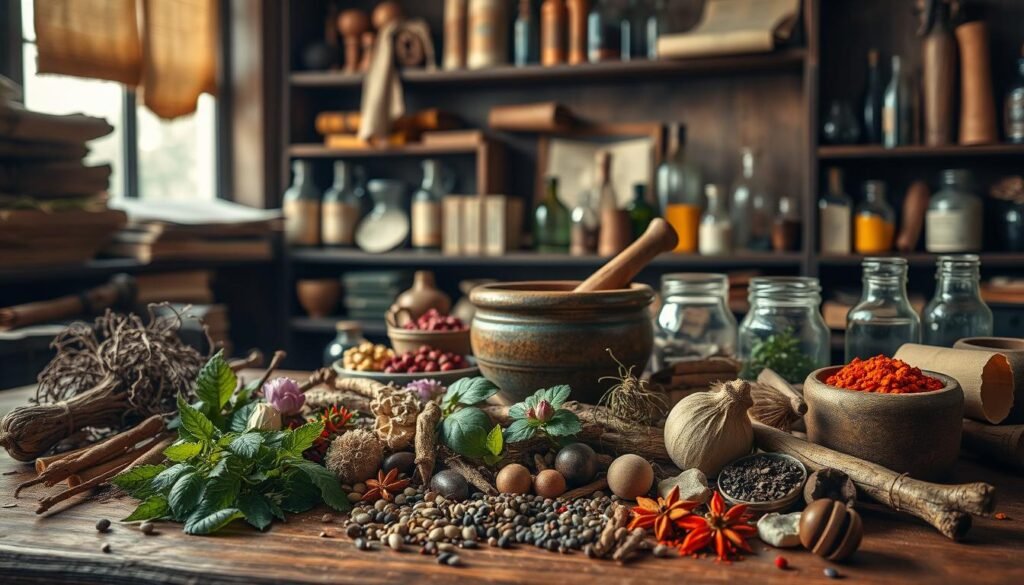
In conclusion, traditional medicine systems offer valuable insights into natural approaches to health and wellness. By understanding and respecting these ancient practices, we can enrich our modern healthcare approaches.
Creating Your Home Pharmacy of Natural Remedies
Creating a home pharmacy filled with natural remedies empowers you to take control of your health. By stocking essential supplies and learning simple recipes, you can address common health concerns effectively and naturally.
Essential Supplies for Making Remedies
To start, you’ll need a few basic supplies. These include herbal ingredients like dried herbs, roots, and flowers, as well as carrier oils such as coconut or olive oil. You’ll also need beeswax for creams and salves, and glass jars for storing your remedies. Having a digital scale and measuring cups on hand will ensure accuracy in your preparations.
Simple Recipes for Common Health Concerns
One of the simplest remedies is a calendula salve for skin irritations. By combining calendula flowers with olive oil and beeswax, you can create a soothing balm. For digestive issues, a peppermint tea can be made by steeping dried peppermint leaves in hot water. These recipes are easy to follow and require minimal ingredients.
Proper Storage and Preservation Techniques
To maintain the efficacy of your natural remedies, proper storage is crucial. Store your remedies in a cool, dark place, away from direct sunlight and moisture. Use airtight containers to prevent contamination and label each container with the date and contents. By following these preservation techniques, you can extend the shelf life of your remedies.
By creating your home pharmacy, you’re not just stocking remedies; you’re embracing a lifestyle that values natural wellness and self-care. With the right supplies and knowledge, you can navigate common health concerns with confidence.
Safety Considerations and Potential Interactions
While natural remedies can be beneficial, they also require careful consideration of potential interactions and side effects. As the popularity of these remedies continues to grow, it’s crucial for individuals to be aware of the potential risks associated with their use.
Understanding Contraindications and Side Effects
Natural remedies, like any other treatment, can have contraindications and side effects. For instance, certain herbs may interact with medications or exacerbate underlying health conditions. It’s essential to understand these potential risks before using natural remedies.
| Remedy | Potential Contraindication | Possible Side Effect |
|---|---|---|
| St. John’s Wort | Antidepressant medications | Increased risk of serotonin syndrome |
| Ginkgo Biloba | Blood thinners | Increased risk of bleeding |
| Turmeric | Blood thinners, diabetes medications | Gastrointestinal upset |
When to Consult a Healthcare Provider
It’s strongly recommended to consult a healthcare provider before using natural remedies, especially if you have pre-existing medical conditions, are taking prescription medications, or are pregnant/breastfeeding. A healthcare professional can help you navigate potential interactions and ensure safe use.

By being informed and consulting with healthcare professionals when necessary, individuals can safely incorporate natural remedies into their wellness routines, minimizing the risk of adverse effects.
Conclusion: Embracing Natural Wellness in Modern Life
Incorporating natural remedies and holistic approaches into daily life can significantly enhance overall wellness. By making informed choices that support health and well-being, individuals can take a proactive approach to managing their health.
As discussed throughout this article, natural wellness encompasses a range of practices, from herbal remedies and essential oils to nutritional therapies and traditional medicine systems. By understanding the benefits and potential interactions of these approaches, individuals can create a personalized wellness plan that suits their needs.
In modern life, where stress and fast-paced living can often lead to burnout, embracing natural wellness can be a powerful tool for maintaining balance and promoting overall health. By incorporating holistic approaches into daily routines, individuals can cultivate a deeper connection with their bodies and the natural world.
Ultimately, the key to successful natural wellness is education and awareness. By staying informed and consulting with healthcare professionals when needed, individuals can harness the power of natural remedies to enhance their overall quality of life.
FAQ
What are natural remedies?
How do herbal supplements work in the body?
Are essential oils safe to use?
Can food really be used as medicine?
What is the difference between traditional medicine and alternative medicine?
How do I create a home pharmacy of natural remedies?
Can natural remedies interact with medications?
Are natural remedies regulated?
Can I use natural remedies if I’m pregnant or breastfeeding?

Prabir Dutta
Prabir Dutta is a passionate digital creator, affiliate marketer, and wellness enthusiast who simplifies complex topics like AI tools, Vastu, pet care, and modern living. With a keen eye for SEO, tech trends, and everyday health solutions, he writes to empower readers with actionable, smart-living insights. When not curating content across his network of niche blogs, Prabir enjoys exploring new digital tools that make life easier and more efficient.
Keep exploring Smart Living Journal
Discover more practical ideas on wellness, home living, plants, pets, routines, and smarter everyday upgrades.