
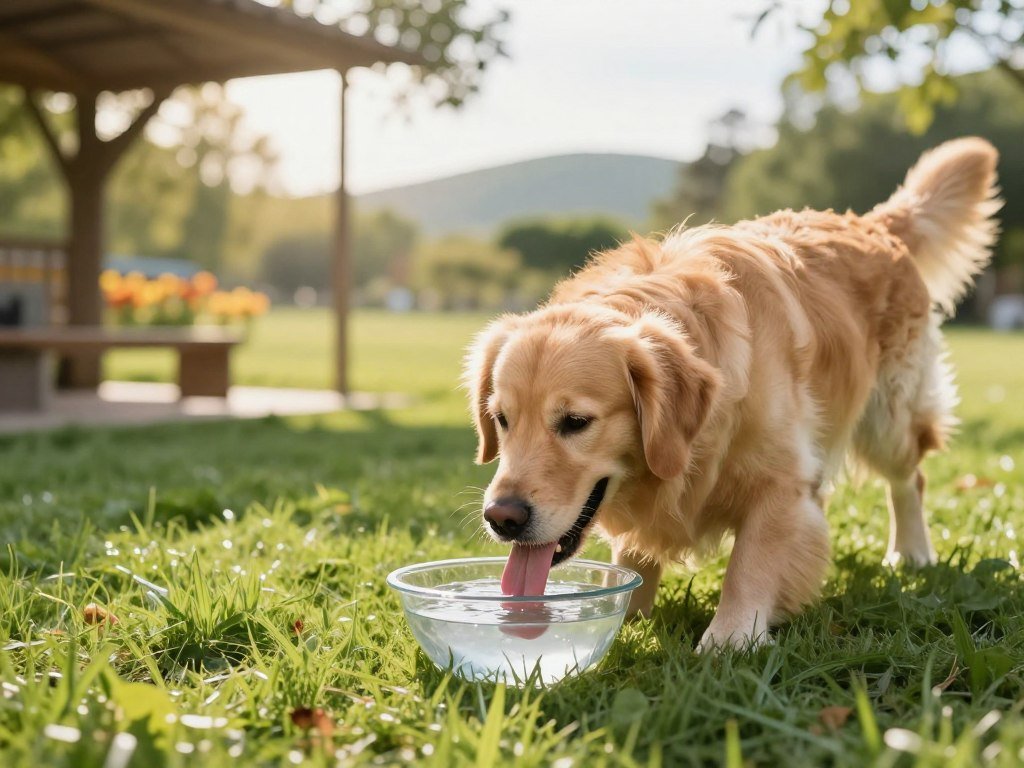
Did you know that losing just ten percent total body liquid might lead to organ failure in pets? This fact shows why watching canine water needs remains vital for every pet owner. Good hydration helps every main process within the body, from joints to digestion.
On average, the typical canine requires 40 to 60 ml per kilogram they weigh. However, specific needs change based on size, age, exercise, and weather. Utilizing dog hydration calculator tools helps owners stay informed regarding these fluctuating levels.
Wet food contains more liquid than dry kibble. High heat increases thirst for any pup. Fresh bowls must stay ready through the day to keep pets safe. Monitoring these levels ensures your furry friend stays happy.
Proper care means looking at these needs closely. Every cell relies on moisture to work well. Small changes in thirst can mean big health shifts. Your focus ensures your pup thrives for years.
Key Takeaways
- Canines typically need 40 to 60 ml per kilogram each day.
- Environment and activity levels influence individual thirst requirements.
- Moisture-rich diets like wet food provide extra hydration.
- Proper liquid intake supports joint health and digestive functions.
- Regular monitoring prevents serious issues like organ failure.
- Fresh liquid should remain accessible throughout the entire day.
Understanding Your Dog’s Daily Water Needs
Knowing how much water your dog should drink daily is essential for preventing dehydration and maintaining their health. A common guideline is that dogs should drink approximately 1 ounce of water for every pound of body weight per day. For example, a 10-pound dog needs about 10 ounces of water daily.
However, this is just a starting point. Several factors can influence your dog’s actual water needs. It’s crucial to understand these factors to ensure your dog stays properly hydrated.
- Size and breed of your dog
- Activity level and exercise
- Weather and temperature
- Diet type (dry vs. wet food)
- Age and health status
Proper hydration is vital for your dog’s health, affecting everything from their energy levels to their digestive health. Ensuring they get the right amount of water daily can prevent issues like dehydration and kidney problems.
By understanding and meeting your dog’s daily water needs, you’re taking a significant step towards maintaining their overall health and well-being.
Quick Dog Hydration Calculator: Find Your Dog’s Ideal Water Intake
Get an instant estimate of your dog’s daily water requirements using our user-friendly calculator. Ensuring your dog drinks the right amount of water is vital for their health, and our dog hydration calculator simplifies this process by considering your dog’s weight and activity level.
How to Use the Calculator
Using the dog hydration calculator is straightforward. First, you’ll need to select your dog’s activity level from the given options, ranging from sedentary to highly active. Next, input your dog’s weight in kilograms or pounds. The calculator will then provide an estimate based on the formula that active dogs require approximately 60 ml of water per kg of body weight, while less active dogs need about 40 ml/kg.
For example, if your dog weighs 20 kg and is moderately active, the calculator will estimate their daily water intake based on these parameters.
Understanding Your Results
The result from the dog hydration calculator gives you an estimate of your dog’s daily water needs. It’s essential to remember that this is a general guideline. Factors such as weather, diet, and individual health can influence your dog’s actual water requirements.
To help you better understand the results, here’s a sample table illustrating how different activity levels affect water intake for dogs of various weights:
| Dog’s Weight (kg) | Sedentary (ml) | Moderately Active (ml) | Highly Active (ml) |
|---|---|---|---|
| 10 | 400 | 500 | 600 |
| 20 | 800 | 1000 | 1200 |
| 30 | 1200 | 1500 | 1800 |
Monitoring your dog’s water intake and adjusting as necessary is crucial for their overall health. If you have concerns about your dog’s hydration or notice any signs of dehydration, consult with your veterinarian.
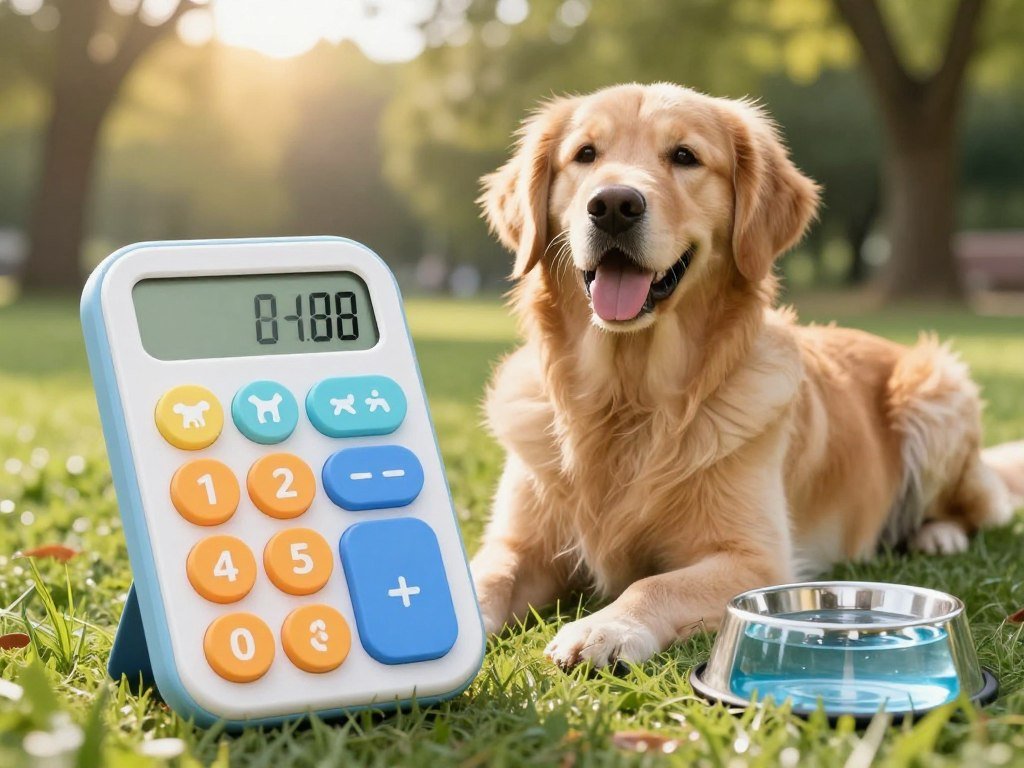
How Much Water Should a Dog Drink Daily: General Guidelines by Weight
The amount of water your dog needs daily is directly related to their body weight. A general guideline is that dogs require approximately 1 ounce of water per pound of body weight per day.
Small Breeds (Under 20 lbs)
Small breeds, weighing under 20 pounds, need a significant amount of water relative to their size. For instance, a 10-pound dog should drink about 10 ounces of water daily. It’s essential to monitor their water intake to prevent dehydration.
Medium Breeds (20-50 lbs)
Medium breeds, weighing between 20-50 pounds, have moderate water needs. A dog weighing 30 pounds, for example, would need around 30 ounces of water daily. Ensuring access to fresh water at all times is crucial for this group.
Large Breeds (50-100 lbs)
Large breeds, weighing between 50-100 pounds, require a substantial amount of water. A 70-pound dog, for instance, needs about 70 ounces of water daily. Their water bowls should be large enough to hold this amount.
Giant Breeds (Over 100 lbs)
Giant breeds, weighing over 100 pounds, have the highest water requirements. For example, a 120-pound dog would need approximately 120 ounces of water daily. It’s vital to ensure they always have access to plenty of fresh water.
To better understand the daily water needs of dogs based on their weight, refer to the following table:
| Breed Size | Weight Range (lbs) | Daily Water Intake (ounces) |
|---|---|---|
| Small Breeds | Under 20 | 10-20 |
| Medium Breeds | 20-50 | 20-50 |
| Large Breeds | 50-100 | 50-100 |
| Giant Breeds | Over 100 | 100+ |
Factors That Affect Your Dog’s Water Requirements
The amount of water your dog needs isn’t constant and can be influenced by several key factors. Understanding these factors is crucial for ensuring your dog stays properly hydrated.
Activity Level and Exercise
Dogs that are more active or engage in regular exercise need more water to replenish lost fluids. “A dog’s water intake should be adjusted according to their activity level.” For instance, dogs that participate in strenuous activities or sports will require more water than those that lead a sedentary lifestyle.
As a general rule, the more active your dog is, the more water they will need. It’s essential to monitor your dog’s activity level and adjust their water intake accordingly.
Weather and Temperature
Weather conditions and temperature can significantly impact your dog’s water needs. Hot and humid weather can cause dogs to lose more water through panting, increasing their need for hydration.
In contrast, dogs living in cooler climates may need less water. It’s crucial to adjust your dog’s water intake according to the weather to prevent dehydration.
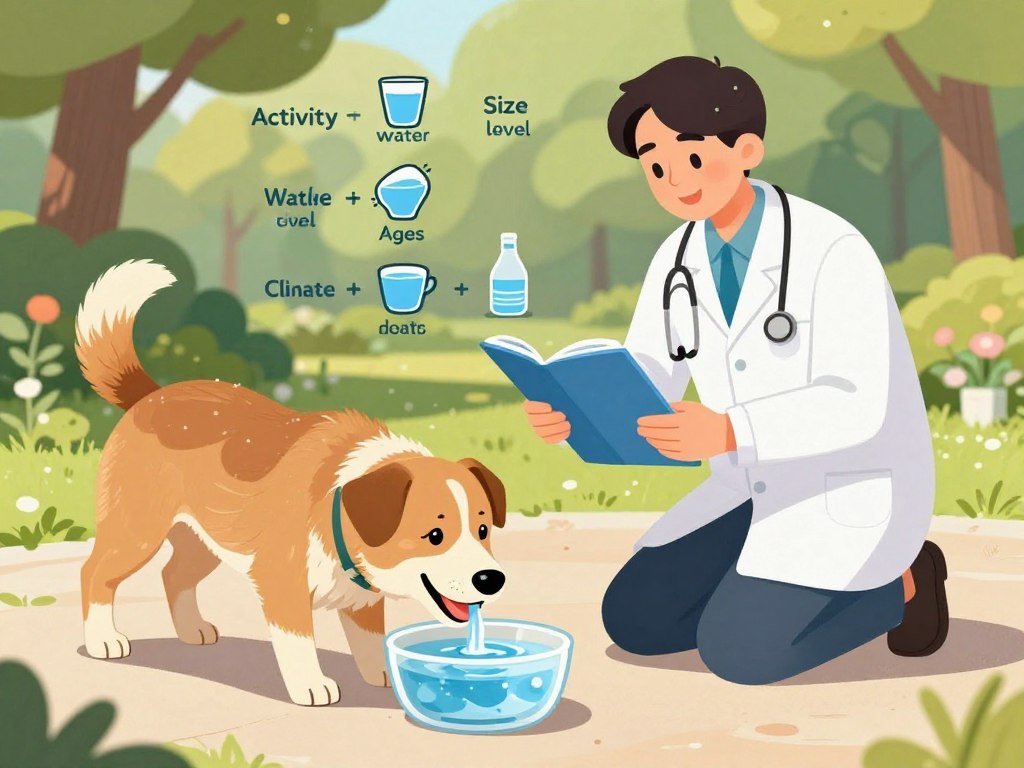
Diet Type (Dry vs. Wet Food)
The type of food your dog eats can also affect their water requirements. Dogs on a dry food diet typically need to drink more water compared to those on a wet food diet, as wet food contains a higher moisture content.
For example, a dog fed primarily dry kibble will need to drink more water to compensate for the lower moisture content in their food.
Age Considerations
A dog’s age is another critical factor that influences their water needs. Puppies and senior dogs have different hydration requirements compared to adult dogs.
Puppies, being more energetic, may need more water relative to their body size, while senior dogs may need more water due to decreased efficiency in their bodies’ ability to regulate fluids.
Recognizing the Signs of Dehydration in Dogs
Dehydration in dogs can be a serious health issue if not recognized and addressed promptly. It’s crucial for dog owners to be aware of the signs of dehydration to ensure their pets receive timely care.
Early Warning Signs
The early signs of dehydration in dogs can be subtle but are critical to identify. These include lethargy, dry gums, and a general lack of interest in activities. If you notice your dog is less energetic or their gums feel dry to the touch, it’s time to encourage them to drink more water.
Moderate Dehydration Symptoms
As dehydration progresses, symptoms become more pronounced. Dogs may exhibit sunken eyes and a loss of skin elasticity. You can check for dehydration by gently pinching the skin on the back of your dog’s neck; if it doesn’t snap back quickly, your dog may be dehydrated.
Severe Dehydration: Emergency Signs
Severe dehydration is a medical emergency. Signs include extreme lethargy, rapid heartbeat, and in severe cases, collapse. If your dog shows any of these symptoms, seek veterinary care immediately.
| Dehydration Level | Common Signs |
|---|---|
| Early | Lethargy, dry gums |
| Moderate | Sunken eyes, loss of skin elasticity |
| Severe | Extreme lethargy, rapid heartbeat, collapse |
Recognizing these signs and understanding the severity of dehydration is key to preventing dehydration in dogs. Always ensure your dog has access to fresh water and monitor their condition closely, especially in hot weather or after intense exercise.
How to Check if Your Dog is Dehydrated at Home
Monitoring your dog’s hydration levels is crucial, and there are several simple tests you can perform at home to check for dehydration. Dehydration can sneak up on your dog, especially during hot weather or after intense exercise, making it essential to know how to identify it early.
The Skin Tent Test
One of the most common methods to check for dehydration is the skin tent test. To perform this test, gently pinch the skin on the back of your dog’s neck. If your dog is well-hydrated, the skin will snap back into place quickly. However, if it’s dehydrated, the skin will take longer to return to its normal position. This simple test can give you a quick indication of your dog’s hydration status.
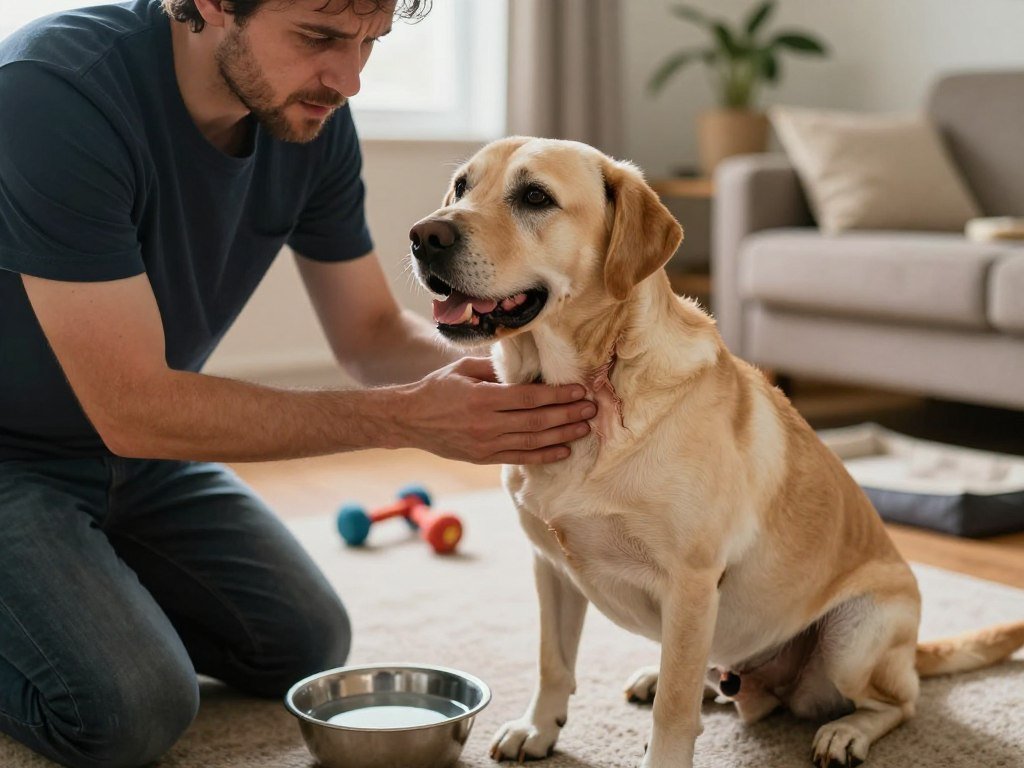
Checking Gum Moisture and Color
Another effective way to check for dehydration is by examining your dog’s gums. Healthy, hydrated dogs have moist, pink gums. If your dog’s gums are dry, pale, or sticky, it could be a sign of dehydration. You can also check the capillary refill time by pressing on the gum and releasing; if the color returns slowly, it may indicate dehydration.
Observing Energy Levels and Behavior
Dehydration can also affect your dog’s behavior and energy levels. A dehydrated dog may appear lethargic, show less interest in activities, or have a decreased appetite. Observing these changes can be crucial in identifying dehydration early. If you notice any of these signs, it’s essential to provide your dog with water and consider consulting with a veterinarian if the symptoms persist.
As noted by veterinary experts, “Early detection of dehydration can significantly improve your dog’s recovery and prevent more severe complications.” Ensuring your dog stays hydrated is a critical aspect of their overall health and wellbeing.
Health Risks of Insufficient Water Intake
Insufficient water intake can have severe consequences on a dog’s health. Ensuring your dog drinks enough water is crucial to prevent various health issues.
Dehydration can lead to a range of health problems, from mild to severe. As stated by veterinary experts,
“Dehydration in dogs can cause a multitude of health issues, including kidney problems, urinary tract issues, and digestive complications.”
It is essential to understand these risks to take appropriate preventive measures.
Kidney Problems and Urinary Issues
One of the significant health risks of dehydration in dogs is kidney problems. The kidneys need adequate water to function correctly. Insufficient water intake can lead to a concentration of toxins in the kidneys, potentially causing damage over time. Urinary issues, such as kidney stones or urinary tract infections, can also arise due to inadequate hydration.
Digestive System Complications
Dehydration can also affect a dog’s digestive system. Inadequate water intake can lead to constipation, as the body pulls water from the colon to maintain other bodily functions. This can cause discomfort and potentially lead to more severe digestive issues if not addressed.
Organ Damage and Long-Term Effects
Long-term dehydration can have severe consequences, including organ damage. When the body does not have enough water, it can lead to a decrease in blood volume, causing a reduction in blood flow to vital organs. This can result in damage to organs such as the kidneys, liver, and heart over time.
Ensuring your dog drinks enough water is crucial to prevent these health issues. Monitoring your dog’s water intake and overall health can help identify any potential problems early on.
Practical Tips to Encourage Your Dog to Drink More Water
Proper hydration is vital for your dog’s well-being, and making a few adjustments can significantly impact their water intake. Ensuring your dog drinks enough water is not just about providing a water bowl; it’s about creating an environment that encourages hydration.
Multiple Water Station Placement
One effective way to encourage your dog to drink more water is by placing multiple water stations around the house. This ensures that water is always within reach, no matter where your dog is. Placing water bowls in areas where your dog spends most of their time can significantly increase their water intake.
Keep Water Fresh and Clean
Dogs are highly sensitive to taste and smell, so keeping their water fresh and clean is crucial. Change the water frequently to prevent bacterial growth, and consider using a water filter if you’re concerned about the taste or quality of your tap water.
Try Different Bowl Types and Materials
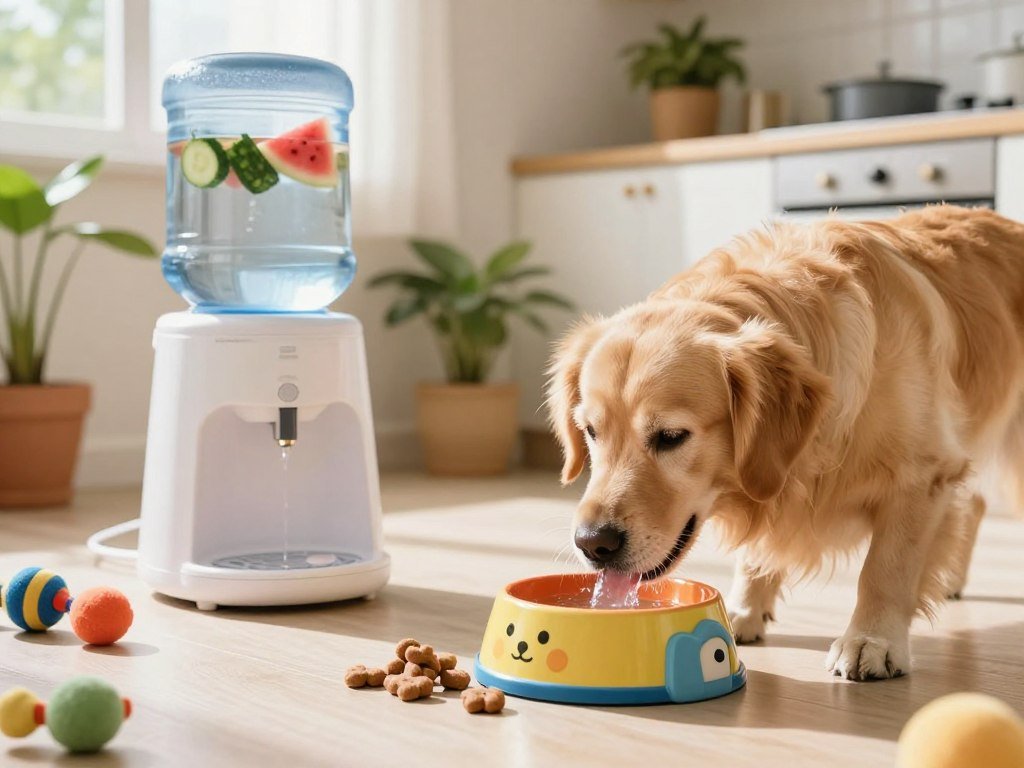
The type of bowl you use can affect your dog’s willingness to drink. Some dogs prefer certain materials over others; for example, some may prefer ceramic or stainless steel bowls over plastic ones. Experimenting with different bowl types can help identify your dog’s preference.
Add Flavor or Ice Cubes
Adding a bit of flavor to your dog’s water or using ice cubes can make drinking more appealing. You can try adding a low-sodium chicken broth to their water or freezing some of their favorite treats in ice cube trays to add to their water bowl.
| Tip | Description | Benefit |
|---|---|---|
| Multiple Water Stations | Place water bowls in multiple locations around the house. | Increases accessibility and encourages drinking. |
| Fresh and Clean Water | Change water frequently and consider using a water filter. | Improves taste and reduces bacterial growth. |
| Different Bowl Types | Experiment with ceramic, stainless steel, or other materials. | Finds the most comfortable and preferred bowl for your dog. |
| Add Flavor or Ice Cubes | Add low-sodium broth or freeze treats in ice cubes. | Makes drinking water more appealing and fun. |
Special Hydration Considerations for Different Life Stages
Understanding the unique hydration needs of dogs at different life stages is essential for their overall health. As dogs grow and age, their water requirements change due to factors such as activity level, health status, and physiological demands.
Puppies and Their Unique Water Needs
Puppies have high energy levels and are constantly growing, which means they require constant access to fresh water. Their high metabolism and activity levels result in a higher water intake per pound of body weight compared to adult dogs. Ensuring puppies stay hydrated is crucial for their development and overall health.
Key considerations for puppy hydration include:
- Ensuring constant access to clean, fresh water
- Monitoring water intake, especially during hot weather or playtime
- Avoiding overexertion to prevent dehydration
Senior Dogs and Hydration Changes
Senior dogs, on the other hand, may experience changes in their hydration status due to aging. Older dogs might have decreased mobility, dental issues, or underlying health conditions that can affect their water intake. It’s essential to monitor their hydration closely and adjust their care accordingly.
Some factors to consider for senior dogs include:
- Monitoring for signs of dehydration
- Adjusting water intake based on activity level and health status
- Providing easy access to water to accommodate any mobility issues
A study on canine hydration noted,
“Older dogs are more susceptible to dehydration due to a decline in their physiological ability to regulate fluids.”
Pregnant and Nursing Dogs
Pregnant and nursing dogs have increased hydration needs due to the demands of pregnancy and lactation. Ensuring these dogs have access to plenty of fresh water is vital for their health and the health of their puppies.
| Life Stage | Hydration Needs | Key Considerations |
|---|---|---|
| Puppies | High water intake due to growth and activity | Constant access to fresh water, monitor intake |
| Senior Dogs | Variable, depending on health and mobility | Monitor for dehydration, adjust intake |
| Pregnant/Nursing Dogs | Increased water needs | Ensure plenty of fresh water, monitor health |
When to Contact Your Veterinarian About Water Intake
It’s essential to be aware of changes in your dog’s drinking habits, as these can be indicative of underlying health issues. Monitoring your dog’s water intake is crucial, and any sudden changes should be taken seriously.
If you notice any unusual patterns in your dog’s hydration habits, it’s vital to understand when to seek professional advice from a veterinarian. The following situations warrant a consultation with your vet:
Excessive Thirst (Polydipsia)
Excessive thirst, or polydipsia, is a condition where your dog consumes more water than usual. This can be a sign of various health issues, including diabetes, kidney disease, or Cushing’s syndrome. If you observe that your dog is drinking significantly more water than normal, it’s crucial to consult with your veterinarian to rule out any underlying conditions.
Refusing to Drink Water
On the other hand, if your dog refuses to drink water or shows a decreased interest in drinking, it could be a sign of illness or discomfort. This behavior can lead to dehydration, which can have serious health consequences. If your dog is not drinking water as usual, it’s essential to consult with your vet to identify the cause and appropriate treatment.
Sudden Changes in Drinking Habits
Sudden changes in your dog’s drinking habits, whether it’s an increase or decrease in water consumption, can be a cause for concern. These changes might indicate health issues that need to be addressed. A veterinarian can help determine the cause of these changes and provide guidance on the best course of action.
To better understand the signs that indicate a need to consult a veterinarian, refer to the following table:
| Signs | Possible Health Issues | Action |
|---|---|---|
| Excessive thirst | Diabetes, kidney disease, Cushing’s syndrome | Consult a veterinarian |
| Refusing to drink water | Illness, discomfort, dental issues | Consult a veterinarian |
| Sudden changes in drinking habits | Various health issues | Consult a veterinarian |
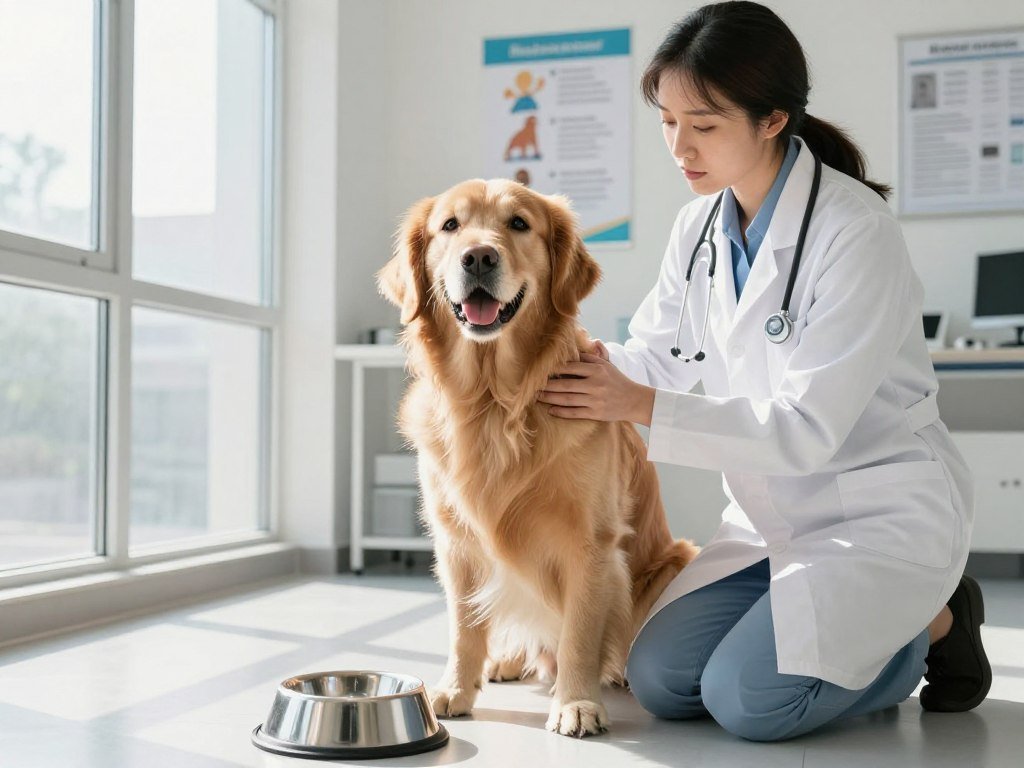
Being vigilant about your dog’s hydration and recognizing when to seek veterinary advice can significantly impact their health and well-being. If you’re ever in doubt about your dog’s drinking habits or overall health, it’s always best to consult with a professional.
Conclusion
Ensuring your dog stays hydrated is crucial for their overall health and longevity. By understanding their daily canine water needs and monitoring their intake, you can help prevent dehydration and related health issues.
Proper dog hydration is essential for maintaining their bodily functions, and being aware of the signs of dehydration can help you take prompt action. By following the guidelines and tips outlined in this article, you can help keep your dog happy and healthy.
Preventing dehydration in dogs requires attention to their individual needs, including factors such as age, size, and activity level. By being mindful of these factors and taking steps to encourage adequate water intake, you can help ensure your dog leads a healthy life.
FAQ
How much water should a dog drink daily based on their weight?
Where can I find a dog hydration calculator?
What are the most common dog dehydration signs I should watch for?
What is the recommended water intake for dogs that exercise heavily?
How do canine water needs change during the winter?
Are there specific dog water requirements for senior pets?
What are your best tips for preventing dehydration in dogs during road trips?
How can I calculate dog’s daily water intake if I feed them wet food?
What should I do if I notice signs of dog dehydration in my pet?
🌐 Explore the Smart Digital Network
A connected ecosystem of innovative platforms — empowering your journey through Smart Living, AI Automation, Wellness, Reviews, and Digital Learning. Discover more from our network below 👇




Part of the Smart Digital Network © 2025 — Explore, Learn & Grow Smarter 💡

Prabir Dutta
Prabir Dutta is a passionate digital creator, affiliate marketer, and wellness enthusiast who simplifies complex topics like AI tools, Vastu, pet care, and modern living. With a keen eye for SEO, tech trends, and everyday health solutions, he writes to empower readers with actionable, smart-living insights. When not curating content across his network of niche blogs, Prabir enjoys exploring new digital tools that make life easier and more efficient.






 SuperFreeTools

 SmartAIEarn

 SmartWellnessBeauty


 TrendsOfReview