
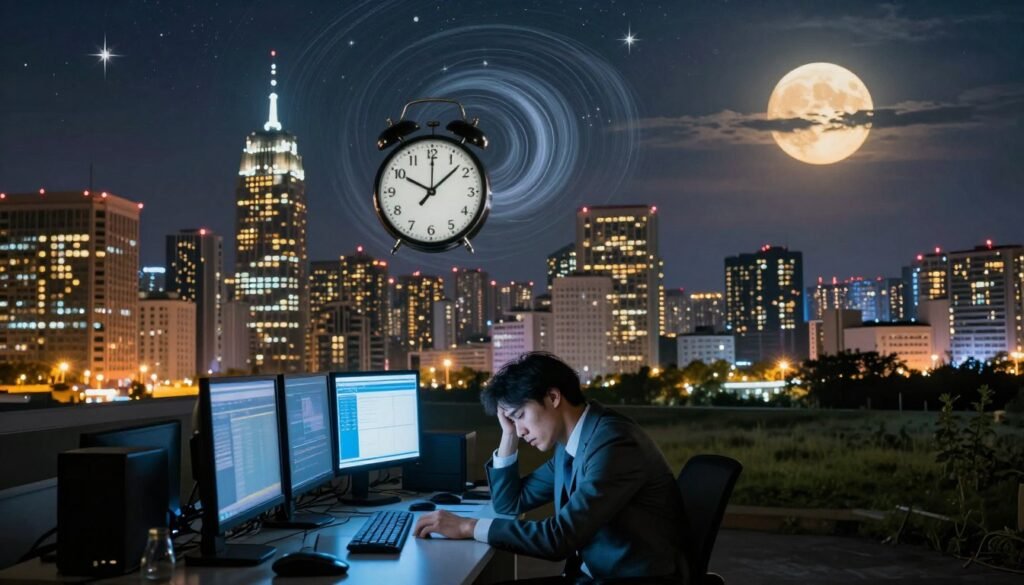
A staggering number of people worldwide suffer from sleep disorders, with many cases attributed to the disruption of our natural circadian rhythm. The story of Sparrow Rose Jones, who experienced a non-24-hour sleep-wake disorder due to her irregular schedule, is a striking example of the consequences of circadian disruption.
The widespread use of electronic devices and exposure to blue light before bedtime have significantly impacted our sleep patterns. As a result, many individuals struggle to maintain a regular sleep schedule, leading to various health issues.
Key Takeaways
- Circadian rhythm disruption is a growing concern worldwide.
- Irregular schedules and exposure to blue light can significantly impact sleep patterns.
- Maintaining a natural circadian rhythm is crucial for overall health.
- Lifestyle changes can help mitigate the effects of circadian disruption.
- Awareness of the impact of modern life on our circadian rhythm is the first step towards a healthier sleep schedule.
Understanding Our Biological Clock
Understanding our biological clock is crucial for maintaining a healthy lifestyle. The human body operates on a complex system that is regulated by an internal clock, which dictates our sleep-wake cycles, hormone secretion, and other bodily functions.
What Is the Circadian Rhythm?
The circadian rhythm refers to the internal processes that occur in living organisms, including humans, over a 24-hour cycle. These processes are influenced by external cues, primarily light and darkness, to synchronize our physiological functions with the day-night cycle.
The circadian rhythm plays a vital role in regulating our sleep-wake cycles, hormone secretion, and metabolism. When our circadian rhythm is disrupted, it can lead to sleep disorders, digestive problems, and other health issues.
The Master Clock in Your Brain
The suprachiasmatic nucleus (SCN) acts as the master clock, controlling our circadian rhythms by responding to light and darkness signals from the environment. The SCN is a small group of cells in the hypothalamus that plays a crucial role in regulating our internal timing.
The SCN responds to light exposure by synchronizing our bodily functions with the external environment. This synchronization is essential for maintaining a healthy sleep-wake cycle and overall well-being.
| Component | Function | Impact on Circadian Rhythm |
|---|---|---|
| Suprachiasmatic Nucleus (SCN) | Acts as the master clock | Regulates internal timing |
| Light Exposure | Influences SCN | Synchronizes bodily functions with day-night cycle |
| Circadian Rhythm | Regulates sleep-wake cycles and bodily functions | Affects overall health and well-being |
How Light Regulates Our Internal Timing
Light exposure is a critical factor in regulating our internal timing. Morning light exposure sets our body clock for the day, while evening darkness triggers nighttime physiology. This natural light-dark cycle is essential for maintaining a healthy circadian rhythm.
When we are exposed to light in the morning, it sends a signal to the SCN, which then synchronizes our bodily functions with the external environment. Conversely, darkness in the evening triggers the production of melatonin, a hormone that regulates sleep.
By understanding how light regulates our internal timing, we can take steps to maintain a healthy circadian rhythm and improve our overall well-being.
The Evolution of Sleep Patterns Throughout Human History
The evolution of sleep patterns is closely tied to human history, with significant changes occurring during the Industrial Revolution and the digital age. Understanding these changes is crucial to addressing the issue of how modern life is breaking our circadian rhythm.

Pre-Industrial Sleep Habits
Before the Industrial Revolution, human sleep patterns were largely dictated by natural light and the environment. People generally went to bed earlier and woke up with the sun. Sleep was often segmented into two periods with a period of wakefulness in between, a pattern observed in many pre-industrial societies.
Key characteristics of pre-industrial sleep habits include:
- Going to bed soon after sunset
- Waking up for a period during the night for activities like prayer or reading
- Rising with the sun
How the Industrial Revolution Changed Sleep
The Industrial Revolution brought about significant changes in sleep patterns. With the advent of artificial lighting, people began to stay up later and sleep less. The introduction of shift work and the need for longer working hours further disrupted traditional sleep patterns.
The impact of the Industrial Revolution on sleep was multifaceted:
- Increased use of artificial lighting allowed for longer working hours and later bedtimes.
- The introduction of shift work led to irregular sleep schedules for many workers.
- Urbanization and the growth of cities led to increased noise and other environmental factors that disrupted sleep.
The Digital Age and Sleep Transformation
The digital age has brought about another significant transformation in sleep patterns. The widespread use of digital devices and the constant connectivity they provide have further disrupted traditional sleep habits. The impact of blue light on sleep and the role of technology in sleep disturbances are critical factors in understanding modern sleep issues.
Some of the ways the digital age has affected sleep include:
- The use of smartphones and tablets before bed, which can suppress melatonin production.
- The constant availability of digital entertainment, leading to later bedtimes.
- The blurring of boundaries between work and personal life, leading to increased stress and sleep disruption.
How Modern Life Is Breaking Our Circadian Rhythm
As we embrace 24/7 lifestyles, our internal clocks are facing unprecedented disruption. The modern world’s fast pace is altering our natural sleep-wake cycles, leading to a range of health issues.
The Shift to 24/7 Lifestyles
The transition to a 24/7 lifestyle is one of the primary factors contributing to circadian rhythm disruption. With the advent of technology and the rise of global economies, the traditional day-night cycle is becoming less relevant.
- Extended working hours
- Global business operations across different time zones
- Entertainment and social activities available at all hours
This constant activity is challenging our bodies’ natural inclination to follow a circadian rhythm, making it difficult to maintain a consistent sleep schedule.
Constant Connectivity and Its Effects
Constant connectivity through digital devices is another significant factor. The widespread use of smartphones, tablets, and computers has made it possible to stay connected and work at any time.
- Increased exposure to screens and blue light
- Notifications and alerts that disrupt relaxation and sleep
- The expectation of being available 24/7
This constant connectivity can lead to technology and sleep disturbances, further exacerbating circadian rhythm disruption.
Urban Living and Artificial Light Pollution
Urban living exposes individuals to high levels of artificial light pollution, which can significantly impact our circadian rhythms. Streetlights, building lights, and billboards all contribute to a bright environment even after sunset.
- Suppression of melatonin production
- Delayed sleep onset
- Poor sleep quality
By understanding these factors, we can begin to address the ways in which modern life is breaking our circadian rhythm and take steps to mitigate these effects.
The Blue Light Crisis
As we increasingly rely on digital devices, the consequences of blue light exposure on our sleep are becoming more apparent. The widespread use of smartphones, tablets, and computers has led to a significant increase in exposure to blue light, particularly in the evening hours.
How Screens Affect Melatonin Production
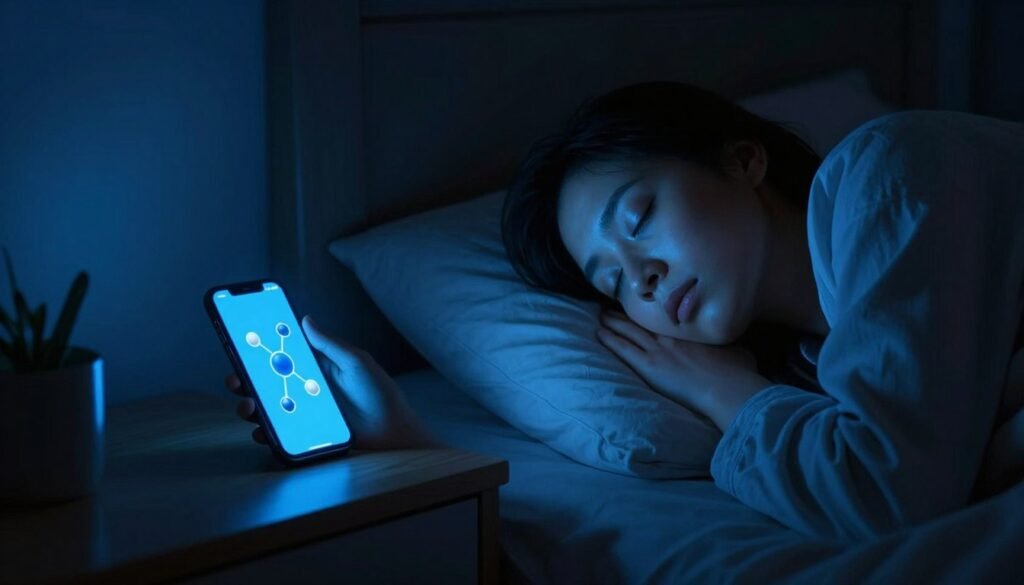
Exposure to blue light from screens can suppress melatonin production, leading to sleep disruption. Melatonin is a hormone produced by the pineal gland that regulates our sleep-wake cycles. When blue light enters the eye, it sends a signal to the brain, which interprets it as daylight, thereby reducing melatonin production.
The Timing of Light Exposure Matters
The timing of light exposure is crucial in determining its impact on our sleep. Evening exposure to blue light is particularly disruptive, as it can trick the brain into thinking it’s still daytime. This can lead to difficulty falling asleep and reduced sleep quality.
Smartphones, Tablets, and Sleep Disruption
Smartphones and tablets are among the most significant sources of blue light exposure, especially in the evening. The constant connectivity they offer can lead to prolonged screen time, further exacerbating sleep disruption. To mitigate this, it’s essential to establish digital boundaries and explore ways to minimize blue light exposure.
| Device | Blue Light Emission | Impact on Sleep |
|---|---|---|
| Smartphones | High | Significant sleep disruption |
| Tablets | High | Significant sleep disruption |
| Computers | Moderate | Moderate sleep disruption |
By understanding the impact of blue light on our sleep and taking steps to minimize exposure, we can work towards reclaiming our natural sleep rhythms.
Irregular Work Schedules and Shift Work
Many industries now require employees to work irregular hours, disrupting their natural circadian rhythms. This shift has significant implications for workers’ health and overall well-being.
Rise of Non-Traditional Work Hours
The modern economy has seen a substantial shift towards irregular work schedules and shift work. Industries such as healthcare, transportation, and hospitality often require employees to work late nights, early mornings, or rotating shifts. This trend is driven by the need for around-the-clock operations and the increasing demand for services at all hours.
As a result, millions of workers worldwide are now working outside traditional daytime hours. This change can have far-reaching effects on their sleep patterns, health, and overall quality of life.
Health Consequences for Shift Workers
Working irregular hours can lead to a range of health consequences. Shift workers are at higher risk for sleep disorders, cardiovascular disease, diabetes, and obesity. The disruption to their natural circadian rhythms can also affect their cognitive function, mood, and overall well-being.
Research has shown that long-term shift work can have serious health implications. For instance, a study published in a leading medical journal found that night shift workers had a higher risk of developing certain types of cancer.
Strategies for Shift Workers to Minimize Disruption
While the challenges of shift work are significant, there are strategies that can help minimize its impact. One effective approach is to maintain a consistent sleep schedule, even on days off. This can help regulate the body’s internal clock and reduce the risk of sleep disorders.
- Create a sleep-conducive environment by ensuring the bedroom is dark, quiet, and cool.
- Avoid caffeine and heavy meals close to bedtime.
- Use light therapy during waking hours to help regulate circadian rhythms.
- Stay physically active, but avoid vigorous exercise before bedtime.
By implementing these strategies, shift workers can better manage the challenges of their schedules and reduce the risk of associated health problems.
Social Jetlag: Weekend Disruptions
The inconsistency in sleep schedules between weekdays and weekends can lead to social jetlag, affecting our overall well-being. This phenomenon occurs when our sleep patterns differ significantly between the weekdays and weekends, causing a disruption in our internal clocks.

The Friday-Saturday Sleep Shift
During the weekdays, many people adhere to a strict schedule, waking up early for work or school. However, on weekends, the temptation to sleep in and catch up on rest can be overwhelming. This shift in sleep schedule can be as disruptive as traveling across multiple time zones.
Key factors contributing to the Friday-Saturday sleep shift include:
- Later bedtimes on Friday and Saturday nights
- Sleeping in later on Saturday and Sunday mornings
- Irregular meal times and social activities
Why Sleeping In Doesn’t Fix the Problem
While sleeping in on weekends might feel like a way to recover from the week’s sleep deficit, it doesn’t necessarily fix the problem. In fact, it can make it harder to adjust to the weekday routine come Monday morning.
The consequences of sleeping in on weekends include:
- Difficulty waking up on Monday morning
- Reduced productivity and focus throughout the day
- Potential long-term effects on overall health and well-being
Maintaining Consistency Through Weekends
Maintaining a consistent sleep schedule, even on weekends, is crucial for minimizing social jetlag. By keeping our sleep patterns aligned with our natural circadian rhythms, we can improve the quality of our sleep and overall health.
Tips for maintaining sleep consistency:
- Stick to your regular bedtime and wake-up time, even on weekends
- Avoid napping during the day if you’re having trouble sleeping at night
- Create a relaxing bedtime routine to signal to your body that it’s time to sleep
By being mindful of our sleep patterns and making a conscious effort to maintain consistency, we can reduce the effects of social jetlag and improve our overall quality of life.
The Health Consequences of Circadian Disruption
Disrupting the body’s internal clock can lead to a range of health issues, both immediate and long-term. Our modern lifestyle, characterized by irregular sleep patterns, prolonged screen time, and demanding work schedules, significantly impacts our circadian rhythm.
Short-Term Effects on Cognition and Mood
In the short term, circadian disruption can affect our cognitive functions and mood. Lack of proper sleep or irregular sleep patterns can lead to difficulties in concentration, memory lapses, and decreased problem-solving skills. Moreover, it can cause mood swings, irritability, and increased stress levels.
Impaired cognitive function due to circadian disruption can affect daily activities, work performance, and overall quality of life. It’s essential to recognize these short-term effects to prevent long-term health consequences.
Long-Term Health Risks
Chronic circadian disruption is associated with various long-term health risks. These include an increased risk of cardiovascular diseases, such as hypertension and heart attacks, due to the continuous strain on the cardiovascular system.
| Health Risk | Description |
|---|---|
| Cardiovascular Diseases | Increased risk due to chronic strain on the heart and blood vessels |
| Metabolic Disorders | Risk of developing diabetes and obesity due to hormonal imbalances |
| Mental Health Issues | Potential for depression and anxiety disorders |
Immune System Function and Sleep Rhythms
Circadian disruption also affects our immune system function. The immune system’s efficiency is closely linked to the body’s sleep-wake cycle. Irregular sleep patterns can weaken the immune response, making us more susceptible to infections.
A well-regulated circadian rhythm is crucial for the proper functioning of the immune system. Ensuring a consistent sleep schedule and creating a sleep-conducive environment can help mitigate some of the health consequences associated with circadian disruption.
Nutrition Timing and Circadian Health
The timing of our meals plays a crucial role in our overall health and circadian rhythm. As we navigate our daily routines, the decisions we make about when to eat can significantly impact our internal clock and overall well-being.
How Late-Night Eating Affects Sleep
Eating late at night can disrupt our sleep patterns. Consuming a large meal close to bedtime can lead to discomfort and indigestion, making it harder to fall asleep. “A full stomach can be as disruptive as a bright light in terms of keeping us awake,” notes a recent study on sleep and nutrition. It’s recommended to finish eating at least 2-3 hours before bedtime to allow for proper digestion and to help maintain a healthy sleep-wake cycle.

The Connection Between Meal Timing and Metabolism
Meal timing is closely linked to our metabolic health. Research has shown that eating in sync with our natural circadian rhythm can improve metabolic function. For instance, eating a larger breakfast and a smaller dinner can help regulate blood sugar levels and support weight management. This approach aligns with our body’s natural rhythms, potentially reducing the risk of metabolic disorders.
Furthermore, studies have indicated that intermittent fasting can have positive effects on metabolic health by enhancing insulin sensitivity and promoting autophagy, a natural process in which the body breaks down and recycles damaged cells and proteins.
Intermittent Fasting and Circadian Alignment
Intermittent fasting has gained popularity for its potential benefits on circadian alignment and overall health. By restricting eating to certain windows of time, individuals can help regulate their internal clock. A common method involves fasting for 16 hours and eating within an 8-hour window, which can help synchronize meal times with the body’s natural circadian rhythm.
- Improves insulin sensitivity
- Enhances autophagy
- Supports weight management
As we explore the connection between nutrition timing and circadian health, it becomes clear that our eating habits play a significant role in maintaining a healthy internal clock. By making informed choices about when we eat, we can support our overall well-being and potentially reduce the risk of various health issues.
Exercise and Its Impact on Sleep Cycles
The relationship between physical exercise and sleep cycles is complex and multifaceted. Regular physical activity is known to influence sleep patterns, but the extent and nature of this influence can vary based on several factors, including the timing and type of exercise.
Optimal Timing for Physical Activity
The timing of exercise plays a significant role in its impact on sleep. Research suggests that exercising too close to bedtime can sometimes interfere with sleep quality, although this effect can vary from person to person. Morning or afternoon exercise is often recommended for those looking to improve their sleep.
A study published in the Journal of Clinical Sleep Medicine found that individuals who engaged in moderate-intensity exercise in the morning or early afternoon tended to have better sleep quality compared to those who exercised in the evening.
How Different Types of Exercise Affect Sleep Quality
Different types of exercise can have varying effects on sleep quality. For instance, aerobic exercises like running or cycling can improve sleep quality by reducing stress and anxiety. On the other hand, resistance training can also contribute to better sleep by promoting physical fatigue.
- Aerobic exercises: Running, cycling, swimming
- Resistance training: Weightlifting, bodyweight exercises
- Flexibility exercises: Yoga, Pilates
It’s essential to find a balance and mix of different exercise types to achieve the best sleep outcomes.
The Relationship Between Movement and Circadian Entrainment
Regular movement and physical activity are crucial for maintaining a healthy circadian rhythm. Exercise can help regulate the body’s internal clock, making it easier to fall asleep and stay asleep. Circadian entrainment refers to the synchronization of our bodily functions with the 24-hour day-night cycle.
| Exercise Type | Impact on Sleep |
|---|---|
| Aerobic Exercise | Improves sleep quality, reduces stress |
| Resistance Training | Promotes physical fatigue, enhances sleep |
| Flexibility Exercises | Reduces stress, improves relaxation |
By incorporating a variety of exercises into your daily routine and being mindful of the timing, you can significantly improve your sleep cycles and overall well-being.
Technology and Sleep: Finding Balance
In today’s digital age, finding a balance between technology use and sleep health is crucial for our overall well-being. As we navigate the complexities of modern life, it’s essential to understand how technology impacts our sleep and what strategies we can employ to mitigate any negative effects.
Digital Boundaries for Better Sleep
Establishing digital boundaries is a critical step towards improving sleep quality. This involves setting limits on our technology use, particularly in the hours leading up to bedtime. By doing so, we can reduce the stimulating effects of screens and create a more conducive sleep environment.
Some effective ways to establish digital boundaries include:
- Implementing a “no screens” policy at least an hour before bedtime
- Using blue light filtering glasses or apps that filter out blue light
- Designating the bedroom as a tech-free zone
Apps and Tools That Support Healthy Rhythms
While technology can be a hindrance to sleep, it can also be a valuable tool in promoting healthy sleep habits. There are numerous apps and devices designed to support sleep health, ranging from sleep trackers to white noise generators.
| App/Device | Function | Benefits |
|---|---|---|
| Sleep Cycle | Sleep tracking and monitoring | Helps wake you during your lightest sleep phase, improving the quality of your wake-up |
| Calm | Meditation and relaxation | Offers guided meditations to help you relax and fall asleep faster |
| Philips Wake-Up Light | Simulates a sunrise to wake you up | Helps regulate your circadian rhythms by simulating a natural sunrise |
Creating a Tech-Free Bedtime Routine
Developing a tech-free bedtime routine is essential for signaling to your body that it’s time to sleep. This can involve activities such as reading, journaling, or practicing relaxation techniques.
Tips for a Tech-Free Bedtime Routine:
- Start winding down at least 30 minutes before bedtime
- Engage in calming activities that promote relaxation
- Avoid stimulating activities or exposure to bright lights
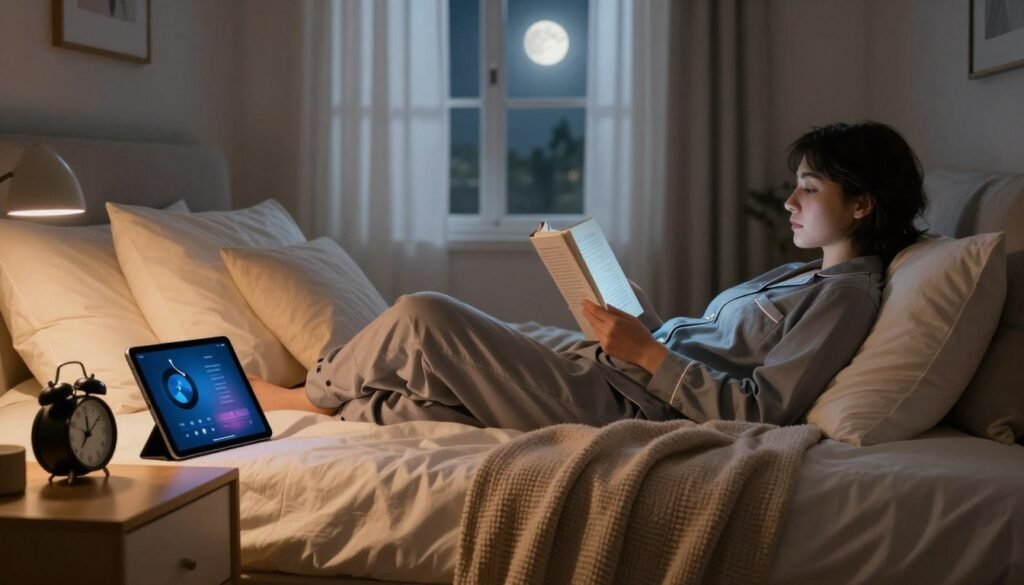
By implementing these strategies, individuals can better balance their technology use with the need for quality sleep, ultimately enhancing their overall health and well-being.
Reclaiming Your Rhythm: Practical Solutions
To take back control of your circadian rhythm, consider implementing a few simple yet effective changes into your daily routine. By doing so, you can improve the quality of your sleep, enhance your overall well-being, and boost your energy levels.
Creating a Consistent Sleep Schedule
Establishing a consistent sleep schedule is crucial for regulating your body’s internal clock. This involves setting a regular bedtime and wake-up time, even on weekends. Consistency helps your body adjust to a routine, making it easier to fall asleep and stay asleep.
To achieve this consistency, start by setting a realistic bedtime and wake-up time. Gradually adjust your sleep schedule if necessary, allowing your body to adapt to the new rhythm. Avoid staying up late on weekends, as this can disrupt your body’s natural rhythm and make it harder to wake up on Monday mornings.
Managing Light Exposure Throughout the Day
Light exposure plays a significant role in regulating your circadian rhythm. Exposure to natural light during the day helps your body understand when it’s time to be awake, while darkness at night signals that it’s time to sleep. To manage light exposure effectively, spend time outside during the day, and open your curtains to let natural light into your home.
In the evening, reduce your exposure to artificial light by dimming the lights and avoiding screens for at least an hour before bedtime. This can help your body produce melatonin, the hormone responsible for inducing sleep. Consider using blue light filtering glasses or apps that filter out blue light from screens.
Optimizing Your Bedroom Environment
Your bedroom environment significantly impacts the quality of your sleep. To create a sleep-conducive environment, ensure your bedroom is dark, quiet, and cool. Invest in blackout curtains, earplugs, or a white noise machine if necessary. Use a comfortable mattress and pillows to support a restful night’s sleep.
Additionally, make your bedroom a technology-free zone. Avoid having TVs, computers, and smartphones in the bedroom, as they can be distracting and disrupt your sleep. By creating a peaceful and relaxing environment, you can improve the quality of your sleep and wake up feeling refreshed and rejuvenated.
Conclusion: Harmonizing Modern Life with Natural Rhythms
As we’ve explored throughout this article, modern life poses significant challenges to our natural circadian rhythms. The widespread disruption of our internal clocks has far-reaching consequences for our health and wellbeing. By understanding the factors that contribute to circadian disruption, individuals can take the first step towards harmonizing their modern life with natural rhythms.
Implementing strategies such as maintaining a consistent sleep schedule, managing light exposure, and optimizing the bedroom environment can significantly improve circadian health. Additionally, being mindful of nutrition timing, exercise, and technology use can further support the body’s natural rhythms.
By making these adjustments, individuals can mitigate the negative effects of modern life on their circadian health. It’s about creating a balance that allows our internal clocks to function in harmony with the world around us. As we move forward, prioritizing circadian health will be crucial in maintaining overall health and resilience in the face of an increasingly demanding lifestyle.
Embracing a lifestyle that respects natural rhythms can lead to improved sleep quality, enhanced cognitive function, and a reduced risk of chronic diseases. By taking control of our circadian health, we can thrive in a world that often seems to be moving at odds with our natural timing.
FAQ
What is circadian rhythm disruption?
How does light exposure affect our circadian rhythm?
What is the impact of shift work on circadian rhythms?
How does social jetlag affect our circadian rhythms?
What is the connection between meal timing and circadian health?
How does exercise affect sleep cycles?
What are some practical solutions for reclaiming one’s circadian rhythm?
How can technology be used to support healthy sleep habits?
What are the long-term health risks associated with circadian disruption?
🌐 Explore the Smart Digital Network
A connected ecosystem of innovative platforms — empowering your journey through Smart Living, AI Automation, Wellness, Reviews, and Digital Learning. Discover more from our network below 👇




Part of the Smart Digital Network © 2025 — Explore, Learn & Grow Smarter 💡

Prabir Dutta
Prabir Dutta is a passionate digital creator, affiliate marketer, and wellness enthusiast who simplifies complex topics like AI tools, Vastu, pet care, and modern living. With a keen eye for SEO, tech trends, and everyday health solutions, he writes to empower readers with actionable, smart-living insights. When not curating content across his network of niche blogs, Prabir enjoys exploring new digital tools that make life easier and more efficient.




 SuperFreeTools

 SmartAIEarn

 SmartWellnessBeauty


 TrendsOfReview