




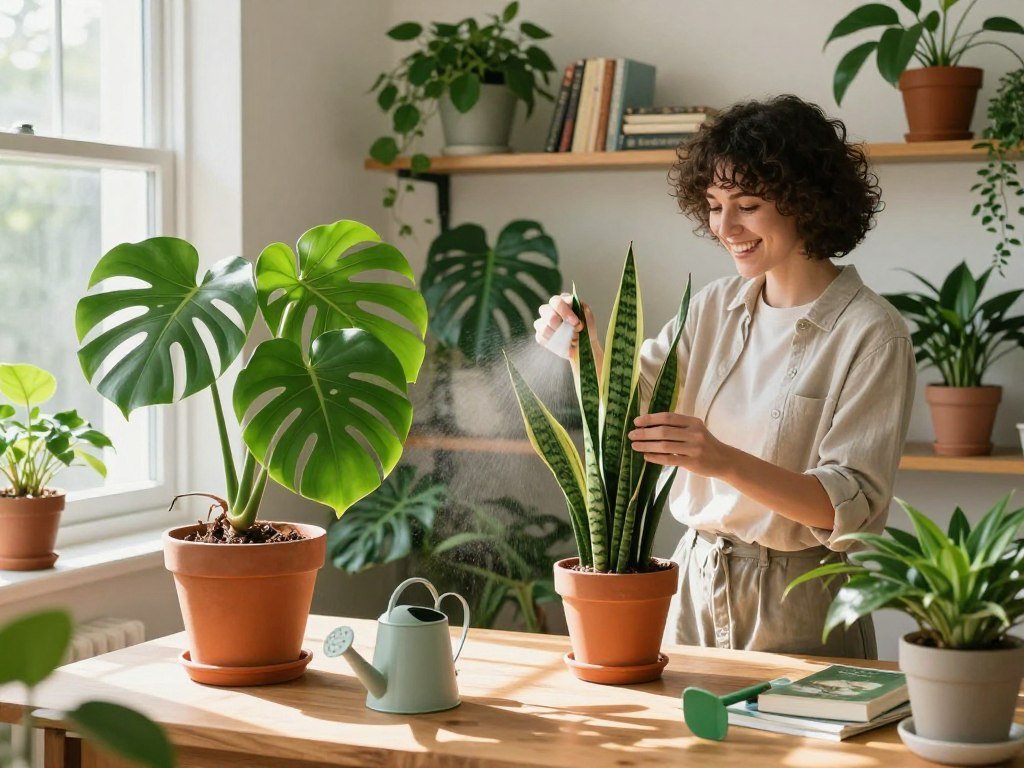
Did you know that nearly seventy percent of American households now share their living space with indoor greenery? This massive surge in popularity shows how much we value a touch of nature inside our homes. However, many beginners struggle to keep their new leafy friends alive during the first few months.
Mastering the basics of hydration and feeding is much easier than most people think. This houseplant care overview provides the essential steps every owner needs for lasting success. You will discover how to create a perfect environment for your favorite species to ensure they look great year-round.
Following a clear plant care guide helps you manage light levels and soil quality effectively. We will cover watering, fertilizing, and pruning to help your indoor garden flourish. These simple tips transform a struggling leaf into a vibrant, growing masterpiece that adds life to any room.
Key Takeaways
- Learn the correct frequency for watering different species.
- Identify the best light levels for optimal leaf growth.
- Understand how to use fertilizers to boost health.
- Master basic pruning techniques to keep growth tidy.
- Select the right soil mix for better root drainage.
- Recognize early signs of stress in your greenery.
Understanding Plant Care Basics
The foundation of successful indoor plants care lies in understanding and implementing basic care techniques. To grow healthy plants, one must consider several key factors.
First and foremost, it’s essential to understand that plants require specific conditions to thrive. This includes the right soil, an appropriate pot, and proper watering techniques.
Importance of Soil Quality
Soil quality plays a critical role in plant health. Using fresh and sterile soil can significantly reduce the risk of diseases. High-quality soil should have the right balance of nutrients and moisture retention properties.
- Choose soil that is well-draining to prevent waterlogged soil conditions.
- Select soil with the appropriate pH level for your plant type.
- Consider using organic soil amendments to enhance nutrient content.
Choosing the Right Pot
The pot you choose can significantly impact your plant’s growth. Ensure the pot has good drainage holes to prevent root rot. The size of the pot is also crucial; it should be large enough to accommodate the plant’s roots but not so large that the soil becomes too wet.
Watering Techniques
Proper watering is vital for plant health. Overwatering is a common mistake that can lead to root rot and other issues. Check the soil moisture by inserting your finger into the soil up to the first knuckle. If the soil feels dry, it’s time to water.
- Water your plants in the morning to give them the entire day to absorb the water.
- Avoid getting water on the leaves to prevent fungal diseases.
- Use room temperature water to avoid shocking the roots.
Light Requirements for Different Plants
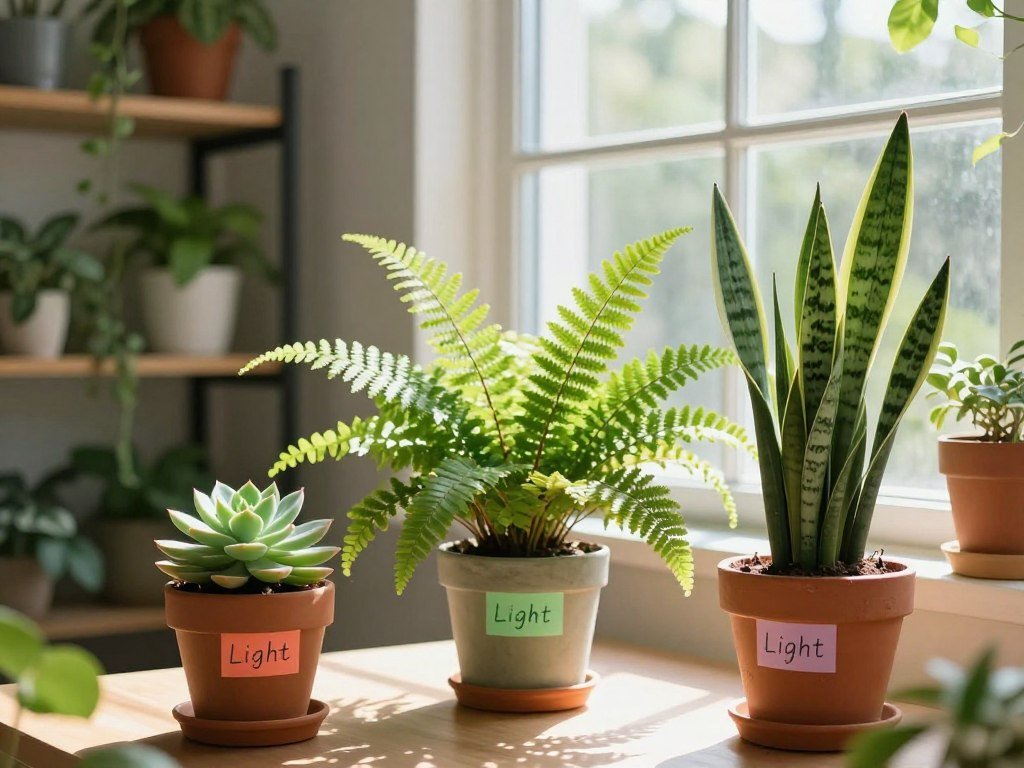
The right amount of light is essential for the health and well-being of your plants. Different plants have varying light requirements, and understanding these needs is crucial for a successful plant care routine. Whether you’re caring for a low-maintenance succulent or a delicate fern, providing the right light conditions can make all the difference.
Natural vs. Artificial Light
When it comes to providing light for your plants, you have two main options: natural light and artificial light. Natural light is ideal for most plants, as it provides a full spectrum of light that promotes healthy growth. However, not all homes receive sufficient natural light, especially during the winter months or in rooms with limited window space.
Artificial light can be a great supplement or alternative to natural light. There are various types of grow lights available, including LED, fluorescent, and incandescent lights. When choosing an artificial light source, consider the specific needs of your plants and the spectrum of light they require.
Understanding Plant Light Preferences
Different plants have different light preferences, ranging from full sun to partial shade or indirect light. Understanding these preferences is key to providing the right conditions for your plants to thrive. For example, plants like succulents and cacti typically require full sun, while ferns and peace lilies prefer shadier conditions.
- Plants that require full sun need direct sunlight for at least 4-6 hours a day.
- Plants that prefer partial shade need 2-4 hours of direct sunlight or bright, indirect light.
- Plants that thrive in low light conditions can survive with minimal direct sunlight.
Signs of Insufficient Light
If your plants are not receiving enough light, they may exhibit certain signs. These can include weak or spindly growth, yellowing leaves, or a failure to produce flowers or fruit. On the other hand, too much light can also be harmful, causing scorched leaves or discoloration.
By paying attention to these signs and adjusting your plant’s light exposure accordingly, you can help ensure they receive the right amount of light for optimal health. This is an important part of a comprehensive houseplant care routine.
Some common signs of insufficient light include:
- Leggy or stretched-out stems
- Pale or yellow leaves
- Reduced flowering or fruiting
By recognizing these signs and taking action, you can help your plants thrive and enjoy a successfulplant care routine.
Watering: How and When to Water Your Plants
Effective plant care begins with mastering the art of watering. Watering is a critical aspect of plant care that can be tricky to get right, as it depends on several factors including the type of plant, soil quality, and environmental conditions.
“The key to successful watering is understanding the needs of your plants,” says a renowned horticulturist. This involves being aware of the factors that influence water needs.
Factors Influencing Water Needs
Different plants have different watering needs. For instance, succulents require less water compared to ferns. The soil type also plays a significant role; sandy soils drain quickly and may need more frequent watering, whereas clay soils retain water longer.
Key factors influencing water needs include:
- Plant type and species
- Soil composition and quality
- Climate and environmental conditions
- Pot size and drainage
Tools for Measuring Soil Moisture
To determine if your plants need water, you can use various tools to measure soil moisture. One simple method is to stick your finger into the soil up to the first knuckle; if the soil feels dry, it’s time to water.
Some popular tools for measuring soil moisture include:
- Soil moisture meters
- Hygrometers
- Simple finger test
Common Watering Mistakes
Overwatering is a common mistake that can lead to root rot and other diseases. On the other hand, underwatering can cause stress to the plant, leading to wilted leaves and stunted growth.
Common watering mistakes to avoid:
- Overwatering: Check soil moisture before watering.
- Underwatering: Ensure plants receive enough water, especially during hot weather.
- Watering at the wrong time: Water plants in the morning to reduce evaporation.
By understanding the factors that influence water needs, using the right tools to measure soil moisture, and avoiding common watering mistakes, you can ensure your plants receive the right amount of water to thrive.
Fertilizing Your Plants Effectively
Effective fertilization is key to promoting healthy plant growth and maximizing their potential. Fertilizers provide essential nutrients that plants need to grow, thrive, and resist diseases. Understanding the different types of fertilizers and how to use them is crucial for any plant care routine.
Types of Fertilizers: Organic vs. Synthetic
Fertilizers come in two main categories: organic and synthetic. Organic fertilizers are derived from natural sources such as animal waste, fish bones, and vegetable waste. They are rich in micronutrients and improve soil structure. On the other hand, synthetic fertilizers are manufactured chemically and provide a quick release of nutrients.
Choosing between organic and synthetic fertilizers depends on your plant’s specific needs and your personal preference regarding environmental impact.
| Fertilizer Type | Characteristics | Examples |
|---|---|---|
| Organic | Natural, slow release, improves soil health | Compost, manure, fish emulsion |
| Synthetic | Chemically manufactured, quick release | Ammonium nitrate, urea, diammonium phosphate |
When and How to Fertilize
The timing and method of fertilization are critical for its effectiveness. Most plants benefit from fertilization during their active growing season. It’s essential to follow the instructions on the fertilizer package to avoid over-fertilizing, which can harm plants.
Key considerations include the type of plant, its growth stage, and the soil condition. For instance, seedlings may require less fertilizer than mature plants.
Signs of Nutrient Deficiency
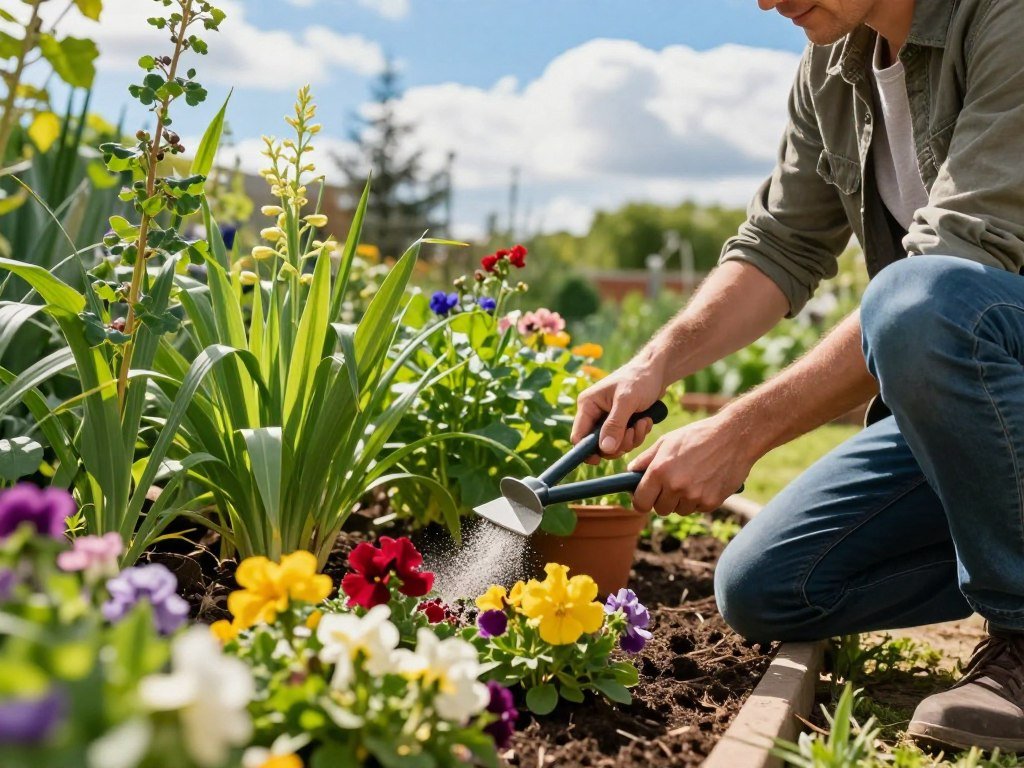
Recognizing the signs of nutrient deficiency is vital for taking corrective action. Common signs include yellowing leaves, stunted growth, and poor flowering.
- Yellowing leaves may indicate a lack of nitrogen.
- Stunted growth could be due to insufficient phosphorus.
- Poor flowering might result from a potassium deficiency.
By understanding the nutritional needs of your plants and using fertilizers appropriately, you can significantly enhance their health and productivity.
Pruning and Trimming for Healthy Growth
For indoor plants care, pruning is a vital component that encourages healthy growth and prevents disease. Pruning involves removing dead or dying leaves and stems, which not only improves the appearance of your plants but also prevents the spread of disease.
Benefits of Pruning
Regular pruning has several benefits, including promoting new growth, improving air circulation, and enhancing the overall appearance of your plants. As noted by horticulture experts, “Pruning is not just about cutting back plants; it’s about guiding their growth and ensuring their health.”
“Pruning, when done correctly, can significantly enhance the vitality and longevity of your plants.”
Some key benefits of pruning include:
- Increased plant density and fuller growth
- Improved air circulation, reducing the risk of fungal diseases
- Enhanced plant appearance through shaping and removal of dead material
Tools for Pruning
Having the right tools is essential for effective pruning. Common tools include:
| Tool | Use |
|---|---|
| Pruning Shears | Ideal for cutting small stems and branches |
| Loppers | Used for thicker branches that shears can’t handle |
| Pruning Saws | Necessary for cutting through larger branches |
When to Prune Different Plant Types
Different plants have different pruning requirements. Understanding when and how to prune your specific plant type is crucial for its health. For example, flowering plants are typically pruned after they finish blooming, while evergreen plants can be pruned in early spring or fall.
By incorporating pruning into your plant care routine, you can significantly improve the health and appearance of your plants. Whether you’re a seasoned gardener or just starting out, mastering the art of pruning is a valuable plant care hack that will benefit your indoor plants for years to come.
Pest Control: Keeping Your Plants Safe
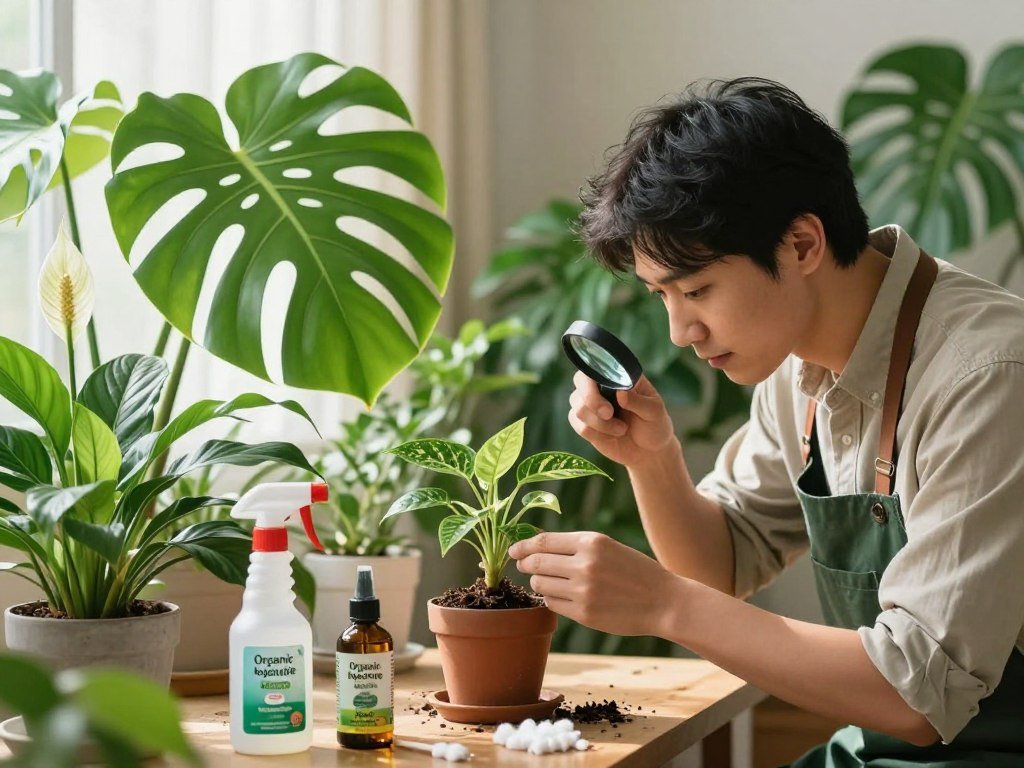
Protecting your plants from pests is a crucial aspect of houseplant care that requires attention to detail and a proactive approach. Pests can cause significant damage, leading to unhealthy plants and, in severe cases, plant death. Regular inspection is key to detecting infestations early, allowing for timely intervention.
Common Pests and Identification
Understanding the types of pests that can affect your plants is the first step in effective pest control. Common pests include aphids, spider mites, mealybugs, and scale. Each of these pests has distinct characteristics and requires specific control methods.
- Aphids are small, soft-bodied insects that feed on plant sap.
- Spider mites are tiny, spider-like insects that cause yellowing or bronzing of leaves.
- Mealybugs appear as white, cottony masses on stems and leaves.
- Scale insects are armored or soft-bodied and feed on plant sap.
Organic Pest Control Methods
Using organic pest control methods is a safe and effective way to manage pest infestations without harming your plants or the environment. Some effective methods include:
- Inspecting plants regularly to catch infestations early.
- Using neem oil or insecticidal soap to control a wide range of pests.
- Introducing beneficial insects, such as ladybugs or lacewings, which prey on common pests.
- Maintaining good hygiene practices, such as removing infested plants or debris.
These methods can be highly effective when used correctly and in combination. For example, neem oil can be used to control aphids and spider mites, while beneficial insects can help control mealybug and scale populations.
When to Seek Professional Help
While many pest infestations can be managed with organic methods, there are times when professional help is necessary. If the infestation is severe or widespread, or if you’re unsure of the best course of action, consider consulting with a gardening expert or pest control professional. They can provide guidance on the most effective treatments and help prevent future infestations.
By being proactive and knowledgeable about pest control, you can keep your plants healthy and thriving. Regular monitoring and timely intervention are crucial components of a comprehensive plant care guide.
Repotting: When and How to Repot
One of the most important aspects of plant care routine is knowing when and how to repot your plants. Repotting is essential for providing your plants with the necessary room for growth and fresh nutrients. As plants grow, their roots can become crowded, and the soil can become depleted of nutrients.
Signs That Your Plant Needs Repotting
Several signs indicate that your plant is ready for repotting. These include:
- Roots growing out of the drainage holes
- Slow growth despite proper care
- The plant becoming top-heavy and prone to tipping over
- Soil drying out too quickly after watering
As noted by gardening experts, “Repotting should be done when the plant has outgrown its container, typically when the roots have filled the pot.”
“The best time to repot is usually in the spring when the plant is actively growing.”
Steps to Successfully Repot a Plant
To repot your plant successfully, follow these steps:
- Choose a pot that is only slightly larger than the previous one to prevent the soil from becoming too wet.
- Prepare the new pot with fresh, well-draining soil.
- Gently remove the plant from its pot, taking care not to damage the roots.
- Inspect the roots and trim any that are circling or damaged.
- Place the plant in the new pot and fill with soil, gently firming it around the roots.
By following these steps and being mindful of the signs that indicate the need for repotting, you can ensure your plants continue to thrive as part of your indoor plants care routine. Effective repotting is a valuable plant care hack that can make a significant difference in the health and growth of your plants.
Seasonal Plant Care Tips
Seasonal changes bring different challenges and opportunities for plant care, making it essential to adapt your strategies. As the seasons shift, so do the needs of your plants, from the intense heat of summer to the cold of winter, and the mild temperatures of spring and fall.
Preparing Your Plants for Summer
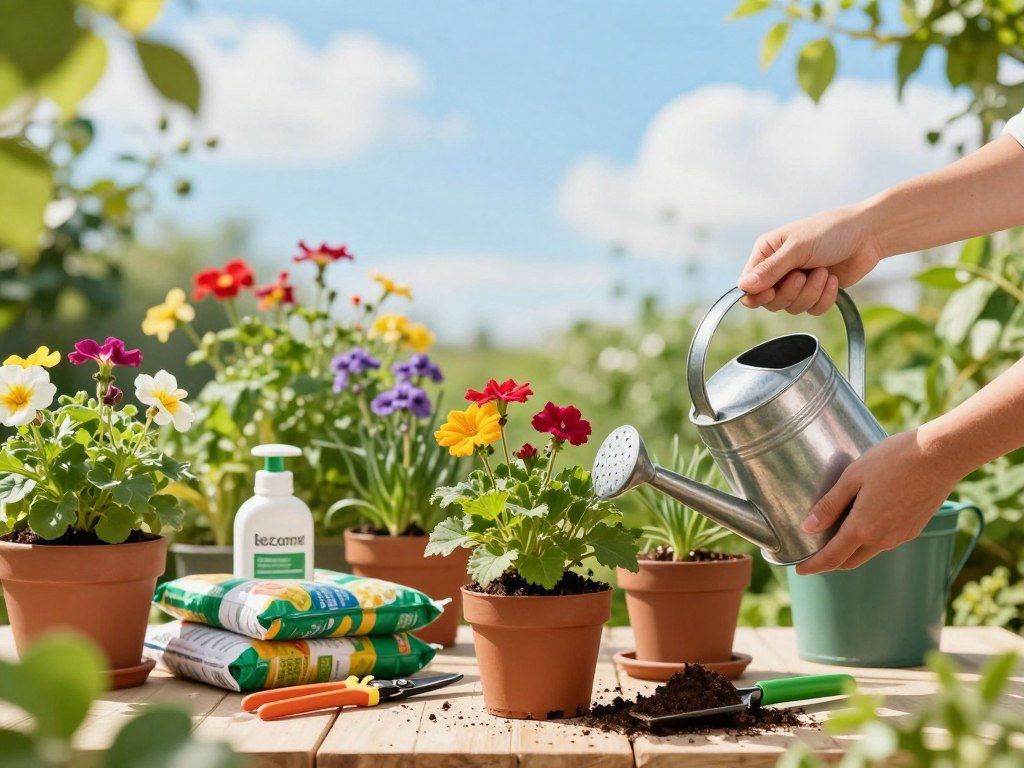
Summer can be a challenging time for plants due to the high temperatures and potential drought. To keep your plants healthy, ensure they are well-watered, but avoid overwatering, which can lead to root rot. Using a moisture meter can help determine the right time to water. Additionally, consider moving plants to a spot with partial shade during the hottest part of the day to prevent scorching.
Winter Care Techniques
Winter care involves protecting your plants from cold temperatures and dry air. For plants that are sensitive to frost, bring them indoors or cover them with a frost blanket. Reduce watering since plants grow more slowly in colder temperatures. Maintaining humidity around your plants can also help combat the dry air that often accompanies indoor heating during winter.
Adapting Plant Care for Spring and Fall
Spring and fall are transitional seasons that require adjustments in plant care. In the spring, prune dead or damaged branches to encourage new growth. As the weather warms up, resume regular fertilization. In the fall, prepare your plants for the coming winter by gradually reducing fertilization and pruning back perennials.
By adapting your plant care routine to the changing seasons, you can ensure your plants remain healthy and thrive throughout the year.
Troubleshooting Common Plant Issues
Even with proper plant watering tips, plants can still encounter problems that need to be addressed. Understanding how to identify and solve these issues is crucial for maintaining healthy and thriving indoor plants.
Yellowing Leaves: Causes and Solutions
Yellowing leaves can be a sign of several issues, including overwatering, underwatering, or nutrient deficiencies. To address this, first, check your indoor plants care routine.
- Overwatering: If the soil is consistently waterlogged, it may be causing the roots to rot.
- Underwatering: On the other hand, if the soil is too dry for an extended period, the leaves may also turn yellow.
- Nutrient Deficiency: Lack of essential nutrients like nitrogen, iron, or magnesium can cause yellowing.
Adjusting your watering schedule and ensuring your plants receive a balanced diet can often resolve the issue.
Wilting Plants: What to Do
Wilting is another common issue that can be caused by a variety of factors, including underwatering, overwatering, or exposure to extreme temperatures. Checking the soil moisture and adjusting your plant care hacks can help.
If the soil feels dry, it might be time to water. However, if the soil is moist, it could be a sign of root rot or another issue.
Dealing with Root Rot
Root rot is a serious condition that can be fatal to plants. It’s often caused by overwatering, which leads to the roots decaying. To deal with root rot, you need to act quickly.
- Remove the plant from its pot and inspect the roots.
- Trim away any rotting roots with sterile scissors.
- Repot the plant in fresh, well-draining soil.
Here’s a summary of common issues and their solutions in a tabular format:
| Issue | Cause | Solution |
|---|---|---|
| Yellowing Leaves | Overwatering, underwatering, nutrient deficiency | Adjust watering, fertilize |
| Wilting | Underwatering, overwatering, extreme temperatures | Check soil moisture, adjust environment |
| Root Rot | Overwatering | Repot with fresh soil, trim rotting roots |
Resources for Continued Learning in Plant Care
Continuing to learn and adapt is crucial for maintaining a thriving plant care routine. As you’ve learned throughout this article, understanding the basics of plant care is just the beginning. To further enhance your houseplant care skills, there are numerous resources available.
Recommended Reading Materials
For those new to plant care for beginners, books and guides can provide in-depth knowledge. Titles such as “The New Seed Starter’s Handbook” by Nancy Bubel and “The Houseplant Bible” by Annette Higa offer comprehensive advice on various aspects of plant care.
Online Forums and Communities
Joining online communities, such as the Houseplant Care subreddit or GardenWeb forums, can connect you with experienced gardeners and provide a platform to ask questions and share experiences.
Local Workshops and Classes
Local nurseries, botanical gardens, and community centers often host workshops and classes on plant care. These hands-on sessions can be a great way to gain practical experience and learn from experts in the field.
FAQ
What is the best advice regarding plant care for beginners just starting their indoor jungle?
Do you have any essential plant watering tips to prevent common mistakes?
How can I tell if my indoor plants care needs more light?
What should I include in a regular plant care routine to keep my greenery thriving?
Are there any specific plant care hacks for dealing with pesky houseplant pests?
How often should I consult a plant care guide for fertilizing my houseplant care collection?
When is the right time to follow a plant care guide for repotting?
How do I adjust my plant care for the changing seasons?
What are the best resources for continued learning in plant care?
🌐 Explore the Smart Digital Network
A connected ecosystem of innovative platforms — empowering your journey through Smart Living, AI Automation, Wellness, Reviews, and Digital Learning. Discover more from our network below 👇




Part of the Smart Digital Network © 2025 — Explore, Learn & Grow Smarter 💡

Prabir Dutta
Prabir Dutta is a passionate digital creator, affiliate marketer, and wellness enthusiast who simplifies complex topics like AI tools, Vastu, pet care, and modern living. With a keen eye for SEO, tech trends, and everyday health solutions, he writes to empower readers with actionable, smart-living insights. When not curating content across his network of niche blogs, Prabir enjoys exploring new digital tools that make life easier and more efficient.



 SuperFreeTools

 SmartAIEarn

 SmartWellnessBeauty


 TrendsOfReview