

Did you know that the average American parent spends nearly 40% of their day just managing household tasks? Creating structure in a busy home isn’t about eliminating every mess. It is about managing chaos effectively through simple daily systems.
A structured environment helps children feel safe while giving adults much-needed breathing room. The importance of family routines cannot be overstated when trying to find balance. These habits help in reducing stress and increasing daily efficiency.
They transform a hectic house into a place of both productivity and peace. Success comes from establishing family routines that focus on delegation and simplification. By planning ahead, you can turn a frantic morning into a smooth start for your loved ones.
Organized systems ensure that your household stays functional even when life gets busy. A well-run home relies on consistent habits to provide a sense of security. This organized approach turns a hectic house into a sanctuary where everyone feels supported and valued.
Key Takeaways
- Focus on managing chaos rather than trying to eliminate it.
- Understand that consistent habits help reduce daily household stress.
- Share the workload through effective delegation among all members.
- Improve efficiency by simplifying daily tasks and expectations.
- Use planning strategies to transform hectic mornings into calm starts.
- Prioritize organized systems to foster a peaceful home environment.
Understanding the Importance of Family Routines
The importance of family routines cannot be overstated, as they bring numerous benefits to both children and adults alike. By establishing a structured and predictable environment, family routines help in creating a sense of stability and normalcy.
Benefits of Establishing Routines
Establishing routines has a positive impact on time management and self-monitoring. It helps family members develop a sense of responsibility and provides children with feelings of safety and security. Moreover, routines have been shown to reduce attention difficulties later in life.
Some of the key benefits of family routines include:
- Improved time management
- Enhanced sense of responsibility
- Increased feelings of safety and security
- Better self-monitoring skills
How Routines Foster Security
Routines foster security by providing a predictable environment. When children know what to expect, they feel more secure and are better able to navigate their daily lives. This predictability helps in reducing anxiety and stress.
A consistent daily routine can be particularly beneficial for young children, helping them understand the world around them and feel more grounded.
The Role of Routines in Child Development
Routines play a significant role in child development. They help children develop important life skills, such as time management and self-discipline. By following a routine, children learn to prioritize tasks and manage their time effectively.
| Benefits of Family Routines | Impact on Children | Impact on Adults |
|---|---|---|
| Improved Time Management | Helps in developing a sense of responsibility | Enhances productivity |
| Increased Sense of Security | Reduces anxiety and stress | Provides a sense of stability |
| Better Self-Monitoring Skills | Improves self-discipline | Helps in managing daily tasks |
Key Elements of Effective Family Routines
Family routines are the backbone of a well-organized home, providing a sense of security and stability. Establishing effective family routines requires careful planning and consideration of several key elements.
Consistency is one of the foundational elements of successful family routines. It involves setting a schedule and sticking to it, even on weekends or during holidays, to maintain a sense of normalcy. Being realistic about what can be achieved is also crucial, as overly ambitious routines can lead to frustration and abandonment.
Consistency and Reliability
Consistency and reliability go hand-in-hand when it comes to family routines. When family members know what to expect, they are more likely to cooperate and participate in the routines. For example, having a consistent bedtime routine helps children understand that it’s time for sleep, making the process smoother.
To achieve consistency, it’s essential to:
- Create a routine chart or calendar that everyone can refer to.
- Communicate the routine clearly to all family members.
- Be patient and allow time for the routine to become a habit.

Flexibility in Routines
While consistency is vital, flexibility is equally important. Life is unpredictable, and routines may need to be adjusted to accommodate changes or unexpected events. Being flexible allows families to adapt their routines without feeling overwhelmed or failing.
For instance, a family might have a routine that works well during the school year, but they may need to adjust it during summer vacations when schedules change. Being open to making these adjustments ensures that the routine remains effective and stress-free.
Communication Among Family Members
Effective communication is the glue that holds family routines together. It’s essential to involve all family members in the planning and adjustment of routines to ensure everyone is on the same page. Regular family meetings can be a great way to discuss the routine, address any issues, and make necessary changes.
By maintaining open lines of communication, families can work together to create routines that are not only effective but also enjoyable for everyone involved. This collaborative approach helps in establishing family routines that are tailored to the family’s unique needs and preferences.
To enhance family organization, consider implementing family organization tips such as using a shared calendar or planner to keep track of everyone’s schedules and commitments. This helps in creating a schedule for families that is comprehensive and realistic.
Morning Routines: Starting the Day Right
Mornings can be chaotic, but with the right routine, families can start their day on a positive note. A structured morning routine sets the tone for the rest of the day, helping to minimize stress and maximize productivity.
Tips for Streamlining Mornings
To create an effective morning routine, consider the following strategies:
- Prepare as much as possible the night before, such as laying out clothes and packing lunches.
- Use a morning checklist to ensure that everyone knows their tasks and responsibilities.
- Create buffer time to account for unexpected delays or spills.
By implementing these family time management strategies, mornings can become less hectic, allowing for a smoother transition into the day.
Importance of Breakfast Together
Having breakfast together as a family provides an opportunity to connect before the day gets busy. It not only fosters a sense of togetherness but also offers a chance to discuss the day’s schedule and any important events.
Research has shown that families who eat breakfast together tend to have better communication and stronger relationships. It’s a simple yet effective way to start the day on a positive note.
Incorporating Chores into Mornings
Involving children in morning chores can help teach them responsibility and contribute to a sense of teamwork within the family. Simple tasks such as making their bed, feeding pets, or helping with simple meal prep can make a significant difference.
By incorporating chores into the morning routine, families can not only get more done but also instill valuable life skills in their children. This practice supports the development of daily routines for families that are both productive and educational.
Evening Routines: Winding Down as a Family
As the day comes to a close, a well-structured evening routine helps families transition into a calm and relaxing night. This routine is essential for creating an environment that promotes rest and togetherness. By implementing a consistent evening routine, families can improve their overall well-being and strengthen their bond.
Creating a Calm Atmosphere
Creating a calm atmosphere in the evening is vital for helping family members unwind. This can be achieved by dimming the lights, reducing noise levels, and minimizing screen time before bed. Dim red lights can be particularly effective in signaling to the body that it’s time to sleep.
Some effective ways to create a calm atmosphere include:
- Using aromatherapy with calming scents like lavender
- Playing soothing music in the background
- Maintaining a comfortable room temperature
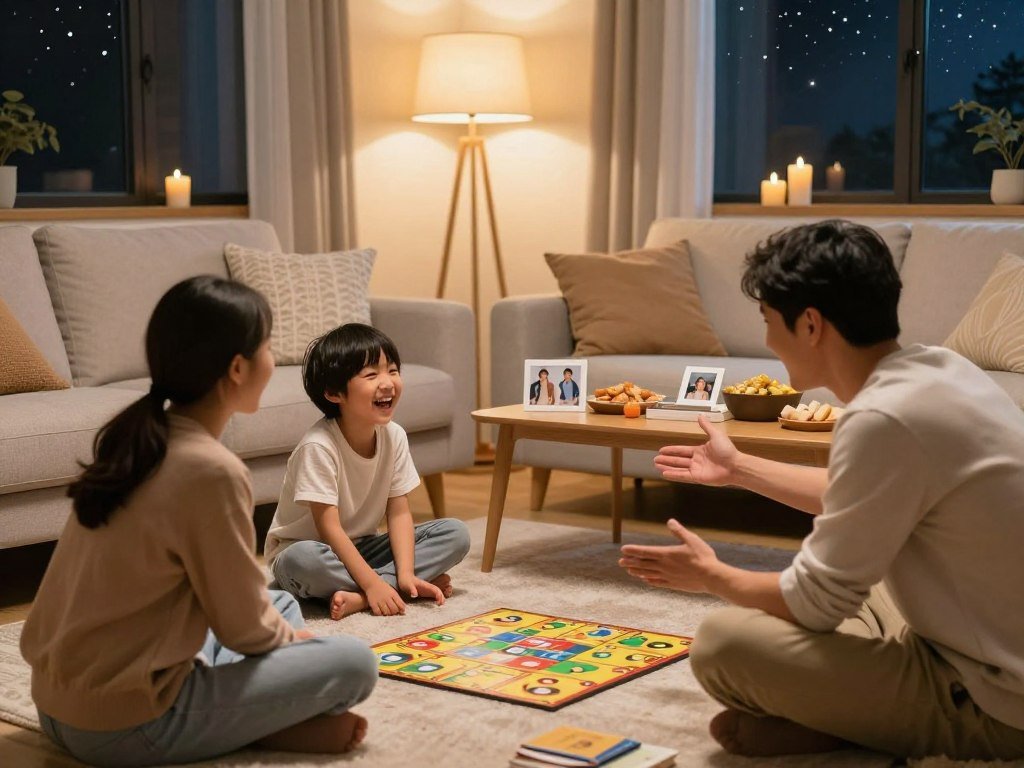
Family Dinner: A Time for Connection
Having dinner together as a family is a significant part of the evening routine. It provides an opportunity for family members to connect, share their experiences, and bond over a meal. Sharing stories and discussing the day’s events can foster a sense of closeness and understanding.
To make the most of family dinner, consider the following tips:
- Turn off the TV and other electronic devices
- Engage in conversations and listen actively to each other
- Make the dining area comfortable and inviting
“The family dinner is a sacred ritual, a time to recharge and reconnect.”
Pre-bedtime Activities for All Ages
Engaging in appropriate pre-bedtime activities can help signal to the body that it’s time to sleep. For younger children, this might involve reading a bedtime story or having a warm bath. For older children and adults, activities like meditation, reading, or listening to calming music can be beneficial.
Some pre-bedtime activities suitable for different age groups include:
| Age Group | Activities |
|---|---|
| Children | Reading, storytelling, warm baths |
| Teenagers | Meditation, light reading, relaxation techniques |
| Adults | Reading, listening to music, journaling |
Weekend Routines: Making the Most of Family Time
Making the most of weekend routines can significantly enhance family time and create lasting memories. Weekends offer a unique opportunity for families to step away from their hectic weekday schedules and focus on spending quality time together.
Weekends are ideal for incorporating a variety of activities that promote bonding and relaxation. By planning engaging activities, families can ensure that their weekends are both enjoyable and memorable.
Activities for Family Bonding
Engaging in activities together is a great way to strengthen family bonds. Some ideas include:
- Outdoor activities such as hiking, biking, or having a picnic
- Indoor games like board games, puzzles, or cooking together
- Creative pursuits such as painting, crafting, or writing
These activities not only provide entertainment but also create opportunities for family members to interact and bond over shared experiences.
Balancing Responsibilities and Leisure
While it’s essential to have fun, weekends are also a good time to tackle chores and responsibilities. Balancing chores and fun activities can help maintain a sense of routine and responsibility among family members.
Assigning chores can be done in a way that is engaging and manageable for all family members. For example, creating a chore chart or making it a game can make the task more enjoyable.
Screen-Free Times
In today’s digital age, establishing screen-free times during weekends can be particularly beneficial. Designating certain hours or days as screen-free can encourage more interaction among family members and promote healthier habits.
Activities such as reading, outdoor play, or family game nights can be great alternatives to screen time, fostering a more connected and engaged family environment.
The Role of Family Meetings in Routines
Regular family meetings play a pivotal role in establishing and adjusting family routines. These meetings provide a platform for open communication, allowing family members to discuss their schedules, challenges, and needs. By holding regular meetings, families can ensure that their routines remain effective and relevant.
Effective Strategies for Family Meetings
To hold effective family meetings, it’s essential to establish a regular schedule that works for everyone. This could be weekly, biweekly, or monthly, depending on the family’s needs. During these meetings, families should review their current routines, discuss any challenges they’re facing, and make adjustments as necessary.
Some key strategies for effective family meetings include:
- Creating an agenda to keep the discussion focused
- Encouraging all family members to participate
- Setting clear goals and objectives for the routines
- Reviewing progress and making adjustments
Encouraging Participation from All Family Members
Encouraging participation from all family members is crucial for the success of family meetings. This can be achieved by creating a safe and supportive environment where everyone feels comfortable sharing their thoughts and ideas. It’s also important to actively listen to each family member and consider their input when making decisions.
Some ways to encourage participation include:
- Asking open-ended questions to stimulate discussion
- Using a round-robin approach to ensure everyone has a chance to speak
- Encouraging younger family members to contribute through drawings or simple suggestions
Reviewing and Adjusting Routines
Family meetings provide an ideal opportunity to review and adjust routines as needed. By regularly assessing their routines, families can identify areas for improvement and make necessary changes. This helps to ensure that their routines remain effective and continue to support their needs.
When reviewing routines, families should consider factors such as:
- What’s working well and what areas need improvement
- Any changes in family schedules or circumstances
- New goals or objectives that may require adjustments to the routines

By incorporating regular family meetings into their routines, families can improve their overall organization, communication, and cohesion. This, in turn, can lead to a more structured, organized, and harmonious home environment.
Incorporating Routines into School Life
Incorporating structured routines into daily school life can significantly enhance a child’s ability to manage time effectively. By establishing consistent routines, families can support their children’s academic success and overall well-being.
Supporting Homework Habits
Establishing a consistent homework routine helps children develop good study habits and time management skills. It’s essential to designate a quiet, distraction-free area for homework and to establish a regular time each day for this activity.
Tips for Effective Homework Routines:
- Set a specific time and place for homework.
- Minimize distractions during homework time.
- Encourage children to break larger tasks into smaller, manageable chunks.
Developing After-school Routines
After-school routines are crucial for maintaining a sense of structure and normalcy. These routines can include activities such as outdoor play, reading, or relaxing.
Benefits of After-school Routines:
| Activity | Benefits |
|---|---|
| Outdoor Play | Promotes physical health and reduces stress. |
| Reading | Enhances literacy skills and fosters a love for learning. |
| Relaxation Techniques | Helps in managing stress and improving focus. |
Organizing Family Calendar and Events
Keeping track of school events, appointments, and deadlines is vital for effective family time management. Using a shared family calendar can help ensure everyone is on the same page.
By incorporating these routines into school life, families can create a more organized and less stressful environment that supports academic success and overall well-being.
Seasonal Routines: Adapting to Changes
Seasonal changes offer a perfect opportunity for families to reassess and adjust their routines, making their home life more structured and enjoyable. By adapting to the seasons, families can create a more organized and harmonious living environment.
Celebrating Holidays Together
Holidays are a significant part of family life, offering a chance to create lasting memories. Families can establish traditions around holidays like Christmas, Halloween, or Thanksgiving, making these events special and something to look forward to. As family routines expert suggests, “Involving children in holiday preparations can enhance their sense of belonging and excitement.”
For instance, decorating the house together, cooking traditional meals, or participating in cultural events can become cherished family activities. These shared experiences not only strengthen family bonds but also provide a sense of continuity and tradition.
Implementing Seasonal Chores
Different seasons bring different tasks. For example, spring is ideal for gardening and cleaning out closets, while autumn is a good time for raking leaves and preparing the home for winter. Assigning these tasks as part of the family organization tips can help distribute the workload and teach children responsibility.
Creating a seasonal chore chart can be an effective way to manage these tasks. It ensures that everyone knows their responsibilities and can contribute to the household. This not only helps in maintaining a clean and organized home but also instills a sense of duty and teamwork among family members.
Special Family Activities for Each Season
Each season offers unique opportunities for family activities. Summer is perfect for outdoor adventures like camping or visiting the beach. Autumn can be a time for apple picking or hiking to see the fall foliage. Winter offers opportunities for skiing, ice skating, or cozy movie nights. Spring is ideal for gardening together or going on nature walks.
As one family expert puts it,
“The key to a happy family life is not just about being together, but about creating meaningful experiences together.”
By incorporating seasonal activities into their routines, families can create a rich tapestry of memories and strengthen their bonds.

By embracing the changes that come with each season, families can keep their routines fresh and engaging. This adaptability is a key benefit of family routines, allowing families to stay connected and make the most of their time together.
Overcoming Challenges in Establishing Routines
The journey to establishing effective family routines is often marked by several obstacles. Establishing family routines is crucial for a structured and organized home, but it can be challenging, especially when faced with resistance from children or disruptions.
Handling Resistance from Children
Children often resist new routines because they prefer flexibility and freedom. To handle this resistance, it’s essential to involve them in the process of creating routines. Explaining the benefits and listening to their concerns can make them more cooperative.
For example, if you’re establishing a morning routine, let the children help decide the order of activities. This can make them feel more in control and invested in following the routine.
Dealing with Disruptions
Disruptions are inevitable, whether due to unexpected events or changes in schedules. Being flexible and adaptable is key to managing these disruptions without derailing the entire routine.
Here are some strategies for dealing with disruptions:
- Identify the cause of the disruption and adjust the routine accordingly.
- Communicate changes to all family members to ensure everyone is on the same page.
- Have a backup plan for common disruptions, such as bad weather or power outages.
Adjusting Routines During Transitions
Significant life changes, such as moving to a new home or a family member starting a new job, can necessitate adjustments to family routines. It’s crucial to review and adjust routines during these transitions to ensure they remain effective and relevant.
| Transition | Potential Impact on Routines | Adjustment Strategies |
|---|---|---|
| Moving to a new home | Changes in commute time, new environment | Update schedules, explore new family activities |
| New job or school schedule | Changes in daily schedule, potential for increased stress | Adjust morning and evening routines, prioritize tasks |
| Addition of a new family member | Changes in family dynamics, increased responsibilities | Reallocate chores, adjust family activities to include the new member |
By being patient, flexible, and communicative, families can overcome the challenges associated with establishing routines. It’s a process that requires effort and time, but the benefits to family harmony and organization are well worth it.
Tools for Supporting Family Routines
To maintain a structured and organized home, families can utilize various tools and resources. Effective family routines are the backbone of a harmonious household, and leveraging the right tools can make a significant difference.
Apps That Help Keep Families Organized
In today’s digital age, numerous apps are designed to help families stay organized. Apps like Cozi and OurHome allow families to manage their schedules, chores, and shopping lists in one place. These apps facilitate communication among family members, ensuring everyone is on the same page.
For instance, Cozi offers a family calendar that can be shared among all members, making it easier to keep track of appointments and events. OurHome, on the other hand, allows parents to assign chores to children and track their completion, promoting a sense of responsibility.
Using Calendars and Planners Effectively
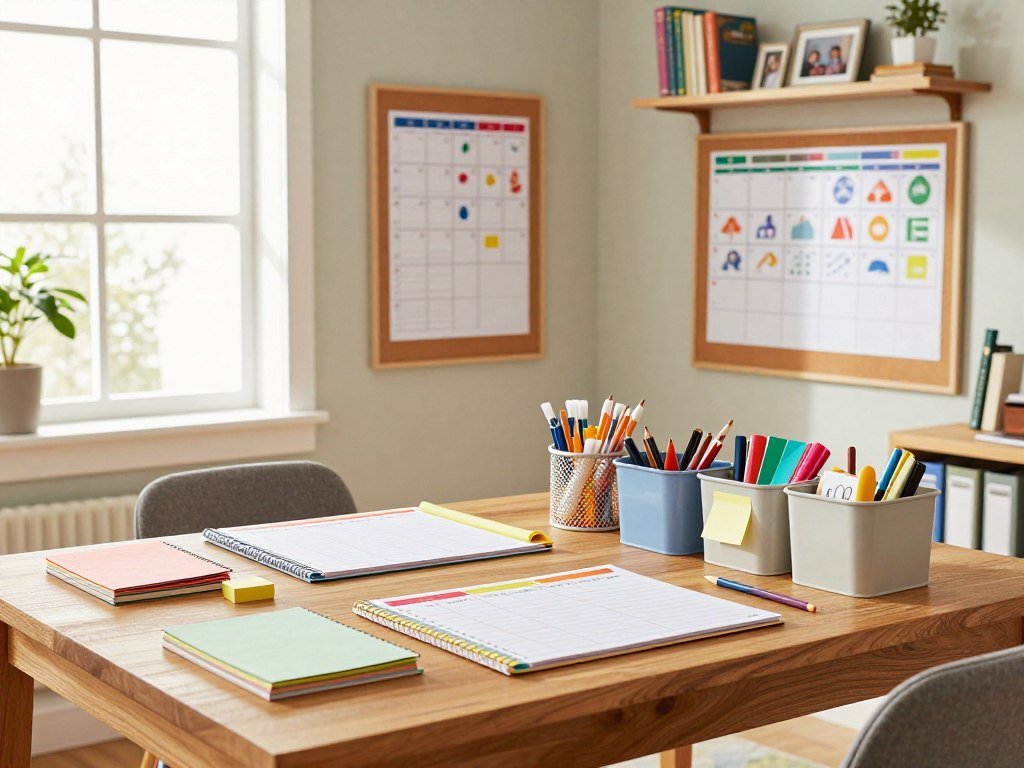
Traditional calendars and planners remain effective tools for family organization. A shared family calendar can be hung in a common area, such as the kitchen, to keep everyone informed about upcoming events and important dates.
Using a planner can also help family members stay organized individually. For example, children can use a planner to keep track of their homework and assignments, while parents can use it to manage their work schedules and family commitments.
Visual Schedules for Kids
Visual schedules are particularly beneficial for children, as they provide a clear and understandable representation of the daily routine. By using pictures or icons alongside tasks, children can better comprehend and follow the schedule.
Creating a visual schedule can be as simple as making a chart with pictures representing different activities, such as breakfast, homework, and bedtime. This visual aid helps children transition between tasks more smoothly.
Strengthening Bonds Through Shared Activities
Family routines that include shared activities can significantly strengthen family bonds. Engaging in activities together, such as having dinner as a family or participating in a weekend hobby, fosters a sense of unity and cooperation.
By incorporating shared activities into their routines, families can create lasting memories and improve their overall relationship. It’s essential to choose activities that everyone enjoys and that fit within the family’s schedule.
Routines and Communication Skills
Establishing routines also plays a crucial role in developing communication skills among family members. Regular family meetings and shared activities encourage open dialogue and help family members understand each other’s needs and feelings.
Effective communication is key to maintaining healthy family relationships. By incorporating regular check-ins and discussions into their routines, families can address issues promptly and work together to find solutions.
Building Trust with Consistency
Consistency is vital in building trust within a family. When family members adhere to established routines, it creates a sense of reliability and predictability, which is especially important for children.
By maintaining consistent routines, parents can demonstrate their commitment to their children’s well-being and security, thereby fostering a trusting relationship. Consistency also helps in setting clear expectations and boundaries, which is essential for children’s development.
Tips for Maintaining Family Routines
Maintaining family routines requires ongoing effort and commitment. To keep your routines on track, it’s essential to regularly assess their effectiveness and make adjustments as needed.
Regular Check-ins and Adjustments
Schedule regular family meetings to discuss what’s working and what areas need improvement. This helps in making necessary adjustments to your family routines, ensuring they remain relevant and effective.
Celebrating Routine Successes
Acknowledge and celebrate the successes that your family routines bring. This positive reinforcement encourages continued adherence to the routines and fosters a sense of accomplishment.
Staying Positive and Flexible
Stay positive by focusing on the benefits of your family routines, such as increased organization and quality time together. Remain flexible to accommodate changes and unexpected events, ensuring your routines continue to support your family’s needs.
By following these family organization tips and staying committed to establishing family routines, you can create a more structured and organized home environment that benefits everyone.
FAQ
What are the primary benefits of family routines for a busy household?
How can we balance consistency with the need for flexibility when setting up a routine for the family?
What are some effective family time management strategies for streamlining morning chaos?
How do family meetings help in maintaining and adjusting daily routines for families?
What tools are recommended for creating a schedule for families that everyone can follow?
How can we handle resistance from children when establishing family routines?
Why is the family dinner considered a vital part of an evening routine?
How should family routines change during seasonal transitions or holidays?
🌐 Explore the Smart Digital Network
A connected ecosystem of innovative platforms — empowering your journey through Smart Living, AI Automation, Wellness, Reviews, and Digital Learning. Discover more from our network below 👇




Part of the Smart Digital Network © 2025 — Explore, Learn & Grow Smarter 💡

Prabir Dutta
Prabir Dutta is a passionate digital creator, affiliate marketer, and wellness enthusiast who simplifies complex topics like AI tools, Vastu, pet care, and modern living. With a keen eye for SEO, tech trends, and everyday health solutions, he writes to empower readers with actionable, smart-living insights. When not curating content across his network of niche blogs, Prabir enjoys exploring new digital tools that make life easier and more efficient.