

Did you know that about 35% of American adults fail to get the recommended seven hours of shut-eye each night? This startling figure highlights a major health crisis affecting millions of people. Many people struggle to unwind after a stressful day at work.
However, establishing a nighttime routine can significantly bridge the gap between a hectic day and deep rest. It provides a structured way to signal your brain that the day is over. This transition is vital for your mental clarity.
Having consistent Evening Routines allows your heart rate to slow down naturally. This simple habit helps in preparing your body for restful sleep and boosts your daily productivity. You deserve to wake up feeling refreshed every single morning.
By focusing on your peace before bed, you can transform your overall well-being. Small changes tonight can lead to a much better tomorrow for your physical health. Let’s explore how you can master your rest.
Key Takeaways
- Consistent sleep habits significantly improve rest quality.
- Winding down reduces daily stress and anxiety levels.
- Better sleep leads to higher morning productivity and focus.
- Healthy habits support long-term physical heart health.
- Mental clarity increases with a proper rest schedule.
- Preparing the body helps you fall asleep much faster.
The Importance of an Evening Routine
The way you spend your evening can greatly impact your mental and physical health. A well-structured evening routine is more than just a series of activities before bed; it’s a crucial element in maintaining a healthy lifestyle.
An evening routine serves as a signal to your brain that it’s time to transition into sleep mode, thereby improving the quality of your rest. Activities such as meditation, journaling, and reading can help reduce stress and anxiety, preparing your body for a restful night’s sleep.
Benefits for Mental Health
A consistent bedtime routine can have a positive impact on mental health by reducing stress and anxiety. Engaging in relaxing activities before bed can calm the mind and promote a sense of well-being.
“A bedtime routine can be a powerful tool for improving mental health by providing a calming and predictable end to the day.”
Improved Sleep Quality
A bedtime routine can significantly enhance sleep quality by signaling to the brain that it’s time to sleep. This can lead to deeper, more restorative sleep, and improved overall health.
| Activity | Impact on Sleep |
|---|---|
| Meditation | Reduces stress, promotes relaxation |
| Journaling | Helps process thoughts, clears mind |
| Reading | Distracts from daily worries, induces calm |
Enhanced Productivity
By improving sleep quality and reducing stress, an evening routine can also enhance productivity. Waking up feeling rested and refreshed can make a significant difference in tackling daily tasks and responsibilities.
Establishing a consistent bedtime routine is a simple yet effective way to improve overall well-being. By incorporating relaxing activities and minimizing screen time before bed, individuals can significantly enhance their mental health, sleep quality, and productivity.
Key Elements of an Effective Evening Routine
Crafting an effective evening routine involves several vital components that promote relaxation and readiness for the next day. A well-designed evening routine can make a significant difference in how you feel and perform.
Planning Your Next Day
One crucial element is planning your next day. By doing so, you can clear your mind of pending tasks and reduce stress. This can be as simple as laying out your clothes, preparing your breakfast, or jotting down your top priorities in a planner.
Effective planning not only helps in being more productive but also contributes to a smoother morning routine, setting a positive tone for the day ahead.
Wind-Down Activities
Engaging in wind-down activities is another essential component. Activities such as reading a book, gentle stretching, or practicing relaxation techniques can significantly help in unwinding.
These activities signal your body that it’s time to transition from the stresses of the day to a more relaxed state, preparing you for a restful night’s sleep.
Nutrition Considerations
Nutrition plays a vital role in your evening routine. Consuming a balanced diet and being mindful of meal timing can impact your sleep quality.
Avoiding heavy meals close to bedtime and opting for a light snack if needed can help. Additionally, being aware of the intake of stimulants like caffeine and nicotine is crucial as they can interfere with your ability to fall asleep.
By incorporating these elements into your evening routine, you can enhance your evening self-care and improve the overall quality of your rest.
Setting a Consistent Sleep Schedule
One of the most effective ways to improve sleep quality is by setting a consistent sleep schedule. This involves going to bed and waking up at the same time every day, including weekends. Consistency helps regulate the body’s internal clock, making it easier to fall asleep and stay asleep.
Benefits of Consistency
A consistent sleep schedule has numerous benefits, including improved mental health and enhanced physical well-being. It helps in regulating the body’s physiological processes, such as hormone secretion and metabolism, which are crucial for overall health.
- Regulates the body’s internal clock
- Improves the quality of sleep
- Enhances mental clarity and focus
Creating a Sleep-Inducing Environment
Creating an environment conducive to sleep is equally important as maintaining a consistent sleep schedule. This involves making the bedroom a sleep haven by ensuring it is cool, dark, and quiet. Consider using blackout curtains, earplugs, or a white noise machine if necessary.
As noted by sleep experts, “A dark, quiet bedroom is essential for quality sleep.” Maintaining such an environment can significantly improve sleep quality.
Tech-Free Time Before Bed
As the day comes to a close, avoiding screens can be a game-changer for your evening wind-down. In an era dominated by smartphones, tablets, and laptops, it’s easy to get caught up in the habit of scrolling through devices until we fall asleep.
The emission of blue light from these devices can interfere with our body’s production of melatonin, the hormone responsible for regulating our sleep-wake cycles. By incorporating a tech-free period into your evening routine, you can significantly improve the quality of your sleep.

Reducing Screen Time
Reducing screen time before bed requires discipline, but the benefits are well worth the effort. One effective strategy is to set a specific “no screen” time each evening, allowing your body to start producing melatonin naturally.
Here are some tips to help you reduce screen time:
- Set a specific “no screen” time each evening
- Use apps or features that filter out blue light on your devices
- Replace screen time with relaxing activities
| Screen Time Habit | Alternative Habit | Benefits |
|---|---|---|
| Watching TV before bed | Reading a book | Improved sleep quality, relaxation |
| Scrolling through phone | Journaling or meditating | Reduced stress, better sleep |
| Playing video games | Listening to calming music | Relaxation, improved sleep hygiene |
Engaging in Offline Activities
Engaging in offline activities is a great way to wind down in the evening. Activities such as reading, journaling, or practicing gentle stretches can help signal to your body that it’s time to sleep.
By incorporating these activities into your evening routine, you can create a peaceful and relaxing environment that fosters a restful night’s sleep.
Relaxation Techniques for the Evening
As the day comes to a close, incorporating relaxation techniques into your evening routine can significantly enhance your overall well-being. Practicing evening mindfulness can help calm the mind and prepare the body for a restful night’s sleep.
Relaxation techniques are varied and can be tailored to suit individual preferences. The key is to find what works best for you and make it a consistent part of your evening routine.
Deep Breathing Exercises
Deep breathing exercises are a simple yet effective way to relax. By focusing on slow, deliberate breaths, you can calm your nervous system and reduce stress.
To practice deep breathing, find a comfortable seated or lying position, close your eyes, and focus on taking slow breaths in through your nose and out through your mouth.
Gentle Stretching
Gentle stretching can help release physical tension and promote relaxation. It’s essential to focus on gentle movements that don’t strain or cause discomfort.
Some beneficial stretches include neck rolls, shoulder shrugs, and gentle twists. These movements can help ease tension and prepare your body for rest.
Meditation Practices
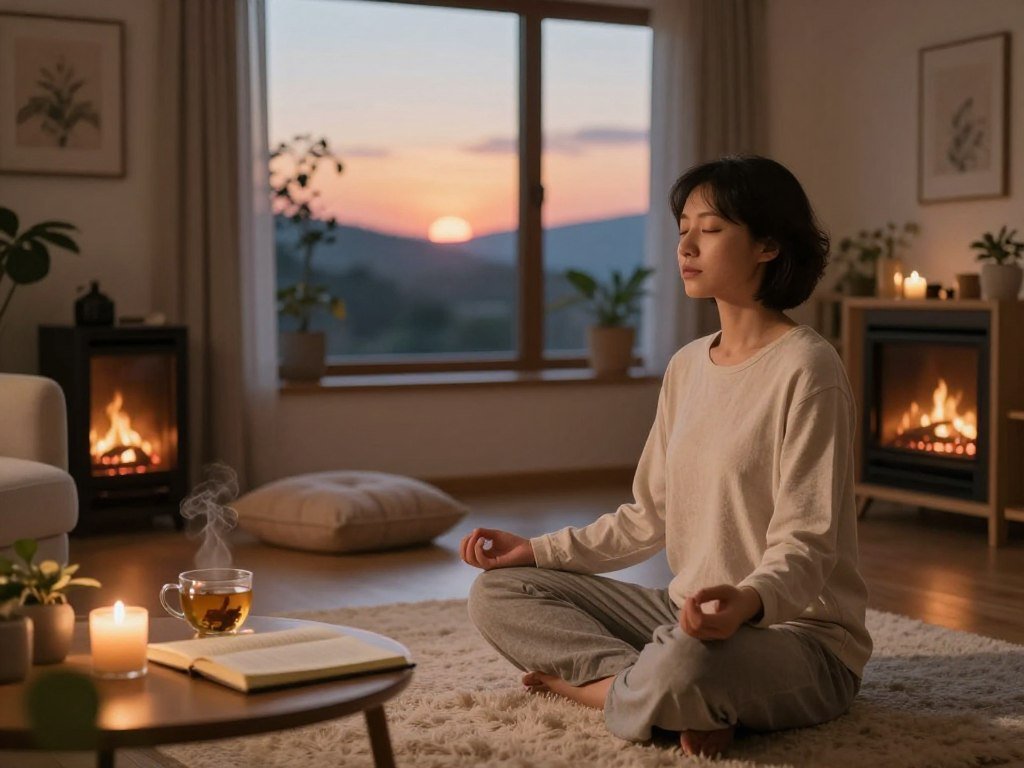
Meditation is a powerful tool for cultivating evening mindfulness. By dedicating a few minutes each evening to meditation, you can calm your mind and reduce stress.
To start a meditation practice, find a quiet space, sit comfortably, and focus on your breath or a mantra. Begin with short sessions and gradually increase the duration as you become more comfortable with the practice.
| Technique | Benefits | Tips for Practice |
|---|---|---|
| Deep Breathing Exercises | Reduces stress, calms the nervous system | Focus on slow, deliberate breaths |
| Gentle Stretching | Releases physical tension, promotes relaxation | Focus on gentle, non-straining movements |
| Meditation Practices | Cultivates mindfulness, reduces stress | Start with short sessions, focus on breath or mantra |
Journaling as Part of Your Evening Routine
Journaling is a simple yet effective way to cultivate a sense of calm and reflection in your evening routine. By dedicating a few minutes each evening to writing down your thoughts, feelings, and experiences, you can process your day and clear your mind before sleep.

There are several ways to incorporate journaling into your bedtime routine. Two popular methods are gratitude journaling and reflection and planning.
Gratitude Journaling
Gratitude journaling involves writing down things you are thankful for each day. This practice helps to shift your focus to the positive aspects of your life, fostering a sense of gratitude and contentment. By reflecting on the good things that happened during the day, you can end your evening on a positive note.
To start a gratitude journal, simply write down three to five things you are grateful for each day. They can be big or small things – anything that made you feel appreciated or happy. This practice can help you develop a more optimistic outlook and improve your overall well-being.
Reflection and Planning
Another effective way to use journaling in your evening routine is for reflection and planning. This involves reflecting on your day, identifying accomplishments and challenges, and planning for the next day. By doing so, you can gain insights into your experiences, identify areas for improvement, and prepare for the challenges ahead.
To incorporate reflection and planning into your journaling practice, consider writing down your goals for the next day, reflecting on what you learned from your experiences, and identifying any tasks or issues that need to be addressed. This can help you feel more organized and prepared, making it easier to fall asleep with a clear mind.
By incorporating journaling into your evening routine, you can create a calming and reflective practice that prepares your mind and body for a restful night’s sleep.
Preparing for Tomorrow the Night Before
Evening self-care isn’t just about relaxation; it’s also about setting yourself up for success the next day. By incorporating a few simple preparations into your evening routine, you can significantly reduce morning stress and make your morning routine smoother.
Organizing Your Space
One of the most effective night time habits is organizing your living and work spaces before bed. A cluttered environment can lead to a cluttered mind, making it harder to relax and prepare for the next day.
- Clear off your kitchen counters and tidy up the kitchen.
- Put away any items that are out of place in your living room or bedroom.
- Make sure your workspace is organized and ready for the next day.
By doing so, you’ll not only create a more peaceful environment but also save time in the morning.
Laying Out Clothes
Laying out your clothes for the next day is another simple yet effective evening self-care practice. It can save you a significant amount of time in the morning and reduce decision fatigue.
Consider the following:
- Choose an outfit that is appropriate for the next day’s activities.
- Make sure your clothes are clean and pressed.
- Lay out your accessories, such as jewelry, watches, or belts, to complete your look.
This simple habit can make a big difference in how smoothly your morning routine goes.
By incorporating these practices into your evening routine, you’ll be better prepared to tackle the next day with confidence and clarity.
Incorporating Family Time into Your Evening
Evening routines are not just about personal relaxation; they can also be an opportunity to connect with loved ones. In today’s fast-paced world, dedicating quality time to family has become more important than ever. By incorporating family time into your evening routine, you can enhance your evening relaxation and create meaningful memories.
Quality Conversations
Engaging in quality conversations is a vital part of spending meaningful time with family. This can involve discussing the day’s events, sharing stories, or simply listening to each other. Such interactions not only strengthen family bonds but also contribute to a sense of belonging and emotional well-being.
To foster quality conversations, consider setting aside device-free time each evening. This allows everyone to focus on each other without distractions. You can also plan topics or questions to discuss, making the conversations more engaging and meaningful.
Shared Activities
In addition to conversations, engaging in evening activities together can be a great way to spend quality time with family. This could range from playing games, watching a movie together, to cooking or working on a project as a team. The key is to find activities that everyone enjoys and that promote interaction.
To make the most out of shared activities, it’s a good idea to rotate through different types of activities. This keeps things interesting and ensures that everyone gets a chance to participate in something they enjoy. For example, you could have a game night one evening, followed by a movie night or a cooking night.

| Activity Type | Benefits | Examples |
|---|---|---|
| Interactive Games | Promotes teamwork, enhances communication | Board games, card games, video games |
| Creative Projects | Fosters creativity, encourages collaboration | Cooking, crafting, DIY projects |
| Relaxation Activities | Reduces stress, promotes bonding | Watching a movie, meditation, reading together |
Evaluation and Adjustments
A successful evening routine is not static; it requires periodic evaluation and tweaks. As you continue with your established routine, it’s essential to assess its impact on your overall well-being and make adjustments as needed.
To effectively evaluate your evening routine, consider tracking your progress. This can involve keeping a journal or using a mobile app to monitor your sleep patterns, stress levels, and overall satisfaction with your evening wind-down activities.
Tracking Your Progress
Monitoring your progress helps identify what works and what doesn’t in your routine. By paying attention to details such as sleep quality, you can make informed decisions about necessary adjustments.
Key metrics to track include:
- Sleep duration and quality
- Time taken to fall asleep
- Stress levels before bed
- Effectiveness of relaxation techniques
Here’s an example of how you can track your progress in a table format:
| Date | Sleep Duration | Time to Fall Asleep | Stress Level (1-5) |
|---|---|---|---|
| 2023-03-01 | 7 hours | 30 minutes | 2 |
| 2023-03-02 | 8 hours | 20 minutes | 1 |
| 2023-03-03 | 6.5 hours | 45 minutes | 3 |
Making Necessary Changes
Based on your progress, you may need to make adjustments to your evening routine. This could involve changing your wind-down activities, adjusting your sleep schedule, or incorporating new relaxation techniques such as evening mindfulness practices.
For instance, if you find that your current relaxation techniques are not effective, you might consider alternatives like deep breathing exercises or gentle stretching to enhance your evening wind-down.
Final Thoughts on Evening Routines
Establishing a consistent evening routine is a simple yet effective way to improve overall well-being. By incorporating activities that promote relaxation and prepare the body for sleep, individuals can experience significant long-term benefits.
Long-term Benefits
A well-planned evening routine can lead to improved sleep quality, enhanced productivity, and better mental health. By making a few adjustments to daily habits, individuals can wake up feeling refreshed and ready to tackle the day.
Personalizing Your Routine
It’s essential to find an evening routine that works best for you. Experiment with different activities, such as reading, journaling, or practicing relaxation techniques, to discover what helps you unwind and prepare for a restful night’s sleep. By establishing a nighttime routine that suits your lifestyle, you can enjoy the benefits of improved sleep and overall health.
FAQ
What is the best time to start an evening wind-down?
How can I practice evening self-care if I have a very busy schedule?
What are some effective evening activities for families with children?
Why is establishing a nighttime routine better than just going to bed when I’m tired?
Can I use technology at all during my evening relaxation?
🌐 Explore the Smart Digital Network
A connected ecosystem of innovative platforms — empowering your journey through Smart Living, AI Automation, Wellness, Reviews, and Digital Learning. Discover more from our network below 👇




Part of the Smart Digital Network © 2025 — Explore, Learn & Grow Smarter 💡

Prabir Dutta
Prabir Dutta is a passionate digital creator, affiliate marketer, and wellness enthusiast who simplifies complex topics like AI tools, Vastu, pet care, and modern living. With a keen eye for SEO, tech trends, and everyday health solutions, he writes to empower readers with actionable, smart-living insights. When not curating content across his network of niche blogs, Prabir enjoys exploring new digital tools that make life easier and more efficient.







 SuperFreeTools

 SmartAIEarn

 SmartWellnessBeauty


 TrendsOfReview