

A good night’s rest is essential for both body and mind. Yet, millions of Americans struggle with sleep disorders, impacting their health and daily lives.
With an estimated 50-70 million Americans experiencing some type of sleep disorder, it’s clear that finding effective sleep improvement guides is crucial. Not getting enough sleep can have serious health consequences, making it vital to understand how to improve sleep.
This article aims to provide you with valuable insights and practical tips to enhance your sleep quality.
Key Takeaways
- Understand the prevalence and impact of sleep disorders.
- Learn effective strategies for improving sleep quality.
- Discover practical tips for a restful night’s sleep.
- Explore the importance of sleep improvement guides.
- Find out how to implement changes for better sleep.
The Science Behind Quality Sleep
To achieve quality sleep, it’s essential to delve into the science that governs our sleep patterns. Understanding the intricacies of sleep can provide valuable insights into improving sleep quality.
Understanding Sleep Cycles and Stages
Sleep is not a uniform state but rather a dynamic process that involves multiple stages and cycles. These cycles are crucial for physical restoration, mental rejuvenation, and overall health.
How Circadian Rhythms Regulate Sleep
Our bodies have an internal clock known as the circadian rhythm, which significantly influences our sleep-wake cycle. This natural rhythm is regulated by exposure to light and darkness, affecting the release of sleep-inducing hormones.
Recommended Sleep Duration by Age
Sleep needs vary across different age groups. The National Sleep Foundation and the American Academy of Sleep Medicine provide guidelines on recommended sleep durations.
| Age Group | Recommended Sleep Duration |
|---|---|
| Newborns (0-3 months) | 14-17 hours |
| Infants (4-11 months) | 12-15 hours |
| Toddlers (1-2 years) | 11-14 hours |
| Preschoolers (3-5 years) | 10-13 hours |
| School-age children (6-13 years) | 9-11 hours |
| Teenagers (14-17 years) | 8-10 hours |
| Young adults (18-25 years) | 7-9 hours |
| Adults (26-64 years) | 7-9 hours |
| Older adults (65 years and over) | 7-8 hours |
Understanding these recommendations can help individuals assess their sleep quality and make necessary adjustments for better rest.
Common Sleep Disorders and Their Effects
Understanding common sleep disorders is crucial for addressing their far-reaching effects on health. Sleep disorders can significantly impact an individual’s quality of life, affecting their physical and mental well-being.

Insomnia: Types, Causes and Consequences
Insomnia is one of the most prevalent sleep disorders, characterized by difficulty falling or staying asleep. It can be acute or chronic and is often linked to stress, lifestyle factors, or underlying health conditions. Chronic insomnia can lead to significant daytime impairment, including fatigue, mood disturbances, and cognitive difficulties.
Sleep Apnea and Other Breathing-Related Disorders
Sleep apnea is a serious sleep disorder where breathing repeatedly stops and starts during sleep. There are three types: obstructive, central, and complex sleep apnea. Untreated sleep apnea can lead to cardiovascular problems, daytime fatigue, and impaired cognitive function.
Restless Leg Syndrome and Movement Disorders
Restless Leg Syndrome (RLS) is characterized by an irresistible urge to move the legs, usually accompanied by uncomfortable sensations. It can significantly disrupt sleep and is often associated with other conditions such as iron deficiency or kidney problems. Other movement disorders like periodic limb movement disorder can also affect sleep quality.
Recognizing the signs and symptoms of these sleep disorders is the first step towards seeking appropriate treatment and improving sleep quality. By addressing these disorders, individuals can adopt better sleep habits and enhance their overall well-being.
Evaluating Your Current Sleep Quality
Evaluating your sleep patterns can reveal underlying issues affecting your overall well-being. To start improving your sleep, it’s crucial to assess your current sleep quality accurately.
Warning Signs of Poor Sleep
Several indicators can signal poor sleep quality. These include:
- Frequent awakenings during the night
- Difficulty falling asleep or staying asleep
- Feeling tired or groggy upon waking
- Daytime sleepiness or lack of concentration
Recognizing these signs is the first step towards improving sleep patterns.
Sleep Tracking Methods and Technologies
Various tools and technologies are available for tracking sleep. These include:
- Wearable devices like smartwatches and fitness trackers
- Sleep apps that monitor sleep patterns using smartphone sensors
- Specialized sleep trackers that use advanced sensors to monitor sleep stages
These tools can provide valuable insights into your sleep quality, helping you identify areas for sleep enhancement techniques.
Self-Assessment Tools and Sleep Diaries
Keeping a sleep diary is a simple yet effective way to track your sleep patterns. By recording your sleep habits, including bedtime, wake time, and any nighttime awakenings, you can gain a better understanding of your sleep quality. This self-assessment tool can help you make informed decisions about improving sleep patterns.
Optimizing Your Sleep Environment
A well-optimized sleep environment can significantly enhance your ability to fall asleep and stay asleep. This involves creating a bedroom that is conducive to rest by controlling factors such as temperature, light, and noise.
Temperature, Humidity, and Ventilation
Maintaining an optimal bedroom temperature is crucial for sleep quality. Research suggests that a cooler bedroom, typically between 60°F and 67°F, is ideal for sleep. Additionally, humidity levels should be kept between 30% and 50% to prevent discomfort. Proper ventilation is also essential to remove stale air and bring in fresh air.

Light Management and Blackout Solutions
Light exposure can significantly impact your sleep-wake cycle. To create a sleep-friendly environment, it’s essential to block out light using blackout curtains, blinds, or shades. This is particularly important for those who work night shifts or live in areas with excessive street lighting.
“Darkness is the catalyst for sleep, as it triggers the production of melatonin, the body’s natural sleep hormone.”
Noise Control and Sound Masking
Noise is another critical factor that can disrupt sleep. To mitigate this, consider using earplugs, white noise machines, or soundproofing materials to minimize external noise. Sound masking techniques, such as using a fan or a sound machine, can also help create a more peaceful environment.
| Factor | Ideal Condition | Improvement Strategies |
|---|---|---|
| Temperature | 60°F – 67°F | Use thermostat, cooling/heating systems |
| Humidity | 30% – 50% | Humidifier/dehumidifier |
| Light | Darkness | Blackout curtains, blinds |
| Noise | Quiet | Earplugs, white noise machines |
By optimizing these factors, you can significantly improve your sleep quality and overall well-being. Implementing these sleep optimization strategies can lead to better rest and health.
Comprehensive Sleep Improvement Guides and Resources
Improving sleep quality is a multifaceted process that requires a combination of the right resources and techniques. To achieve better rest, individuals can leverage various guides and tools designed to address different aspects of sleep improvement.
Evidence-Based Books on Sleep Science
For those seeking in-depth knowledge, evidence-based books on sleep science offer comprehensive insights. Titles such as Harvard Medical School’s Special Health Report on Improving Sleep provide detailed guidance on enhancing sleep quality. These resources are invaluable for understanding the complexities of sleep and implementing effective strategies.
Reputable Online Resources and Communities
The internet hosts a wealth of information on sleep improvement. Reputable websites like the Mayo Clinic’s sleep tips section offer trustworthy advice. Online communities and forums also provide support and shared experiences, helping individuals stay motivated on their sleep improvement journey.
Sleep Improvement Programs and Courses
Structured sleep improvement programs and courses can offer personalized guidance. These programs often include cognitive behavioral therapy for insomnia (CBT-I) and other evidence-based techniques. By enrolling in such programs, individuals can gain tailored strategies to address their specific sleep challenges.
By combining these resources—books, online information, and structured programs—individuals can develop a comprehensive approach to how to improve sleep and achieve significant sleep quality improvement.
Nutrition Strategies for Better Sleep
Eating the right foods can significantly improve our ability to fall asleep and stay asleep. A balanced diet that includes sleep-promoting nutrients can enhance the quality of our rest, supporting better sleep habits.
Sleep-Promoting Foods and Nutrients
Certain foods are known to promote better sleep. These include tryptophan-rich foods like turkey and chicken, which help produce serotonin and melatonin, the hormones responsible for regulating sleep. Other beneficial foods are complex carbohydrates like whole grain bread and cereals, which increase serotonin levels. Additionally, foods rich in magnesium and potassium, such as bananas and almonds, can help relax muscles and promote a restful night’s sleep.

Foods and Beverages to Avoid Before Bed
Just as some foods can promote sleep, others can disrupt it. It’s advisable to avoid heavy meals close to bedtime as they can cause discomfort and indigestion. Caffeine and alcohol are also substances that can negatively impact sleep quality, making it harder to achieve tips for better sleep goals. Caffeine can interfere with the ability to fall asleep, while alcohol can disrupt sleep patterns during the night.
Meal Timing and Its Impact on Sleep Quality
The timing of meals also plays a significant role in sleep quality. Eating a large meal too close to bedtime can lead to poor sleep, while going to bed on an empty stomach can also be disruptive. A balanced approach is to have a light snack or dinner a few hours before bedtime, ensuring it’s not too heavy or too light, thus supporting overall sleep quality.
Exercise and Physical Activity for Sleep Enhancement
Engaging in regular exercise can lead to better sleep outcomes. Exercise is a natural and effective way to enhance sleep quality, contributing to overall well-being. Regular physical activity has been shown to improve sleep patterns, but it’s essential to consider the type and timing of exercise to maximize its sleep-enhancing benefits.
Optimal Types of Exercise for Sleep Quality
Different types of exercise can impact sleep quality in various ways. Aerobic exercises, such as walking, cycling, or swimming, are known to improve cardiovascular health and promote better sleep. Resistance training, like weightlifting, can also enhance sleep quality by reducing stress and anxiety. Yoga and tai chi, which combine physical movement with mindfulness and breathing techniques, are particularly beneficial for improving sleep.
Workout Timing for Maximum Sleep Benefits
The timing of exercise is crucial for its sleep-enhancing effects. While regular physical activity is beneficial, vigorous exercise before bedtime can be counterproductive. It is generally recommended to avoid intense workouts within 2-3 hours of bedtime, as they can stimulate the body and interfere with sleep onset. Instead, opt for relaxing activities or gentle stretches in the evening to promote a restful night’s sleep.
“Exercise is a great way to reduce stress and anxiety, which are common barriers to good sleep. However, the timing and intensity of exercise should be balanced to avoid disrupting sleep patterns.”
Physical Activity Guidelines for Different Age Groups
Physical activity recommendations vary across different age groups. For adults, at least 150 minutes of moderate-intensity aerobic activity or 75 minutes of vigorous-intensity aerobic activity per week is recommended. Older adults may benefit from exercises that improve balance and flexibility, in addition to aerobic activities. Children and adolescents should engage in at least 60 minutes of physical activity daily, with a mix of aerobic, muscle-strengthening, and bone-strengthening exercises.
| Age Group | Recommended Physical Activity |
|---|---|
| Adults | 150 minutes moderate-intensity or 75 minutes vigorous-intensity aerobic activity per week |
| Older Adults | Aerobic activity, balance, and flexibility exercises |
| Children and Adolescents | At least 60 minutes of physical activity daily, including aerobic, muscle-strengthening, and bone-strengthening exercises |
By incorporating the right type and amount of physical activity, individuals can significantly enhance their sleep quality and overall health.
Managing Stress for Improved Sleep
Effective stress management is crucial for improving sleep patterns. Stress and sleep are closely linked, with high levels of stress often leading to poor sleep quality. By managing stress effectively, individuals can significantly enhance their sleep and overall well-being.
The Stress-Sleep Connection
The relationship between stress and sleep is complex. When we’re stressed, our body’s “fight or flight” response is triggered, releasing hormones like cortisol and adrenaline. These hormones can make it difficult to fall asleep and reduce the quality of sleep. Chronic stress can lead to long-term sleep problems, making it essential to find effective stress management techniques.
Evening Relaxation Techniques and Rituals
Implementing relaxation techniques in the evening can help reduce stress and prepare the body for sleep. Some effective techniques include:
- Meditation and deep breathing exercises
- Progressive muscle relaxation
- Yoga and gentle stretching
- Reading or listening to calming music
Creating a bedtime ritual can signal to the body that it’s time to sleep. This can include activities like taking a warm bath, practicing gentle stretches, or writing in a journal.
Addressing Anxiety and Racing Thoughts at Bedtime
Anxiety and racing thoughts are common barriers to sleep. Techniques to manage these include:
| Technique | Description | Benefits |
|---|---|---|
| Mindfulness Meditation | Focus on the present moment | Reduces anxiety, promotes relaxation |
| Cognitive Behavioral Therapy (CBT) | Identify and change negative thought patterns | Reduces racing thoughts, improves sleep |
| Journaling | Write down thoughts and feelings | Clears mind, reduces stress |
By incorporating these stress management techniques into daily routines, individuals can improve their sleep patterns and overall quality of life. For more resources on sleep improvement resources, consider exploring reputable online communities and sleep improvement programs.
Establishing Healthy Sleep Routines
A well-structured sleep routine is the foundation of a good night’s rest. By establishing consistent sleep habits, you can significantly improve the quality of your sleep.
Creating an Effective Bedtime Ritual
Developing a calming pre-sleep routine can signal to your body that it’s time to sleep. This can include activities like reading, meditation, or a warm bath. Consistency is key to making this ritual effective.
Maintaining Consistent Sleep-Wake Times
Going to bed and waking up at the same time every day, including weekends, helps regulate your body’s internal clock. This consistency can improve the quality of your sleep and overall health.
| Tips for Better Sleep | Benefits |
|---|---|
| Establish a bedtime routine | Signals the body that it’s time to sleep |
| Maintain consistent sleep-wake times | Regulates the body’s internal clock |
| Avoid screens before bedtime | Reduces blue light exposure |
Strategies for Shift Workers and Travelers
For those with non-traditional work schedules or frequent travelers, maintaining a healthy sleep routine can be challenging. However, strategies such as gradual adjustments to sleep times and creating a sleep-conducive environment can help.
By implementing these strategies, you can improve your sleep quality and overall well-being.
Technology’s Role in Sleep Quality
Technology plays a dual role in sleep quality, offering both challenges and solutions. On one hand, certain technological advancements can significantly disrupt sleep patterns. On the other hand, innovative technologies and applications are being developed to enhance sleep quality.
Blue Light Exposure and Sleep Disruption
Exposure to blue light from screens before bedtime can suppress melatonin production, leading to difficulty falling asleep. Limiting screen time at least an hour before bed is recommended to minimize sleep disruption.
Digital Boundaries for Better Rest
Establishing digital boundaries is crucial for improving sleep quality. This includes setting aside device-free times and places, such as the bedroom, to promote better rest.
Helpful Sleep Technology and Applications
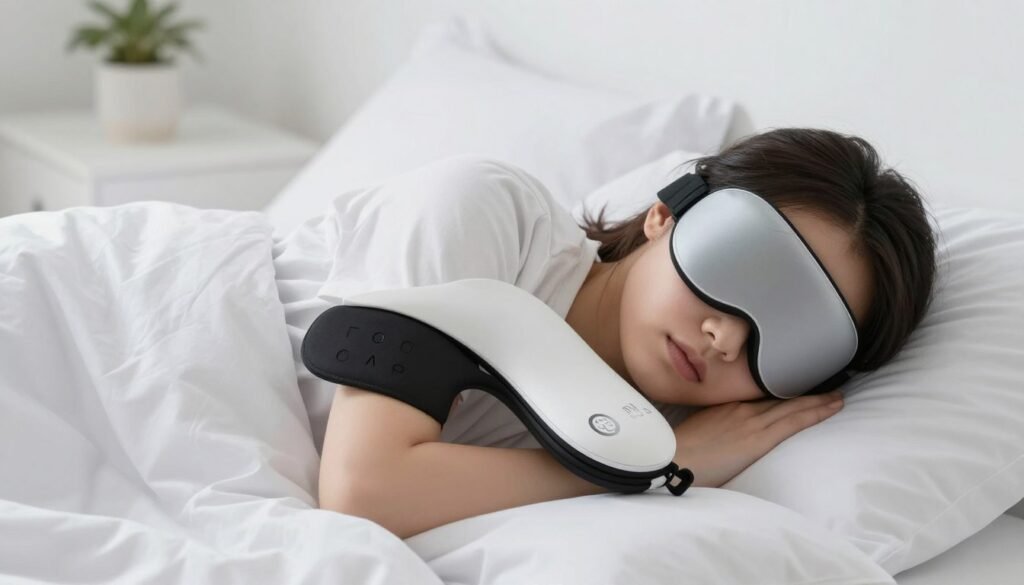
Various technologies and apps are designed to aid sleep quality improvement. These include sleep tracking devices, white noise machines, and guided meditation apps that offer sleep enhancement techniques.
| Technology | Description | Benefit |
|---|---|---|
| Sleep Tracking Devices | Monitor sleep patterns | Provides insights into sleep quality |
| White Noise Machines | Create soothing sounds | Helps in falling asleep faster |
| Guided Meditation Apps | Offer relaxation techniques | Reduces stress and anxiety |
Natural Sleep Remedies and Supplements
The quest for better sleep habits often leads individuals to explore natural sleep remedies and supplements. As people become more aware of the importance of sleep optimization strategies, the interest in non-pharmacological approaches to improving sleep quality grows.
Melatonin: Dosage, Timing, and Effectiveness
Melatonin is a hormone that regulates sleep-wake cycles. Supplementing with melatonin has been shown to be effective in improving sleep quality, particularly for individuals with insomnia or those experiencing jet lag. The recommended dosage varies, typically ranging from 0.5 to 5 milligrams, taken 30-60 minutes before bedtime.
Herbal Supplements for Sleep Support
Herbal supplements like valerian root, chamomile, and lavender are popular for their sleep-promoting properties. Valerian root, for instance, is known for its ability to improve sleep quality and duration. Chamomile tea is another calming beverage that can help prepare the body for sleep.
Aromatherapy and Essential Oils for Relaxation
Aromatherapy involves the use of essential oils derived from plants to promote relaxation and reduce stress. Oils like lavender and bergamot can be used in a diffuser or applied topically to help calm the mind and body before sleep.
| Remedy | Form | Benefits |
|---|---|---|
| Melatonin | Supplement | Regulates sleep-wake cycle, improves sleep quality |
| Valerian Root | Herbal Supplement | Improves sleep quality and duration |
| Lavender Oil | Essential Oil | Promotes relaxation, reduces stress |
By incorporating these natural sleep remedies and supplements into your sleep routine, you can take a significant step towards achieving better sleep habits and enhancing overall sleep quality.
Tailored Sleep Solutions for Different Life Stages
As people journey through different life stages, their sleep needs evolve, presenting unique challenges that require tailored solutions. Improving sleep patterns is crucial across all age groups, from children to seniors, and involves understanding the specific sleep improvement guides relevant to each stage.
Children and Adolescents: Unique Sleep Challenges
Children and adolescents face distinct sleep challenges due to their developmental stages. Establishing healthy sleep habits early in life is essential for long-term well-being.
- Creating a bedtime routine helps signal to children that it’s time to sleep.
- Ensuring the sleep environment is conducive to rest, such as keeping it dark and quiet, is vital.
- Limiting screen time before bed can significantly improve sleep quality in young individuals.
Sleep Strategies for Seniors and Aging Adults
Aging adults often experience changes in sleep patterns, such as insomnia or fragmented sleep. Tailored strategies can help improve their sleep quality.
Some effective approaches include:
- Maintaining a consistent sleep schedule to regulate the body’s internal clock.
- Engaging in regular physical activity, but not too close to bedtime.
- Managing chronic health conditions and pain through appropriate medical care.
Women’s Sleep Issues: Pregnancy, Postpartum, and Menopause
Women experience significant hormonal changes during pregnancy, postpartum, and menopause, which can affect their sleep. Understanding these changes is key to improving sleep.
Strategies for women during these life stages include:
| Life Stage | Sleep Challenge | Improvement Strategy |
|---|---|---|
| Pregnancy | Discomfort, frequent urination | Use supportive pillows, limit fluids before bed |
| Postpartum | Napping for newborn care, emotional stress | Share nighttime duties, practice relaxation techniques |
| Menopause | Hot flashes, night sweats | Keep bedroom cool, consider hormone therapy |
By acknowledging the unique sleep challenges associated with different life stages and implementing tailored sleep solutions, individuals can significantly improve their sleep quality and overall health.
Mental Techniques for Sleep Improvement
Mental techniques play a crucial role in enhancing sleep quality by addressing the psychological factors that often hinder a good night’s rest. By incorporating specific mental strategies, individuals can better manage stress and anxiety, leading to improved sleep.
Cognitive Behavioral Therapy for Insomnia (CBT-I)
Cognitive Behavioral Therapy for Insomnia (CBT-I) is a non-pharmacological approach that has been shown to be highly effective in treating sleep disorders. CBT-I focuses on identifying and changing negative thought patterns and behaviors that contribute to insomnia. Key components of CBT-I include sleep hygiene education, stimulus control, sleep restriction, and cognitive therapy. By addressing the underlying cognitive processes that interfere with sleep, CBT-I can lead to significant improvements in sleep quality.
Mindfulness Meditation and Progressive Relaxation
Mindfulness meditation and progressive relaxation are two techniques that can help calm the mind and body before sleep. Mindfulness meditation involves focusing on the present moment, often through breath awareness or body scan, to reduce stress and promote relaxation. Progressive relaxation, on the other hand, involves systematically tensing and relaxing different muscle groups to release physical tension. Both techniques can be practiced through guided recordings or independently.
Some effective sleep enhancement techniques include:
- Deep breathing exercises
- Body scan meditation
- Progressive muscle relaxation
- Mindfulness meditation
Visualization and Guided Imagery Practices
Visualization and guided imagery practices involve using the imagination to create a peaceful and relaxing mental environment. These techniques can help distract from stressful thoughts and promote a sense of calm. Guided imagery can be particularly helpful for individuals who have difficulty quieting their minds before sleep. By imagining a serene and restful scene, individuals can transition into a more relaxed state, conducive to sleep.
By incorporating these mental techniques into daily routines, individuals can develop tips for better sleep that address both the psychological and physical aspects of sleep quality. Whether through CBT-I, mindfulness meditation, or visualization practices, there are numerous mental strategies available to enhance sleep.
Developing Your Personalized Sleep Plan
To improve sleep quality, developing a customized sleep plan is crucial. This involves understanding your specific sleep challenges and creating strategies tailored to your needs.
Identifying Your Specific Sleep Obstacles
The first step in creating a personalized sleep plan is to identify the factors that are hindering your sleep. This could be related to your sleep environment, daily habits, or underlying health conditions. Keeping a sleep diary can be an effective way to track your sleep patterns and pinpoint potential issues.
Consider factors such as your bedtime routine, caffeine and alcohol consumption, and exposure to screens before bed. By understanding these elements, you can begin to make informed changes to improve your sleep.
Setting Realistic Sleep Improvement Goals
Once you’ve identified your sleep obstacles, it’s essential to set realistic goals for improvement. This might involve gradually adjusting your bedtime or improving your sleep environment. Setting achievable milestones helps maintain motivation and track progress.
For instance, you might start by committing to a consistent sleep schedule or reducing your screen time before bed. As you achieve these smaller goals, you can continue to refine your sleep plan.
Monitoring Progress and Adjusting Your Approach
Monitoring your progress is crucial to the success of your sleep plan. Regularly review your sleep diary or use sleep tracking technology to assess how well your strategies are working. Be prepared to make adjustments as needed to optimize your sleep.
If you find that certain techniques aren’t working, don’t hesitate to try alternative approaches. Flexibility is key to developing an effective sleep plan that meets your evolving needs.
When to Consult Sleep Professionals
Recognizing when to seek help from sleep specialists is vital for improving sleep patterns. While many sleep issues can be addressed through self-help strategies, some situations require professional intervention.
Red Flags That Require Medical Attention
Certain symptoms indicate the need for medical evaluation. These include persistent insomnia, excessive daytime sleepiness, and loud snoring or pauses in breathing during sleep. If you experience any of these issues, it’s essential to consult a healthcare professional.
Types of Sleep Specialists and Their Expertise
Sleep specialists come from various medical backgrounds, including pulmonology, neurology, and psychology. They are trained to diagnose and treat sleep disorders using advanced techniques and technologies.
What to Expect During Sleep Evaluation and Testing
During a sleep evaluation, specialists may conduct physical examinations, review medical history, and recommend sleep studies. Sleep testing can include overnight polysomnography or home sleep apnea testing, providing valuable data for diagnosis and treatment planning.
By consulting sleep professionals, individuals can develop better sleep habits and address underlying issues affecting their sleep quality.
Conclusion: Your Journey to Restorative Sleep
Improving sleep quality is a journey that requires commitment, patience, and the right resources. By understanding the science behind quality sleep, evaluating your current sleep quality, and implementing effective sleep improvement strategies, you can achieve restorative sleep and enhance your overall well-being.
The sleep improvement resources outlined in this article provide a comprehensive guide on how to improve sleep. From optimizing your sleep environment and nutrition strategies to managing stress and establishing healthy sleep routines, you now have the tools to take control of your sleep.
By applying these insights and techniques, you can overcome common sleep disorders, develop a personalized sleep plan, and cultivate healthy sleep habits that will benefit you for years to come. Start your journey to restorative sleep today and discover the transformative power of a good night’s rest.
FAQ
What are some effective sleep improvement guides?
How can I optimize my sleep environment for better rest?
What are some nutrition strategies for improving sleep quality?
Can exercise and physical activity enhance sleep quality?
How can I manage stress to improve my sleep?
Are there any natural sleep remedies and supplements that can help?
How can I develop a personalized sleep plan?
When should I consult a sleep professional?
What can I expect during a sleep evaluation?
How can I maintain consistent sleep-wake times?
Can technology help improve my sleep quality?
🌐 Explore the Smart Digital Network
A connected ecosystem of innovative platforms — empowering your journey through Smart Living, AI Automation, Wellness, Reviews, and Digital Learning. Discover more from our network below 👇




Part of the Smart Digital Network © 2025 — Explore, Learn & Grow Smarter 💡

Prabir Dutta
Prabir Dutta is a passionate digital creator, affiliate marketer, and wellness enthusiast who simplifies complex topics like AI tools, Vastu, pet care, and modern living. With a keen eye for SEO, tech trends, and everyday health solutions, he writes to empower readers with actionable, smart-living insights. When not curating content across his network of niche blogs, Prabir enjoys exploring new digital tools that make life easier and more efficient.






 SuperFreeTools

 SmartAIEarn

 SmartWellnessBeauty


 TrendsOfReview