




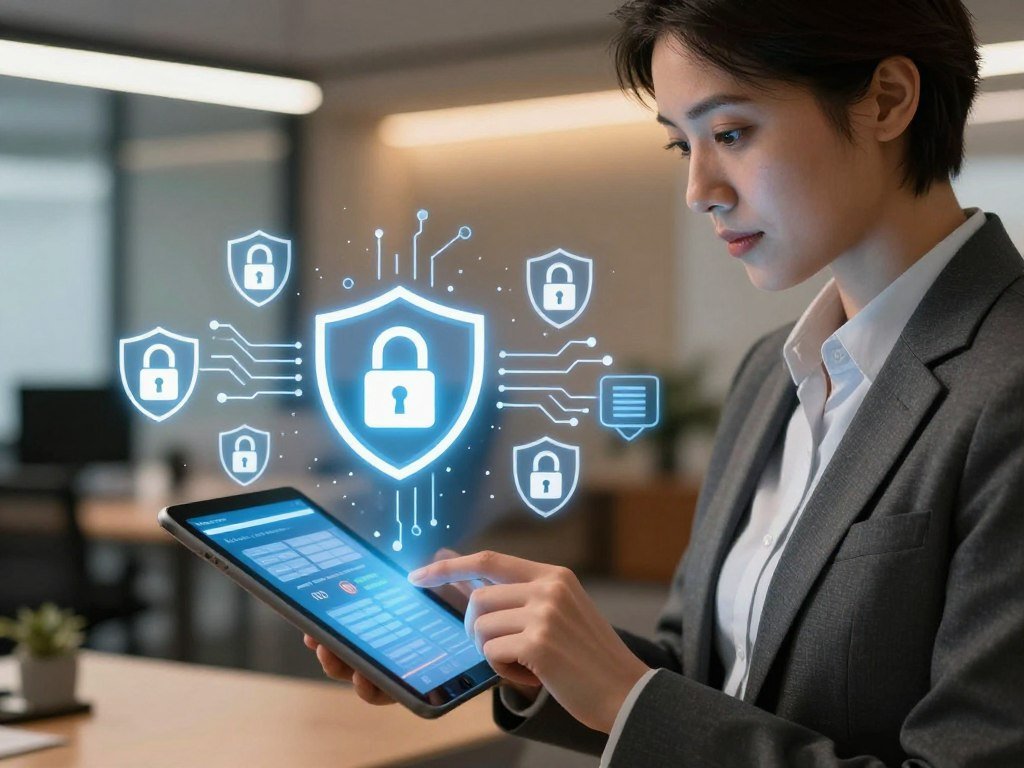
Did you know that global transaction values via mobile apps now exceed $10 trillion annually? This massive growth shows how modern tools have completely changed how we handle our money every day.
Apps like Apple Pay and Venmo make it very easy to send cash instantly. You can split a dinner bill or pay a friend with just a few taps on your smartphone screen.

While tools like Zelle and Cash App offer great speed, they also bring unique risks to your wallet. Digital Payments Safety is now a top priority for everyone using these modern financial services today.
Protecting your hard-earned money requires smart habits and constant awareness. By following a few simple steps, you can ensure secure online transactions every time you shop or send funds. This guide will show you exactly how to stay protected and keep your bank account secure.
Key Takeaways
- Enable two-factor authentication on all your financial accounts.
- Always verify the recipient’s details before confirming a transfer.
- Avoid using public Wi-Fi networks when managing your money.
- Set up instant notification alerts for every transaction you make.
- Keep your smartphone operating system and apps updated regularly.
- Use strong and unique passwords for every different payment service.
Understanding Digital Payments
In today’s digital age, comprehending the mechanisms and benefits of digital payments is essential for secure and efficient transactions. As technology continues to evolve, digital payments have become increasingly popular, offering users a convenient and speedy way to conduct financial transactions.
Digital payments encompass a broad range of payment methods that enable users to transfer funds electronically. According to a recent report, the digital payment market is expected to grow significantly in the coming years, driven by the increasing adoption of smartphones and the internet.
What Are Digital Payments?
Digital payments refer to the transfer of funds from one party to another through electronic means. This can include transactions made online, through mobile devices, or at point-of-sale terminals. Safe electronic payments are critical in today’s digital landscape, where cyber threats are becoming increasingly sophisticated.
“The shift towards digital payments is driven by the need for convenience, speed, and security,” says a financial expert. “As consumers become more comfortable with digital transactions, businesses must adapt to meet their expectations while ensuring the security of their payment systems.”
Types of Digital Payment Methods
There are various types of digital payment methods available, catering to different user preferences and needs. Some popular options include:
- Credit and debit card transactions
- Online banking and money transfers
- Mobile wallets and payment apps
- Cryptocurrency transactions
Each of these methods offers unique benefits and features, such as convenience, speed, and enhanced security.
Benefits of Using Digital Payments
Digital payments offer numerous benefits, including increased convenience, faster transaction processing, and improved security. By adopting payment security measures, businesses and individuals can reduce the risk of cyber threats and protect their financial information.
Moreover, digital payments provide a paperless and efficient way to conduct transactions, reducing the need for cash and checks. As the digital payment landscape continues to evolve, it’s essential for users to stay informed about the latest developments and best practices.
Common Risks in Digital Payments
The rise of digital transactions has brought about a new wave of risks that consumers must be aware of. As digital payments become more widespread, the potential for cyber threats, phishing scams, and identity theft increases. Understanding these risks is crucial for protecting oneself in the digital marketplace.
Cyber Threats to Be Aware Of
Cyber threats are a significant concern in the digital payments landscape. These threats include phishing and social engineering attacks, where attackers deceive individuals into revealing sensitive information. Account takeover and credential stuffing are also prevalent, where hackers use stolen credentials to gain unauthorized access to accounts.
Another significant cyber threat is data breaches and ransomware, where sensitive information is compromised, and hackers demand payment in exchange for restoring access to the data. Weak mobile and remote payment security also poses a risk, as does internal vulnerabilities within organizations.

Phishing Scams and Fraud
Phishing scams are a common method used by fraudsters to trick individuals into divulging sensitive information such as passwords, credit card numbers, or personal data. These scams often occur through emails, texts, or fake websites that mimic legitimate businesses. Being cautious with links and verifying the authenticity of requests can help mitigate this risk.
To protect against phishing scams, it’s essential to be vigilant and never provide sensitive information without verifying the recipient’s identity. Using fraud protection services and keeping software up to date can also help.
Identity Theft in Digital Transactions
Identity theft is a severe consequence of digital payment risks. When personal information is stolen, it can be used for malicious activities such as opening new credit accounts, making unauthorized transactions, or committing further fraud. Monitoring accounts regularly and reporting any suspicious activity can help prevent identity theft.
Consumers can protect themselves by being cautious with their personal information, using strong passwords, and enabling two-factor authentication. Staying informed about the latest scams and fraud techniques is also crucial in preventing identity theft.
Best Practices for Digital Payments
To protect your financial data, it’s essential to follow best practices for digital payments. By adopting these practices, you can significantly reduce the risk of unauthorized transactions and enhance the security of your financial information when using reliable payment gateways.
Use Strong Passwords
Using strong, unique passwords for your digital payment accounts is a fundamental security measure. Gary Warner, director of Research in Computer Forensics at UAB, emphasizes the importance of strong passwords in preventing unauthorized access to your accounts. A strong password should be a combination of letters, numbers, and special characters that is difficult for others to guess.
Tips for creating strong passwords:
- Use a mix of uppercase and lowercase letters.
- Include numbers and special characters.
- Avoid using easily guessable information such as your name or birthdate.
Enable Two-Factor Authentication
Enabling two-factor authentication (2FA) adds an extra layer of security to your digital payment accounts. With 2FA, you will need to provide a second form of verification, such as a code sent to your phone, in addition to your password. This makes it much harder for fraudsters to gain access to your accounts.
Regularly Monitor Your Accounts
Regularly monitoring your digital payment accounts is crucial for detecting any suspicious activity. By keeping a close eye on your transactions, you can quickly identify and report any unauthorized payments. This proactive approach is key to protecting financial information and minimizing potential losses.
It’s also a good practice to set up account alerts that notify you of any transactions above a certain amount or any other unusual activity.
Choosing Secure Payment Platforms
Selecting a secure payment platform is a critical step in protecting your financial information online. With numerous options available, it’s essential to make an informed decision to ensure your transactions are safe and secure.
Researching Payment Processors
When researching payment processors, look for those that are well-established and have a good reputation. Gary Warner, a renowned expert in the field, recommends using reputable digital payment providers like Zelle, CashApp, Venmo, or Snapcash. It’s also crucial to be cautious when using lesser-known payment apps, as they may not offer the same level of security as their more established counterparts.
Key factors to consider when researching payment processors include:
- Reputation and reliability
- Security measures in place, such as encryption and two-factor authentication
- Compliance with industry standards and regulations
- User reviews and feedback
Recognizing Trusted Payment Symbols
Trusted payment symbols are indicators that a payment platform is secure and reliable. Look for symbols such as the VeriSign or Comodo certification, which signify that the platform has undergone rigorous security checks.
Some common trusted payment symbols include:
- SSL certificates (https)
- Trust badges from reputable security companies
- Payment card industry (PCI) compliance logos

Comparing Fees and Features
Different payment platforms charge varying fees for their services. It’s essential to compare these fees to ensure you’re getting the best deal. Additionally, consider the features offered by each platform, such as ease of use, customer support, and mobile compatibility.
| Payment Platform | Fees | Key Features |
|---|---|---|
| Zelle | No fees for most transactions | Fast, easy to use, widely accepted |
| CashApp | No fees for standard deposits | Easy to use, investing features, cash card |
| Venmo | No fees for standard transactions | Social features, easy to use, mobile-friendly |
By carefully researching payment processors, recognizing trusted payment symbols, and comparing fees and features, you can choose a secure payment platform that meets your needs and protects your financial information.
Keeping Your Devices Safe
Securing your devices is a critical step in safeguarding your digital payments and protecting your sensitive information. As Charles Banks, vice president of Information Security at U.S. Bank, emphasizes, keeping devices safe involves several key practices.
Update Software Regularly
Regular software updates are vital for patching security vulnerabilities and protecting against cyber threats. By keeping your operating system, browser, and other software up-to-date, you can significantly reduce the risk of your device being compromised.
Use Antivirus and Anti-malware
Installing and regularly updating antivirus and anti-malware software is another crucial step in device security. These tools help detect and remove malicious software that could compromise your device and put your digital payments at risk.
Secure Your Wi-Fi Connection
Using a secure Wi-Fi connection is also essential for safe digital payments. This involves setting up a strong password for your Wi-Fi network and using WPA2 encryption. Additionally, consider using a virtual private network (VPN) when accessing public Wi-Fi networks.
| Security Measure | Description | Benefits |
|---|---|---|
| Regular Software Updates | Keeping your operating system and software up-to-date | Reduces vulnerability to cyber threats |
| Antivirus and Anti-malware | Installing and updating security software | Detects and removes malicious software |
| Secure Wi-Fi Connection | Using strong passwords and WPA2 encryption | Protects against unauthorized network access |
By following these best practices, you can significantly enhance the security of your devices and protect your digital payments from potential threats.
Tips for Mobile Payment Safety
The convenience of mobile payments comes with the need for heightened security measures. As mobile transactions become a staple in our daily lives, it’s essential to understand how to protect your financial information.
Using Trusted Apps
When it comes to mobile payment safety, the first line of defense is using trusted apps. Gary Warner advises users to be cautious when downloading payment apps, emphasizing the importance of sticking to well-known and reputable sources like the App Store or Google Play Store. This reduces the risk of inadvertently downloading malicious software.
To ensure you’re using a trusted app:
- Check the app’s reviews and ratings.
- Verify the developer’s identity and reputation.
- Be wary of apps that request excessive permissions.
Avoiding Public Wi-Fi for Transactions
Avoiding public Wi-Fi for transactions is another critical aspect of mobile payment safety. Public Wi-Fi networks are often unsecured, making it easier for hackers to intercept sensitive information. Instead, use a secure, private network or a virtual private network (VPN) when making mobile payments.
Consider the following when using Wi-Fi for transactions:
- Use a VPN to encrypt your data.
- Opt for mobile data or a secure Wi-Fi network.
- Be cautious of networks with names that seem suspicious or similar to legitimate networks.
Managing Payment Features on Your Device
Managing payment features on your device is also vital. This includes understanding and controlling the payment methods you’ve linked to your device, such as credit cards or bank accounts. Regularly review your device’s payment settings to ensure everything is up to date and secure.
Here’s a comparison of key features to consider when managing your mobile payment settings:
| Feature | Description | Security Benefit |
|---|---|---|
| Tokenization | Replaces sensitive info with a token | Protects actual card details |
| Biometric Authentication | Uses fingerprints or facial recognition | Adds an extra layer of security |
| Transaction Alerts | Notifies you of transactions in real-time | Helps detect fraudulent activity early |

By following these tips for mobile payment safety, you can significantly reduce the risk of fraud and enjoy the convenience of making payments on the go.
Recognizing Safe Websites for Payments
To safeguard your online transactions, recognizing a secure website is paramount. A secure website is the cornerstone of safe digital payments, protecting your financial information from cyber threats.
Businesses should ensure that their websites have SSL certificates and are authentic to protect customer data. This not only safeguards the customer’s information but also enhances trust in the brand.
Checking for SSL Certificates
One of the primary indicators of a secure website is the presence of an SSL (Secure Sockets Layer) certificate. An SSL certificate encrypts the data transferred between your browser and the website, making it difficult for hackers to intercept sensitive information.
Look for “https” in the URL and a padlock icon in the address bar to ensure the site is secure. The “https” indicates that the site is using a secure protocol, and the padlock icon signifies that the connection is encrypted.
“The presence of an SSL certificate is a fundamental requirement for any website handling sensitive customer information.”
Verifying Website Authenticity
Verifying the authenticity of a website is crucial to avoid phishing scams. Check for spelling mistakes in the URL and be wary of unsolicited emails or messages that direct you to a website.
| Authenticity Check | Description |
|---|---|
| URL Verification | Ensure the URL is correct and not a variation of a legitimate site. |
| Contact Information | Legitimate sites usually provide contact information, including a physical address. |
| Customer Reviews | Check for customer reviews and ratings to gauge the site’s reputation. |
Understanding Payment Interface Security
The payment interface is where you enter your sensitive financial information. Ensure that the payment page is secure by looking for the indicators mentioned earlier (https and padlock icon).
By being vigilant and taking these precautions, you can significantly reduce the risk associated with online transactions. Always prioritize secure online transactions by using reliable payment gateways.
Educating Yourself and Others
Educating oneself about digital payment safety is no longer a choice, but a necessity in today’s digital age. As Charles Banks emphasizes, consumers must take an active role in understanding and implementing payment security measures to protect their financial information.
To start, it’s essential to understand the various aspects of digital payment safety. This includes being aware of the potential risks associated with digital transactions and knowing how to mitigate them.
Resources for Learning About Digital Safety
There are numerous resources available for individuals looking to enhance their knowledge about digital safety. These include:
- Online tutorials and webinars offered by financial institutions and cybersecurity experts.
- Informative articles and blogs that provide insights into the latest payment security measures.
- Workshops and seminars conducted by experts in the field of digital security.
By leveraging these resources, consumers can gain a deeper understanding of how to protect their financial information effectively.
Sharing Knowledge with Friends and Family
Sharing knowledge about digital payment safety with friends and family is crucial in creating a safer digital community. By educating those around us, we can collectively reduce the risk of falling victim to cyber threats.
Some effective ways to share knowledge include:
- Discussing the importance of using strong passwords and enabling two-factor authentication.
- Sharing tips on how to identify and avoid phishing scams.
- Recommending reliable resources for further learning.
Following Updates in Digital Payment Technology
The landscape of digital payment technology is constantly evolving. Staying updated with the latest developments and security measures is vital for maintaining the security of our financial information.
Consumers can stay informed by:
- Following reputable sources and news outlets that cover digital payment technology.
- Subscribing to newsletters from financial institutions and cybersecurity companies.
- Participating in online forums and discussions related to digital payment safety.

Responding to Security Breaches
In the event of a security breach, swift action is crucial to minimize potential damage.
A security breach can compromise your financial information and identity. Knowing how to respond can significantly reduce the risk of further harm.
Immediate Steps to Take
When you suspect a security breach, act quickly. The first step is to secure your accounts by changing passwords and PINs associated with the compromised information.
Enable two-factor authentication if it’s not already active. This adds an extra layer of security to your accounts.
- Notify your bank or credit card company about the breach.
- Request their assistance in monitoring your accounts for suspicious activity.
- Consider placing a fraud alert on your credit reports.
Reporting Fraudulent Activity
Reporting fraudulent activity is critical to preventing further unauthorized transactions. According to Gary Warner, users should report fraudulent activity immediately to minimize damage.
File a report with the relevant authorities, such as the Federal Trade Commission (FTC) or your local police department, depending on the nature of the breach.
Keep a record of your reports, including the date, time, and reference number if provided.
Monitoring Credit Reports
Regularly monitoring your credit reports can help you detect any signs of identity theft or fraud early on.
You are entitled to a free credit report from each of the three major credit reporting agencies (Equifax, Experian, and TransUnion) once a year.
| Credit Reporting Agency | Contact Information | Annual Report Availability |
|---|---|---|
| Equifax | 1-800-685-5000, www.equifax.com | Free once a year |
| Experian | 1-866-200-6020, www.experian.com | Free once a year |
| TransUnion | 1-800-916-8800, www.transunion.com | Free once a year |
Consider staggering your requests throughout the year to monitor your credit more frequently.
The Future of Digital Payments Safety
As digital payments continue to grow, with the global value projected to reach $11.6 trillion in 2024, ensuring their safety is becoming increasingly important. Businesses and consumers alike must stay ahead of emerging threats to digital payment safety.
Advancements in Payment Security
The future of digital payments safety will be shaped by advancements in payment security, including the adoption of artificial intelligence and machine learning to detect and prevent cyber threats. Companies like Visa and Mastercard are already investing heavily in these technologies to enhance cyber security in e-commerce.
Innovative Technologies
Emerging technologies, such as blockchain and tokenization, are also expected to play a significant role in securing digital payments. These technologies offer enhanced security features and reduced risk of data breaches.
Consumer Awareness
Consumer awareness will remain a critical component of digital payments safety. Educating consumers about best practices and the latest threats will be essential in preventing fraud and ensuring secure transactions.
FAQ
What Are Digital Payments?
Types of Digital Payment Methods
Benefits of Using Digital Payments
Cyber Threats to Be Aware Of
Phishing Scams and Fraud
Identity Theft in Digital Transactions
Use Strong Passwords
Enable Two-Factor Authentication
Regularly Monitor Your Accounts
Researching Payment Processors
Recognizing Trusted Payment Symbols
Comparing Fees and Features
Update Software Regularly
Use Antivirus and Anti-malware
Secure Your Wi-Fi Connection
Using Trusted Apps
Avoiding Public Wi-Fi for Transactions
Managing Payment Features on Your Device
Checking for SSL Certificates
Verifying Website Authenticity
Understanding Payment Interface Security
Resources for Learning About Digital Safety
Sharing Knowledge with Friends and Family
Following Updates in Digital Payment Technology
Immediate Steps to Take
Reporting Fraudulent Activity
Monitoring Credit Reports
Trends in Payment Security
Emerging Technologies
The Role of Consumer Awareness
How can I ensure I am performing secure online transactions?
What are the most effective payment security measures for mobile users?
How does cyber security in e-commerce protect my shopping experience?
What should I look for when choosing reliable payment gateways?
What is the best way of protecting financial information on public networks?
Why is secure payment processing important for small online businesses?
Are there specific apps that offer better safe electronic payments?
🌐 Explore the Smart Digital Network
A connected ecosystem of innovative platforms — empowering your journey through Smart Living, AI Automation, Wellness, Reviews, and Digital Learning. Discover more from our network below 👇




Part of the Smart Digital Network © 2025 — Explore, Learn & Grow Smarter 💡

Prabir Dutta
Prabir Dutta is a passionate digital creator, affiliate marketer, and wellness enthusiast who simplifies complex topics like AI tools, Vastu, pet care, and modern living. With a keen eye for SEO, tech trends, and everyday health solutions, he writes to empower readers with actionable, smart-living insights. When not curating content across his network of niche blogs, Prabir enjoys exploring new digital tools that make life easier and more efficient.






 SuperFreeTools

 SmartAIEarn

 SmartWellnessBeauty


 TrendsOfReview