Did you know that nearly 80% of Americans experience stress? With such a high prevalence, it’s no wonder that people are turning to alternative methods to manage their anxiety. According to Shweta Jain, an India-based yoga instructor with MyYogaTeacher, yoga is more than just a physical practice – it’s a lifestyle that helps manage stress. Yoga combines physical postures, breathing techniques, and meditation to promote relaxation and reduce anxiety.
For those new to yoga, starting with simple and gentle poses can be incredibly beneficial. These poses can help calm the mind, reduce stress, and improve overall well-being. By incorporating yoga into your daily routine, you can experience a significant reduction in stress levels and an improvement in your mental health.
Key Takeaways
- Yoga is a holistic practice that combines physical postures, breathing techniques, and meditation to reduce stress.
- Gentle yoga poses can be beneficial for beginners looking to manage stress and anxiety.
- Regular yoga practice can lead to improved mental health and well-being.
- Simple yoga poses can be easily incorporated into a daily routine.
- Yoga can help reduce stress levels and promote relaxation.
The Science Behind Yoga and Stress Relief
Understanding the science behind yoga can reveal its powerful effects on both body and mind. Yoga is more than just a physical practice; it’s a holistic approach that combines physical postures, breathing techniques, and meditation to promote overall well-being.
According to Anouska Shenn, certified yoga instructor and founder of The Office Yoga Company, “Yoga has to do with moving and breathing with intention and presence. Our breathing influences our emotional state and our emotional state influences breathing.” This mind-body connection is crucial in understanding how yoga can help alleviate stress.
How Yoga Affects Your Nervous System
Yoga has a profound impact on the nervous system. Regular practice can help calm the mind and reduce stress by activating the parasympathetic nervous system (PNS), also known as the “rest and digest” system. The PNS counterbalances the sympathetic nervous system (SNS), which is responsible for the “fight or flight” response.
- Reduces Stress Hormones: Yoga practice has been shown to decrease the production of stress hormones like cortisol.
- Improves Heart Rate Variability: Regular yoga practice can improve heart rate variability, which is a marker of good cardiovascular health and resilience to stress.
- Enhances Mood: Yoga releases endorphins, also known as “feel-good” hormones, which can enhance mood and reduce symptoms of anxiety and depression.
The Mind-Body Connection in Stress Reduction
The mind-body connection is a fundamental aspect of yoga. By combining physical postures with breathing techniques and meditation, yoga helps to create a sense of balance and harmony within.
Some of the ways yoga achieves this balance include:
- Increased Awareness: Yoga increases awareness of the body and mind, allowing practitioners to better recognize and manage stress.
- Enhanced Relaxation: Techniques such as deep breathing and progressive muscle relaxation help to reduce physical tension and promote relaxation.
- Improved Emotional Regulation: Yoga practice can help regulate emotions, reducing the impact of stress on mental health.
By understanding the science behind yoga and its effects on the nervous system and mind-body connection, we can better appreciate its role in stress relief and overall well-being.
Before You Begin: Setting Up Your Practice
The foundation of a great yoga practice begins with setting up a calming and comfortable space. As you prepare to embark on your yoga journey, consider the elements that will help you create a serene atmosphere.
Creating a Calming Environment
To create a calming environment, focus on factors such as lighting, temperature, and noise levels. Soft, natural light can enhance the ambiance, while a comfortable temperature ensures you can relax without distractions. Minimizing noise or using calming music can also contribute to a peaceful setting.
As noted by yoga expert, B.K.S. Iyengar, “The practice of Yoga is not about achieving some end result; it is about being present in the moment.”
“The practice of Yoga is not about achieving some end result; it is about being present in the moment.”
Creating a calming environment helps you stay present and focused during your practice.

Essential Props for Beginners
Using props can significantly enhance your yoga experience, especially for beginners. Essential props include bolsters, blankets, and blocks, which provide support and help maintain proper alignment. These props can make poses more accessible and comfortable, allowing you to focus on your breathing and relaxation.
- Bolsters: Provide support for the back and legs
- Blankets: Add cushioning and warmth
- Blocks: Assist in maintaining proper alignment
Breathing Techniques to Enhance Relaxation
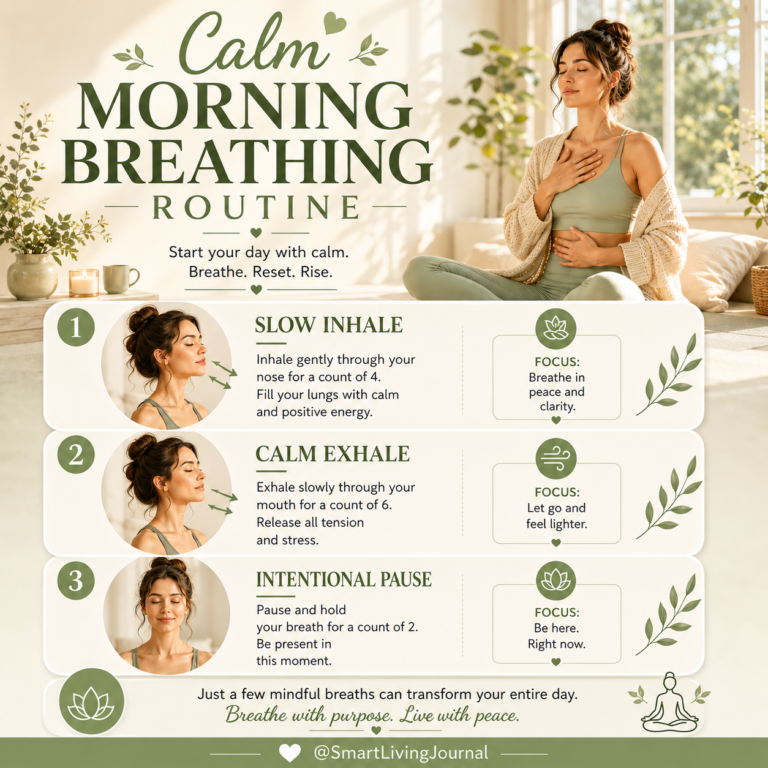
Breathing techniques are a crucial aspect of yoga, promoting relaxation and reducing stress. Practice deep, diaphragmatic breathing to calm your mind and body. This type of breathing encourages full oxygen exchange and can help slow down your heart rate, promoting a sense of calm.
As you begin your practice, remember that the goal is not perfection but presence. By focusing on your breath and the sensations in your body, you can cultivate a deeper sense of relaxation and inner peace.
Seated Poses for Mental Clarity
Seated yoga poses can be a powerful tool for achieving mental clarity and reducing stress. These poses help calm the mind, improve focus, and promote a sense of inner peace.
Easy Pose (Sukhasana)
Easy Pose, or Sukhasana, is a foundational seated pose that promotes comfort and relaxation. To practice Sukhasana, sit on the floor with your legs crossed, keeping your back straight and your hands on your knees. Close your eyes and focus on your breath, feeling the calmness spread through your body.
Benefits of Easy Pose:
- Reduces anxiety and stress
- Improves posture and balance
- Calms the mind and promotes relaxation
Seated Forward Bend (Paschimottanasana)
Seated Forward Bend, or Paschimottanasana, is a gentle stretch that targets the entire back side of the body, from the shoulders to the heels. To practice this pose, sit on the floor with your legs extended in front of you. Inhale to lengthen your spine, and exhale to fold forward, reaching for your toes or shins. Keep your knees slightly bent if necessary.
According to yoga experts, forward bends like Seated Forward Bend help develop a “letting-go attitude,” releasing limiting thoughts and emotions.
| Pose | Benefits | Precautions |
|---|---|---|
| Easy Pose (Sukhasana) | Reduces anxiety, improves posture, calms the mind | Avoid if you have knee injuries; use a cushion for support |
| Seated Forward Bend (Paschimottanasana) | Stretches the back, shoulders, and hamstrings; calms the mind | Avoid if you have back injuries; bend your knees if necessary |
By incorporating these seated poses into your yoga practice, you can enhance your mental clarity and reduce stress. Regular practice will help you cultivate a sense of calm and focus, improving your overall well-being.
Standing Poses to Ground and Center
Standing poses are a foundational element in yoga practice, offering a way to ground and center the body and mind. These poses help establish a strong connection with the earth, promoting balance and stability. According to Kristin McGee, a Peloton instructor, standing poses can provide a sense of empowerment and strength.

Mountain Pose (Tadasana)
Mountain Pose, or Tadasana, is the foundation of all standing poses. It may seem simple, but it’s a powerful pose that promotes good posture, balance, and inner calm. To practice Tadasana, stand with your feet hip-width apart, engage your core, and reach your arms by your sides. Feel the ground beneath your feet and imagine a string pulling your head up towards the ceiling.
Benefits of Mountain Pose:
- Improves posture
- Reduces stress and anxiety
- Enhances balance and stability
Standing Forward Bend (Uttanasana)
Standing Forward Bend, or Uttanasana, is a calming pose that stretches the entire back side of the body, from the shoulders to the heels. To practice Uttanasana, stand with your feet hip-width apart, then bend forward, keeping your knees slightly bent if necessary. Let your arms dangle towards the ground, and feel the stretch in your back, shoulders, and hips.
“In standing poses, we find strength and stability, allowing us to face challenges with confidence and poise.”
Benefits of Standing Forward Bend:
| Benefit | Description |
|---|---|
| Stretches the back and shoulders | Relieves tension in the upper body |
| Calms the mind | Reduces stress and anxiety |
| Improves flexibility | Enhances range of motion in the hips and hamstrings |
By incorporating standing poses like Mountain Pose and Standing Forward Bend into your yoga practice, you can experience a significant reduction in stress levels and an improvement in overall well-being. These poses not only ground and center the body but also promote mental clarity and calmness.
Gentle Backbends to Open the Heart
Opening the heart through gentle backbends can be a powerful way to counteract stress and anxiety. Gentle backbends like Bridge Pose and Cobra Pose can help open the chest, improve breathing, and boost your mood.
Bridge Pose (Setu Bandha Sarvangasana)
Bridge Pose is a gentle backbend that can help reduce stress and anxiety by opening the chest and improving flexibility. To practice Bridge Pose:
- Lie on your back with your knees bent and feet flat on the floor.
- Inhale and slowly lift your hips towards the ceiling, squeezing your glutes and lower back muscles.
- Hold for a few breaths, feeling the stretch in your chest and the opening in your heart.
- Exhale and slowly lower your hips back down to the ground.
This pose can help relieve tension in the back and neck, promoting a sense of calm and relaxation.
Cobra Pose (Bhujangasana)
Cobra Pose is another effective backbend that can help improve your mood and reduce stress. To practice Cobra Pose:
- Lie on your stomach with your hands under your shoulders.
- Inhale and press your palms into the ground, slowly lifting your chest and head off the mat.
- Keep your shoulders down and away from your ears, feeling the stretch in your chest and the opening in your heart.
- Hold for a few breaths, then exhale and slowly lower back down.
Cobra Pose can help strengthen your back muscles and improve your posture, reducing the risk of back pain and promoting overall well-being.
By incorporating these gentle backbends into your yoga practice, you can experience the benefits of stress-relief yoga poses and relaxing yoga poses, leading to a more balanced and calm state of being.
10 Gentle Yoga Poses to Relieve Stress and Calm Your Mind
Discover the transformative power of yoga with these 10 gentle poses designed to melt away stress and calm your mind. Yoga has been a long-standing practice for those seeking balance and tranquility in their lives. By incorporating these poses into your daily routine, you can significantly reduce stress levels and improve your overall well-being.

Child’s Pose (Balasana)
Child’s Pose, or Balasana, is a foundational resting pose that can help calm the mind and body. To practice this pose, kneel on your mat, then sit back onto your heels. Stretch your arms out in front of you, lower your forehead to the ground, and breathe deeply. This pose is excellent for reducing stress and fatigue, as it gently stretches the back and promotes relaxation.
According to Anouska Shenn, a yoga expert, Child’s Pose can help slow down the heart rate and send signals to the brain to relax. Regular practice of Balasana can lead to improved mental clarity and a sense of calm.
Legs-Up-The-Wall Pose (Viparita Karani)
Legs-Up-The-Wall Pose is another restorative pose that can significantly reduce stress and improve circulation. To practice Viparita Karani, find a quiet spot and sit with your left side against a wall. Then, gently swing your legs up against the wall as you lie down on your back. Your body should form an L-shape, with your legs straight up against the wall. Stay here for 5-10 minutes, breathing deeply.
This pose is beneficial for reversing blood flow and calming the nervous system. It’s also known to help alleviate symptoms of anxiety and insomnia.
Some of the other gentle yoga poses that can help relieve stress include:
- Downward-Facing Dog (Adho Mukha Svanasana)
- Cat-Cow Pose (Marjaryasana-Bitilasana)
- Seated Forward Bend (Paschimottanasana)
- Reclining Bound Angle Pose (Supta Baddha Konasana)
- Corpse Pose (Savasana)
- Tree Pose (Vrksasana)
- Seated Twist (Bharadvajasana)
- Reclining Pigeon Pose (Supta Eka Pada Rajakapotasana)
By incorporating these 10 gentle yoga poses into your daily routine, you can experience a significant reduction in stress levels and an improvement in overall mental clarity and well-being.
Restorative Poses for Deep Relaxation
For those seeking serenity, restorative yoga offers poses that calm the mind and soothe the body. Restorative yoga is particularly beneficial as it allows practitioners to relax and rejuvenate, using props to support the body in relaxing postures.
Reclining Bound Angle Pose (Supta Baddha Konasana)
This pose is excellent for opening the hips and promoting relaxation. To practice, start by lying on your back and bringing the soles of your feet together, letting your knees fall apart. You can use bolsters or pillows under your knees for support. Stay here for 5-10 minutes, breathing deeply and feeling the stretch in your hips and groin.
Corpse Pose (Savasana)
Corpse Pose is a foundational relaxation pose that can help reduce stress and fatigue. To practice Savasana, lie on your back with your arms and legs slightly apart, and your eyes closed. Focus on your breath, letting go of any tension in your body. Remain in this pose for 5-15 minutes, allowing yourself to fully relax and recharge.
Both Reclining Bound Angle Pose and Corpse Pose are gentle yoga poses that are accessible to beginners and can be practiced together in a sequence to enhance relaxation and reduce stress.
Creating Your Personal Stress-Relief Yoga Routine
A well-crafted yoga practice can significantly reduce stress and improve overall well-being. By tailoring your routine to your specific needs and goals, you can maximize the benefits of yoga for stress relief.
To get started, consider what you hope to achieve with your yoga practice. Are you looking to reduce stress during busy workdays, or do you want to unwind before bed? Understanding your goals will help you create a routine that suits your lifestyle.
5-Minute Quick Relief Sequence
A 5-minute quick relief sequence is perfect for busy days when time is limited. This short practice can help calm your mind and reduce tension. Start with some gentle neck stretches, followed by a few rounds of deep breathing exercises. Then, move into some simple seated poses like Easy Pose (Sukhasana) or Seated Forward Bend (Paschimottanasana).
| Pose | Duration | Benefits |
|---|---|---|
| Neck Stretch | 30 seconds per side | Relieves tension in the neck and shoulders |
| Easy Pose (Sukhasana) | 1 minute | Calms the mind and promotes relaxation |
| Seated Forward Bend (Paschimottanasana) | 1 minute | Stretches the entire back side of the body, releasing tension |
15-Minute Daily Practice
For a more substantial practice, consider a 15-minute daily routine. This can include a combination of standing poses, gentle backbends, and seated forward bends. Begin with Mountain Pose (Tadasana) to ground yourself, then move into Standing Forward Bend (Uttanasana) to release tension in your back and shoulders.
Continue with some gentle backbends like Bridge Pose (Setu Bandha Sarvangasana) or Cobra Pose (Bhujangasana) to open your chest and improve your posture. Finish with some deep breathing exercises or a short meditation to calm your mind.
30-Minute Complete Relaxation Session
A 30-minute complete relaxation session is ideal for a more in-depth practice. This can include a variety of stress-reducing yoga poses, restorative poses, and deep relaxation techniques. Start with some gentle warm-up poses, then move into restorative poses like Reclining Bound Angle Pose (Supta Baddha Konasana) or Legs-Up-The-Wall Pose (Viparita Karani).
Finish your practice with Corpse Pose (Savasana), allowing yourself to fully relax and let go of any remaining tension. This longer practice is perfect for unwinding after a long day or preparing for a restful night’s sleep.

Conclusion
Yoga offers a powerful approach to managing stress and improving overall well-being. By incorporating calming yoga poses and yoga poses for beginners into your daily routine, you can better navigate life’s challenges with clarity and composure.
The stress-reducing yoga poses outlined in this article provide a solid foundation for establishing a practice that suits your needs. Whether you’re seeking a moment of peace or a long-term solution to stress, yoga can be a valuable tool.
As you continue on your yoga journey, remember that consistency is key. Even a few minutes of practice each day can have a significant impact on both mental and physical health. By making yoga a part of your daily life, you can cultivate a deeper sense of calm and resilience.
FAQ
What are the benefits of yoga for stress relief?
I’m a beginner, are these yoga poses suitable for me?
How often should I practice yoga to see benefits for stress relief?
Can I practice yoga if I have a medical condition or injury?
What are some essential props for a beginner yoga practice?
How can I create a calming environment for my yoga practice?
What is the best time of day to practice yoga for stress relief?
Can yoga be used in conjunction with other stress-relief techniques?
How long should a yoga practice be for stress relief?

SmartLivingJournal
Prabir Dutta is a passionate digital creator, affiliate marketer, and wellness enthusiast who simplifies complex topics like AI tools, Vastu, pet care, and modern living. With a keen eye for SEO, tech trends, and everyday health solutions, he writes to empower readers with actionable, smart-living insights. When not curating content across his network of niche blogs, Prabir enjoys exploring new digital tools that make life easier and more efficient.
Keep exploring Smart Living Journal
Discover more practical ideas on wellness, home living, plants, pets, routines, and smarter everyday upgrades.