Did you know that nearly 30 percent of Americans struggle to keep their greenery alive at home? Keeping your indoor garden happy and healthy is easy in the right spot. However, you will likely encounter some plant issues along the way.
From sneaky pests to mysterious diseases, there is a lot to think about when adopting a new leafed friend. Environmental factors like light and water play a huge role in their daily survival. Developing effective problem solving skills helps you react quickly before it is too late.
Identifying the root cause of distress is the first step toward recovery. Mastering troubleshooting ensures your home jungle remains vibrant and lush for a long time. Understanding these signals transforms you into a confident and capable caretaker.
This guide will help you spot common signs of distress so you can give your greens the best care possible. You do not need a green thumb to make a big difference in your home. Success starts with observing the small changes in your foliage every day.
Key Takeaways
- Identify early warning signs of leaf distress.
- Understand common pests and harmful diseases.
- Adjust light and moisture levels accurately.
- Implement quick recovery techniques for health.
- Prevent future growth complications effectively.
- Maintain a vibrant and lush indoor environment.
Understanding Plant Issues
Plant troubleshooting is an essential skill that involves observing, analyzing, and addressing the various issues that can affect your plants. It’s a bit like being a detective, where you need to gather clues and piece together the evidence to solve the mystery of what’s ailing your plants.
What is Plant Troubleshooting?
Plant troubleshooting refers to the systematic process of identifying and resolving problems that affect plant health. This can include a wide range of issues, from diseases and pests to environmental factors and nutritional deficiencies. By understanding the principles of plant troubleshooting, you can take a proactive approach to maintaining the health and well-being of your plants.
Importance of Early Detection
Early detection is critical when it comes to addressing plant problems. The sooner you identify an issue, the quicker you can take action to prevent it from becoming more severe. This not only helps in reducing the risk of losing your plants but also minimizes the need for more drastic interventions later on.
Benefits of Early Detection:
- Prevents minor issues from becoming major problems
- Reduces the risk of plant loss
- Minimizes the need for chemical interventions
- Promotes healthier plant growth
Common Symptoms of Plant Problems
Recognizing the common symptoms of plant problems is the first step towards effective troubleshooting. These symptoms can manifest in various ways, including changes in leaf color, unusual growth patterns, or the presence of pests.
| Symptom | Possible Cause |
|---|---|
| Yellowing Leaves | Overwatering, Nutrient Deficiency |
| Black Spots on Leaves | Fungal Infection |
| Slow Growth | Underwatering, Lack of Nutrients |
Identifying Common Plant Diseases
Understanding the common diseases that can affect your plants is crucial for maintaining their health and ensuring they thrive. Plant diseases can manifest in various forms, and being able to identify them is the first step towards effective treatment and care.
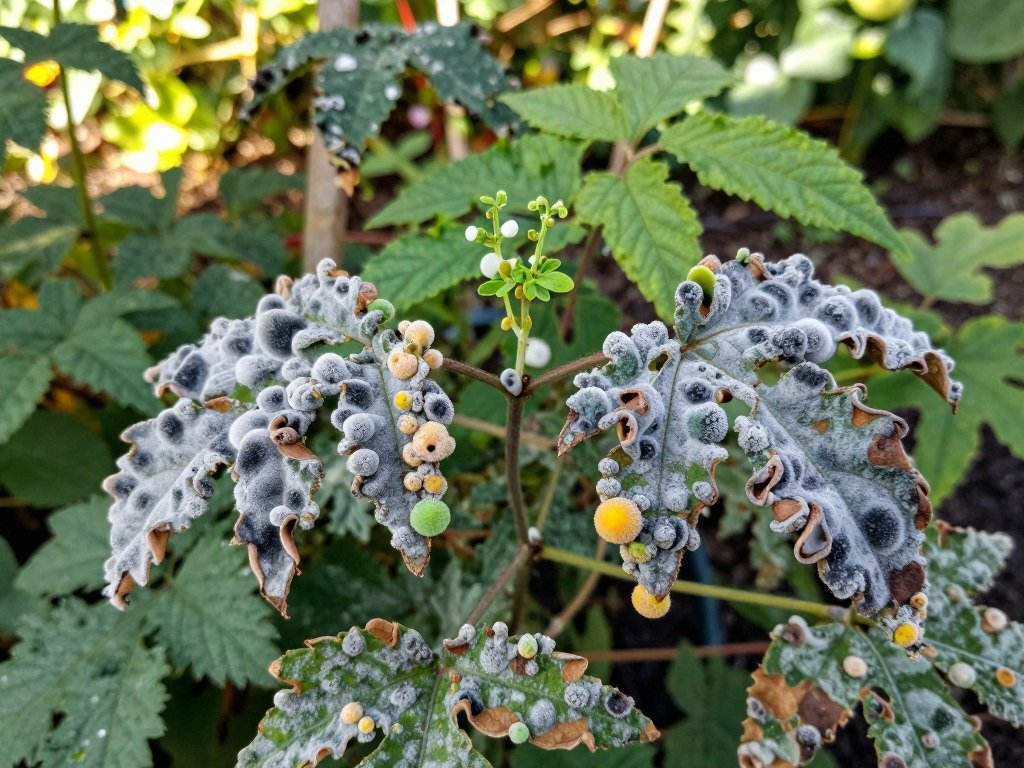
Fungal infections are among the most common issues faced by houseplants. These infections can cause a range of symptoms, including:
- Mold or mildew on the leaves or soil
- Black or brown spots on the foliage
- Soft, rotting roots
Fungal Infections
Fungal diseases are often a result of overwatering or high humidity. To treat fungal infections, it’s essential to improve air circulation around your plants and adjust your watering schedule. In severe cases, fungicides may be necessary.
Bacterial Issues
Bacterial diseases can cause significant damage to plants, leading to symptoms such as:
- Water-soaked lesions on leaves
- Soft, mushy stems
- Unpleasant odors from the soil or plant
To address bacterial issues, it’s crucial to remove any affected parts of the plant to prevent the spread of the disease. Improving hygiene and reducing watering can also help.
Viral Infections
Viral infections in plants can result in a variety of symptoms, including:
- Mottled or distorted leaves
- Stunted growth
- Abnormal coloration
Viral diseases are often spread by pests, so controlling pest populations is a key part of managing viral infections. There are no cures for viral diseases, but removing infected plants can help prevent the spread.
By understanding the signs of common plant diseases and taking prompt action, you can help keep your plants healthy and thriving. Regular monitoring and good plant care practices are essential for plant problem solving and ensuring your plants continue to flourish.
Recognizing Pest Infestations
Recognizing the signs of pest infestations is key to maintaining healthy plants. Pest infestations can cause significant damage if left unchecked, making early detection crucial for effective plant maintenance tips.
To effectively treat a pest infestation on your houseplant, you’ll need to properly identify the insect. Depending on what developmental stage the pest is at will determine what kind of treatment you need to use. This involves understanding the different types of pests that can infest your plants, both indoors and outdoors.
Common Indoor Pests
Indoor plants are susceptible to a variety of pests. Some of the most common include:
- Spider Mites: These tiny pests cause yellowing or bronzing of leaves.
- Mealybugs: Mealybugs appear as white, cottony patches on leaves and stems.
- Scale: Scale insects are small, immobile, and can be armored or soft-bodied.
- Fungus Gnats: These pests are typically seen flying around the soil surface.
Outdoor Pest Challenges
Outdoor plants face a different set of pest challenges. Common outdoor pests include:
- Aphids: Small, sap-sucking insects that can be found on stems and leaves.
- Caterpillars: The larvae of butterflies and moths, which can cause significant leaf damage.
- Slugs and Snails: These pests chew holes in leaves and can be particularly problematic in moist environments.
Signs of Infestation
Being able to recognize the signs of pest infestation is crucial for troubleshooting techniques. Some common signs include:
- Visible pests or eggs on the plant.
- Damage to leaves, such as holes, discoloration, or distortion.
- Presence of honeydew or sooty mold on leaves.
- Stunted or distorted growth.
By understanding these signs and knowing the common pests that can infest your plants, you can take the necessary steps to prevent and treat pest infestations, ensuring your plants remain healthy and thrive.
Analyzing Environmental Factors
Understanding the environmental factors that affect plants is essential for effective plant care. Sometimes, plants experience problems that aren’t pest- or disease-related. Abiotic issues can be attributed to environmental, physiological, or other non-biological conditions.
Environmental factors can significantly impact plant health, and it’s crucial to identify these factors to provide the best care for your plants. As noted by gardening experts, “The right environment is crucial for plant growth, and even small changes can have a significant impact.”
“The right environment is crucial for plant growth, and even small changes can have a significant impact.”
Light Requirements
Light is one of the most critical environmental factors affecting plant health. Different plants have varying light requirements, ranging from full sun to partial shade or full shade.
| Plant Type | Light Requirement |
|---|---|
| Succulents | Full Sun |
| Ferns | Partial Shade |
| Chinese Evergreen | Low Light |
Understanding the specific light needs of your plants can help prevent issues such as scorched leaves or weak growth.
Humidity Levels
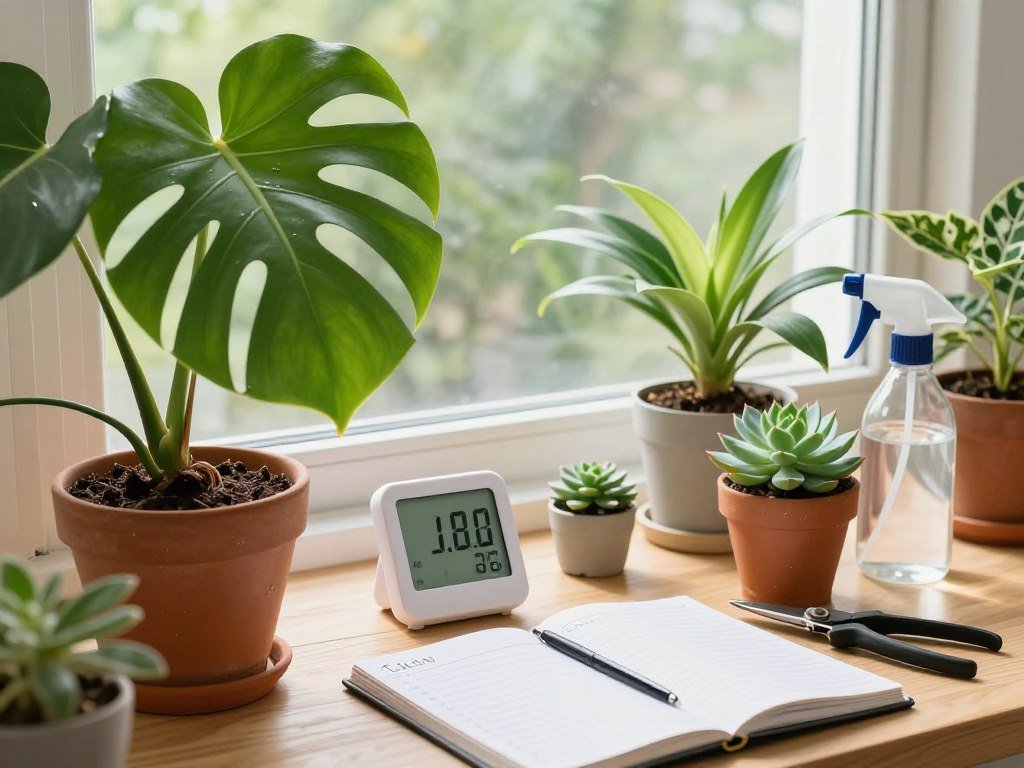
Humidity is another critical factor that can affect plant health. Most houseplants prefer a humid environment, typically between 40-60% relative humidity.
To maintain optimal humidity levels, you can use humidifiers or group plants together to create a microclimate.
Temperature Fluctuations
Temperature fluctuations can also significantly impact plant health. Most plants have optimal temperature ranges for growth, and deviations from these ranges can cause stress.
- Check the specific temperature requirements for your plants.
- Avoid placing plants near heating or cooling vents.
- Monitor temperature changes in your home, especially during extreme weather conditions.
By understanding and managing these environmental factors, you can help ensure the health and well-being of your plants.
Soil and Nutritional Problems
One of the most overlooked aspects of plant care is the condition of the soil, which can significantly impact plant growth and development. Soil health is foundational to the overall well-being of plants, influencing their ability to absorb water and nutrients.
Soil Composition and Health
The composition of the soil directly affects its health and, consequently, the health of the plants growing in it. Soil structure, including its texture and porosity, determines its ability to retain water and nutrients. For instance, North Texas soil often presents challenges due to its heavy, compacted clay nature, which can lead to poor drainage and high alkalinity.
Improving soil health involves assessing its current state and making necessary adjustments. This might include adding organic matter to enhance soil structure and fertility. By doing so, gardeners can create a more conducive environment for root development and nutrient uptake.
Nutrient Deficiencies
Nutrient deficiencies can significantly hinder plant growth. Common deficiencies include lack of nitrogen, phosphorus, and potassium, each of which plays a critical role in plant development. Nitrogen is essential for leaf growth, phosphorus for root development and flower production, and potassium for overall plant health.
Identifying nutrient deficiencies often requires observing plant symptoms. For example, yellowing leaves can indicate a nitrogen deficiency, while purpling of leaves might suggest a phosphorus deficiency. Understanding these signs can help gardeners take corrective action, such as applying targeted fertilizers.
pH Levels and Plant Growth
The pH level of the soil is another critical factor affecting plant growth. Most plants prefer a slightly acidic to neutral soil pH (around 6.0-7.0). High alkalinity, as seen in some North Texas soils, can limit nutrient availability, particularly for micronutrients like iron and zinc.
Adjusting soil pH can be challenging but is sometimes necessary. Adding elemental sulfur or peat moss can help lower pH, while lime can raise it. Regular monitoring of soil pH is essential to maintain an optimal growing environment.
Watering Issues
Achieving the perfect watering routine is essential for the well-being of your plants. Watering plants is a critical aspect of their care, and doing it correctly can make a significant difference in their health and vitality.
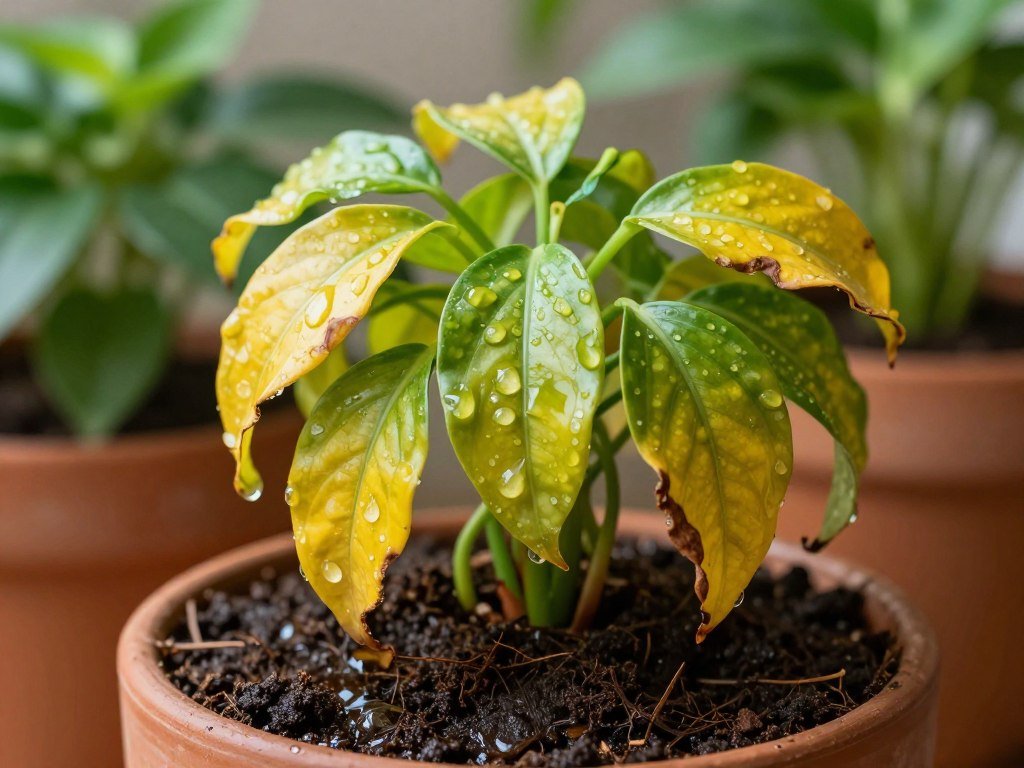
Both overwatering and underwatering can have detrimental effects on plants. Overwatering is particularly common and can lead to root rot and yellowing leaves, while underwatering can cause stress and slow down growth.
Signs of Overwatering
Identifying the signs of overwatering is crucial to taking corrective action. Some common indicators include:
- Yellowing leaves that drop prematurely
- Soft, mushy stems
- Water pooling around the base of the plant
Signs of Underwatering
On the other hand, underwatering can also have negative consequences. Signs that your plant is not getting enough water include:
- Dry, crispy leaves
- Slow growth or wilting
- A dry, cracked soil surface
Best Practices for Watering
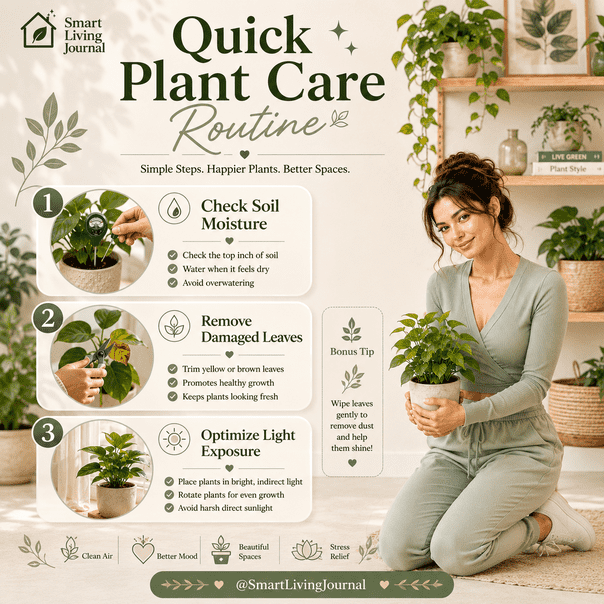
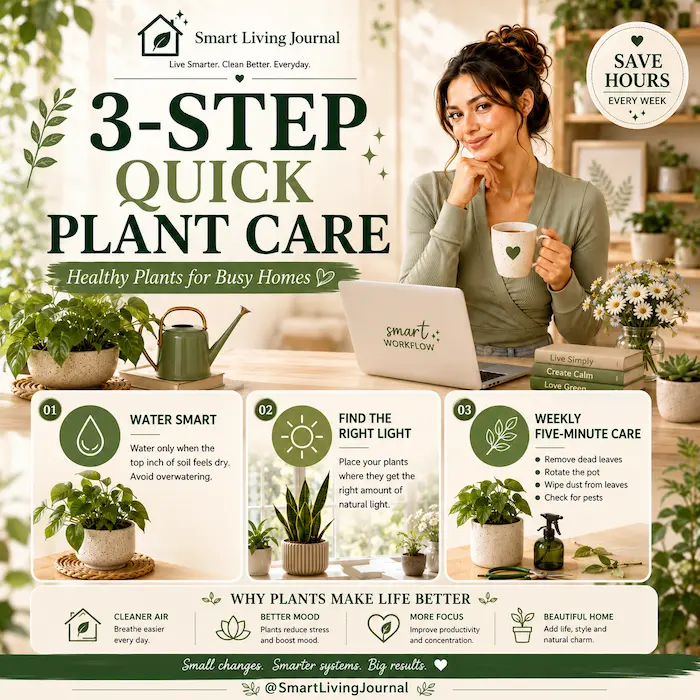
To avoid watering issues, it’s essential to adopt best practices. This includes checking the soil moisture by inserting a finger into the soil, using pots with good drainage holes, and watering plants in the morning to minimize evaporation.
Watering your plants in accordance with their specific needs is key to their survival and prosperity. By being mindful of the signs of both overwatering and underwatering, you can adjust your watering routine to meet the unique requirements of each plant.
Diagnosing Leaf Discoloration
Diagnosing leaf discoloration is crucial for maintaining the health and vitality of your plants. Leaf discoloration can be a sign of various underlying issues, ranging from environmental factors to pest infestations or diseases.
When leaves change color, it’s often a signal that something is amiss. The type of discoloration can provide valuable clues about the cause. For instance, yellowing leaves might indicate overwatering or nutrient deficiencies, while browning leaf tips could be a sign of underwatering or exposure to extreme temperatures.
Causes of Yellowing Leaves
Yellowing leaves can result from several factors, including overwatering, low light, low humidity, and poor drainage. If you notice your plant’s foliage turning yellow, try adjusting your watering schedule or improving the drainage around the roots.
Other potential causes of yellowing leaves include nutrient deficiencies, particularly a lack of nitrogen or iron. Adjusting your fertilization routine might help alleviate this issue.
| Cause | Symptoms | Solution |
|---|---|---|
| Overwatering | Yellowing leaves, soft stems | Reduce watering frequency |
| Low Light | Yellowing leaves, weak growth | Move to a brighter location |
| Nutrient Deficiency | Yellowing leaves, stunted growth | Fertilize with a balanced fertilizer |
Browning Leaf Tips
Browning leaf tips can be caused by underwatering, low humidity, or exposure to extreme temperatures. Checking the soil moisture and adjusting your watering schedule can help.
Increasing the humidity around your plant by misting it regularly or using a humidifier can also mitigate browning leaf tips.
Spots and Patches
Spots and patches on leaves can be indicative of fungal infections, bacterial diseases, or pest infestations. Inspecting your plant carefully for signs of pests or diseases is crucial.
Treating fungal infections with fungicides and removing affected leaves can help control the spread of disease.
By understanding the causes of leaf discoloration and taking corrective action, you can help restore your plant’s health and prevent further damage.
Addressing Growth Problems
Plants often face growth-related issues, and identifying the root cause is essential for effective troubleshooting. Growth problems can manifest in various ways, including stunted growth, leggy plants, or irregular growth patterns. Understanding these issues is crucial for gardeners to take corrective measures and ensure their plants thrive.
Stunted Growth Reasons
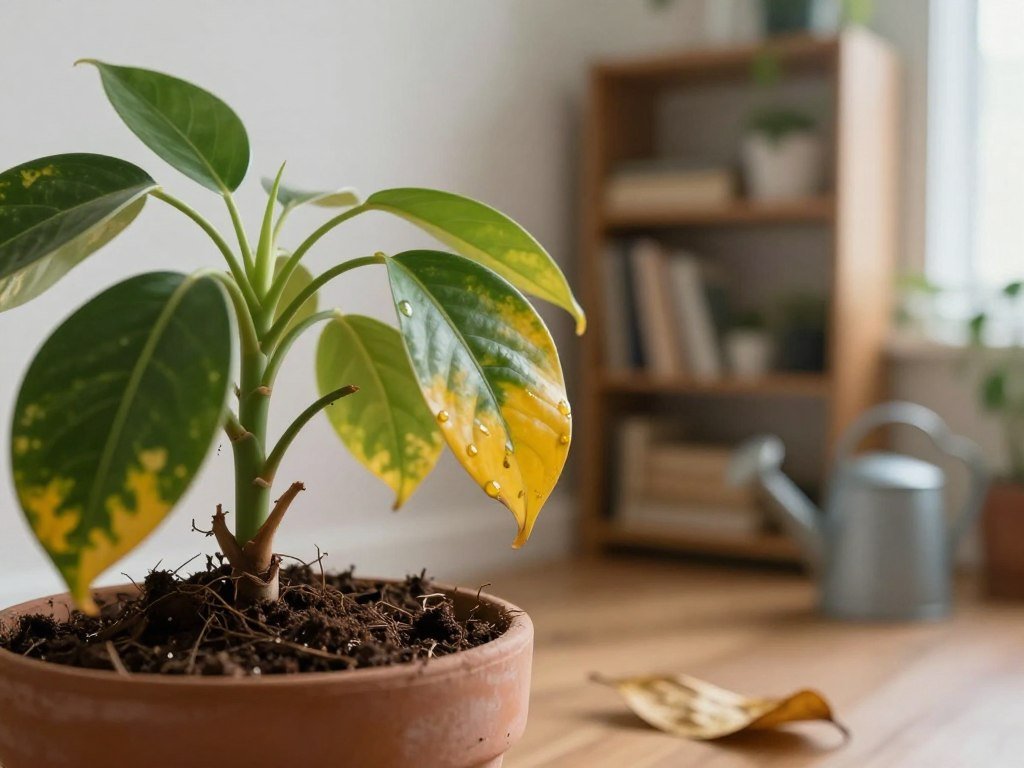
Stunted growth in plants can be caused by a variety of factors. Inadequate light and a damaged root system, often resulting from overwatering, are two of the most common reasons. Other factors may include nutrient deficiencies, poor soil quality, and exposure to extreme temperatures.
To address stunted growth, it’s essential to assess the plant’s environment and care routine. Adjusting lighting conditions, improving soil quality, and adopting a more balanced watering schedule can help mitigate this issue.
Leggy Plants
Leggy plants are characterized by their stretched-out and often weak stems. This condition is typically a result of insufficient light, causing the plant to stretch towards the nearest light source. Other contributing factors may include excessive fertilization and inadequate pruning.
To prevent or correct leggy growth, gardeners can adjust the plant’s lighting, either by moving it to a brighter location or supplementing with grow lights. Pruning the plant to encourage bushy growth and avoiding overfertilization can also be beneficial.
Growth Patterns to Monitor
Monitoring a plant’s growth pattern is vital for early detection of potential issues. Gardeners should look out for signs such as uneven growth, slow development, or abnormal leaf formation. Regular observation can help identify problems before they become severe.
By understanding and responding to these growth patterns, gardeners can take proactive steps to address issues, such as adjusting care practices or treating underlying conditions, thereby promoting healthier plant growth.
Finding Solutions for Common Issues
Addressing plant problems promptly is key to preventing further damage and promoting healthy growth. When your plant is struggling, it’s essential to identify the root cause of the issue and apply the appropriate solution.
Diagnosing the problem correctly is the first step towards nursing your plant back to health. This involves understanding the symptoms, whether it’s a disease, pest infestation, or environmental factor, and then selecting the most effective treatment.
Disease Treatment Options
If your plant is suffering from a disease, there are several treatment options available. Fungal infections, for instance, can often be treated with fungicides. It’s crucial to choose a product that is safe for your plant and the environment.
Treatment Strategies:
- Remove infected areas to prevent the disease from spreading.
- Improve air circulation around the plant.
- Apply fungicides or bactericides as needed.
Eco-friendly Pest Control Methods
Pest infestations can be just as damaging as diseases. Fortunately, there are several eco-friendly methods to control pests without harming your plant or the environment.
Eco-friendly Pest Control:
| Pest | Control Method | Benefits |
|---|---|---|
| Aphids | Neem oil spray | Safe for beneficial insects |
| Spider Mites | Insecticidal soap | Effective against a wide range of pests |
| Mealybugs | Horticultural oil | Smothering effect on pests |
Nutrient Boosting Strategies
Nutritional deficiencies can significantly impact plant health. Boosting your plant’s nutrient intake can help restore its vitality.
Nutrient Boosting Tips:
- Fertilize with a balanced fertilizer during the growing season.
- Use compost tea to provide micronutrients.
- Soil testing can help identify specific nutrient deficiencies.
Seasonal Plant Care Tips
Understanding the seasonal needs of your plants is crucial for their health and longevity. Different seasons bring varying conditions that can significantly impact your plants’ well-being. Adjusting your care routine according to the season can help mitigate potential issues and ensure your plants thrive.
Summer Care Essentials
During the summer, plants generally require more water due to the heat. However, it’s essential to avoid overwatering, which can be detrimental. Check the soil moisture regularly and adjust your watering schedule accordingly. Most plants also benefit from bright, indirect sunlight during the summer months, so consider relocating them to a spot that provides the right amount of light without causing scorching.
In addition to watering and light, fertilization is a critical aspect of summer care. Many plants are actively growing during this time and can benefit from a balanced fertilizer. However, be sure to follow the instructions on the fertilizer package to avoid overfertilizing, which can damage your plants.
Winter Protection Strategies
In the winter, many plants require less water and may need protection from cold temperatures. Reduce watering to match the plant’s slower growth rate, and consider moving plants to a brighter location if they are not receiving enough natural light. For plants that are sensitive to cold, protect them from drafts and consider using a humidifier to maintain a comfortable humidity level.
If you have plants that are exposed to the outdoors, consider bringing them indoors or providing some form of protection, such as a frost blanket, to shield them from harsh winter conditions.
Fall Preparations
As fall approaches, it’s a good idea to start preparing your plants for the changing weather. This may involve pruning back perennials and bringing outdoor plants indoors before the first frost. It’s also a good time to repot plants that have outgrown their containers and to adjust your fertilization schedule as the growth rate of many plants slows down.
Additionally, consider cleaning up debris around your plants to prevent the spread of disease and pests. This is also a good time to inspect your plants for any signs of trouble and address them before they become major issues.
When to Seek Professional Help
When plant problems persist despite your best efforts, it may be time to consider seeking professional help. Even with proper care, some issues can be too complex or challenging to resolve without expert guidance.
Signs You Need an Expert
There are several signs that indicate you need to consult a plant specialist. These include:
- Persistent or severe symptoms that don’t respond to your care adjustments.
- Unusual or unfamiliar pests or diseases.
- Plants that continue to decline despite proper watering, fertilization, and pruning.
Expert insight: “Sometimes, what appears to be a simple issue can be a symptom of a more complex problem. A professional can provide a more accurate diagnosis and treatment plan.” – Gardening Expert
How to Choose a Plant Specialist
Choosing the right plant specialist is crucial for getting the help you need. Consider the following factors:
| Criteria | Description |
|---|---|
| Experience | Look for specialists with experience in dealing with issues similar to yours. |
| Qualifications | Check for relevant certifications or degrees in horticulture or a related field. |
| Reviews and Referrals | Ask for referrals from friends, family, or online reviews to gauge their reputation. |
Costs Associated with Professional Help
The costs of seeking professional help can vary widely depending on the specialist’s qualifications, location, and the services required. Here are some general estimates:
- Consultation fees can range from $50 to $200 per visit.
- Diagnostic services may cost between $100 to $500.
- Treatment plans, including products and services, can vary significantly.
It’s essential to discuss costs upfront with your chosen specialist to understand what to expect.
Resources for Ongoing Plant Care
Continuing to care for your plants requires access to the right information and support. Even with expert advice, some plants may not survive due to various factors such as the cost of treatment or the risk of infection to other plants.
Recommended Reading Materials
For those looking to deepen their understanding of plant care, several books and guides are highly recommended. These resources cover a wide range of topics from basic plant maintenance tips to advanced techniques for troubleshooting common issues.
Online Support Networks
Online forums and communities are invaluable resources for plant enthusiasts. They provide a platform to share experiences, seek advice, and learn from others who may have faced similar challenges in their ongoing plant care journey.
Local Gardening Communities
Joining local gardening clubs and attending workshops can also be incredibly beneficial. These opportunities allow for hands-on learning and the chance to connect with experienced gardeners who can offer personalized guidance on plant maintenance and care.
FAQ
What exactly is plant troubleshooting, and how do I start a proper plant diagnosis?
What are the most common plant problems that indoor gardeners face?
How can I fix plant problems related to fungal or bacterial infections?
What are some effective troubleshooting techniques for identifying pest infestations?
Why are soil health and pH levels so important for plant problem solving?
What are the best plant maintenance tips for proper watering?
Why is my plant growing “leggy” and how can I fix it?
How should I adjust my plant maintenance tips during the winter months?
When is it time to seek professional help for my plant issues?
Where can I find reliable resources for ongoing plant troubleshooting and care?

SmartLivingJournal
Prabir Dutta is a passionate digital creator, affiliate marketer, and wellness enthusiast who simplifies complex topics like AI tools, Vastu, pet care, and modern living. With a keen eye for SEO, tech trends, and everyday health solutions, he writes to empower readers with actionable, smart-living insights. When not curating content across his network of niche blogs, Prabir enjoys exploring new digital tools that make life easier and more efficient.
Keep exploring Smart Living Journal
Discover more practical ideas on wellness, home living, plants, pets, routines, and smarter everyday upgrades.