

Imagine having a mind that’s as clear as a calm lake on a still morning. No jumbled thoughts, no mental fogginess, just clarity. Neuroscience shows that the thoughts we repeat every day shape the structure of our brain, influencing our mental clarity. By incorporating simple daily habits, you can rewire your mind for clarity, improving your focus, productivity, and overall well-being.
Our daily habits have a profound impact on our mental clarity. By making a few simple changes to our daily routine, we can improve our focus, reduce mental fatigue, and enhance our overall mental well-being. In this article, we’ll explore the daily habits that can help you achieve a clearer mind and a more fulfilling life.
The Science Behind Mental Clarity and Neuroplasticity
The human brain’s ability to adapt and change is rooted in neuroplasticity, a concept crucial for achieving mental clarity. Neuroplasticity refers to the brain’s capacity to reorganize itself by forming new neural connections throughout life. This adaptability is essential for learning and memory, and it plays a significant role in our ability to achieve mental clarity.
How Your Brain Forms New Neural Pathways
When you repeat a thought or action, you strengthen the neural pathways associated with that activity. “The more often you repeat a thought, the stronger those pathways become,” illustrating how our brains can rewire based on our habits and experiences. This process is fundamental to understanding how we can improve our cognitive function through targeted practices.
The Connection Between Daily Habits and Cognitive Function
Daily habits have a profound impact on our cognitive function. By incorporating specific routines into our daily lives, we can enhance our mental clarity and overall brain health. These habits can range from meditation and physical exercise to cognitive training exercises, all of which contribute to improved neural connectivity and function.
Why Consistency Matters in Brain Training
Consistency is key when it comes to brain training and achieving mental clarity. Regular practice of cognitive-enhancing habits helps to solidify new neural pathways, making it easier to maintain cognitive improvements over time. A consistent approach ensures that the brain continues to adapt and change in response to new experiences and learning.
| Aspect | Description | Benefit |
|---|---|---|
| Neuroplasticity | Brain’s ability to form new neural connections | Improved cognitive function |
| Daily Habits | Routines that impact cognitive health | Enhanced mental clarity |
| Consistency | Regular practice of cognitive-enhancing habits | Solidified new neural pathways |
Understanding How 7 Daily Brain Habits That Quietly Rewire Your Mind for Clarity
The journey to mental clarity begins with simple yet powerful daily habits that can rewire your brain over time. By incorporating these habits into your daily routine, you can significantly improve your cognitive function and overall mental well-being.
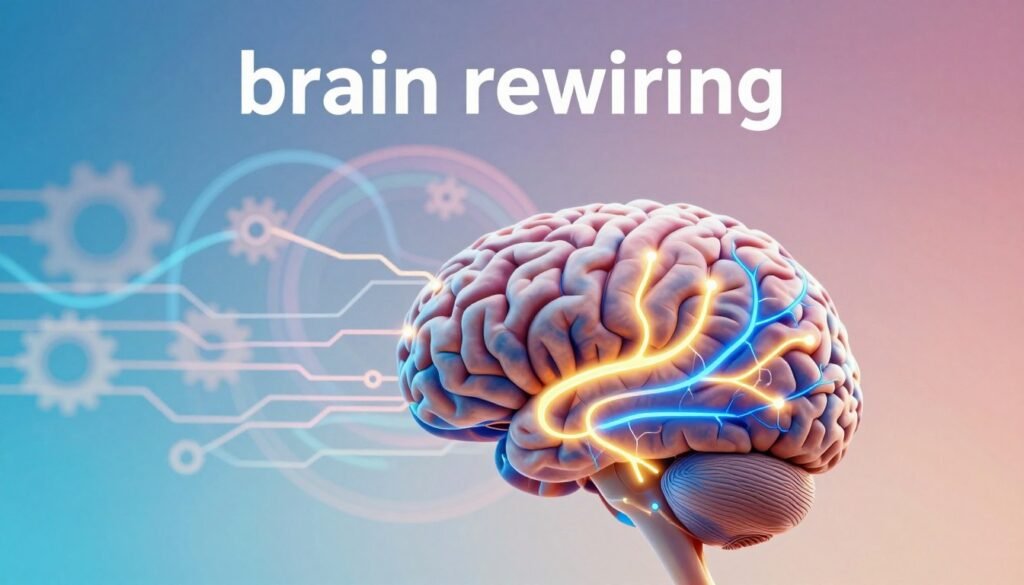
The Neuroscience of Habit Formation
Habit formation is a process that involves creating new neural pathways in the brain. Consistency is key when it comes to forming new habits. The more you practice a habit, the stronger the associated neural pathway becomes.
How Small Actions Lead to Significant Mental Transformation
Small daily actions can lead to significant mental transformation over time. As the data suggests, “Consistency transforms these simple practices into powerful mental armor.” This means that even minor changes to your daily routine can have a profound impact on your mental clarity.
- Developing new neural connections through consistent practice
- Enhancing cognitive function through daily habits
- Achieving mental clarity through focused daily practices
Setting Realistic Expectations for Cognitive Change
It’s essential to set realistic expectations when working towards cognitive change. Understand that mental transformation is a gradual process that requires patience and persistence. By setting achievable goals and tracking your progress, you can stay motivated and focused on your journey to mental clarity.
By understanding the neuroscience behind habit formation and the impact of small actions on mental transformation, you can harness the power of daily habits to rewire your brain for clarity.
Habit 1: Mindful Morning Meditation
Mindful morning meditation is a powerful habit that can transform your day by reducing stress and increasing productivity. As noted by mindfulness experts, “Brief, focused attention training strengthens your mind like weights strengthen muscles.” This practice not only enhances mental clarity but also sets a positive tone for the day ahead.
The Science Behind Meditation and Brain Structure
Meditation has been shown to positively impact brain structure, particularly in areas related to attention and emotional regulation. Regular practice can lead to increased gray matter in the brain, enhancing cognitive function and emotional resilience. As mindful morning meditation becomes a consistent habit, individuals may notice improvements in their ability to focus and manage stress.
A 5-Minute Morning Routine for Mental Clarity
To incorporate mindful morning meditation into your daily routine, start with a simple 5-minute practice:
- Find a quiet, comfortable space to sit or lie down.
- Close your eyes and focus on your breath, letting go of any thoughts or distractions.
- When your mind wanders, gently bring your attention back to your breath.
- After 5 minutes, slowly open your eyes, and take a moment to notice how you feel.
Tracking Your Progress and Overcoming Common Obstacles
To maintain consistency, it’s helpful to track your progress. You can use a meditation journal or an app to log your daily practice. Common obstacles include finding time and dealing with a restless mind. To overcome these, start small and be patient with yourself. As one mindfulness expert suggests, “The goal isn’t to achieve a specific state but to cultivate awareness of the present moment.”
By incorporating mindful morning meditation into your daily routine, you can enhance your mental clarity and set yourself up for a productive day. With consistent practice, you’ll be better equipped to handle challenges and stay focused on your goals.
Habit 2: Strategic Digital Detoxing
In today’s digital age, it’s easy to get caught up in the constant stream of information from our devices. However, this can lead to a state of continuous distraction, making it challenging to focus and think clearly. Strategic digital detoxing is a powerful habit that can help you regain control over your digital life and improve your mental clarity.
Understanding the Impact of Information Overload
Information overload can have a significant impact on our mental clarity. When we’re constantly bombarded with notifications, social media updates, and emails, it can be difficult to concentrate and make decisions. Research has shown that excessive screen time can lead to a decrease in cognitive function, including attention and memory.
To illustrate the effects of information overload, consider the following statistics:
| Category | Average Time Spent | Impact on Mental Clarity |
|---|---|---|
| Social Media | 2 hours 25 minutes/day | Decreased attention span |
| 1 hour 45 minutes/day | Increased stress levels | |
| Notifications | 50-100/day | Constant distraction |
Implementing Tech-Free Time Blocks
To start practicing strategic digital detoxing, begin by implementing tech-free time blocks in your day. This can be as simple as setting aside 30 minutes in the morning to meditate or read without your phone. You can also try implementing a “no phone zone” in your home, such as the dinner table or bedroom.
Here are some tips for implementing tech-free time blocks:
- Start small: Begin with 30-minute tech-free blocks and gradually increase the duration.
- Schedule it: Plan out your tech-free time blocks in your daily schedule.
- Find alternative activities: Engage in activities that bring you joy and help you relax, such as reading or taking a walk.

Measuring Improvements in Focus and Attention
To measure the effectiveness of your digital detoxing efforts, track your progress and monitor your focus and attention. You can use tools like website blockers or apps that track your screen time to monitor your progress.
Some key metrics to track include:
- Time spent on tasks without distraction
- Number of tasks completed without switching between apps
- Self-reported feelings of calm and focus
By incorporating strategic digital detoxing into your daily routine, you can improve your mental clarity, increase your focus, and enhance your overall well-being.
Habit 3: Active Learning Through Curiosity
Learning something new is not just about acquiring knowledge; it’s about transforming your brain. When you engage in active learning, you’re not just accumulating facts; you’re rewiring your neural pathways to improve cognitive function and enhance mental clarity.
The Neurological Benefits of Learning Something New
Active learning stimulates the brain’s reward system, releasing dopamine, a neurotransmitter associated with motivation and pleasure. This process strengthens the connection between neurons, improving cognitive flexibility and enhancing problem-solving skills. As you continue to challenge your brain, you build cognitive reserve, which can protect against age-related cognitive decline.
“When you believe mistakes help you grow (a ‘growth mindset’), your brain releases more dopamine — the motivation chemical — when you try again.”
Micro-Learning Techniques for Busy Schedules
Incorporating learning into a busy schedule can be challenging, but micro-learning techniques make it manageable. Micro-learning involves breaking down learning into short, focused intervals. This can be as simple as listening to a podcast during your daily commute or dedicating 10 minutes a day to learning a new language through an app.
- Listen to educational podcasts
- Use language learning apps
- Watch short educational videos
Building a Personal Knowledge System That Sticks
To make learning stick, it’s essential to build a personal knowledge system. This involves connecting new information to your existing knowledge base and applying what you’ve learned in practical ways. Spaced repetition is a powerful technique for reinforcing new knowledge, helping to solidify it in your long-term memory.
By incorporating active learning through curiosity into your daily routine, you can significantly enhance your cognitive abilities and improve mental clarity. This habit, combined with the previous habits, sets you on a path to achieving a sharper, more agile mind.
Habit 4: Physical Movement for Cognitive Enhancement
The connection between physical movement and cognitive enhancement is backed by a wealth of scientific evidence. Research has shown that regular physical activity improves brain health by enhancing blood flow, boosting neurotrophic factors, and supporting the growth of new neurons.
The Brain-Body Connection Explained
The brain and body are intricately linked, with physical movement playing a crucial role in cognitive function. Exercise has been shown to improve memory, enhance executive function, and even promote neuroplasticity. Regular physical activity can lead to increased cognitive flexibility and a reduced risk of cognitive decline.

Simple Movement Practices for Mental Clarity
Incorporating simple movement practices into your daily routine can have a significant impact on mental clarity. Some effective strategies include:
- Brisk walking or jogging
- Yoga or tai chi
- Dancing or other aerobic exercises
- Resistance training or weightlifting
These activities not only improve physical health but also contribute to enhanced cognitive function. Finding an enjoyable physical activity is key to maintaining a consistent routine.
Combining Movement with Mental Challenges for Maximum Benefit
To maximize cognitive benefits, it’s essential to combine physical movement with mental challenges. This can be achieved through activities that require coordination, strategy, or learning new skills. Examples include:
- Learning a new dance routine
- Participating in sports that require strategy, such as tennis or basketball
- Engaging in activities that challenge balance and coordination, like rock climbing
By integrating physical movement with cognitive challenges, individuals can experience significant improvements in cognitive function and overall brain health.
Habit 5: Intentional Deep Work Sessions
To achieve mental clarity, incorporating intentional deep work sessions into your daily routine is essential. Deep work, a term coined by Cal Newport, refers to the ability to focus without distraction on a cognitively demanding task. By doing so, you can significantly improve your productivity and cognitive performance.
Creating the Optimal Environment for Focused Thinking
To maximize the effectiveness of your deep work sessions, it’s crucial to create an environment that fosters focus. This involves minimizing distractions, such as turning off notifications on your devices and finding a quiet workspace. “A deep work session requires a commitment to a distraction-free environment,” as Newport emphasizes. By doing so, you can achieve a state of flow, which is characterized by heightened focus and concentration.
Some strategies to create an optimal environment include:
- Designating a specific workspace for deep work
- Using tools or apps that help you stay focused
- Establishing a consistent routine for deep work sessions
The 90-Minute Deep Work Protocol
Research suggests that the human brain can maintain focus for approximately 90 minutes before it needs a rest. This is based on the Ultradian Rhythm, which dictates our natural cycles of activity and rest. By aligning your deep work sessions with this rhythm, you can optimize your productivity.
To implement the 90-minute deep work protocol:
- Start with a 90-minute block of deep work
- Take a 10-15 minute break to relax and recharge
- Repeat the cycle, adjusting as needed to fit your schedule
Recovery Periods and Their Importance for Cognitive Performance
Recovery periods are crucial for maintaining cognitive performance during deep work sessions. By allowing your brain to rest, you’re enabling it to recover and come back stronger. As Newport notes, “The key to achieving productivity is not just about working harder, but also about resting well.”
During recovery periods, engage in activities that help you relax, such as taking a short walk or practicing deep breathing exercises. By balancing deep work with recovery, you can sustain your productivity over longer periods.
Habit 6: Mindful Eating for Brain Health
Mindful eating is not just about savoring your food; it’s about enhancing your brain’s clarity and function. The foods we eat have a profound impact on our mental health and cognitive abilities. By making informed dietary choices, we can significantly improve our brain health.

Brain-Nourishing Foods and Their Effects on Clarity
Certain foods are known to nourish the brain and enhance mental clarity. These include:
- Fatty Fish: Rich in omega-3 fatty acids, which support brain health.
- Nuts and Seeds: Packed with antioxidants and healthy fats.
- Leafy Greens: High in folate, which is crucial for cognitive function.
- Whole Grains: Provide sustained energy and fiber.
Incorporating these foods into your diet can lead to improved focus and mental clarity. It’s also important to limit the intake of ultra-processed foods, which are loaded with additives, sugar, and unhealthy fats that can cloud mental clarity.
The Connection Between Gut Health and Mental Clarity
The gut and the brain are closely linked through the gut-brain axis. A healthy gut microbiome is essential for optimal brain function. Foods that support gut health include:
- Probiotics: Found in yogurt and fermented foods, which help maintain a healthy gut microbiome.
- Prebiotics: Found in fiber-rich foods like asparagus and bananas, which feed beneficial gut bacteria.
By supporting gut health, we can enhance our mental clarity and overall brain health.
Simple Dietary Shifts for Immediate Cognitive Enhancement
Making simple changes to your diet can have an immediate impact on cognitive function. Consider the following dietary shifts:
- Replace processed snacks with nuts and fruits.
- Incorporate fatty fish into your meals at least twice a week.
- Increase your intake of leafy greens and whole grains.
By adopting these mindful eating habits, you can rewire your brain for improved mental clarity and overall well-being.
Habit 7: Reflective Evening Journaling
The practice of reflective evening journaling offers a simple yet effective way to boost mental clarity and overall brain health. By dedicating a few minutes each evening to reflect on your day, you can reorganize your thoughts and prepare your mind for the challenges ahead.
How Writing Reorganizes Neural Pathways
Writing down your thoughts and experiences can significantly impact your brain’s neural pathways. Reflective journaling helps in processing and consolidating memories, making it easier to recall important information and learn from your experiences. This practice can lead to improved cognitive function and enhanced mental clarity.
A 3-Question Framework for Evening Reflection
To make the most out of your reflective evening journaling, consider using a simple 3-question framework:
- What were the three most significant events of my day?
- How did I respond to challenges, and what could I have done differently?
- What am I grateful for, and why?
Answering these questions can help you gain insights into your daily experiences, identify patterns, and develop a more positive outlook.
Using Journaling to Release Mental Clutter and Improve Sleep
Journaling before bed can be an effective way to clear your mind of cluttered thoughts and emotions, making it easier to fall asleep. By putting your thoughts on paper, you can release the mental burden and create a sense of calm, leading to improved sleep quality and overall well-being.
By incorporating reflective evening journaling into your daily routine, you can experience the benefits of improved mental clarity, enhanced cognitive function, and better sleep quality. This simple habit can have a profound impact on your overall brain health and well-being.
Conclusion: Building Your Personalized Mental Clarity Routine
Developing a mental clarity routine is a personal journey that requires commitment and consistency. The seven daily brain habits discussed in this article provide a foundation for self-improvement, helping you cultivate the daily habits necessary for a clearer mind.
To build your personalized mental clarity routine, start by incorporating one or two habits that resonate with you. As you progress, you can gradually add more practices to your daily regimen. Consistency transforms these simple practices into powerful mental armor.
By integrating mindful morning meditation, strategic digital detoxing, active learning, physical movement, intentional deep work, mindful eating, and reflective evening journaling into your daily routine, you’ll be better equipped to handle life’s challenges with clarity and focus.
Your path to mental clarity is unique, and it’s essential to be patient and persistent. With time, you’ll notice significant improvements in your mental clarity, leading to a more fulfilling life.
FAQ
What are the 7 daily brain habits that can rewire my mind for clarity?
How do daily habits affect my brain’s neural pathways?
Can I really change my brain through daily habits?
How long does it take to see improvements in mental clarity?
Are these habits backed by scientific research?
How can I incorporate these habits into my busy schedule?
What if I struggle to maintain these habits consistently?
Can I customize these habits to fit my personal needs?
How do I measure the effectiveness of these habits?
🌐 Explore the Smart Digital Network
A connected ecosystem of innovative platforms — empowering your journey through Smart Living, AI Automation, Wellness, Reviews, and Digital Learning. Discover more from our network below 👇




Part of the Smart Digital Network © 2025 — Explore, Learn & Grow Smarter 💡

Prabir Dutta
Prabir Dutta is a passionate digital creator, affiliate marketer, and wellness enthusiast who simplifies complex topics like AI tools, Vastu, pet care, and modern living. With a keen eye for SEO, tech trends, and everyday health solutions, he writes to empower readers with actionable, smart-living insights. When not curating content across his network of niche blogs, Prabir enjoys exploring new digital tools that make life easier and more efficient.




 SuperFreeTools

 SmartAIEarn

 SmartWellnessBeauty


 TrendsOfReview