Bringing nature indoors transforms your living space into a vibrant sanctuary. Beyond their aesthetic appeal, indoor plants significantly improve your indoor air quality by filtering out common toxins.
However, maintaining a thriving garden often feels impossible when your schedule is packed. Many people struggle to balance professional demands with the needs of their greenery.
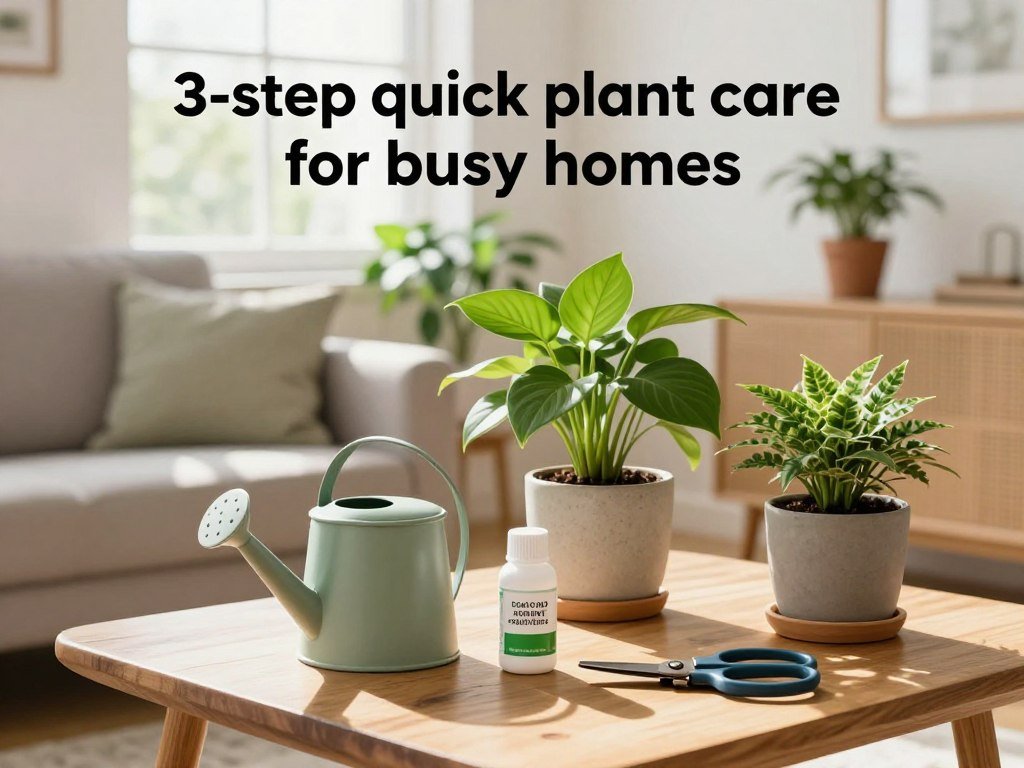
You do not need a green thumb to enjoy a lush environment. Our 3-step quick plant care for busy homes simplifies the process, ensuring your botanical friends stay healthy with minimal effort.
By focusing on essential habits, you can reclaim your time while enjoying the beauty of nature. Let’s explore how to keep your space flourishing without the stress.
Key Takeaways
- Indoor greenery enhances both home aesthetics and air quality.
- Time constraints often prevent people from maintaining healthy plants.
- A simplified routine removes the stress of daily maintenance.
- Consistency is more important than complex gardening techniques.
- Small, manageable steps lead to long-term plant success.
The Philosophy of Low-Maintenance Indoor Gardening
Low-maintenance indoor gardening is a philosophy that combines the joy of nurturing plants with the practicality of modern living. It’s about embracing a lifestyle that values simplicity, resilience, and the therapeutic benefits of being around plants.
At its heart, this approach to gardening is not just about the plants themselves, but about how they can thrive in harmony with our busy lives. By choosing the right plants and understanding their needs, individuals can enjoy the numerous benefits of indoor gardening without it becoming a chore. This includes easy plant care tips that simplify maintenance, allowing plants to flourish even when neglected from time to time.
Indoor plants have been shown to have a positive impact on mental health and well-being, providing a sense of calm and connection to nature. By adopting low-maintenance indoor gardening practices, individuals can create a peaceful oasis in their homes. This not only enhances the aesthetic appeal of their living spaces but also contributes to a healthier lifestyle.
Moreover, the philosophy of low-maintenance indoor gardening encourages a mindset shift towards appreciating the simple joys of nurturing life. It’s about finding joy in the simple act of caring for plants and watching them thrive with minimal intervention. This approach makes indoor plant maintenance a rewarding experience, even for those with the busiest of schedules.
By integrating plants into our daily lives, we can create a more sustainable and balanced living environment. This philosophy is not just about gardening; it’s about cultivating a deeper connection with nature and ourselves.
Step One: Assessing Light and Environment for Success
A simple yet effective way to ensure your plants thrive is by assessing the light patterns in your home. Understanding the natural light available and how it affects your plants is crucial for their survival and success.
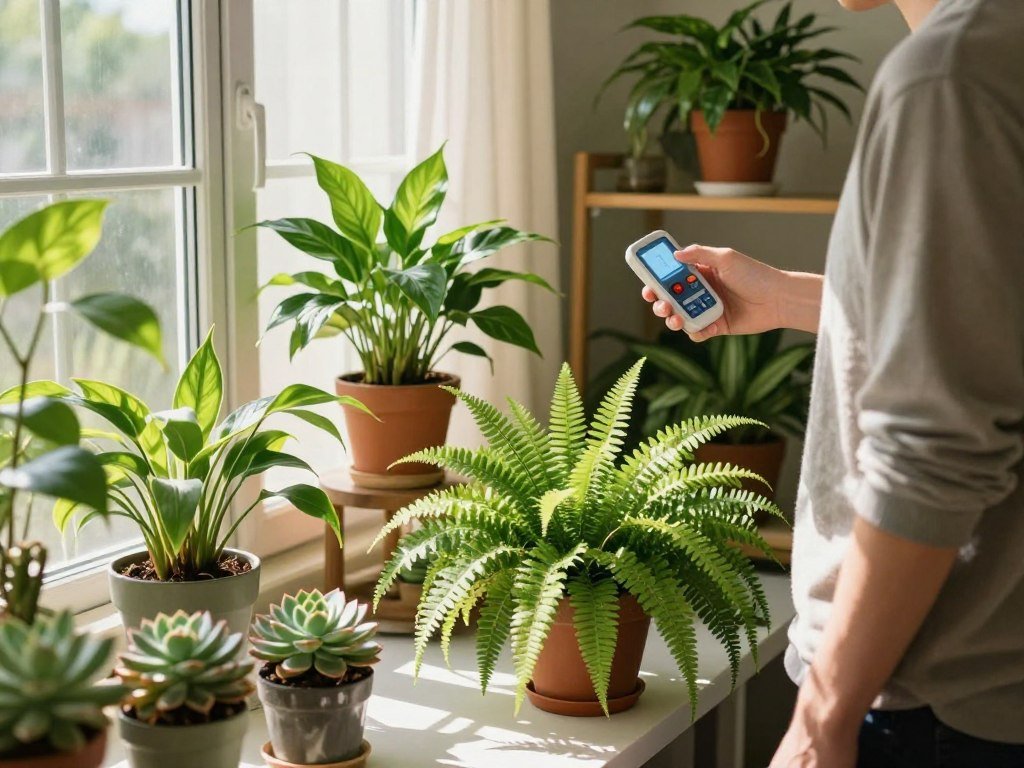
Identifying Natural Light Patterns in Your Home
Different rooms in your home receive different amounts of natural light. South-facing windows receive the most light, making them ideal for plants that require a lot of sunlight, such as succulents and cacti. On the other hand, north-facing windows receive the least amount of light, making them suitable for low-light plants like the Snake Plant or ZZ Plant.
To identify the light patterns in your home, observe the rooms at different times of the day. Note how the light changes and which areas receive direct sunlight versus indirect light. This observation will help you choose the right spot for your plants.
Choosing the Right Spot for Your Green Companions
Once you’ve identified the light patterns in your home, it’s time to choose the right spot for your plants. Consider the specific light requirements of each plant. For example, if you have a plant that requires bright, indirect light, a spot near an east- or west-facing window would be ideal.
By carefully selecting the right spot for your plants based on their light requirements, you’ll be taking a significant step towards creating a fast plant care routine that works for you and your busy lifestyle. This simple step is part of a broader simple plant care guide that will help your plants thrive with minimal effort.
Step Two: Mastering the Art of Efficient Watering
Mastering the art of watering is crucial for busy plant parents. Efficient watering is not just about the frequency, but also about understanding the needs of your plants and responding accordingly.
The Finger Test Method for Soil Moisture
One simple yet effective method to check soil moisture is the “finger test.” By inserting your finger into the soil up to the first knuckle, you can gauge the moisture level. If the soil feels dry, it’s time to water. If it’s already moist, you can wait a bit longer. This method is particularly useful for low-maintenance plants that are sensitive to overwatering.
Understanding Drainage and Preventing Root Rot
Proper drainage is essential to prevent waterlogged soil, which can lead to root rot. Make sure your pots have adequate drainage holes to allow excess water to escape. You can also use a well-draining potting mix to improve soil structure. Preventing root rot is crucial for the long-term health of your plants, as it can be fatal if left unchecked.
To further enhance drainage, consider repotting your plants periodically to refresh the potting mix and inspect the roots for any signs of rot. By combining the finger test with good drainage practices, you can significantly reduce the risk of overwatering and keep your plants thriving.
Step Three: Streamlining Maintenance and Feeding
To keep your plants thriving with minimal effort, it’s crucial to simplify maintenance and feeding. By implementing a few straightforward strategies, you can enjoy a lush indoor garden without dedicating hours to plant care.
Choosing Slow-Release Fertilizers for Busy Schedules
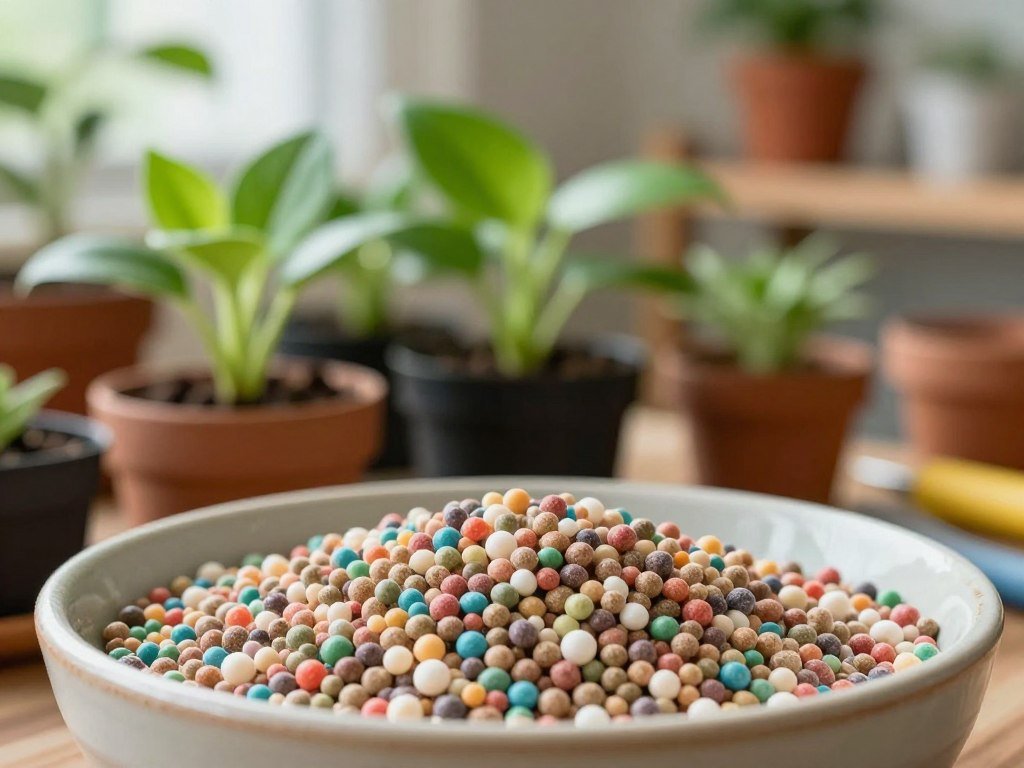
One of the quick plant care tricks is using slow-release fertilizers. These fertilizers provide nutrients to your plants over an extended period, reducing the frequency of fertilization. This is particularly beneficial for busy homeowners who may forget to fertilize their plants regularly.
Some popular slow-release fertilizers include:
- Osmocote: Known for its long-lasting formula that can feed plants for up to 4 months.
- Miracle-Gro Shake ‘n Feed: A convenient, slow-release fertilizer that promotes healthy plant growth.
By choosing the right slow-release fertilizer, you can ensure your plants receive the necessary nutrients without the hassle of frequent fertilization.
Dusting Leaves to Improve Photosynthesis
Dusting leaves is another crucial aspect of plant care that is often overlooked. Dust accumulation on leaves can significantly reduce photosynthesis, affecting plant health and growth. Regularly dusting your plants’ leaves can improve their ability to absorb sunlight and thrive.
To dust leaves effectively:
- Gently wipe leaves with a damp cloth to remove dust and dirt.
- Use a soft-bristled brush for plants with delicate leaves.
- Avoid using chemical cleaners, as they can damage the leaves.
By incorporating these simple tasks into your plant care routine, you can keep your plants healthy and vibrant with minimal effort.
Essential Tools for the Time-Strapped Plant Parent
For busy plant parents, having the right tools can make all the difference in maintaining a healthy and thriving indoor garden. Simplifying 3-step quick plant care for busy homes is achievable with the right gadgets and a bit of know-how.
One of the biggest challenges for busy homeowners is ensuring their plants receive the right amount of water. This is where innovative tools come into play, making it easier to provide easy plant care tips that fit into a hectic lifestyle.
Self-Watering Globes and Spikes
Self-watering globes and spikes are designed to deliver water directly to the roots of the plants as needed. These tools are especially useful for plants that prefer consistent moisture levels. By using self-watering globes, you can reduce the frequency of watering and minimize the risk of overwatering.
These devices are simple to use: just fill the globe or spike with water and insert it into the soil near the plant’s roots. As the soil dries out, the water is released, providing a steady supply of moisture. This not only helps in maintaining healthy plants but also gives busy plant parents peace of mind when they’re away from home.
Moisture Meters for Accurate Readings
Another valuable tool for indoor gardeners is a moisture meter. These devices measure the moisture levels in the soil, providing an accurate indication of when plants need watering. Moisture meters eliminate guesswork, ensuring that your plants receive the right amount of water.
Using a moisture meter is straightforward: simply insert the probe into the soil, and the device will give you a reading. This helps prevent both underwatering and overwatering, common issues that can lead to plant stress or root rot. By having this information at your fingertips, you can tailor your watering schedule to the specific needs of each plant.
By incorporating these essential tools into your plant care routine, you can enjoy the benefits of indoor gardening without the hassle. Whether you’re a seasoned gardener or just starting out, self-watering globes and moisture meters are valuable additions to your gardening toolkit.
Selecting Resilient Plants for Busy Lifestyles
Selecting plants that can withstand neglect is key for busy homeowners who want to enjoy the benefits of indoor gardening. The right plants not only beautify your space but also improve air quality and contribute to a healthier living environment. For busy individuals, the focus should be on plants known for their hardiness and low-maintenance requirements.
When it comes to indoor plant maintenance, some plants stand out for their ability to thrive under less-than-ideal conditions. These resilient plants are perfect for those who want a fast plant care routine that doesn’t compromise on the aesthetic and health benefits of having plants indoors.
Snake Plants and ZZ Plants for Low Light
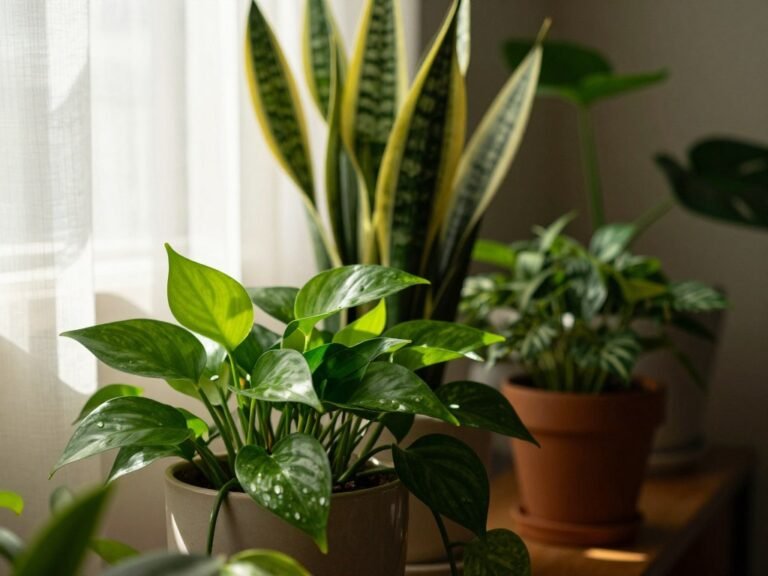
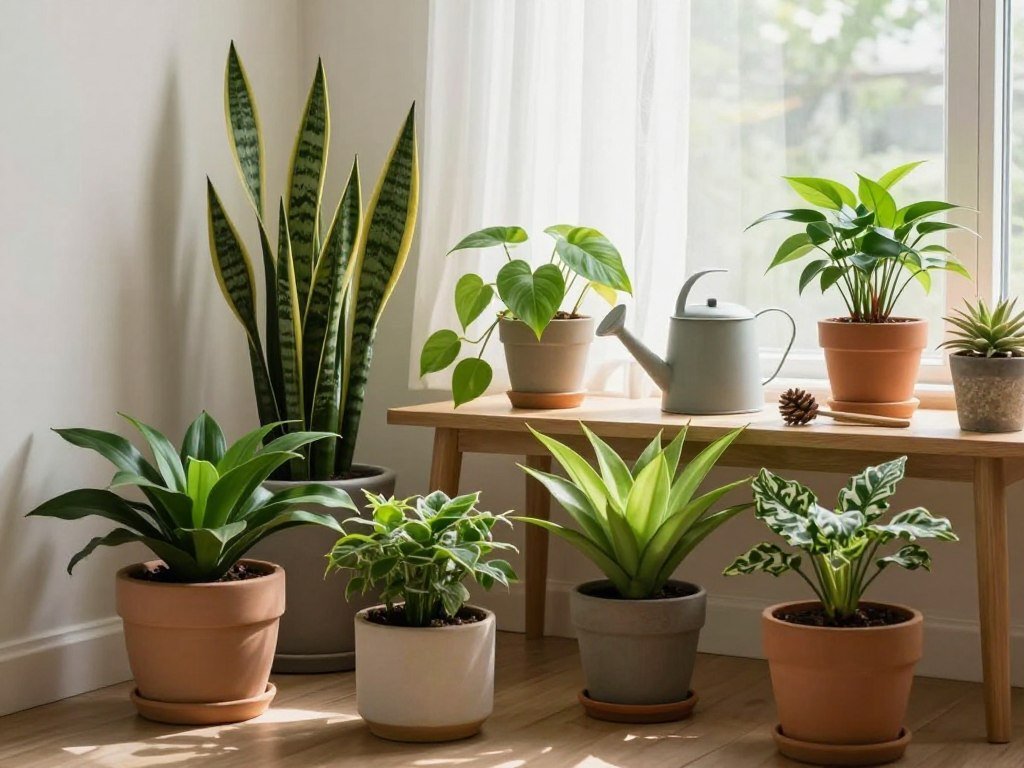
For areas with limited natural light, Snake Plants and ZZ Plants are excellent choices. Snake Plants are known for their sword-shaped leaves and ability to purify the air, while ZZ Plants are virtually maintenance-free, requiring watering only once a week in the summer and once a month in the winter. Both plants are forgiving if you forget to water them from time to time, making them ideal for busy lifestyles.
Succulents and Cacti for Sunny Windowsills
If you have a sunny windowsill, Succulents and Cacti are perfect for adding some greenery to your home. These plants are designed to store water in their leaves, stems, or roots, making them highly drought-tolerant. They require minimal watering and can thrive in bright light conditions, making them a great choice for busy homeowners who want to enjoy a fast plant care routine.
By choosing the right plants for your indoor space, you can enjoy the benefits of gardening even with a busy schedule. Whether you opt for low-light plants like Snake Plants and ZZ Plants or sunny windowsill dwellers like Succulents and Cacti, there’s a resilient plant out there for everyone.
Troubleshooting Common Issues Without Spending Hours
Even with the best care, plants can sometimes develop problems, but identifying the issue is the first step to resolving it. As a busy plant parent, it’s essential to know how to troubleshoot common issues quickly.
One of the most significant challenges is dealing with unwanted pests. Pests can cause significant damage to your plants if left unchecked. To keep your plants healthy, it’s crucial to identify pests early.
Identifying Pests Early to Prevent Infestations
Regularly inspecting your plants is key to catching pest issues before they become severe. Look out for signs such as:
- White, cottony patches on leaves or stems
- Small, moving dots on the underside of leaves
- Sticky substance on leaves or surfaces around the plant
Early detection is crucial because it allows you to take action before the infestation spreads. Use organic pest control methods whenever possible to minimize harm to your plants and the environment.
Recognizing Signs of Overwatering Versus Underwatering
Another common issue is incorrect watering. Both overwatering and underwatering can be detrimental to your plants. To avoid this, check the soil moisture by using the finger test method: stick your finger into the soil up to the first knuckle. If the soil feels dry, it’s time to water. If it’s already moist, wait another day or two before watering again.
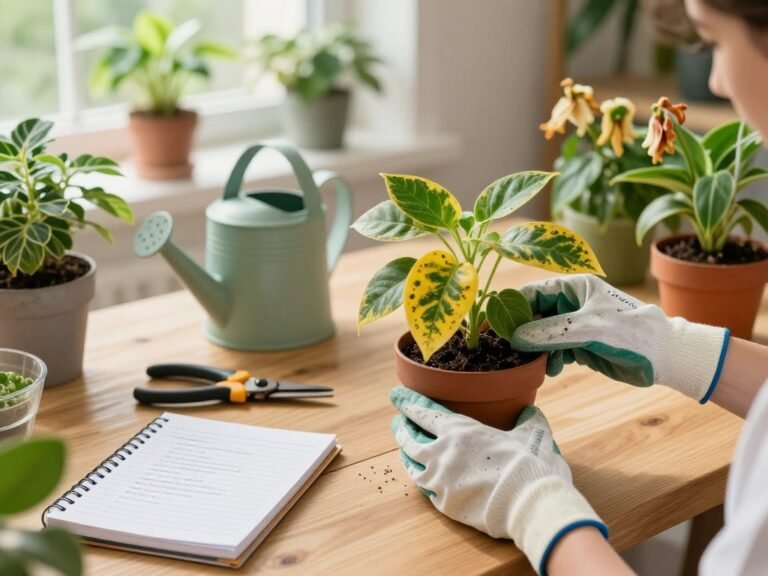
Signs of overwatering include yellowing leaves, soft stems, and root rot. On the other hand, underwatering can cause leaves to become crispy and wilted. Adjust your watering schedule accordingly to keep your plants happy and healthy.
By following these simple troubleshooting tips, you can keep your plants thriving even with a busy schedule. Remember, a simple plant care guide is all you need to get started.
Creating a Sustainable Plant Care Routine
Sustainable plant care is not just about watering and fertilizing; it’s about creating a routine that works for you and your plants. By integrating plant care into your existing schedule and leveraging technology, you can maintain a thriving indoor garden even with a busy lifestyle.
Integrating Plant Care into Your Weekly Chores
One of the most effective ways to ensure your plants receive the care they need is to incorporate plant care into your weekly chores. This can be as simple as adding plant watering to your list of tasks on the same day you water your flowers or clean your house. By doing so, you create a habit that becomes second nature over time.
Here are some quick plant care tricks to integrate into your routine:
- Check soil moisture during your weekly cleaning routine.
- Fertilize your plants when you’re doing laundry or dishes, making it a part of your household chores.
- Prune or repot plants during your weekly gardening session.
Setting Reminders Using Smartphone Apps
In today’s digital age, there are numerous smartphone apps designed to help you stay on top of your plant care tasks. These apps can send you reminders to water, fertilize, or prune your plants, ensuring you never miss a critical care step.
Popular Plant Care Apps:
- Happy Plant
- Waterbot
- Plant Diary
By utilizing these apps, you can maintain a consistent low maintenance plant care routine that fits seamlessly into your busy schedule.
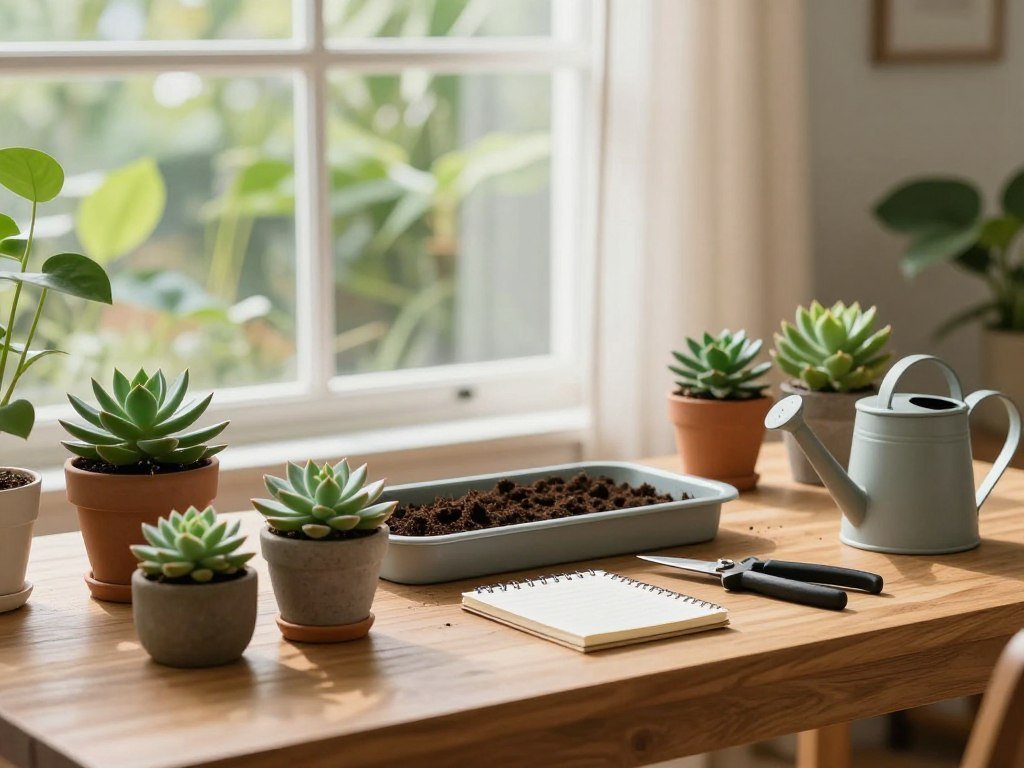
Creating a sustainable plant care routine is about finding a balance between your lifestyle and the needs of your plants. With a little planning and the right tools, you can enjoy the benefits of indoor gardening without it becoming a chore.
3-Step Quick Plant Care for Busy Homes in Practice
Implementing the 3-step quick plant care routine can transform your indoor garden into a thriving oasis, even with a busy schedule. This practical approach to indoor plant maintenance ensures that your green companions receive the care they need without demanding too much of your time.
As you put this routine into practice, you’ll find that it’s not just about maintaining your plants, but also about creating a sustainable and enjoyable gardening experience. The key is to be consistent and adapt the routine as needed to suit your lifestyle and the changing needs of your plants.
Adapting the Routine for Seasonal Changes
One of the most significant factors affecting indoor plant care is the change of seasons. As the weather outside changes, so do the conditions inside your home. Adjusting your plant care routine seasonally is crucial for maintaining the health and vitality of your plants.
For instance, during the summer months, your plants may require more frequent watering due to the increased temperatures and dry air. Conversely, in the winter, they may need less water as the air is typically drier and cooler.
| Season | Watering Frequency | Fertilization |
|---|---|---|
| Spring | Increase watering as plants start to grow more actively | Begin fertilizing with a balanced fertilizer |
| Summer | Water more frequently due to higher temperatures | Continue fertilizing, possibly increasing frequency for some plants |
| Autumn | Reduce watering as growth slows down | Reduce fertilization |
| Winter | Water less frequently due to cooler temperatures and reduced growth | Stop fertilizing most plants |
“The key to successful indoor gardening is not just about following a routine, but also about observing and responding to the changing needs of your plants.”
Scaling Your Collection Without Increasing Workload
As you become more confident in your plant care abilities, you may find yourself wanting to expand your indoor garden. The good news is that you can scale your collection without significantly increasing your workload by choosing plants that are similarly low-maintenance and by implementing efficient care strategies.
Selecting plants with similar needs is a practical way to manage a larger collection. For example, grouping plants by their watering needs can simplify your care routine.
- Choose low-maintenance plants that fit your lifestyle.
- Group plants by their care requirements.
- Utilize efficient watering systems.
By following these strategies and adapting your routine to the changing seasons, you can enjoy a lush and thriving indoor garden without it becoming a burden.
Conclusion
By following the 3-step quick plant care routine outlined in this article, busy homeowners can enjoy a thriving indoor garden without dedicating hours to maintenance. With easy plant care tips, such as assessing light and environment, mastering efficient watering, and streamlining maintenance and feeding, anyone can become a successful plant parent.
A fast plant care routine is not only achievable but also enjoyable. By incorporating essential tools like self-watering globes and moisture meters, and selecting resilient plants like snake plants and succulents, you can create a sustainable plant care routine that fits into your busy lifestyle.
As you start your plant care journey, remember that it’s about creating a harmonious balance between your plants’ needs and your lifestyle. With these simple and effective tips, you’ll be well on your way to enjoying the many benefits of indoor gardening, from improved air quality to reduced stress.
FAQ
What are the best 3-step quick plant care for busy homes techniques?
Are there any specific easy plant care tips for people who travel?
How can I speed up indoor plant maintenance for multiple plants?
What is the most important part of a fast plant care routine?
Is there a simple plant care guide for identifying if my plant is dying?
Which plants are recommended for plant care for busy individuals?
Do quick plant care tricks like dusting really help?
Can apps help with a fast plant care routine?

Prabir Dutta
Prabir Dutta is a passionate digital creator, affiliate marketer, and wellness enthusiast who simplifies complex topics like AI tools, Vastu, pet care, and modern living. With a keen eye for SEO, tech trends, and everyday health solutions, he writes to empower readers with actionable, smart-living insights. When not curating content across his network of niche blogs, Prabir enjoys exploring new digital tools that make life easier and more efficient.
Keep exploring Smart Living Journal
Discover more practical ideas on wellness, home living, plants, pets, routines, and smarter everyday upgrades.