
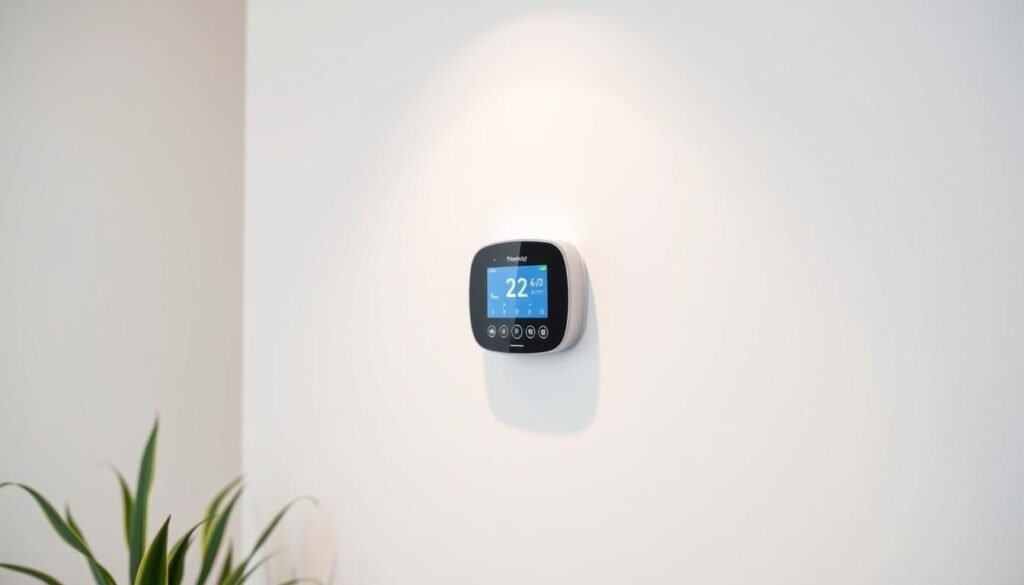
Did you know that the average American household spends around $1,400 per year on energy bills? With the rising costs of electricity and gas, it’s no wonder many are turning to smart home devices to help reduce their expenses. One of the most effective ways to save is by installing smart thermostats, which can learn your schedule and preferences to optimize heating and cooling.
By integrating technology into your daily life, you can make a significant impact on your energy consumption. Various smart home devices are designed to make your life more convenient while saving you money.
Key Takeaways
- Smart thermostats can significantly reduce energy bills.
- Various smart devices can make your life more convenient.
- Energy consumption can be optimized with the right technology.
- Smart home devices can learn your schedule and preferences.
- Reducing energy expenses is achievable with smart devices.
The Rising Cost of Energy and Smart Home Solutions
With energy prices on the rise, smart home technology is emerging as a viable solution to mitigate these costs. The US Energy Information Administration reports that over half of a typical US household’s energy consumption is used for space heating and air conditioning. This significant energy usage not only impacts the environment but also results in substantial expenses for homeowners.
Smart home devices, including energy-efficient appliances and LED light bulbs, offer a promising solution to reduce energy consumption. By integrating these technologies into their homes, consumers can significantly lower their energy bills. For instance, replacing traditional incandescent bulbs with LED bulbs can reduce lighting energy consumption by up to 80%.
Moreover, the adoption of smart home technology is not just about saving money; it’s also about enhancing the comfort and convenience of living spaces. Smart thermostats, for example, can learn a household’s schedule and preferences to optimize heating and cooling, thereby reducing unnecessary energy usage.
The potential savings from smart home devices are substantial. According to various studies, homeowners can save between 10% to 30% on their energy bills by implementing smart home energy solutions. This not only benefits the homeowner financially but also contributes to a more sustainable future by reducing overall energy consumption.
How Smart Home Technology Reduces Energy Consumption
By integrating smart devices into our homes, we can significantly lower our energy consumption without sacrificing comfort. Smart home technology can learn your habits and adjust energy consumption accordingly, making it an effective solution for reducing energy waste.
One of the key ways smart home technology achieves this is through the use of smart power strips and programmable timers. These devices allow homeowners to control and monitor the energy usage of their appliances and lighting systems remotely, ensuring that devices are turned off when not in use.
For instance, smart power strips can detect when a device is in standby mode and cut off power to it, eliminating standby power consumption. Programmable timers enable homeowners to schedule their energy usage, taking advantage of off-peak energy rates and reducing overall energy costs.
The impact of smart home technology on energy consumption can be significant. According to various studies, homeowners can save up to 30% on their energy bills by implementing smart home devices.
| Device | Average Energy Savings | Payback Period |
|---|---|---|
| Smart Thermostats | 10-15% | 2-3 years |
| Smart Lighting Systems | 5-10% | 1-2 years |
| Smart Power Strips | 5-10% | 1 year |
In conclusion, smart home technology offers a range of solutions to reduce energy consumption, from smart thermostats to smart power strips. By leveraging these devices, homeowners can not only lower their energy bills but also contribute to a more sustainable future.
10 Smart Home Devices That Actually Save You Money on Energy Bills
Smart home technology has revolutionized the way we manage energy consumption, offering a range of devices that can significantly lower energy bills. By integrating devices such as smart thermostats, smart lighting systems, and occupancy sensors, homeowners can create an energy-efficient home.
Overview of Our Selection Criteria
Our selection of the top 10 smart home devices is based on their ability to reduce energy consumption, ease of use, and compatibility with various smart home systems. We considered devices that not only save energy but also provide convenience and can be integrated with other smart devices.
The devices were chosen based on their:
- Efficacy in reducing energy consumption
- User reviews and ratings
- Compatibility with popular smart home platforms
- Innovative features that enhance their functionality
Potential Savings Breakdown
The potential savings from these smart home devices can vary widely depending on factors such as usage patterns, the size of the home, and the local energy costs. However, here is a general breakdown of the potential savings:
| Device | Average Annual Savings | Payback Period |
|---|---|---|
| Smart Thermostats | $150-$300 | 1-2 years |
| Smart Lighting Systems | $50-$100 | 1-3 years |
| Occupancy Sensors | $30-$70 | Less than 1 year |
| Solar Panels | $500-$1,000 | 5-7 years |
By investing in these smart home devices, homeowners can not only reduce their energy bills but also contribute to a more sustainable future. The initial investment in these devices can be recouped over time through the savings on energy costs, making them a worthwhile investment for many homeowners.
1. Smart Thermostats
One of the most effective ways to save on energy bills is by installing smart thermostats. These devices can learn your temperature preferences and adjust accordingly, ensuring your home remains comfortable while minimizing energy waste.
Smart thermostats like the Nest Learning Thermostat and Ecobee SmartThermostat are among the top choices for homeowners looking to optimize their heating and cooling systems.
Nest Learning Thermostat
The Nest Learning Thermostat is a popular choice among homeowners. It learns your schedule and temperature preferences over time, automatically adjusting to save energy when you’re not home or when you’re sleeping. This thermostat can also be controlled remotely through a smartphone app, providing convenience and additional energy savings.
Ecobee SmartThermostat
The Ecobee SmartThermostat offers advanced features like remote sensors that detect temperature and occupancy in different rooms, ensuring that your home is heated or cooled efficiently. These sensors help in optimizing the temperature in the most occupied areas of your home, potentially leading to significant energy savings.
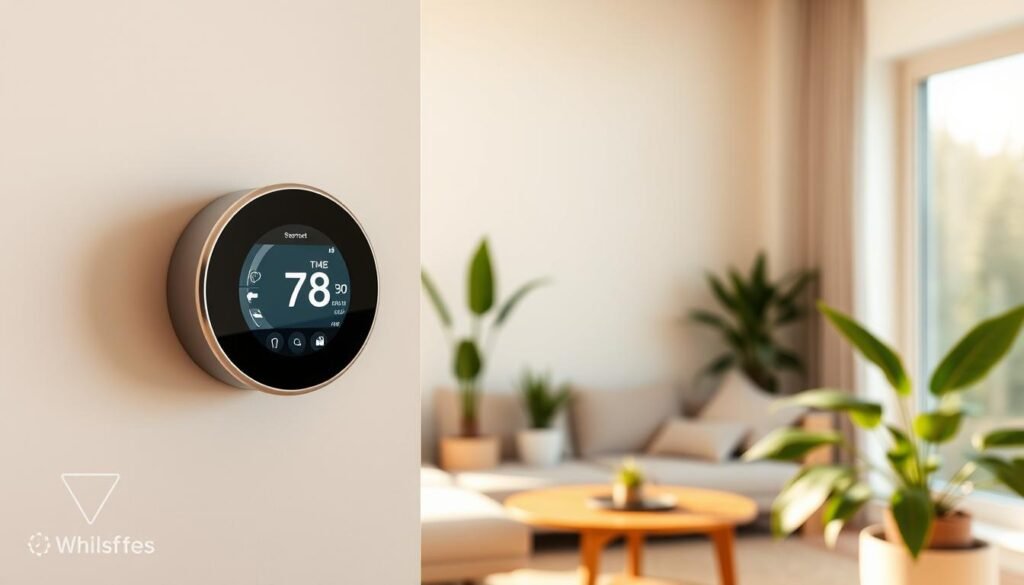
Both of these smart thermostats integrate well with other smart home devices, enhancing their ability to optimize energy consumption. By choosing a smart thermostat that fits your needs, you can take a significant step towards reducing your energy bills and contributing to a more sustainable future.
2. Smart Lighting Systems
Smart lighting systems, such as Philips Hue and LIFX, are at the forefront of home automation, providing both style and energy savings. These systems allow homeowners to control their lighting remotely and adjust settings based on occupancy, thereby reducing unnecessary energy consumption.
Key Benefits of Smart Lighting Systems:
- Energy efficiency through automated lighting control
- Enhanced convenience with remote access
- Customizable lighting scenes for different moods and activities
Philips Hue Smart Bulbs
Philips Hue smart bulbs are a popular choice among homeowners due to their wide range of features and compatibility with various smart home systems. With Philips Hue, you can:
- Schedule your lights to turn on/off automatically
- Adjust brightness and color to suit your mood
- Control your lights remotely using the Philips Hue app
LIFX Smart Lights
LIFX smart lights offer a similar set of features, with a focus on ease of use and vibrant color options. LIFX lights are known for their:
- Bright and vivid color display
- Easy integration with popular smart home platforms
- Energy-efficient LED technology
3. Smart Plugs and Power Strips
One of the simplest ways to make your home smarter is by using smart plugs and power strips. These devices allow you to control and monitor the energy usage of your appliances, helping you save energy and reduce your utility bills.
Smart plugs and power strips are designed to be easy to use and install. They typically connect to your Wi-Fi network, allowing you to control them remotely through a smartphone app. This means you can turn off devices that are not in use, even when you’re not at home.
TP-Link Kasa Smart Plug
The TP-Link Kasa Smart Plug is a popular choice among homeowners. It allows you to control your devices remotely and schedule their operation. With features like energy monitoring, you can track how much energy your devices are using.
Key Features:
- Remote control through the Kasa app
- Energy monitoring
- Scheduling capabilities
- Compatibility with Amazon Alexa and Google Assistant
Belkin WeMo Smart Power Strip
The Belkin WeMo Smart Power Strip offers a convenient way to control multiple devices at once. With six outlets, you can plug in several devices and control them individually or as a group.
Key Features:
- Control up to six devices
- Remote access through the WeMo app
- Compatibility with Amazon Alexa and Google Assistant
- Energy monitoring for individual outlets
Here’s a comparison of the TP-Link Kasa Smart Plug and the Belkin WeMo Smart Power Strip:
| Feature | TP-Link Kasa Smart Plug | Belkin WeMo Smart Power Strip |
|---|---|---|
| Number of Outlets | 1 | 6 |
| Energy Monitoring | Yes | Yes (individual outlets) |
| Remote Control | Yes (through Kasa app) | Yes (through WeMo app) |
| Compatibility | Amazon Alexa, Google Assistant | Amazon Alexa, Google Assistant |
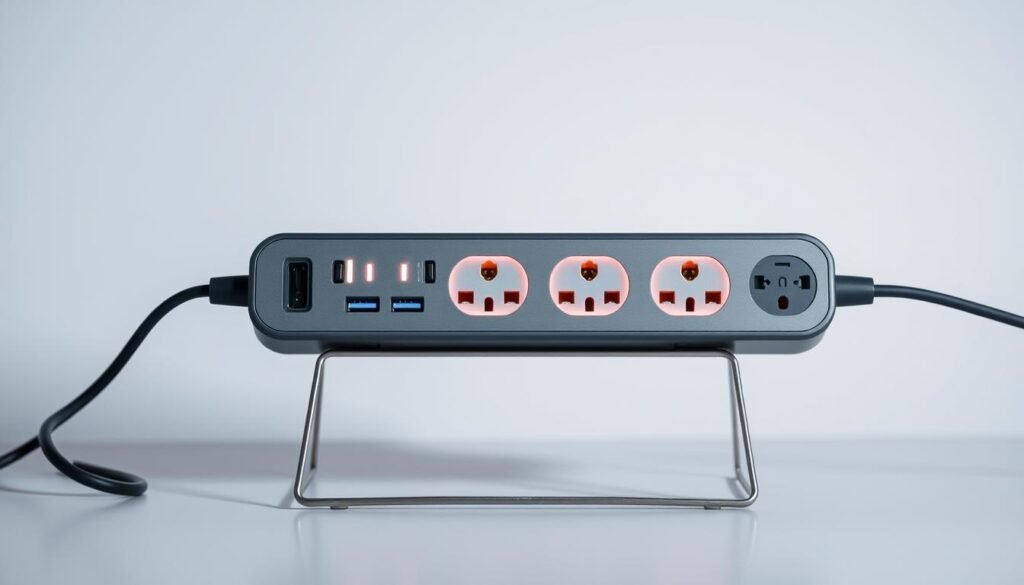
As noted by energy efficiency experts, “Using smart plugs and power strips can significantly reduce standby power consumption, leading to substantial energy savings over time.”
“Smart home devices like smart plugs and power strips are not just convenient; they’re also a crucial step towards reducing our carbon footprint.”
By incorporating smart plugs and power strips into your home, you can take a significant step towards energy efficiency and cost savings. Whether you choose the TP-Link Kasa Smart Plug or the Belkin WeMo Smart Power Strip, you’ll be on your way to a smarter, more energy-conscious home.
4. Smart Window Coverings
By adjusting to optimize natural light, smart window coverings can significantly reduce heating and cooling needs. These innovative solutions allow homeowners to control the amount of sunlight entering their homes, thereby reducing the need for artificial lighting and minimizing heat gain during summer months.
One of the leading brands in smart window coverings is Lutron, known for their high-quality and innovative products.
Lutron Serena Smart Shades
The Lutron Serena Smart Shades are a popular choice among homeowners due to their ease of use and advanced technology. These shades can be controlled remotely using a smartphone app or integrated with popular smart home systems.
- Motorized Operation: The shades are motorized, making it easy to adjust them without manual effort.
- Customizable Schedules: Users can create schedules to automatically adjust the shades throughout the day.
- Integration with Smart Home Systems: Compatible with various smart home platforms, allowing for seamless integration.
According to Lutron, their smart shades can help reduce energy consumption by up to 20%. This is achieved by optimizing natural light and minimizing the need for heating and cooling.
“Smart window coverings are not just about convenience; they’re about creating a more energy-efficient home.”
Investing in smart window coverings like the Lutron Serena Smart Shades is a practical step towards making your home more energy-efficient and comfortable.
5. Smart Water Management Systems
The integration of smart technology in water management systems is a game-changer for energy-efficient appliances and overall water conservation. These systems optimize water usage for irrigation and detect leaks, providing homeowners with a powerful tool to reduce waste and lower their water bills.
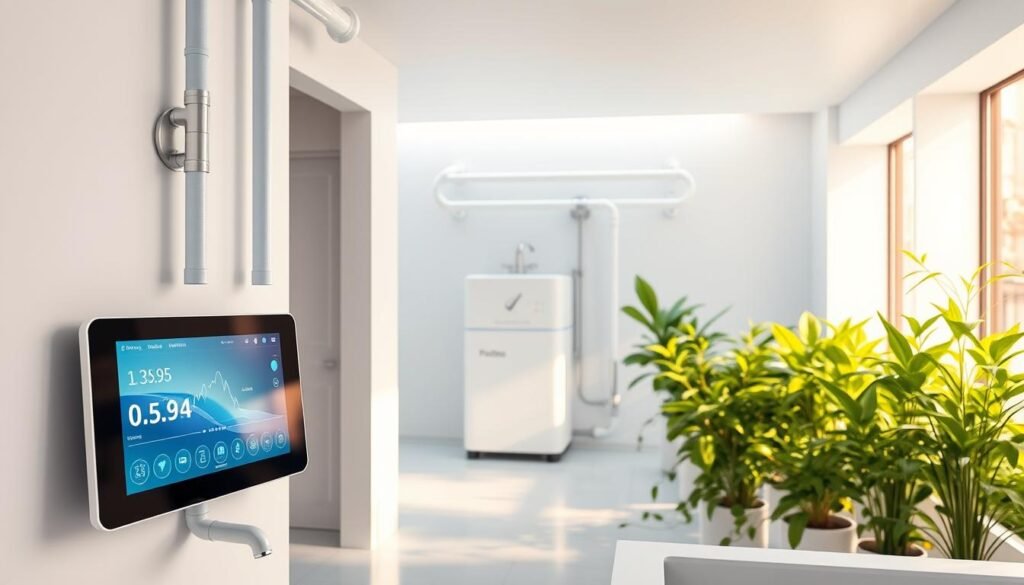
Smart water management systems are designed to make a significant impact on how we use water at home. By leveraging advanced technology, these systems ensure that water is used efficiently, reducing unnecessary waste and helping to conserve this precious resource.
Rachio Smart Sprinkler Controller
The Rachio Smart Sprinkler Controller is a leading device in smart water management. It allows homeowners to control their sprinkler systems remotely and schedules watering based on weather forecasts, soil type, and plant type. This not only ensures that plants receive the right amount of water but also helps in reducing water waste.
Flume Smart Water Monitor
The Flume Smart Water Monitor is another innovative device that tracks water usage in real-time, detecting leaks and providing insights into consumption patterns. This information is invaluable for homeowners looking to identify areas where they can improve their water usage.
| Feature | Rachio Smart Sprinkler Controller | Flume Smart Water Monitor |
|---|---|---|
| Primary Function | Smart Irrigation Control | Real-time Water Monitoring |
| Weather Integration | Yes | No |
| Leak Detection | Yes | Yes |
Both the Rachio Smart Sprinkler Controller and the Flume Smart Water Monitor offer unique benefits, making them valuable additions to any smart home focused on water conservation and efficiency.
6. Smart HVAC Vent Systems
For homeowners looking to enhance their HVAC efficiency, smart vent systems offer a cutting-edge solution. Smart HVAC vent systems can optimize heating and cooling distribution, ensuring that your home remains comfortable while minimizing energy waste.
By installing smart vents, you can control the airflow to different rooms, thereby reducing the strain on your HVAC system. This not only improves the overall efficiency of your heating and cooling but also allows for a more personalized comfort level throughout your home.
Flair Smart Vents
Flair Smart Vents are a leading solution in the smart HVAC vent system category. These vents can be controlled wirelessly, allowing you to adjust the temperature in different rooms according to your preferences.
Key Features of Flair Smart Vents:
- Wireless control for easy adjustment
- Compatibility with various HVAC systems
- Energy efficiency through optimized airflow
By integrating Flair Smart Vents into your home, you can enjoy a more comfortable living space while potentially reducing your energy bills. The system’s ability to optimize airflow means that you’re not wasting energy heating or cooling unoccupied rooms.
7. Energy Monitoring Systems
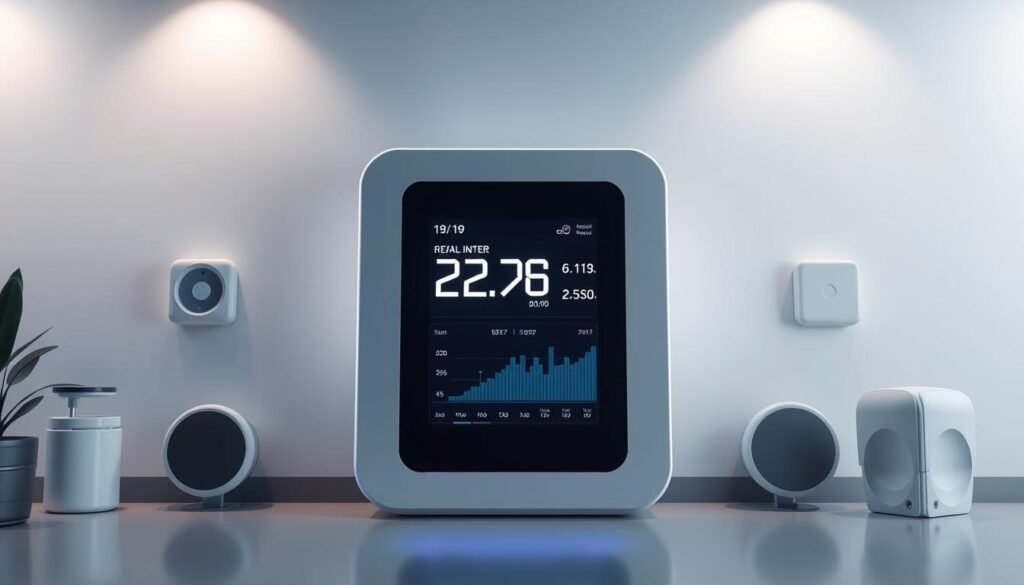
With the advent of energy monitoring systems, households can now track their energy usage in real-time, allowing for more informed decisions about energy consumption.
Energy monitoring systems are designed to provide detailed insights into how much energy is being used, when it’s being used, and which devices are consuming the most energy. This information is invaluable for homeowners looking to reduce their energy bills and carbon footprint.
Sense Energy Monitor
The Sense Energy Monitor is a popular choice among homeowners due to its ability to track energy usage in real-time and identify specific devices within the home. It can detect anomalies in energy usage, alerting homeowners to potential issues such as standby power consumption or faulty appliances.
Key Features of Sense Energy Monitor:
- Real-time energy monitoring
- Device detection and identification
- Alerts for unusual energy usage patterns
- Integration with smart home systems
Emporia Vue Energy Monitor
The Emporia Vue Energy Monitor is another highly-regarded option that offers detailed energy usage data. It can monitor up to 16 circuits within a home, providing a comprehensive view of energy consumption. The Emporia Vue also integrates with various smart home systems, making it a versatile choice.
Key Features of Emporia Vue Energy Monitor:
- Monitoring of up to 16 circuits
- Real-time data and historical usage trends
- Integration with smart home platforms
- Customizable alerts and notifications
Both the Sense Energy Monitor and Emporia Vue Energy Monitor offer significant benefits to homeowners seeking to understand and reduce their energy consumption. By providing real-time data and insights into energy usage patterns, these systems empower homeowners to make more energy-efficient choices.
| Feature | Sense Energy Monitor | Emporia Vue Energy Monitor |
|---|---|---|
| Real-time Monitoring | Yes | Yes |
| Device Detection | Yes | Limited to circuit monitoring |
| Smart Home Integration | Yes | Yes |
As noted by energy efficiency experts, “Energy monitoring systems are a crucial step towards achieving a more sustainable and energy-efficient home.” By leveraging these systems, homeowners can take control of their energy usage and contribute to a more environmentally friendly future.
“The future of energy efficiency lies in our ability to monitor and manage our energy consumption effectively. Energy monitoring systems are at the forefront of this revolution.”
8. Smart Ceiling Fans
By integrating smart technology into your ceiling fans, you can enhance your home’s comfort while lowering your energy bills. Smart ceiling fans optimize airflow, reducing the need for heating and cooling, and can be controlled remotely or automated based on various factors such as temperature and humidity.
One of the standout features of smart ceiling fans is their ability to be integrated into your smart home ecosystem. This allows for seamless control and automation, making it easier to manage your home’s environment.
Hunter SimpleConnect Ceiling Fan
The Hunter SimpleConnect Ceiling Fan is a prime example of a smart ceiling fan that combines style, comfort, and energy efficiency. With its advanced technology, it allows users to control the fan’s speed and lighting (if applicable) remotely through a smartphone app or via voice commands with compatible smart home systems.
Key Features of Hunter SimpleConnect Ceiling Fan:
- Remote control and scheduling through the Hunter SimpleConnect app
- Integration with popular smart home platforms for voice control
- Energy-efficient DC motor
- Customizable lighting options (in models with lighting)
The Hunter SimpleConnect Ceiling Fan not only enhances the comfort of your home but also contributes to energy savings. By optimizing airflow and reducing the reliance on HVAC systems, it can help lower your energy consumption and, consequently, your bills.
In conclusion, smart ceiling fans like the Hunter SimpleConnect Ceiling Fan represent a significant advancement in home comfort technology. They offer a blend of style, efficiency, and smart home integration that can enhance your living experience while saving you money.
9. Smart Water Heater Controllers
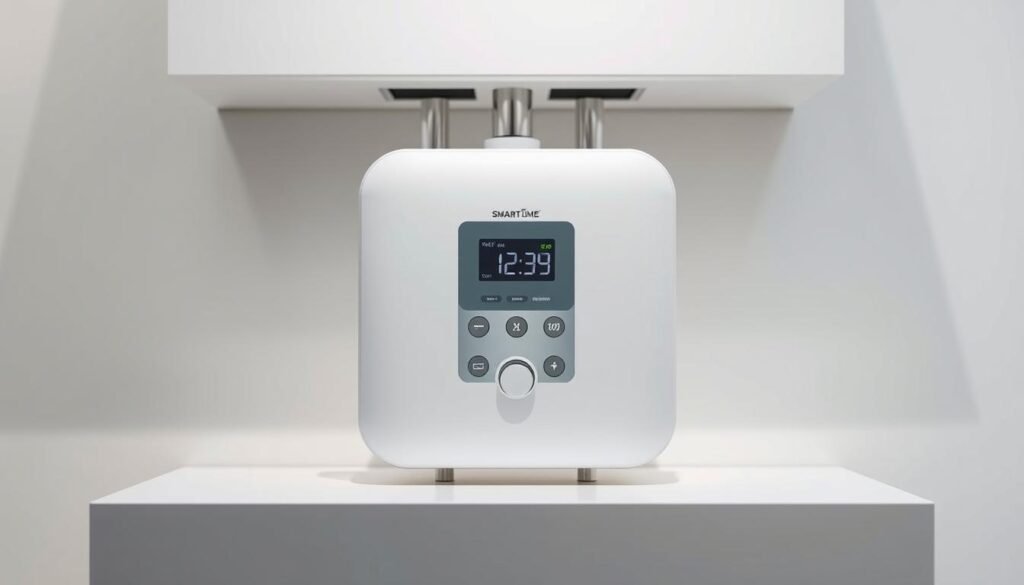
With the advent of smart water heater controllers, homeowners can now enjoy both convenience and energy efficiency. These innovative devices optimize water heating, ensuring that energy is not wasted and reducing overall consumption.
Rheem EcoNet Smart Water Heater Controller
The Rheem EcoNet Smart Water Heater Controller is a cutting-edge solution for managing water heating in homes. It allows users to monitor and control their water heater remotely, ensuring that it’s always operating efficiently.
- Energy Monitoring: Track energy usage in real-time.
- Remote Control: Adjust settings from anywhere using the EcoNet app.
- Alerts and Notifications: Receive alerts for maintenance and potential issues.
By integrating the Rheem EcoNet Smart Water Heater Controller into your smart home system, you can significantly reduce energy waste and lower your utility bills. This device is particularly beneficial for households with variable hot water demands, as it can adapt to your needs and optimize heating accordingly.
Investing in a smart water heater controller like the Rheem EcoNet is a step towards a more energy-efficient home. It’s a practical solution that combines technology with sustainability, making it an attractive option for environmentally conscious homeowners.
10. Smart Home Energy Management Hubs
The integration of various smart devices is made seamless with the help of smart home energy management hubs. These hubs act as central control systems, allowing homeowners to monitor and manage their energy usage more effectively.
Smart home energy management hubs offer several benefits, including:
- Enhanced control over energy consumption
- Improved integration of various smart devices
- Real-time monitoring and insights into energy usage
- Potential for significant energy savings
Samsung SmartThings Energy
Samsung SmartThings Energy is a leading example of a smart home energy management hub. It allows users to control and monitor their smart devices from a single app, providing a streamlined approach to energy management.
The Samsung SmartThings Energy hub integrates with a wide range of devices, including thermostats, lights, and plugs, making it easy to create a comprehensive energy management system. By leveraging such a hub, homeowners can optimize their energy usage and reduce waste.
In conclusion, smart home energy management hubs like Samsung SmartThings Energy are revolutionizing the way we manage energy in our homes. By providing a centralized control system and real-time insights, these hubs empower homeowners to make informed decisions about their energy usage.
Integration and Compatibility: Making Your Smart Devices Work Together
Smart home integration is key to unlocking a more efficient and automated living experience. As you accumulate more smart devices, ensuring they can work together seamlessly becomes increasingly important.
The concept of a smart home is not just about having multiple smart devices; it’s about creating an ecosystem where these devices interact and complement each other. Compatibility among devices is crucial for achieving this synergy.
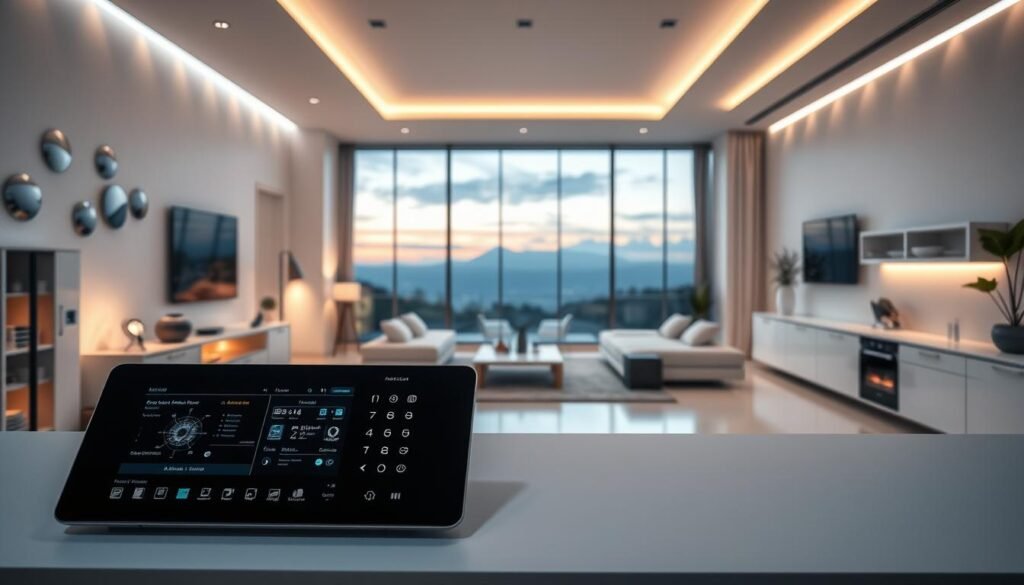
When selecting smart home devices, it’s essential to consider their compatibility with other devices and systems you already have or plan to install. Many manufacturers now design their products with integration in mind, using common protocols and standards.
For instance, devices that are compatible with popular smart home hubs like Samsung SmartThings or Apple HomeKit can often be integrated with a wide range of other devices, enhancing their functionality. This interoperability allows for more complex automation scenarios, making your smart home more responsive to your needs.
- Check for compatibility with major smart home platforms.
- Consider devices that use open standards for integration.
- Look for devices with APIs or developer tools for custom integrations.
By focusing on integration and compatibility, you can create a smart home that is not only more efficient but also more enjoyable to live in. As the smart home landscape continues to evolve, the ability of devices to work together will remain a key factor in the overall user experience.
Return on Investment: Calculating Your Energy Savings
Understanding the return on investment (ROI) for smart home devices is crucial for homeowners looking to reduce their energy bills. By calculating the ROI, homeowners can make informed decisions about which devices to invest in and how they can save money over time.
To calculate the ROI for smart home devices, you need to consider their energy-saving potential. This involves understanding how much energy the device can save and the cost savings associated with that energy reduction. For instance, smart thermostats can learn your schedule and preferences to optimize heating and cooling, leading to significant energy savings.
Factors Affecting ROI for Smart Home Devices:
- Initial cost of the device
- Energy savings achieved by the device
- Usage patterns and habits
- Local energy costs
- Device lifespan and maintenance costs
Let’s consider an example to illustrate how to calculate the ROI for a smart thermostat. Assume the smart thermostat costs $250 and is expected to save $100 per year on energy bills. If the device lasts for 5 years, the total savings would be $500. The ROI would be calculated as follows:
| Year | Energy Savings | Cumulative Savings |
|---|---|---|
| 1 | $100 | $100 |
| 2 | $100 | $200 |
| 3 | $100 | $300 |
| 4 | $100 | $400 |
| 5 | $100 | $500 |
After 5 years, the total energy savings would be $500, providing a significant return on the initial investment of $250. This simple example demonstrates how to calculate the ROI for a smart home device.
By understanding and calculating the ROI for smart home devices, homeowners can make informed decisions about their investments and maximize their energy savings. It’s essential to consider various factors and use real data to estimate the potential savings.
Installation Considerations: Professional vs. DIY Setup
When it comes to installing smart home devices, homeowners often face a crucial decision: whether to opt for a professional installation or take the DIY route. This decision is influenced by various factors, including the complexity of the device, the homeowner’s level of comfort with technology, and budget considerations.
Professional installation offers several advantages. For instance, professionals have the experience and knowledge to ensure that devices are installed correctly and integrated seamlessly into the existing smart home ecosystem. This can be particularly beneficial for complex systems or for homeowners who are not tech-savvy.
Benefits of Professional Installation:
- Expert knowledge and experience
- Ensures correct and safe installation
- Can provide guidance on optimal device placement
On the other hand, DIY setup is an attractive option for those who are comfortable with technology and looking to save on installation costs. Many smart home devices are designed with user-friendly installation processes, making it feasible for homeowners to set up devices themselves.
Considerations for DIY Setup:
- Assess your comfort level with technology
- Evaluate the complexity of the device
- Consider the time required for installation
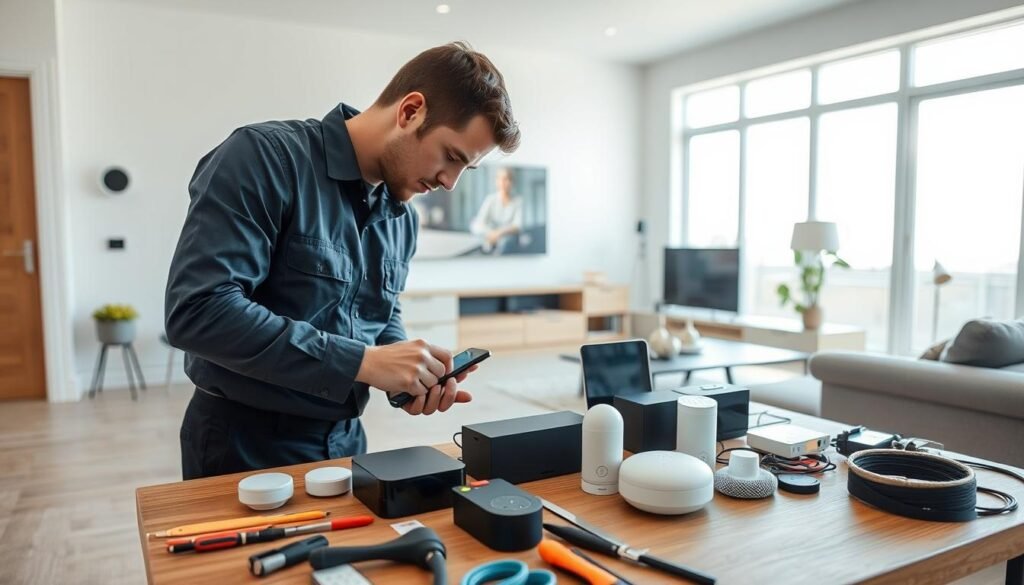
Ultimately, the decision between professional installation and DIY setup depends on individual circumstances. For some, the convenience and peace of mind offered by professional installation will be worth the additional cost. For others, the challenge and potential cost savings of DIY setup will be more appealing.
Key Factors to Consider:
- The complexity of the smart home system
- Your budget for installation
- Your level of comfort with technology
By carefully weighing these factors, homeowners can make an informed decision that best suits their needs and preferences.
Maximizing Tax Credits and Rebates for Smart Home Energy Devices
Investing in smart home energy devices not only reduces your energy bills but also qualifies you for various tax credits and rebates. As a homeowner, you can benefit significantly from these incentives, making your investment in energy efficiency even more rewarding.
The U.S. government and various utility companies offer tax credits and rebates to encourage homeowners to adopt energy-efficient technologies. These incentives can significantly offset the initial cost of smart home energy devices, making them more accessible to a wider range of consumers.
To maximize your benefits, it’s essential to understand the different types of incentives available. Federal tax credits, for instance, can provide a significant reduction in your tax liability when you file your annual return. These credits are available for specific smart home energy devices that meet certain energy efficiency standards.
In addition to federal incentives, many states and local governments offer their own rebates and tax credits. Utility companies also provide rebates for certain energy-efficient devices. It’s crucial to research the specific incentives available in your area to maximize your savings.
- Check the official government websites for information on federal tax credits.
- Visit your state and local government websites for additional incentives.
- Contact your utility providers to inquire about rebates on specific smart home energy devices.
By taking advantage of these incentives, you not only reduce your energy consumption but also save money on your investment in smart home energy devices. It’s a step towards a more sustainable future and a financially savvy decision for homeowners.
Conclusion
Investing in smart home devices can significantly reduce your energy bills and enhance your home’s overall efficiency. By integrating devices such as smart thermostats, lighting systems, and energy monitoring systems, you can optimize your energy consumption and lower your utility costs.
As discussed, various smart home devices offer unique benefits, from smart thermostats like Nest Learning Thermostat and Ecobee SmartThermostat to smart lighting systems like Philips Hue Smart Bulbs and LIFX Smart Lights. These devices not only provide convenience but also help in reducing energy waste.
By choosing the right smart home devices and ensuring they work together seamlessly, you can create a more energy-efficient home. This not only benefits your wallet but also contributes to a more sustainable future. As you consider upgrading your home with smart devices, remember to explore available tax credits and rebates that can help offset the initial investment.
In conclusion, smart home devices are a practical solution for reducing energy bills and enhancing your home’s efficiency. By making informed choices, you can enjoy the benefits of a smart home while saving money and supporting a more sustainable lifestyle.
FAQ
What are the most effective smart home devices for reducing energy consumption?
How do smart thermostats save energy?
Can smart lighting systems really make a difference in my energy bills?
What are the benefits of using smart plugs and power strips?
How do energy monitoring systems work?
Are smart home energy management hubs worth the investment?
Can I install smart home devices myself, or do I need a professional?
How do I maximize tax credits and rebates for smart home energy devices?
What is the return on investment for smart home devices?
Are there any compatibility issues I should be aware of when choosing smart home devices?
🌐 Explore the Smart Digital Network
A connected ecosystem of innovative platforms — empowering your journey through Smart Living, AI Automation, Wellness, Reviews, and Digital Learning. Discover more from our network below 👇




Part of the Smart Digital Network © 2025 — Explore, Learn & Grow Smarter 💡

Prabir Dutta
Prabir Dutta is a passionate digital creator, affiliate marketer, and wellness enthusiast who simplifies complex topics like AI tools, Vastu, pet care, and modern living. With a keen eye for SEO, tech trends, and everyday health solutions, he writes to empower readers with actionable, smart-living insights. When not curating content across his network of niche blogs, Prabir enjoys exploring new digital tools that make life easier and more efficient.







 SuperFreeTools

 SmartAIEarn

 SmartWellnessBeauty


 TrendsOfReview
I have recently started a site, the information you offer on this website has helped me tremendously. Thank you for all of your time & work.
Thanks
When I originally commented I clicked the -Notify me when new feedback are added- checkbox and now every time a comment is added I get four emails with the same comment. Is there any method you’ll be able to take away me from that service? Thanks!
Please mention the email address you added that time – so we will check and remove from our list if any already included.